What Does the Key Light on the Dashboard Mean? Causes and Fixes
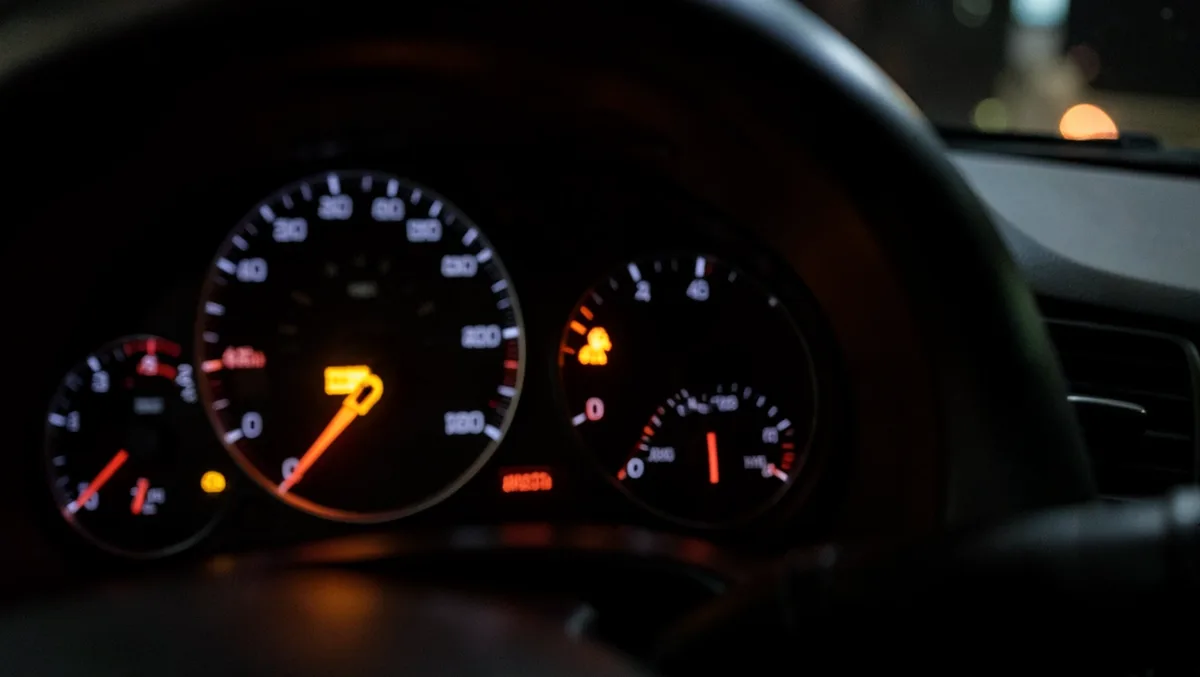
A car-shaped symbol with a key inside it lighting up on your dashboard means your car’s immobilizer system cannot confirm the key fob it’s picking up. In most cases that’s a weak key fob battery, a spare key that was never programmed to the car, or — on push-button start models — the fob simply being out of range. A flashing light with the engine still running usually is not an emergency; a solid light that will not clear, especially paired with a car that will not start, means it is time for a scan tool.
This light is tied to your car’s security system, but exactly what triggers it — and what color or flash pattern shows up — varies by make and model. Below is a breakdown of the most common causes, how the light behaves across different brands, what to try first, and when the fix needs more than a fresh battery.
Understanding Dashboard Warning Lights
BEST FOR A DEAD KEY FOB BATTERY
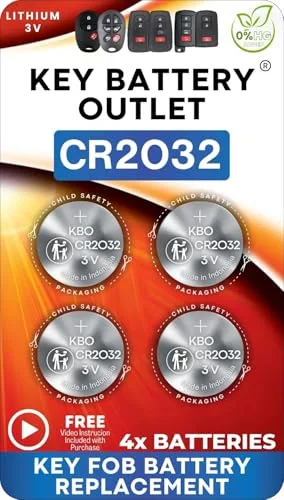 |
CR2032 Key Fob Battery Replacement (4 Pack) – $14.99 A dead fob battery is the single most common cause of the car-with-key light — this 4-pack fits Honda, Toyota, Nissan, Subaru, and most other key fobs.
|
Dashboard lights are your car’s way of flagging a system that needs attention. The car-with-key light is one of those warnings, and it’s almost always tied to your car’s immobilizer or keyless-entry security system. That system uses a small chip inside your key or key fob to confirm you’re the rightful driver before it will let the engine start, which is exactly what keeps a thief from simply drilling the ignition and driving off.
Seeing this light for the first time can feel alarming, but it’s rarely a sign your car is about to lock you out for good. Whether it’s a quick reminder or a real problem depends on your car’s make and model, so it helps to know what each scenario looks like before you assume the worst.
What the Car with Key Light Means
In most cars, the car-with-key light is linked directly to the immobilizer system. That system uses a chip embedded in your key or key fob to communicate with your car’s computer every time you try to start the engine. When the chip and the car fail to “talk” properly — because of a weak fob battery, a wrong key, or a signal problem — the light comes on and, on many models, the engine won’t crank at all. This is the same basic system covered in our Honda Civic key fob guide.
Here’s what it typically means:
- Security System Issue: The car doesn’t recognize the key or fob currently being used — common with an unprogrammed spare key.
- Key Fob Battery Low: A weak coin-cell battery inside the fob can’t transmit a strong enough signal, which is the single most common trigger.
- Faulty Immobilizer: A problem with the security module, antenna ring around the ignition, or wiring itself. This is rarer but more serious.
- Key Not in Range: On push-button-start cars, the light can mean the fob is too far from the receiver — left in a bag, another room, or the trunk.
The exact meaning depends on your car. On many Hondas the light flashes when the key isn’t recognized, while a solid light on a Ford more often points to a low fob battery. The owner’s manual is the definitive source for your specific model, since manufacturers don’t all use the same flash pattern for the same problem.
How the Light Behaves in Different Cars
Not every automaker uses the same color or flash pattern for this light. Here’s a general breakdown — but always confirm against your owner’s manual, since behavior can vary even between trims and model years of the same car:
| Car Brand | Light Behavior | Common Meaning |
|---|---|---|
| Honda | Flashing green or red | Key not recognized or fob issue |
| Toyota | Solid or flashing amber | Key fob battery is low or not in range |
| Ford | Solid red | Key fob battery low or not in range |
| Chevrolet | Flashing yellow | Security system issue |
| Nissan | Solid or flashing red | Key not detected or system error |
On a Honda, a flashing green key light most often means the key currently in range isn’t recognized. On a Toyota, a solid or slow-flashing amber light usually points to a fob battery that’s getting weak. Some vehicles use blue instead of green, amber, or red for this indicator — the color itself isn’t a separate warning category, it’s simply how that manufacturer chose to light the icon, and a flashing blue light points to the same handful of causes above. If you’re not sure what your specific car’s light means, the owner’s manual or a quick call to your dealer’s service department will clear things up in a minute.
Why Does the Car with Key Light Come On?
This light usually comes on for one of these reasons:
- Dead Key Fob Battery: By far the most common cause. Most fob coin-cell batteries last one to two years before the signal gets too weak for the car to read reliably. A fresh CR2032 typically fixes it within minutes.
- Key Not Programmed: A new or spare key that hasn’t been synced to your car’s immobilizer won’t be recognized, no matter how new the battery is. This is especially common with cheap aftermarket replacement keys bought online.
- Key Fob Out of Range: On push-button-start cars, the fob has to be within a few feet of the receiver — leaving it in a bag in the trunk or another room is enough to trigger the light.
- Immobilizer Malfunction: Less common, but a fault in the security control module, its wiring, or the antenna ring around the ignition can trigger the light even with a good key and fresh battery.
- Interference: Other electronics nearby — another key fob, a phone with NFC active, or certain aftermarket electronics — can occasionally interfere with the fob’s signal, especially in crowded parking structures.
Knowing the likely cause makes the next step — what to actually do about it — much faster.
What to Do When the Car with Key Light Comes On
When the light comes on, work through these steps in order before assuming the worst:
- Check the Key Fob Battery: Whether the light is flashing or solid, a fresh CR2032 or CR2025 battery resolves the majority of cases.
- Use the Right Key: Double-check you’re holding the key or fob that’s actually programmed to this car — an easy mix-up in a household with more than one vehicle.
- Bring the Fob Closer: On push-button-start cars, hold the fob directly against the start button. Many manufacturers build in a backup low-power reader there for exactly this situation.
- Try a Spare Key: If a second programmed key or fob is available, try it. This quickly tells you whether the problem is the fob itself or something in the car.
- Check for Interference: Move phones and other key fobs away from the ignition area, especially in crowded parking garages where multiple signals overlap.
- Restart the Car: A full power cycle (off, then back on) occasionally clears a temporary communication glitch between the fob and the immobilizer.
- Visit a Mechanic: If none of the above clears the light, it’s likely an immobilizer fault that needs a scan tool to diagnose properly.
If the car won’t start and the light stays on, avoid repeated cranking attempts — each one draws down the starter battery, and enough failed tries can drain it to the point where you need a jump just to try again.
How to Replace a Key Fob Battery
Since a dead fob battery is the most common cause, here’s how to replace it — it’s a five-minute job with no tools beyond a small screwdriver or a coin:
- Get the Right Battery: Most fobs use a CR2032 or CR2025 — check the imprint on the old battery or your owner’s manual to be sure.
- Open the Fob: Most fobs have a small release slot or seam that a flathead screwdriver or a coin can pry open without damaging the case.
- Swap the Battery: Pop out the old battery and insert the new one with the positive (+) side facing the same direction as the old one — installing it backward is a common reason the light doesn’t clear.
- Close the Fob: Snap the case back together and test it by starting the car. If the light’s gone, the fix worked.
This simple swap resolves the light on the vast majority of Honda, Toyota, Ford, and Chevrolet fobs, and it saves a needless trip to the dealer.

When to Get a Key Programmed
If a new or spare key triggers the light, it likely just needs to be programmed to your car’s immobilizer. This is especially common with cheap aftermarket keys bought online, which are frequently sold uncut and unprogrammed. Here’s what that process typically involves:
- Dealer or Locksmith: Most keys need to be programmed with dedicated equipment that only a dealer or an automotive locksmith carries.
- Cost: Programming typically runs $50–$150 depending on the car, with luxury brands like BMW and Mercedes-Benz usually at the higher end.
- Time: Most programming jobs take 20–30 minutes once the technician has the right equipment on hand.
- DIY Options: A handful of models support a manual in-car programming sequence listed in the owner’s manual, but many newer immobilizer systems block self-programming entirely as an anti-theft measure.
If the light comes on every time you try a new key, stop and get it programmed rather than repeatedly attempting to start the car — some immobilizer systems lock out further attempts after a set number of failures.
Can You Drive with the Car with Key Light On?
Whether it’s safe to drive depends on how the light behaves and whether the car actually starts:
- Flashing Light: If the light flashes but the car starts and runs normally, it’s usually just a weak fob battery — safe to drive to the store for a replacement.
- Solid Light: A solid light more often points to a bigger issue, like an immobilizer fault. Keep any drive short and get it checked as soon as possible.
- Car Won’t Start: If the light’s on and the engine won’t crank at all, you’re stuck until the key, battery, or immobilizer issue is resolved — a tow may be the only option.
The simple rule: if the car runs fine, it’s reasonable to drive to a mechanic or a store for a battery. If the car is behaving oddly in any other way, don’t risk it.
How to Prevent the Car with Key Light from Coming On
A few habits go a long way toward keeping this light off your dashboard for good:
- Replace Fob Batteries Proactively: Swap the coin-cell battery every one to two years instead of waiting for it to fail completely.
- Keep Keys Safe: Avoid dropping or soaking the fob — water and hard impacts are common causes of chip and circuit-board damage.
- Use Properly Programmed Keys: Only carry keys that have actually been programmed to your car; an uncut or unprogrammed spare will trigger the light every time.
- Avoid Interference: Keep phones and other key fobs away from the ignition area, particularly in tight parking situations.
- Stay on Top of Maintenance: Have the electrical system checked during routine service — a wiring issue caught early is far cheaper than one caught after it strands you.
These habits are the cheapest insurance against getting stranded by this warning light.
When to Call a Professional
Sometimes the car-with-key light needs more than a quick fix. Here’s when it’s time to call a professional:
- Light Stays On: If a fresh battery and the correct key don’t clear it, the problem is very likely the immobilizer control module or its wiring.
- Car Won’t Start: If the engine won’t turn over at all, stop attempting to start it — repeated cranking can drain the battery on top of whatever the original problem was.
- Intermittent Issues: A light that comes and goes unpredictably often points to a wiring or sensor problem, such as a loose connection near the ignition antenna ring.
A qualified mechanic or dealer can pinpoint the exact fault with a scan tool in a fraction of the time it would take to guess at it, and a diagnostic visit typically runs around $100.
Costs of Fixing the Car with Key Light Issue
Fixing this issue can range from a few dollars to several hundred, depending on the cause:
- Battery Replacement: $5–$10 for the fob battery itself — a job most owners can do at home in minutes.
- Key Programming: $50–$150 depending on the car and whether you use a locksmith or the dealer.
- Immobilizer Repair: $200–$500 or more if the control module, antenna ring, or wiring needs replacing. See our related guide on what it means when the anti-theft light blinks and the car won’t start for a closer look at immobilizer-specific repairs.
- New Key Fob: $100–$400 for a replacement fob including programming, with luxury brands running toward the higher end.
It pays to shop around: independent automotive locksmiths are frequently $30–$50 cheaper than a dealership for the same programming job.
What If It’s Not the Key or Fob?
Occasionally the car-with-key light isn’t really about the key at all — a failing alternator or weak main battery can starve the immobilizer of the clean power it needs to read the fob signal correctly. Other possible causes include:
- Wiring Issues: Loose or corroded wiring near the ignition or antenna ring can interrupt communication with the immobilizer.
- Faulty Sensors: A failing receiver antenna or sensor may stop detecting a perfectly good key.
- Computer Glitch: The car’s body control module occasionally needs a reset, which a technician can usually perform in minutes with the right equipment.
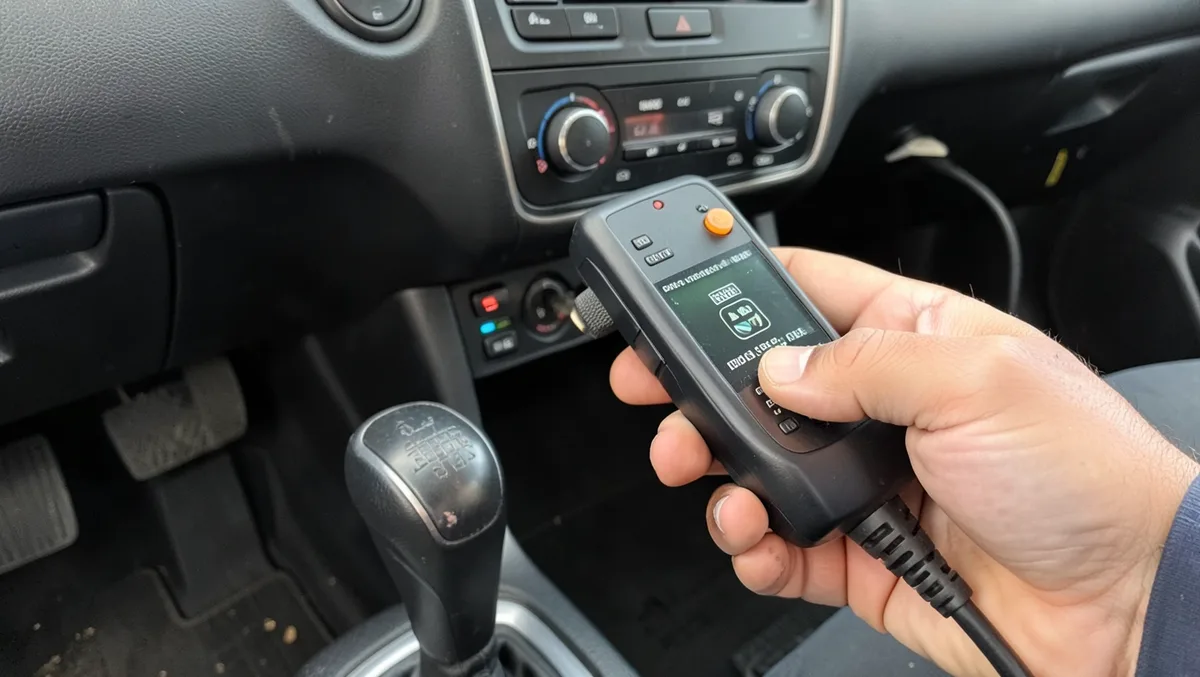
If the key and fob have both checked out fine, a professional diagnostic scan is the fastest way to confirm what’s actually happening instead of guessing.
Conclusion
The car-with-key light is your car’s way of flagging an issue with the key, fob, or security system. Most of the time it’s an easy, cheap fix — a new fob battery or a quick reprogramming job — but a light that won’t clear after those steps is a sign of a bigger problem, like a wiring fault or a failing immobilizer module. Check the fob, confirm you’re using the right key, and call a professional if the light persists, and you’ll be back on the road with minimal fuss.
FAQs
What does it mean if the car’s key light is flashing?
A flashing light usually means the car doesn’t recognize the key or fob currently in range. Start with a fresh fob battery, then try a properly programmed spare key if the light doesn’t clear.
Why is my key light blue?
The color of this light isn’t a separate warning category — it’s just how your manufacturer chose to light the icon. A solid blue key light generally means the system is armed and monitoring normally, while a flashing blue light points to the same handful of causes as any other color: most often a weak fob battery or a key the immobilizer doesn’t currently recognize.
Can I drive the car with the key light on?
If the car starts and runs fine, it’s reasonable to drive short distances, such as to a mechanic or a parts store. If the light is solid or the car won’t start at all, get it checked right away instead of continuing to drive.
How do I know if my key fob battery is low?
A weakening fob battery usually shows up as the key light flashing or staying on, along with a noticeably shorter range before the car recognizes the fob. Replacing the coin-cell battery every one to two years prevents most of these issues.
How much does it cost to fix the car with the key light issue?
It depends on the cause. A new fob battery runs $5–$10, programming a key typically costs $50–$150, and immobilizer repairs can run $200–$500 or more if parts need replacing.
What if my car won’t start with the lights on?
Avoid repeated start attempts, since each one draws down the battery. Check the fob battery, try a spare key, and call a mechanic or tow service if the car still won’t start.
Can I replace the key fob battery myself?
Yes — it’s a five-minute job. Pop open the fob, swap in the correct battery (usually a CR2032 or CR2025), and snap the case closed.
Do I need to go to a dealer to fix this?
Not always. An automotive locksmith can program most keys and fobs for less than a dealership charges. For a genuine immobilizer fault, though, a dealer or qualified mechanic is usually the better option.
Products related to this article
Sponsored / affiliate links. As an Amazon Associate I earn from qualifying purchases. I may earn additional commission from eligible campaigns.