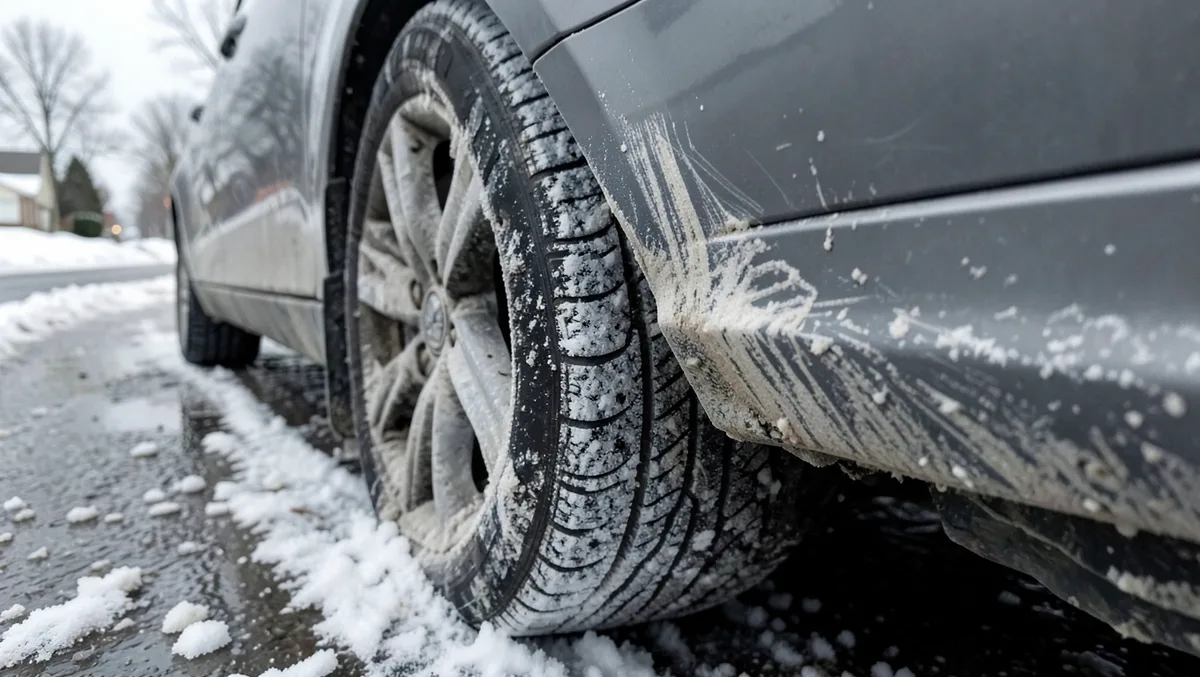
Does Salt Rust Cars? Yes, and How to Prevent It
Yes — road salt rusts cars, and it can start within just a few weeks of regular exposure. Salt lowers water’s freezing point, so slush and moisture cling to metal longer, and dissolved salt acts as an electrolyte that speeds up the chemical reaction between steel, oxygen, and water. The undercarriage takes the worst of it, since salt collects in the frame rails and wheel wells and rarely gets a real chance to dry out. The good news: a handful of consistent habits keep most cars rust-free through the winter.
What Is Rust and Why Does It Happen?
BEST FOR UNDERCARRIAGE RUST PROTECTION
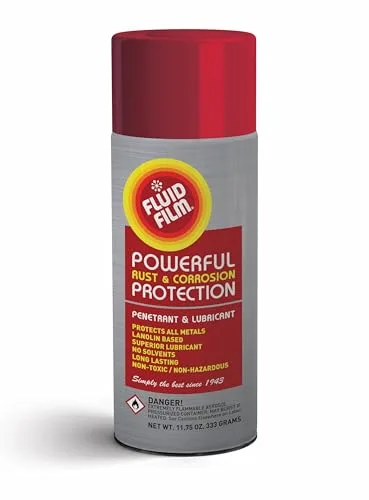 |
Fluid Film Aerosol 11.75oz – $10.19 A lanolin-based spray that coats the frame, wheel wells, and other hard-to-reach metal so salt and water bead off instead of soaking in.
|
Rust is what happens when iron or steel reacts with oxygen and moisture, forming iron oxide — the reddish-brown flaking most drivers recognize instantly. Cars are built mostly from steel, so any exposed metal becomes a target once water and air can reach it.
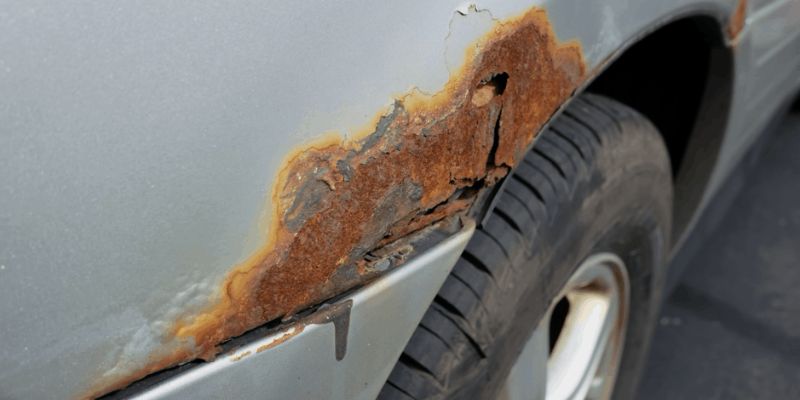
Rust does more than look bad. Left alone, it eats through body panels, frames, and even brake lines, which is both dangerous and expensive to fix. It typically starts wherever water collects and lingers — seams, scratches, stone chips, and undercarriage crevices — long before it becomes visible on the painted surface.
How Does Salt Cause Rust?
Salt speeds up rust in two separate ways. First, it lowers the freezing point of water, so slush and moisture stay liquid on a car’s surface well below 32°F instead of freezing off — that extra time as a liquid is exactly what rust needs. Second, dissolved salt acts as an electrolyte, letting electrons move faster between the iron, oxygen, and water in the corrosion reaction, which accelerates the whole process.
Road crews spread rock salt and salt brine on highways to melt ice, and that residue is the single biggest source of rust in cold-weather states. Some states now use a magnesium chloride brine instead of traditional rock salt, and it comes with its own corrosion risks worth knowing about. Exposed steel can start visibly corroding within just a few weeks of regular salt exposure, especially in humid conditions where the metal never fully dries. Coastal areas face a milder but real version of the same problem — salty ocean air settles on paint and metal even without any road treatment at all.
Where Is Salt a Problem for Cars?
Salt’s impact depends heavily on where a car is driven and parked:
- Snowy States: Michigan, New York, Ohio, and Colorado apply heavy amounts of road salt every winter, and cars there are far more prone to rust eating through fenders and rocker panels within just a few years.
- Coastal Areas: Florida, California, and North Carolina deal with salty ocean air and sea spray, which settles on hoods, trunks, and undercarriages even on cars that never touch a salted road.
- Humid Regions: States like Texas and Louisiana add another layer of risk — humidity keeps moisture sitting on the car longer, giving any salt that is present more time to do damage.
Living in one of these regions means rust deserves regular attention, but even cars in milder climates can pick up enough salt from an occasional storm, a coastal trip, or a treated parking lot to cause real damage over time.
Signs of Rust on Your Car
Catching rust early keeps a cheap wash from turning into an expensive repair. Watch for:
- Brown or Red Spots: Small rusty patches on paint, often starting near wheel wells, doors, and seams.
- Bubbling Paint: Paint that bubbles or peels usually hides rust forming underneath it.
- Flaking Metal: Advanced rust causes metal to flake or crumble, a sign the corrosion has moved past the surface.
- Pitted Surfaces: Tiny pits or a rough texture on bare metal mean rust is just getting started.
- Corrosion on Bolts: Rusty bolts or fasteners underneath the car, especially around the exhaust and suspension, are an early warning sign.
Any of these signs are worth acting on right away — rust caught early is a quick, cheap fix, while rust left alone spreads fast.
How Does Salt Get on Your Car?
Salt reaches a car through more routes than most drivers expect:
- Road Salt: Highway crews spread rock salt and brine to melt ice, and it collects on the undercarriage of any car driven through slush or wet, salted pavement.
- Ocean Spray: Near the coast, wind carries a fine salty mist that settles on paint and metal even when the car never drives near sand.
- Parking Lots: Salt applied to icy parking lots and garages splashes onto tires, rocker panels, and lower body sections.
- Dirty Roads: Even roads that were not salted that day can still kick up leftover salt residue from earlier storms.
Once salt lands on a car, it clings to paint, metal, and crevices — especially while it is still wet — which is exactly why regular washing matters so much.
How Salt Damages Different Car Parts
Salt does not stop at one spot. It can affect nearly every exposed metal surface on the vehicle:
- Body Panels: Fenders, doors, and hoods develop rust spots or holes, usually starting along seams and lower edges.
- Undercarriage: The frame, suspension components, and exhaust system are the most exposed and the most vulnerable to long-term corrosion.
- Wheels and Brakes: Brake lines and rotors can corrode, which is a genuine safety issue and not just a cosmetic one.
- Paint: Salt works its way through any break in the paint — even a small stone chip — exposing bare metal to rust.
- Seams and Joints: Welds and seams trap salt and water, which speeds up corrosion in spots that are hard to inspect and even harder to reach with a hose.
Every one of these areas benefits from a post-winter inspection, since rust tends to start where it is hardest to see.
How to Prevent Salt Rust on Your Car
None of this requires expensive equipment. A handful of consistent habits keep most cars rust-free for their entire service life:
Wash Your Car Regularly
Washing removes salt before it has a chance to do damage. In snowy regions, a wash every one to two weeks through the winter — even in cold weather — makes a real difference. Look for a car wash with an undercarriage spray, since that is the area salt collects fastest and is the hardest to reach at home. A touchless wash avoids the scratches a dirty brush can cause, and drying the car afterward with a microfiber towel helps prevent water spots.
Apply Wax or Sealant
A coat of wax creates a barrier between salt, water, and bare paint. Applying wax roughly every three months keeps that protection topped up through the winter. A synthetic paint sealant lasts longer — up to six months per application — and works well on any vehicle. Either one goes on after a wash, while the paint is clean and dry.
Use Rust Inhibitors
Spray-on rust inhibitors and undercoatings, like lanolin-based Fluid Film, coat the frame, wheel wells, and other hard-to-reach metal with a protective film that sheds water and salt. Products like these are sold at any auto parts store for DIY use, and applying one before winter to the frame and wheel wells gives the undercarriage a real layer of defense. It is a messy job, but a cheap one compared to the alternative.
Park Indoors
A garage keeps a car away from salt and moisture altogether, which is why cars parked indoors through the winter almost always show less corrosion. When indoor parking is not an option, a breathable car cover still blocks a meaningful amount of salt spray and road grime from reaching the paint.
Inspect and Repair Scratches
Any scratch or chip that exposes bare metal gives salt a direct path to start rust. Touch-up paint matched to the car’s exact color closes that gap quickly for small marks, and a body shop can handle anything larger before it spreads.
Rinse After Driving
Rinsing off a car as soon as possible after driving on salted roads — even a quick pass through a coin-operated wash — limits how long salt sits on the surface. Aim the spray at the undercarriage, wheels, and lower panels first, since that is where salt collects the most.
Professional Rust Protection Options
For extra protection beyond a home routine, a few professional services are worth considering:
- Undercoating: A thick, rubberized coating applied to the undercarriage that blocks salt and water directly. It typically runs around $150 to $250 and can last several years.
- Electronic Rust Protection: A device that sends a small electric current through the body to slow the corrosion reaction. Results are debated among mechanics, and installation typically costs $500 to $1,000.
- Ceramic Coating: A durable, glossy layer over the paint that makes salt and grime easier to rinse off. Full-vehicle applications generally run $500 to $1,500 depending on prep work.
- Rustproofing Sprays: A waxy or oily compound sprayed into seams, joints, and cavities a hose cannot reach. This service usually costs $75 to $150.
A local shop that specializes in rust prevention can recommend which of these makes the most sense for a specific car and climate.
Repairing Rust Damage
Rust that has already started does not necessarily mean the car is doomed. The right fix depends on how far it has spread:
- Small Spots: Sanding the area with fine-grit sandpaper, applying a rust converter, and finishing with touch-up paint stops surface rust before it spreads further.
- Larger Areas: Bigger rusted panels usually need a body shop to sandblast, prime, and repaint the section — a repair that commonly runs a few hundred dollars per panel.
- Structural Rust: Rust that reaches the frame or brake lines is a safety issue, not a cosmetic one, and needs a professional to replace the affected parts.
Catching rust in its early stages — and knowing how to stop it from spreading further — is what keeps repair costs low.
How Weather and Driving Habits Affect Rust
Climate and daily habits both influence how fast rust develops:
- Winter Driving: Snowy, salted roads are the single biggest driver of rust, which is why a rinse after every storm matters so much.
- Humidity: Wet climates keep moisture sitting on the car longer, giving any salt present more time to react.
- Parking Outside: Vehicles parked outdoors face more direct exposure to salt spray, rain, and snow than those kept in a garage or under a cover.
- Short Trips: Short drives do not generate enough heat to dry out the undercarriage, which lets trapped salt and moisture linger longer than they would after a longer highway drive.
Small adjustments, like washing more often or covering the car when it is parked outside, add up to a meaningfully longer rust-free life.
Choosing Rust-Resistant Cars
Some vehicles hold up to salt far better than others, largely because of how they are built:
- Galvanized Steel: Most modern cars use galvanized (zinc-coated) steel body panels, which resist rust significantly longer than untreated steel.
- Aluminum Parts: Vehicles with aluminum hoods, fenders, or frames — common on some Ford trucks, for example — corrode far more slowly than steel equivalents.
- Factory Rustproofing: Some manufacturers, including Honda and Subaru, apply factory rust protection to specific models; the owner’s manual or manufacturer spec sheet confirms whether a given vehicle has it.
- Paint and Clear Coat Quality: Thicker factory paint and a durable clear coat give salt fewer opportunities to reach bare metal in the first place.
Checking owner forums and reliability reports for rust complaints on a specific model year is worth the time before buying, especially for anyone shopping in a snowy or coastal region.
Why Rust Prevention Saves Money
Preventing rust costs far less than repairing it after the fact. Here is why the effort is worth it:
- Avoid Repairs: Rust repair can run anywhere from about $100 for a small spot to $5,000 or more for structural damage, while prevention costs little beyond regular washing and the occasional wax.
- Boost Resale Value: A rust-free car consistently commands a higher trade-in or resale price than one with visible corrosion.
- Protect Safety: Rust on brake lines or frame components is a genuine safety hazard, not just a cosmetic one — cheap prevention is a small price for avoiding that risk.
- Extend Car Life: A car that stays free of structural rust simply lasts longer, since corrosion is one of the main reasons older vehicles get retired early.
A small amount of routine maintenance now is consistently cheaper than the alternative later.
Seasonal Rust Prevention Tips
Rust risk shifts with the seasons, so the routine should shift with it:
- Winter: Wash every one to two weeks, keep a coat of wax on the paint, and apply a rust inhibitor spray to the undercarriage before the first snowfall.
- Spring: Give the car a full detail and inspection once the salt season ends, checking closely for any new spots that formed over the winter.
- Summer: Wax to protect against UV damage and rinse off any salt picked up from coastal trips or beach parking.
- Fall: Apply sealant and undercoating before the first snow, while the car is clean and the weather still allows the products to cure properly.
Following this cycle keeps a car protected no matter what the weather brings.
Common Myths About Salt and Rust
A few persistent myths about salt and rust are worth clearing up:
- Myth: Salt only harms old cars. Reality: any unprotected steel rusts, including a car just a few years old, if it never gets washed through a salty winter.
- Myth: Washing spreads rust. Reality: washing removes the salt that causes rust in the first place; drying the car afterward avoids any water-spot concerns.
- Myth: Rust is just cosmetic. Reality: rust can reach brake lines, frame rails, and other safety-critical parts, not just the paint.
- Myth: All cars rust the same. Reality: modern vehicles with galvanized steel or aluminum panels resist corrosion noticeably better than older, untreated steel bodies.
Knowing which of these are actually true makes it easier to focus effort on what actually works.
Conclusion
Salt does rust cars, and it works faster than most drivers expect — but it is also one of the most preventable forms of vehicle damage. Regular washing with attention to the undercarriage, a fresh coat of wax or sealant, prompt scratch repair, and a rust inhibitor spray before winter cover most of what salt can do. Choosing the right wax and staying consistent through the season salt is actually on the road is what separates a car that still looks solid at ten years old from one fighting rust holes by year five.
FAQs
Does salt really cause rust on cars?
Yes. Salt keeps moisture sitting on metal longer and acts as an electrolyte that speeds up the chemical reaction between steel and oxygen — exposed metal can start visibly corroding within just a few weeks of regular exposure.
How often should I wash my car in winter to prevent rust?
Every one to two weeks in snowy areas, with extra attention to the undercarriage, plus a quick rinse anytime after driving on freshly salted roads.
Can I prevent rust if I live near the coast?
Yes. Rinse off salt spray regularly, keep a coat of wax on the paint, apply a rust inhibitor to exposed metal, and park indoors or under a cover when possible.
What car parts are most at risk from salt rust?
The undercarriage, body panel seams, wheel wells, brake lines, and welded joints are the most vulnerable and worth checking most often.
Is it worth getting professional rust protection?
Yes, for anyone in a heavy salt-use climate. Undercoating and ceramic coating both add a meaningful layer of protection and typically cost far less than the rust repairs they prevent.
Can I fix rust on my car myself?
Small surface spots can be sanded, treated with a rust converter, and touched up with paint. Larger rust or anything reaching the frame or brake lines needs a professional body shop.
Do newer cars rust less than older ones?
Generally yes — many newer vehicles use galvanized steel or aluminum panels that resist corrosion better than older, untreated steel. Regular care still matters no matter how new the car is.
Products related to this article
Sponsored / affiliate links. As an Amazon Associate I earn from qualifying purchases. I may earn additional commission from eligible campaigns.