Can Push Start Cars Be Stolen? A Threat Model Guide
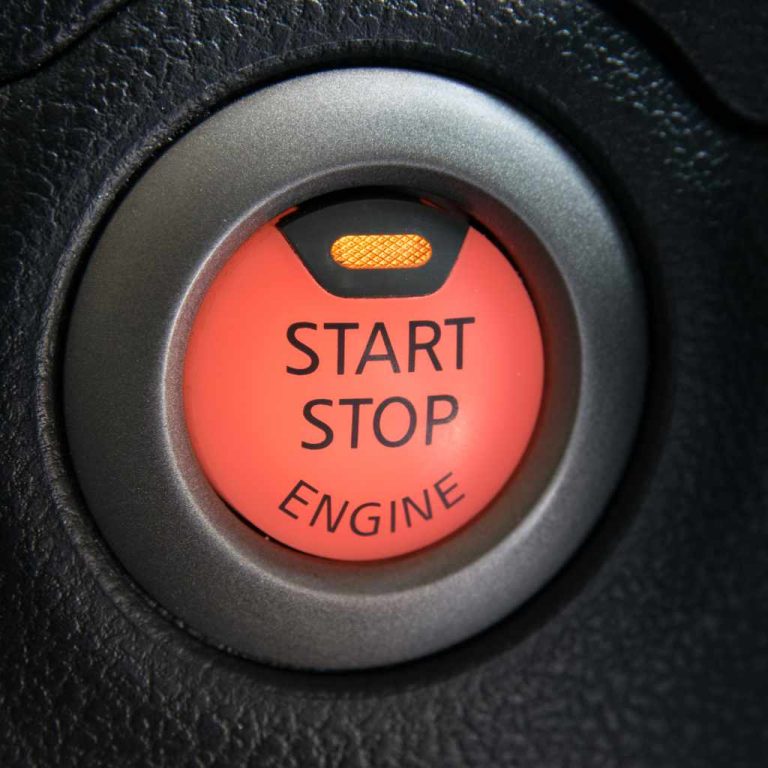
You park your car, press the button, and hear the engine cut off. You slip the key fob into your pocket and walk away. It feels secure because there’s no physical key to duplicate. But the question of whether push start cars can be stolen has a complicated answer, and it’s not the one most owners want to hear.
This guide walks through the real threat model. We’ll cover the specific attack vectors thieves use, why factory immobilizers fail against them, and which defenses matter based on your car’s age and model. You’ll leave with a practical security checklist, not just fear.

Tevlaphee
Tevlaphee Steering Wheel Lock Anti-Theft Car Device…
- DOUBLE PROTECTION DESIGN&EASY TO USE:The steering wheel lock adopts the humanized design of four locking hooks and twin bars, whic…
- HIGHLY VISUAL DETERRENT AND SAFE:The bright color of the car lock is a fine choice for maximum visibility both day and night,which…
- A+ GRADE ANTI-THEFT LOCK:Car wheel lock is made of top-grade steel, featuring a high-strength solid locking beam that makes it dif…
Before diving into the technical details, consider a simple layered defense. A Tevlaphee steering wheel lock adds a visible physical barrier that forces a thief to spend time and make noise. It won’t stop a determined professional with an angle grinder, but it will make your car the harder target on the street.
The Real Threat: Relay Attacks vs. Theft of the Fob
Most people assume push start cars are stolen by tech-savvy hackers with laptops. The reality is more mundane. Two primary methods dominate: relay attacks and plain old fob theft.
A relay attack involves two thieves working as a team. One stands near your front door with a signal booster, and the other stands near your car. The booster captures the RF signal from your key fob inside the house and relays it to a second device near the car. The car thinks the fob is present, so the thief presses the start button and drives away. This works from up to 100 feet away, and it takes about 30 seconds.
The second method is simpler: thieves break into your house, find the fob, and take the car. Some even use a fishing rod through the mail slot to grab keys from a table. No technology involved, just opportunity.
Cloning a key fob is a different beast. It requires physical access to the fob and specialized programming equipment that costs anywhere from $500 to $2,000. The process takes 15 to 30 minutes and demands some skill. Most thieves skip this because a relay attack is faster, cheaper, and requires zero programming knowledge.
Why Your Immobilizer Won’t Save You
Every push start car sold in the last two decades has an immobilizer. It’s a chip in the fob that transmits a unique code to the engine control unit. If the codes don’t match, the engine won’t start. This system stops traditional hot-wiring cold.
But the immobilizer has a blind spot. It only verifies that the fob is present, not that the person holding it is authorized. A relay attack doesn’t crack the code; it simply extends the fob’s signal so the immobilizer sees it as close by. The code is legitimate, so the car starts.
Thieves also exploit the rolling code system. Each time you press the button, the fob and car generate a new code. But some older systems have a vulnerability where the car accepts a code it just used if the fob battery is low or if the signal was jammed. Criminals use cheap RF jammers to block your lock signal, so you think the car is locked when it isn’t. Then they open the door and use the fob’s signal that’s still in range.
Your immobilizer is a solid baseline, but it’s not a silver bullet. Think of it as a lock on a door with a window next to it.
The Vulnerable Spots: OBD Port and CAN Bus Injection
Here’s where things get more technical. The On-Board Diagnostics (OBD) port is a standardized connector under your dashboard. It’s meant for mechanics to read error codes. Thieves use it for something else entirely.
They plug in a device called a programmer that connects to the CAN bus, the car’s internal communication network. From there, they can send a command to the engine control unit to accept a new key. This is called CAN bus injection. The whole process takes about two minutes with a $100 device bought online.
You can check for this vulnerability yourself. Plug an OBD code scanner into the port and look for any recent diagnostic trouble codes. If you see codes related to key programming or unauthorized access, that’s a red flag. Some cars also log CAN bus activity, so a scan might reveal unusual commands sent while the car was parked.
Newer cars from 2026 onward have better encryption on the CAN bus, making injection harder. But models from 2026 to 2026 are the sweet spot for thieves. If your car falls in that range, the OBD port is your biggest liability.
Hardening the OBD port is a weekend project. You can relocate it to a hidden spot behind the glovebox, but that makes mechanic visits annoying. A simpler option is an OBD port lock, a physical cover that requires a key to open. It’s not perfect, but it adds a hurdle that most thieves won’t bother with.
How Thieves Actually Steal a Push-Start Car (Step-by-Step)
Let’s walk through a real relay attack from the thief’s perspective. This is the most common method because it’s fast and leaves no damage.
- Recon: The thief walks through your neighborhood at night, checking driveways for push start cars. They look for the small keyless entry antenna on the windshield or the absence of a physical key slot.
- Positioning: One thief stands near your front door with a relay box. The other stands next to your car with a second box. They coordinate via a phone call or hand signal.
- Signal Relay: The box near the door picks up the fob’s signal through walls and windows. It transmits that signal to the box near the car. The car’s keyless entry system wakes up and sends a challenge.
- Start: The thief opens the door, presses the brake, and hits the start button. The engine turns over. They drive off.
- Disable Tracking: Once in a quiet spot, they pull out the GPS tracker if they find one, or they use a signal jammer to block it. They also swap the license plates.
Total elapsed time from signal relay to driving away: under 60 seconds. No broken glass, no alarm, no noise.
The theft of the fob method is even simpler. Break a window, grab the fob from the kitchen counter, and drive away. This is why you should never leave your fob near the front door or in a bowl by the entryway.
The Faraday Pouch Myth and What Works Instead
Faraday pouches are small bags lined with metal mesh that block RF signals. Put your fob inside, and a relay attack can’t pick it up. They cost $10 to $30 and are widely recommended.
Here’s the catch: they only work if you use them consistently. The moment you leave the fob on the counter because you’re tired, the protection is gone. A pouch also doesn’t help if a thief steals the fob directly.
A better approach is to disable keyless entry overnight. Many cars let you turn off the passive entry feature through the infotainment system. This means you’ll have to press the button on the fob to lock and unlock, but the car won’t broadcast a signal for thieves to relay. Check your owner’s manual for the exact menu path. It took me about five minutes to set up on my own car, and it’s the single most effective free defense.
For older cars without this option, a metal cookie tin works almost as well as a Faraday pouch. Test it by putting the fob inside and trying to unlock the car. If the car doesn’t respond, the tin is blocking the signal.
Hardening Your Car: A Practical Security Checklist
Disabling Keyless Entry Overnight
This is the first thing you should do. Turn off the passive entry feature in your car’s settings menu. You’ll lose the convenience of touching the door handle to unlock, but you’ll eliminate the relay attack vector completely. The fob still works for starting the car, but it won’t broadcast a signal when it’s sitting on your nightstand.
Aftermarket Immobilizers and Kill Switches
An aftermarket immobilizer adds an extra layer that the factory system lacks. These devices interrupt the fuel pump or starter circuit unless a hidden switch or a specific sequence of buttons is pressed. A kill switch is the simplest version: a hidden toggle that cuts power to the ignition. Thieves who bypass the factory immobilizer still can’t start the car without finding the switch.
Installation costs range from $100 for a basic kill switch to $500 for a professional-grade immobilizer. It’s not a replacement for the factory system, but it’s a strong second layer.
A steering wheel lock like the Tevlaphee device serves a different purpose. It doesn’t stop the car from starting, but it prevents the wheel from turning. A thief can start the engine, but they can’t steer the car. They’ll have to cut through the hardened steel bar, which takes time and draws attention. The bright color also signals to a potential thief that this car has extra security, making them move to an easier target.
Insurance, Tracking, and Recovery: What to Do If It Happens
If your car gets stolen, the first call is to the police, then to your insurer. But there are a few things you should know before that happens.
Leaving your fob inside the car can change your legal position. Some insurance policies have a clause that excludes coverage if the keys were left in the vehicle. The exact language varies by state and policy, but the general rule is that you must make reasonable efforts to secure the car. Leaving a fob on the seat is not reasonable. Leaving it in the glovebox is also risky. Always take the fob with you, even for a quick trip into a gas station.
Insurance telematics devices, often called black boxes, can help with recovery. These small units plug into the OBD port and transmit location data to your insurer. If your car is stolen, the insurer can track it in real time and share that data with police. Some policies offer a discount for installing one, but it’s not a standard feature. Ask your agent if it’s available.
A standalone GPS tracker is a better bet. Devices like a hardwired tracker or a portable one hidden in the car cost $50 to $200, plus a monthly subscription. They provide independent tracking that doesn’t depend on your insurer. The downside is that thieves know about them and often use jammers. A hidden tracker with a backup battery is your best chance at recovery.
If you have a steering wheel lock, take a photo of it installed before you park. That photo can serve as proof that you took reasonable security measures if you need to file a claim. It’s a small step, but it can make a difference in a dispute.
Final Verdict: Are They Stealable? Yes, But Here’s the Nuance
Push start cars are absolutely stealable, but the risk isn’t uniform. A 2026 sedan with no additional security is a prime target for a relay attack. A 2026 model with encrypted CAN bus and keyless entry disabled is a much harder nut to crack.
The push-button itself isn’t the weak point. The weak points are the wireless signal, the OBD port, and the human habit of leaving keys near the door.
Here’s what you should actually do, in order of priority:
- Disable keyless entry overnight through your car’s settings menu. It’s free and takes five minutes.
- Keep your fob in a Faraday pouch or a metal tin when you’re home. Test it once to confirm it blocks the signal.
- Install a kill switch or aftermarket immobilizer if you park on the street or in a shared garage.
- Lock the OBD port with a physical cover or relocate it if your car is from 2026-2026.
- Use a visible deterrent like a steering wheel lock. It won’t stop a pro, but it will make your car the less attractive option.
- Add a hidden GPS tracker with a backup battery. Check the battery monthly.
- Never leave the fob inside the car, even for a minute. The insurance risk alone isn’t worth it.
No single defense is perfect. But layered security works. The goal is to make your car take longer to steal than the one parked next to it. That’s the whole game.
For more on how your car’s starting system works, check out this guide on push start cars. If you’re wondering about your insurance coverage after a theft, this article on GAP insurance explains the details.
Products related to this article
Sponsored / affiliate links. As an Amazon Associate I earn from qualifying purchases. I may earn additional commission from eligible campaigns.
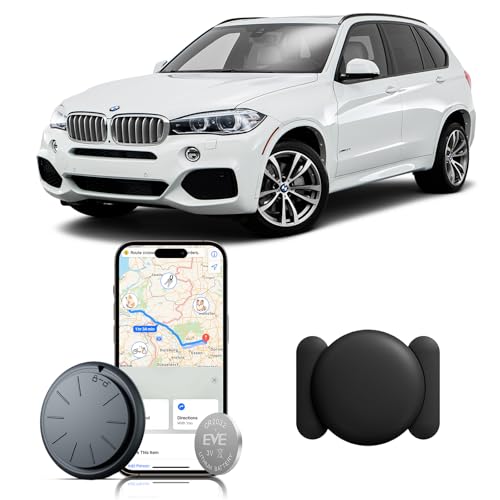 ZFSJTAG Car GPS Tracking Device for Vehicles, 1PCS Real Time GPS Tracker for Car, Work with Find My (iOS Only),Hidden Mini GPS Tracker,No Monthly Fee (Black Tracker, Black Magnetic Case)
 Mighty Max Battery MM-G24 Start and Stop Car BCI Group Size 24 12V 70Ah, 120RC, 710 CCA Rechargeable AGM Car battery