Fiberglass for Cars: Uses, Durability, and Best Repair Kits
Fiberglass is a lightweight, moldable composite of woven glass fibers and resin that automakers and body shops use for car body panels, kit-car shells, and DIY repairs because it is roughly two-thirds the weight of an equivalent steel panel, never rusts, and can be shaped into curves that are expensive to stamp out of metal. It is not the main body material on most modern mass-production cars anymore — that role has mostly shifted to steel, aluminum, and a newer composite called sheet molding compound (SMC) — but fiberglass is still everywhere on the aftermarket side: body kits, kit cars, hoods, fenders, spoilers, and the resin-and-cloth repair kits sold at every auto parts store.
What Is Fiberglass and Why Cars Use It
Fiberglass, more precisely called fiberglass-reinforced plastic (FRP), is made by layering woven glass-fiber cloth or chopped glass strands and saturating them with polyester or epoxy resin, then letting the resin cure into a rigid shell. The idea is not new to cars — boat builders were using it years before Detroit picked it up.
The most famous example is the original 1953 Chevrolet Corvette. Chevrolet needed a body ready for the January 1953 Motorama show fast, and fiberglass molds were far cheaper and quicker to tool up than steel stamping dies, so GM went with glass-reinforced plastic instead. The finished Corvette body came in at roughly two-thirds the weight of a comparable steel body, and that weight-saving, rust-proof, easy-to-mold combination is still the reason fiberglass shows up on cars today.
- Lighter than steel — less unsprung and body weight can mean better handling and fuel economy.
- Does not rust — glass fiber and cured resin have no iron content to corrode, unlike steel panels.
- Moldable into complex curves — low tooling cost makes it practical for low-volume builds like kit cars and body kits.
- Repairable with basic tools — small cracks and holes can be patched with a resin-and-cloth kit rather than replacing the whole panel.
Most Popular Fiberglass Repair Kit
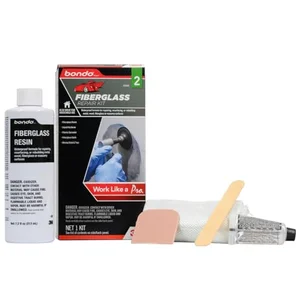 |
Bondo Fiberglass Resin Repair Kit, 00420, 0.45 Pint – $21.99 A small, budget-friendly resin-and-cloth kit sized for patching a crack, hole, or rust-out on a fender, bumper, or hood without buying more resin than a single repair needs.
|
Where You Will Find Fiberglass on a Car Today
Fiberglass has mostly moved from the factory assembly line to the aftermarket and specialty side of the industry. A handful of niche and classic vehicles still use fiberglass body panels, but most mainstream automakers switched to steel, aluminum, or sheet molding compound (SMC) decades ago for anything built at high volume. Here is where fiberglass actually shows up on cars today:
- Body kits and aftermarket panels — front lips, side skirts, spoilers, and wide-body fenders are commonly molded in fiberglass-reinforced plastic (FRP) because tooling a single body-kit mold is far cheaper than steel stamping.
- Kit cars and replica builds — low-volume kit-car manufacturers rely on fiberglass shells for the same reason Chevrolet did in 1953: cheap tooling and easy curves.
- Some classic and specialty vehicles — early Corvettes and several boutique sports cars used fiberglass body panels from the factory.
- Boats, RVs, and small trailers towed behind cars — not the car itself, but the same fiberglass repair kits sold for automotive use work on marine and RV fiberglass too, which is why most kits are labeled for “automotive, marine, and home” repairs.
Fiberglass vs. Steel vs. Carbon Fiber vs. SMC
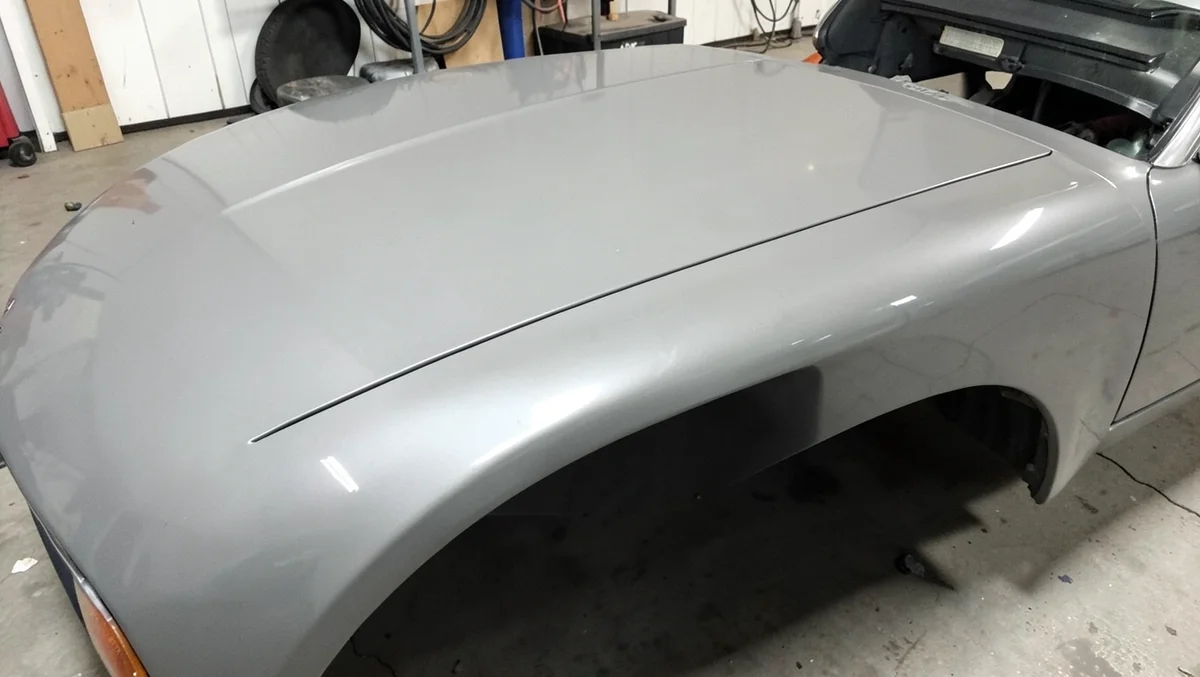
Modern OEM body panels mostly use sheet molding compound (SMC) instead of traditional fiberglass — it is heavier and stiffer, holds up better to repeated stress, and is what replaced fiberglass on later-generation Corvettes and many factory hoods, fenders, and bumper covers. Here is how the main body materials compare:
| Material | Weight | Rust/Corrosion | Repair Difficulty | Typical Use on Cars |
|---|---|---|---|---|
| Steel | Heaviest | Rusts without protection | Body filler, welding for major damage | Most mainstream car bodies |
| Fiberglass (FRP) | Light | Never rusts | Easy — resin and cloth kit | Body kits, kit cars, some classics |
| SMC | Light-to-medium | Never rusts | Harder — needs specific SMC filler | Modern OEM hoods, fenders, bumper covers |
| Carbon fiber | Lightest | Never rusts | Hardest — specialty repair only | Performance and track-focused parts |
How to Patch a Damaged Fiberglass Panel
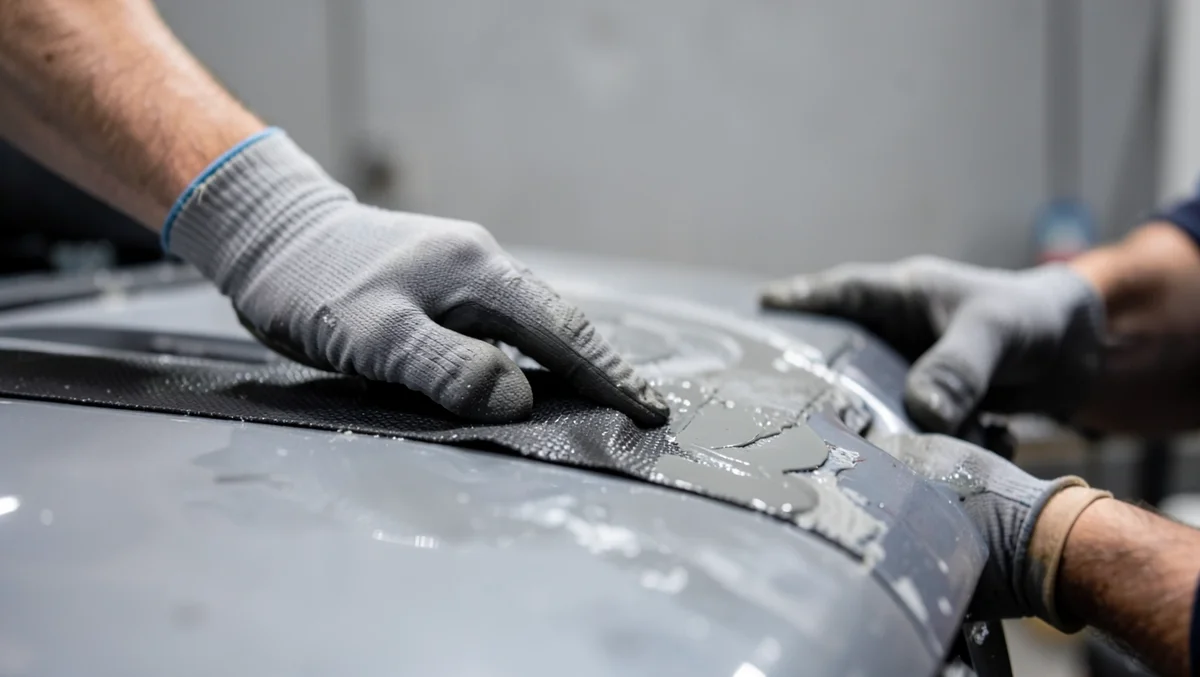
Small cracks, holes, and stress fractures in a fiberglass panel are one of the more DIY-friendly car body repairs, because fiberglass accepts filler and resin easily and does not need to be welded. The short version:
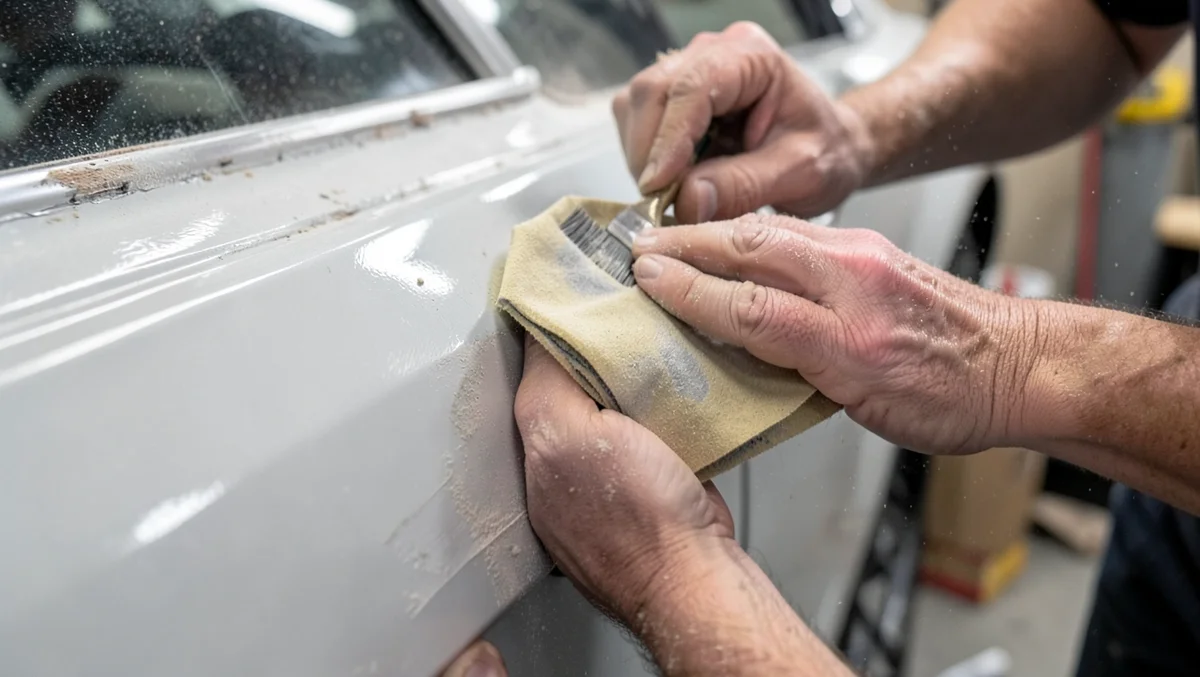
- Clean the damaged area and sand back the paint and gel coat around the crack or hole so the resin has bare fiberglass to bond to.
- Cut a patch of fiberglass cloth (from the repair kit) a little larger than the damaged area on both the front and back of the panel if you can reach it.
- Mix the resin and hardener exactly to the kit’s ratio, then saturate the cloth and press it into place, working out air bubbles.
- Let it cure fully, then sand the patch flush, prime, and paint to match.
That is the process in outline. If the damage is specifically on a fiberglass bumper, our full step-by-step fiberglass bumper repair guide walks through assessing the damage, the exact tools to gather, and the complete repair process in more detail.
Comparing Fiberglass Repair Kits
The Bondo kit above covers most single small repairs. If you need more resin or a tougher cured patch, here is how the common options compare:
| Kit | Price | Best For |
|---|---|---|
| Bondo Fiberglass Resin Repair Kit, 0.45 Pint | $21.99 | One small crack, hole, or rust-out |
| RAPTOR Fiberglass Repair Kit | $43.99 | Tougher, longer-lasting patches on high-stress areas like bumpers |
| All-in-One Fiberglass Resin Repair Kit, 0.45 Pint | $21.99 | A complete beginner set that also includes tools |
Frequently Asked Questions
What Is Fiberglass Used For On Cars?
Fiberglass is mainly used for aftermarket body kits, kit-car shells, and some classic factory body panels, plus the resin-and-cloth kits used to repair cracks and holes in those panels.
Is Fiberglass Still Used In Car Manufacturing Today?
Not much for high-volume factory production. Most mainstream automakers moved to steel, aluminum, or sheet molding compound (SMC) for OEM panels, while fiberglass is now mostly used by aftermarket body-kit makers and kit-car builders.
Does Fiberglass Rust Or Corrode?
No. Fiberglass has no iron content, so it cannot rust the way a steel panel can. It can still crack, crumble, or delaminate from impact or UV exposure over many years, but corrosion is not the failure mode.
Can I Repair A Fiberglass Car Part Myself?
Yes, for small cracks and holes. A basic resin-and-fiberglass-cloth repair kit, sandpaper, and primer are enough to patch and refinish most small fiberglass damage without a body shop.
What Is The Difference Between Fiberglass And SMC On A Car?
Both resist rust, but SMC (sheet molding compound) is a stiffer, more impact-resistant composite that largely replaced traditional fiberglass on modern factory hoods, fenders, and bumper covers. Fiberglass is lighter and easier to hand-repair, while SMC needs a filler made specifically for SMC.
How Long Does A Fiberglass Repair Last On A Car?
A properly done resin-and-cloth patch, sanded, primed, and painted, can last as long as the rest of the panel — often many years — provided the damaged area was fully cleaned and sanded before the resin was applied.
Bottom Line
Fiberglass earns its place on cars for the same reasons it did on the 1953 Corvette: it is light, it never rusts, and it is cheap to mold into curved panels in small numbers. On a modern car it is more likely to show up on a body kit, a kit-car shell, or a repair kit in your garage than on the factory assembly line, but for those uses it is still one of the easiest automotive materials to patch yourself.
Products related to this article
Sponsored / affiliate links. As an Amazon Associate I earn from qualifying purchases. I may earn additional commission from eligible campaigns.