Car Battery Cost: What You’ll Really Pay
Car battery cost often runs about $100 to $250 for a standard flooded battery, about $200 to $400 for AGM, and higher for start-stop or EV applications; a lower sticker price is not always the lower total cost. Ignore install fees, core charges, and battery type, and you can overpay by $50 or more or replace the same battery twice. This guide breaks down price drivers, shop add-ons, and when a higher upfront price lowers lifetime cost.
Car battery cost by vehicle type


Battery replacement cost varies by vehicle make and model. That is the first number to get right, because the same 12-volt replacement battery can price out very differently once size, access, and electrical demand change the job. DIY is usually cheaper than shop replacement, but the installed total is what matters at the counter.
Economy cars: battery-only vs installed price
Economy cars usually sit at the low end because they often use a standard flooded battery with straightforward access. For a typical low-complexity layout, the battery-only price tends to stay closer to the lower end of the range, while installed pricing adds labor, taxes, and any shop fee. The cheapest shelf tag is not always the cheapest receipt.
Midsize cars: where the price usually lands
Midsize cars often split the difference between basic commuter vehicles and larger models with more electronics. A midsize battery can cost more if the vehicle asks for a higher CCA rating or a longer replacement warranty. That can move the price up even when the car looks ordinary from the outside.
SUVs and trucks: larger batteries and higher labor
SUVs and trucks commonly need larger batteries, and that can push both parts price and labor time higher. The battery may be heavier, mounted deeper in the engine compartment, or paired with a more demanding electrical load. If the vehicle uses more than one battery or a hard-to-reach location, the total can climb quickly.
Luxury and start-stop vehicles: why prices climb
Luxury and performance vehicles are common trunk-battery examples, and trunk-mounted batteries usually take more time to access. Start-stop systems also raise the price because they often need AGM or other premium replacements designed for repeated cycling. Longer warranty months, higher CCA, and added programming or reset steps can all push the final bill higher.
Installed price vs battery-only price
Car battery replacement cost has two different numbers: the parts price and the installed price. That split matters because the battery itself is only part of the bill. At a shop, labor is added; for DIY, the price can be lower, but tools, disposal, and other small costs can narrow the savings.
What the parts price covers
The parts price usually covers the 12-volt battery itself, often sold as an OEM-style replacement or a standard aftermarket unit. Estimated parts cost can range from $79 to $450. Batteries are sold by cold cranking amps and replacement warranties in months, so a higher-rated unit often costs more than a basic one.
What labor usually adds
Mechanic-installed battery replacement costs $115 to $496, while DIY battery replacement costs $79 to $450. Estimated labor for replacement is $36 to $46. Battery replacement is described as a beginner-level DIY job, but that does not mean it is free once you factor in your time and any needed supplies.
Why taxes, shop fees, and disposal can change the total
Taxes and fees are not included in the published ranges, so the counter price can be higher than the sticker price. Disposal fees, core charges, and shop programming or reset charges can also change the total. Some shops include the old battery return in the sale price; others list it separately.
Why are car batteries so expensive?
Car batteries cost more when the vehicle asks more from them. Cold weather starting power, repeated start-stop cycling, and higher electrical loads all push the battery toward a more demanding design. Longer warranty usually means a more expensive battery, and that warranty length is one of the clearest pricing signals on the shelf.
Battery chemistry and start-stop demand
Standard flooded batteries are usually the least expensive option. AGM batteries cost more because they are built for harsher cycling and more demanding electrical systems. Start-stop vehicles often need that extra durability, so the price difference reflects the job, not just the label. LFP batteries are less expensive per kilowatt-hour, but that fact applies to EV battery chemistry, not ordinary 12-volt replacement batteries.
Warranty length as a price signal
Longer warranty months usually mean a higher price. That is not free marketing padding. It usually signals more reserve life, better materials, or a design meant to meet tougher duty cycles. A short warranty can be fine for a low-demand commuter car, but it is a weak fit for a vehicle that cycles the battery harder.
CCA, size, and terminal layout effects
Cold cranking amps, or CCA, is the battery sizing and spec metric tied to starting power. Higher CCA batteries often cost more because they are built to deliver more starting current. Group size and terminal orientation also matter. Buy the wrong one and you may need an exchange, an adapter, or a second trip.
What drives the final bill?
The final bill depends on access, battery type, and the small parts around the battery. A vehicle with easy hood access can be cheap to service. A trunk-mounted battery, a luxury electrical system, or an OEM-style replacement with a long warranty can all move the total upward. Batteries can be heavy and battery acid can leak, so the job is not risk-free.
Battery location and access time
Some cars have the battery mounted in the trunk. Luxury and performance vehicles are called out as trunk-battery examples. That placement can add labor because the tech has to remove trim or lift cargo-floor panels before the battery is even visible. More access time usually means a higher installed price.
OEM-style replacement vs standard battery
An OEM-style replacement can cost more than a standard battery because it is meant to match the factory spec more closely. That matters on vehicles with sensitive electronics or special fitment needs. If the original battery used an unusual terminal layout or a specific reserve profile, a bargain replacement may not be the cheapest choice.
Hidden add-ons: corrosion parts, memory saver, reset charges
Hidden costs matter. Terminal corrosion parts, battery terminal cleaners, memory savers, disposal fees, and possible programming or reset charges can add up. A common first-timer mistake is buying the cheapest battery online and then discovering the terminals do not match, the tray needs extra parts, or the shop charges more for installation than expected.
Battery cost breakdown table
This table separates battery-only price bands from installed price bands and shows the likely add-ons by segment. It is the kind of breakdown you can use before you reach the counter.
| Vehicle segment | Battery-only price band | Installed price band | Likely add-ons |
|---|---|---|---|
| Economy | $79 to $150 | $115 to $190 | Disposal fee, tax, possible terminal corrosion parts |
| Midsize | $120 to $250 | $155 to $310 | Higher CCA upgrade, labor, tax, memory saver |
| SUV or truck | $150 to $350 | $200 to $430 | Heavier battery, extra labor, terminal parts, disposal fee |
| Luxury or start-stop | $200 to $450 | $260 to $496 | AGM or premium battery, reset charge, programming, disposal fee |
These bands are meant to separate the shelf tag from the final invoice. They also help explain why the average car battery replacement cost ranges from $79 to $496.
How to compare batteries before you buy
Use the owner’s manual first. Then compare the group size, CCA, terminal orientation, and warranty months before you pay. That prevents the most common shopping mistake: choosing a battery that fits one spec but fails another.
Match the group size in the owner’s manual
Check the owner’s manual for the correct battery. Group size affects physical fit, terminal placement, and tray compatibility. The wrong group size can force a return even if the battery’s price looks good on the shelf.
Check CCA and warranty months
Match the CCA to the vehicle’s needs, especially in cold climates or on vehicles with heavy electrical loads. Then compare warranty months. Longer warranty usually means a more expensive battery, but that higher price can make sense if the car needs stronger starting performance or more cycling durability.
Confirm terminal orientation and installation fee
Terminal orientation can decide whether the battery is plug-in simple or a hassle. Before buying, ask whether the price includes installation, shop fees, and disposal. If you are comparing stores, make sure you are comparing the same battery type and the same installed total.
- Check the owner’s manual for group size and battery type.
- Match CCA to the vehicle’s starting and climate needs.
- Verify terminal orientation before purchase.
- Ask whether the quote includes labor, disposal, and taxes.
- Confirm whether the battery is standard, AGM, or another premium replacement.
How to spot a failing battery
Battery testing should start with a voltage check and a visual inspection. A failing battery may still power lights or accessories, then fail at startup. Most car batteries are designed to last three to five years, so age is part of the diagnosis even before the car shows a hard no-start.
Voltage check and inspection basics
Look for corrosion on the terminals, swelling, loose connections, or a battery that appears damaged. A voltage check helps confirm whether the battery is holding a charge, and it can separate a weak battery from a charging-system problem. Follow the vehicle and product manual during any test or replacement.
Home testing tools you can use
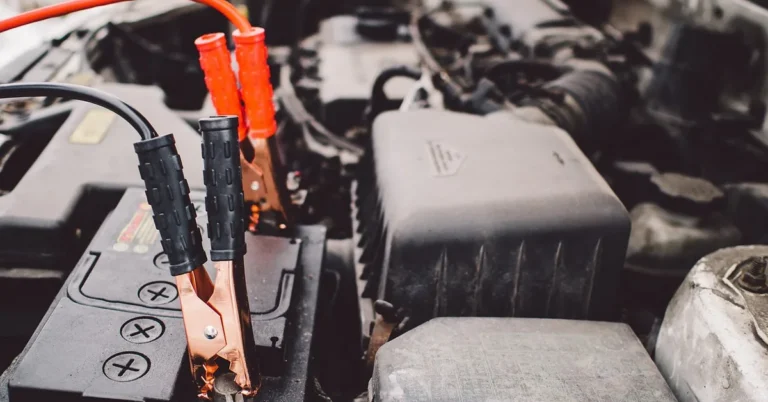
Basic home testing tools include a multimeter and a battery tester made for 12-volt batteries. Those tools help diagnose a failing battery before you pay for parts you do not need. Battery work and jump-starting should follow the manual’s connection order.
Common symptoms: slow cranking and no-start
Slow cranking, dim lights, and repeated no-start conditions are common warning signs. A dead battery can cause no-start conditions and leave drivers stranded. If the battery is near the end of its service life, it is safer to replace it before the car fails at an inconvenient time.
Say your midsize sedan starts slowly on cold mornings and the battery is four years old. A shop may recommend a higher-CCA replacement, which costs more up front but can be the cheaper decision if it avoids another winter no-start. Picture a truck with the battery tucked under a trim panel in the bed or cabin area; the labor can be higher even if the battery itself is ordinary.
Frequently asked questions
How much does a car battery cost?
Average car battery replacement cost ranges from $79 to $496, depending on vehicle type, battery chemistry, and whether installation is included. Battery-only pricing is usually lower than the installed total. If the vehicle needs AGM, higher CCA, or a trunk-mounted battery, the final bill can move up fast.
How expensive are car batteries?
Car batteries are often inexpensive at the shelf and more expensive at the counter. A standard replacement can be modest, but labor, taxes, disposal, and add-ons change the real cost. Luxury and start-stop vehicles tend to sit at the higher end because they need more specific batteries.
How much car battery cost
That phrasing usually means the same thing as asking for the replacement price. The vehicle’s layout, battery type, and warranty length all change where you land.
How much for car battery?
For a standard flooded battery, many buyers will see a lower price band than for AGM or premium start-stop units. The battery itself is only part of the total. If you need installation, disposal, or terminal parts, expect the receipt to run higher than the sticker price.
How much is affordable car battery?
An affordable battery is one that matches the manual without paying for capability you do not need. For a simple commuter car, the low end of the range can be reasonable if the group size, CCA, and terminal orientation all line up. Cheap is only affordable if it fits and lasts.
Products related to this article
Sponsored / affiliate links. As an Amazon Associate I earn from qualifying purchases. I may earn additional commission from eligible campaigns.