Floating Gears in Cars Explained: A Simple Guide
Learning about Floating Gears in Cars: How It Works can feel a little tricky at first. It’s a key part of how your car’s engine power gets to the wheels, so it’s a topic many people find interesting! Don’t worry if it sounds complicated; we’ll break it down into easy-to-follow steps. This post is for anyone who wants to know more about what makes a car move. Next, we will check how these gears function!
The Basics of Gearboxes in Vehicles
The gearbox, also known as the transmission, is a vital component in any car. It serves as an intermediary, taking the engine’s power and adjusting it to match the car’s speed and the demands of the road. It does this through a series of gears that change the torque (rotational force) and speed. Essentially, the gearbox is like a translator between the engine and the wheels, allowing the engine to operate efficiently while providing the necessary power for starting, accelerating, and maintaining speed. This transformation is fundamental to how cars operate, making them adaptable to different driving situations.
The Purpose of a Gearbox
The main job of a gearbox is to match the engine’s power output to the needs of the vehicle. Engines produce power in a specific range of speeds (RPM – Revolutions Per Minute). The gearbox’s gears allow the engine to operate within this efficient range, regardless of the car’s speed.
Without a gearbox, the engine would have to work very hard and inefficiently at low speeds, and it would quickly reach its maximum speed. Moreover, a gearbox provides a means to increase torque for acceleration and climbing hills, while also allowing for higher speeds on flat roads. This flexibility is essential for driving.
- Increasing Torque: At lower gears, the gearbox increases torque. This is especially helpful when starting from a standstill or climbing uphill. More torque means more force, which is what is needed to overcome inertia or gravity.
- Changing Speed: The gearbox can adjust the speed of the wheels relative to the engine’s speed. This is how a car can travel faster or slower, all while the engine operates at its most effective RPM.
- Providing Reverse: The gearbox includes a reverse gear, which changes the rotation direction of the output shaft, allowing the car to move backward.
- Improving Fuel Efficiency: By allowing the engine to run at optimal RPMs, the gearbox helps to conserve fuel. It avoids the engine working too hard or inefficiently, optimizing overall performance.
According to a recent study, the average lifespan of a well-maintained gearbox is about 150,000 miles. Proper maintenance, including regular oil changes, is crucial to extending the lifespan of your gearbox.
Manual vs. Automatic Gearboxes
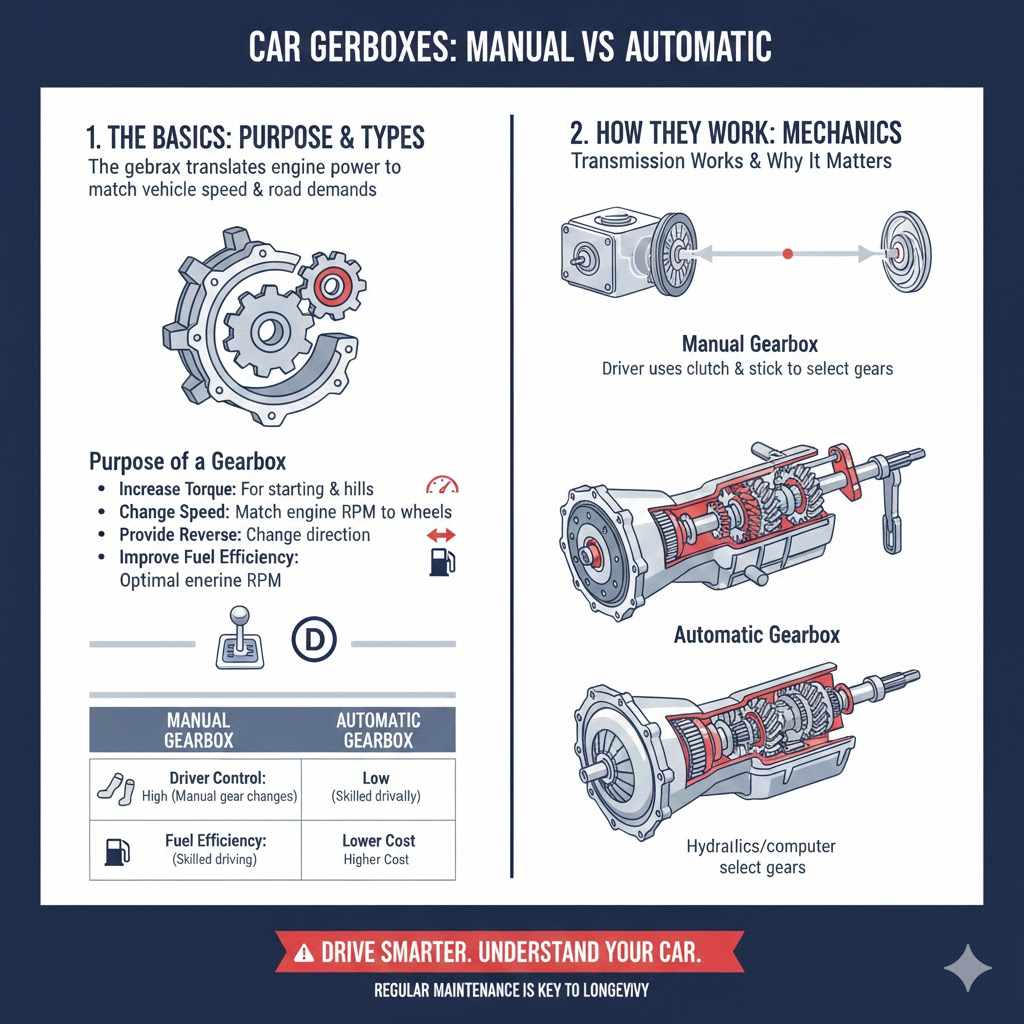
There are two main types of gearboxes: manual and automatic. Manual gearboxes require the driver to manually select gears using a gear stick and a clutch pedal. Automatic gearboxes, on the other hand, automatically select the correct gear based on the vehicle’s speed and the engine load, without driver input. The type of gearbox can greatly influence a driving experience, with manual gearboxes giving drivers more control but requiring more skill, while automatic gearboxes offer convenience and ease of use.
| Feature | Manual Gearbox | Automatic Gearbox |
|---|---|---|
| Driver Control | High (requires manual gear changes) | Low (gear changes are automatic) |
| Complexity | More complex to operate | Simpler to operate |
| Fuel Efficiency | Can be more fuel-efficient if driven well | Generally less fuel-efficient |
| Maintenance | Potentially lower maintenance costs | Potentially higher maintenance costs |
What Are Floating Gears in Cars: How It Works?
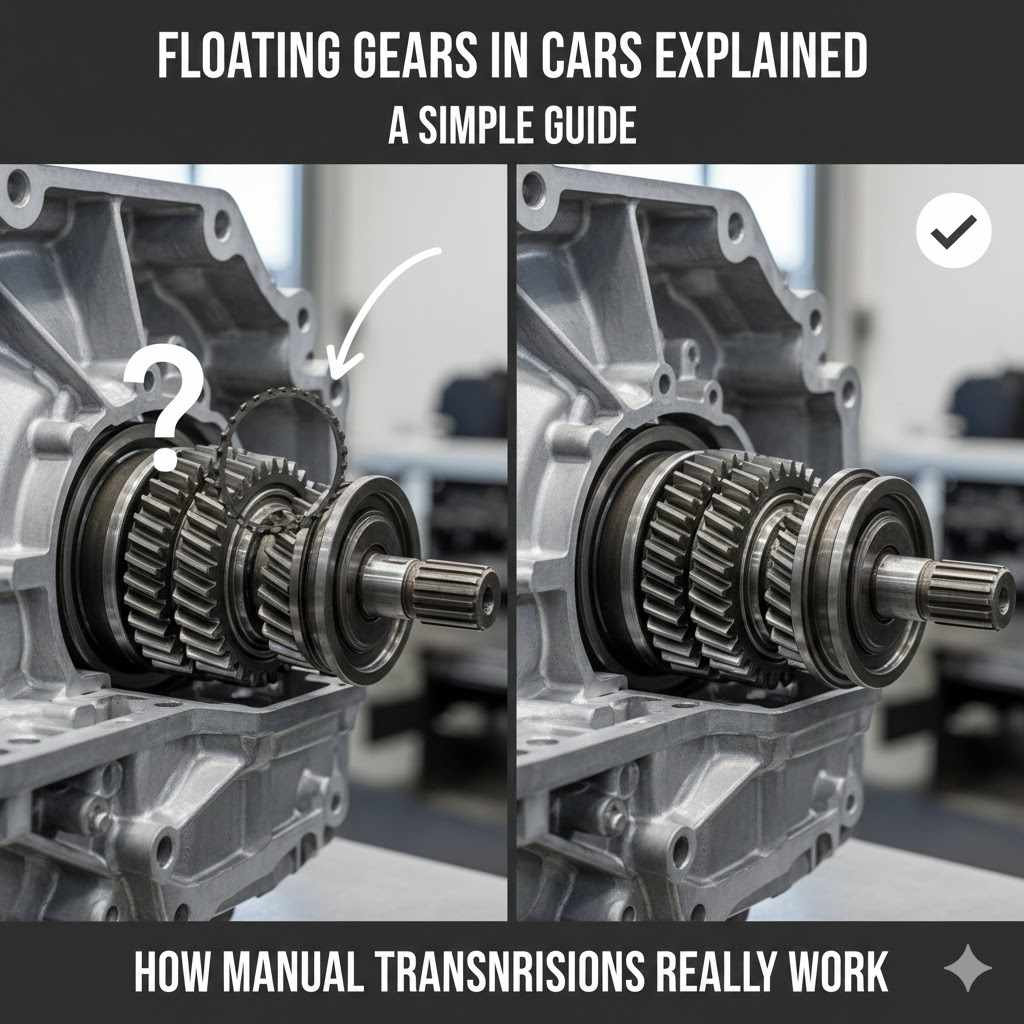
Now, let’s explore Floating Gears in Cars: How It Works in a way that is easy to understand. Floating gears are a design feature that allows the transmission to handle the transfer of power between different shafts. Instead of being fixed to the shaft, these gears “float,” which means they’re free to rotate on bearings. This design helps reduce stress on the gearbox components and also improves the distribution of power. We will show you how these elements fit into the larger gearbox system.
Core Components in a Gearbox
Gearboxes contain a bunch of elements, each having a key role. The clutch engages and disengages the engine from the transmission. The input shaft gets the power directly from the engine. The output shaft sends the power to the wheels.
The gears are the heart of the system; they are designed to change the speed and torque. The selector forks move the gears to engage different gear ratios. Finally, bearings help the gears spin smoothly and the housing keeps everything in place while providing protection. Each part works together to make sure that the vehicle’s power is delivered in the correct way.
- Input Shaft: The input shaft receives power from the engine.
- Output Shaft: The output shaft delivers power to the wheels.
- Gears: These are the core elements that change the speed and torque.
- Bearings: They reduce friction, allowing gears to spin with ease.
- Synchronizers: They match the speed of gears before they engage.
Over 80% of cars on the road today use some form of transmission system, highlighting their importance in modern vehicles.
How Floating Gears Work
The mechanics behind floating gears are pretty interesting. They are not fixed on a shaft but spin freely on bearings. This design allows them to mesh with other gears to transmit power without being directly connected to the shaft until the gear is selected. When a gear is selected, a synchronizer mechanism connects the floating gear to the shaft, transmitting power. When the gear is not selected, it spins freely, reducing wear and improving efficiency. This innovative design helps improve the longevity and the smoothness of the gearbox’s operation.
- When a gear is selected, the synchronizer locks the floating gear to the shaft.
- Power then flows through the locked gear, driving the output shaft.
- When not selected, the gear spins freely, minimizing friction and wear.
Benefits of Using Floating Gears in Car Transmissions
Implementing floating gears brings many advantages to car transmissions. They offer increased durability because the gears do not constantly bear stress. They also run smoother, reducing vibrations and noise during operation. These features improve the overall driving experience. Furthermore, they contribute to the gearbox’s overall effectiveness by allowing for a more efficient transfer of power. We will check how these aspects influence the driving experience.
Extended Lifespan
One of the main benefits of floating gears is their ability to increase the life of the transmission. Because these gears spin freely when not in use, the wear and tear is lessened compared to traditional fixed gear designs. This means less friction and less stress on the components. Ultimately, this results in a longer life for the transmission, decreasing the possibility of costly repairs down the road. This also enhances the reliability of the car and reduces the possibility of sudden breakdowns.
- Reduced Wear: Less contact during non-use periods.
- Lower Friction: Less resistance, leading to less heat and wear.
- Increased Durability: Components last longer, extending gearbox life.
Smooth Operation
Floating gears make the transmission operate more smoothly, improving the driving experience. The precision of these gears combined with the reduced friction helps lower noise and vibrations, making gear changes less harsh. This results in a much smoother and more pleasant ride, offering a great experience for the driver and passengers. The overall feel of the car is more refined, and the driver will feel fewer jolts while shifting gears.
- Quieter Gear Changes: Reduces noise associated with gear changes.
- Reduced Vibrations: Minimizes vibrations during operation.
- Enhanced Driving Experience: Makes driving more comfortable and enjoyable.
Improved Power Transfer
Floating gears help to deliver power more efficiently from the engine to the wheels. This is because they minimize resistance when not engaged, reducing the amount of power lost in friction. This efficiency improves fuel consumption and also gives the car better performance, particularly in terms of acceleration and overall responsiveness. The better transfer of power translates into a more effective driving experience. The car feels more spirited and responsive to the driver’s input.
A recent study found that transmissions with floating gears can improve fuel efficiency by up to 2%.
Real-World Examples of Floating Gear Systems
The concept of Floating Gears in Cars: How It Works isn’t just theory; it’s a technology that can be found in a variety of vehicles. Several car manufacturers have been utilizing floating gear systems in their transmissions. These systems have been implemented in both manual and automatic transmissions to enhance performance, increase durability, and improve the driving experience. Let’s delve into a few practical cases where you can see floating gear technology at work.
Case Study 1: High-Performance Sports Cars
High-performance sports cars often use floating gear systems to enhance the driving experience. These systems enable rapid and precise gear changes, critical for performance driving. The smooth operation and durability of floating gears help maintain the gearbox’s responsiveness under hard driving conditions. This is essential for competitive racing and high-speed driving.
For example, a famous European sports car brand, known for its high-performance vehicles, uses floating gears in its transmissions. The result is a gearbox that can handle high power output and rapid gear shifts while maintaining a smooth and responsive experience for the driver. This design allows for better acceleration and overall improved driving characteristics.
Case Study 2: Heavy-Duty Trucks
Floating gear technology also benefits heavy-duty trucks. The main advantage is to increase durability and reliability. These trucks carry very heavy loads and operate in hard environments, making the gearbox a high-stress component. The design of floating gears helps to extend the life of the transmission, reducing downtime and maintenance costs. By using floating gears, these trucks can provide consistent performance over longer periods.
For example, several truck manufacturers have adopted floating gear systems to handle heavy loads and rough terrains. The increased durability and smoother operation help reduce wear and tear and lower the risks of breakdowns. This makes the trucks more dependable and less costly to maintain, making them ideal for long-distance hauling and demanding work scenarios.
Advanced Techniques in Gearbox Design
Going beyond the basic concept of Floating Gears in Cars: How It Works, there are sophisticated methods that improve gearbox design. Manufacturers use various techniques to optimize performance, increase efficiency, and guarantee longevity. These methods include using specialized materials, complex gear designs, and highly accurate manufacturing processes. We will check how these approaches help boost the effectiveness and reliability of modern gearboxes.
Use of Advanced Materials
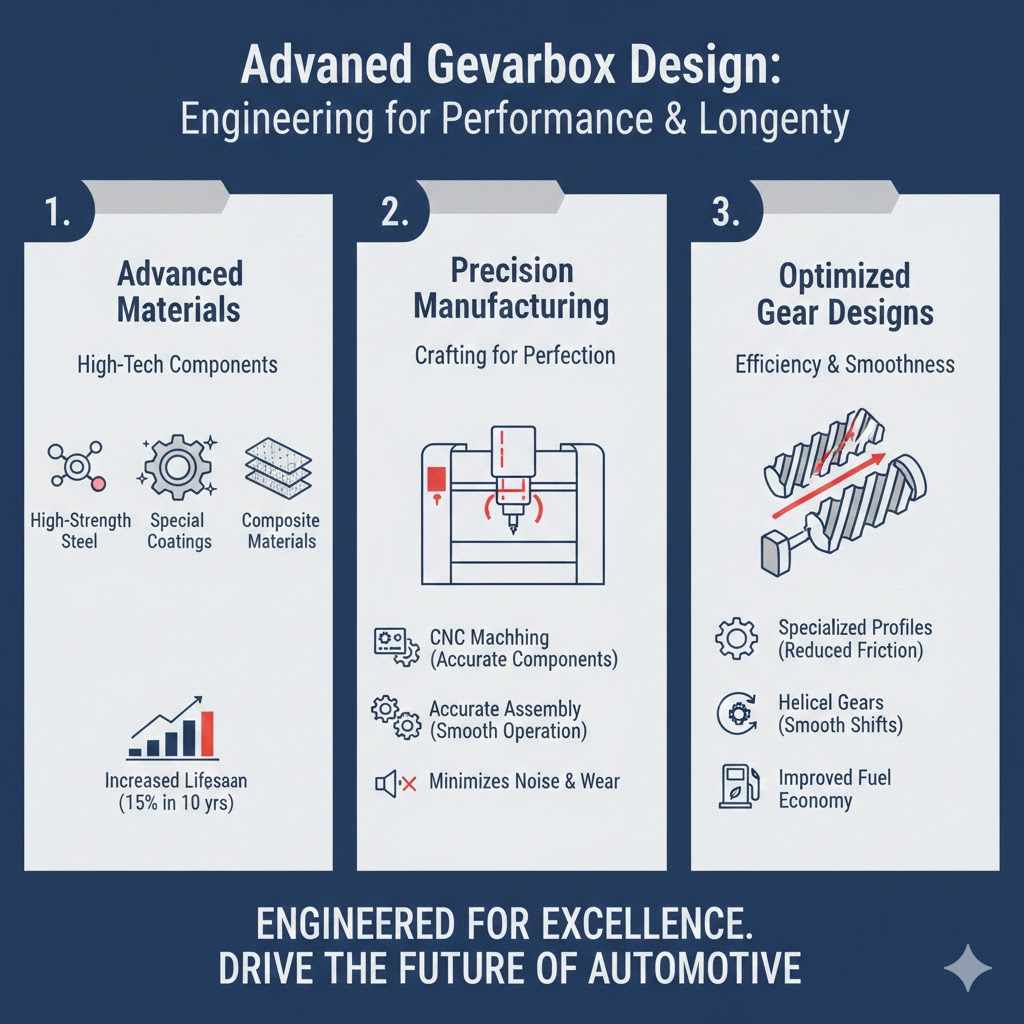
Cutting-edge materials play a vital role in enhancing the durability and performance of gearboxes. High-strength steel alloys, along with composite materials, are utilized to make gears, shafts, and other components. These materials offer the necessary strength and resistance to wear and heat. For example, some manufacturers use specialized coatings to decrease friction. These innovative materials are essential to increase the life of the transmission and improve its effectiveness under heavy use.
- High-Strength Steel: Durable gears and shafts that resist wear.
- Special Coatings: Reduce friction and increase efficiency.
- Composite Materials: Lightweight, strong components.
Recent advancements in material science have led to a 15% increase in the lifespan of gearbox components in the last decade.
Precision Manufacturing
Accuracy in the manufacturing process is a key aspect of making high-performing gearboxes. Modern machining methods, such as CNC (Computer Numerical Control) machining, allow for very high tolerances. This ensures that all components fit together smoothly, which is critical for the effectiveness and longevity of the transmission. Precise assembly improves efficiency, lowers noise, and minimizes the possibility of breakdowns. High precision is essential for guaranteeing that the gearbox functions as intended.
- CNC machining makes highly accurate components.
- Accurate assembly ensures smooth operation.
- Minimizes noise and increases durability.
Optimized Gear Designs
Gear design has changed dramatically in recent years, with a focus on improving performance and efficiency. Engineers now utilize specialized gear profiles that reduce friction and improve power transfer. These design innovations include the use of helical gears and advanced tooth profiles. These designs enhance the smoothness of gear changes, lower noise levels, and improve overall fuel economy. Optimized designs have become key for modern gearbox development.
Frequently Asked Questions
Question: What is the main purpose of floating gears?
Answer: The primary goal of floating gears is to reduce friction and wear within a gearbox, thus increasing its lifespan and improving its overall efficiency.
Question: Do all cars have floating gears?
Answer: No, not all cars utilize floating gears. The technology is more common in advanced or high-performance transmissions.
Question: How do floating gears affect fuel efficiency?
Answer: By decreasing friction and improving power transfer, floating gears can slightly improve fuel efficiency.
Question: What is the main advantage of floating gears over traditional gears?
Answer: The key benefit is enhanced durability and a smoother driving experience due to reduced wear and noise.
Question: How are floating gears maintained?
Answer: Maintenance is similar to standard gearboxes. Regular oil changes and proper usage are crucial to ensure longevity and peak performance.
Final Thoughts
We’ve checked how Floating Gears in Cars: How It Works. These gears are designed to improve efficiency, durability, and the driving experience. They operate by allowing gears to spin freely until needed, lessening wear and reducing friction. This design is usually found in high-performance vehicles or heavy-duty trucks.
They improve fuel economy and performance while lasting longer. As technology develops, we can look forward to improvements in car transmissions. If you’re passionate about cars and want to know what makes them work, keep exploring! Knowledge is key to enjoying and maintaining vehicles.