Car Flywheel Replacement: Symptoms, Cost & Top OEM Parts
If the clutch chatters, the engine shudders at idle, or the starter grinds, inspect the flywheel. Parts and labor usually land around $1,000 to $3,000, and dual-mass units are often reported to cost over $2,000 for the part alone. Ignore it, and you can turn a clutch job into a transmission pull, plus a damaged starter or bellhousing. This guide explains how to separate flywheel failure from clutch wear, what repairs cost, and which OEM parts are worth buying.
What a flywheel does

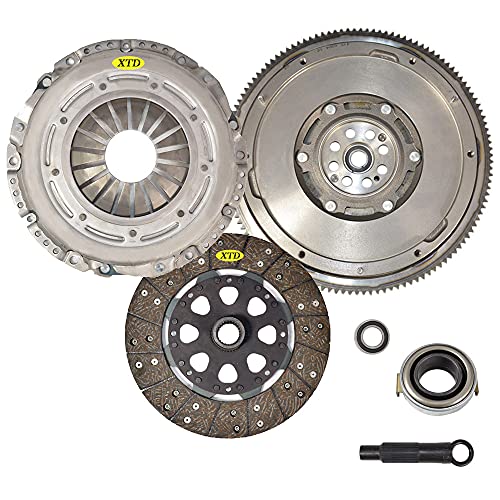

A flywheel is the engine-mounted rotating mass that stores rotational energy and smooths crankshaft pulses. It appears in manual transmissions and some automatic applications. When the surface warps, cracks, or wears, clutch engagement gets uneven and the drivetrain can shake, chatter, or slip.
Where flywheels show up
Manual transmissions almost always use a flywheel because the clutch disc clamps against it. Some automatics use a flexplate instead of a traditional flywheel, but the diagnosis logic is similar when the starter ring gear, mounting surface, or balance is damaged.
The surface matters because the clutch depends on flat, consistent contact. Heat spots, glazing, grooves, and runout change how the disc grabs. That is why a flywheel problem often shows up as a drivability complaint before it becomes a no-start or a broken starter tooth.
How do you tell a bad flywheel from a worn clutch?
A flywheel problem usually shows up as rattling, shudder, vibration, or starter noise, while a worn clutch more often causes slip, drag, or a high-engagement pedal feel. The overlap is real. Heat damage, oil contamination, and a failing dual-mass flywheel can make both parts look guilty at the same time.
Noise, vibration, and shudder patterns
Rattling at idle, especially on a dual-mass flywheel, points toward internal damping wear. A shudder that appears as you let the clutch out in first gear often points to a hot or uneven flywheel face, though a warped pressure plate or contaminated disc can do the same. If the vibration changes with engine speed even when the pedal is down, the flywheel gets more suspicious.
Slip, drag, and pedal feel
If engine speed rises without matching road speed, the clutch disc or pressure plate is usually the first place to look. Hard shifts, gear clash, and a clutch that drags when the pedal is fully pressed often point away from the flywheel and toward release problems, hydraulic issues, or a worn clutch kit.
Picture a 2018 diesel pickup with a manual transmission that rattles at idle and shudders only on takeoff, but still shifts cleanly once rolling. That pattern fits a dual-mass flywheel more closely than a worn disc. Now picture a commuter sedan that flares on third-gear acceleration but feels smooth at idle; that points more toward clutch slip than flywheel damage.
When contamination or heat damage affects both parts
Oil from a rear main seal or transmission input seal can soak the clutch disc and glaze the flywheel face. Overheating from repeated slip can leave hot spots and scoring on the flywheel while also cooking the clutch lining. In those cases, replacing only one part invites a comeback repair.
Flywheel symptom table
The table below separates common symptoms, likely causes, urgency, and the next step. Use it as a diagnosis path, not a parts list.
| Symptom | Likely cause | Urgency | Next step |
|---|---|---|---|
| Idle rattling with the clutch released | Dual-mass flywheel damping wear or internal looseness | High | Inspect the flywheel before the failure spreads to the starter or bellhousing |
| Shudder on takeoff | Hot spots, scoring, contamination, or a warped flywheel face | High | Check for discoloration, grooves, and clutch contamination; plan removal if symptoms repeat |
| Grinding or metallic noise during start | Worn starter ring gear teeth | High | Stop repeated starting attempts and inspect the ring gear during disassembly |
| Clutch slip under load | Worn disc or pressure plate, sometimes heat damage on the flywheel | Medium to high | Inspect the clutch kit and flywheel together; measure surface condition before reuse |
| Hard gear engagement or gear clash | Clutch drag, hydraulic fault, or release bearing issue | Medium | Check clutch release components before condemning the flywheel |
| Vibration that rises with engine speed | Flywheel imbalance, runout, or cracked mounting surface | High | Measure runout and inspect for cracks or heat checking |
| Pedal pulsation or inconsistent bite point | Flywheel surface irregularity or pressure plate distortion | Medium | Inspect flatness and thickness against service limits |
| Burnt smell after hill starts or stop-and-go traffic | Clutch slip that may have heated the flywheel face | Medium to high | Check for hot spots, glazing, and oil leaks before ordering parts |
Hot spots and scoring matter because they change the contact patch between the flywheel and clutch disc. Light scoring may be serviceable if the service manual allows resurfacing and the remaining thickness stays within limits. Deep grooves, cracks, or heat-check marks usually push the repair toward replacement.
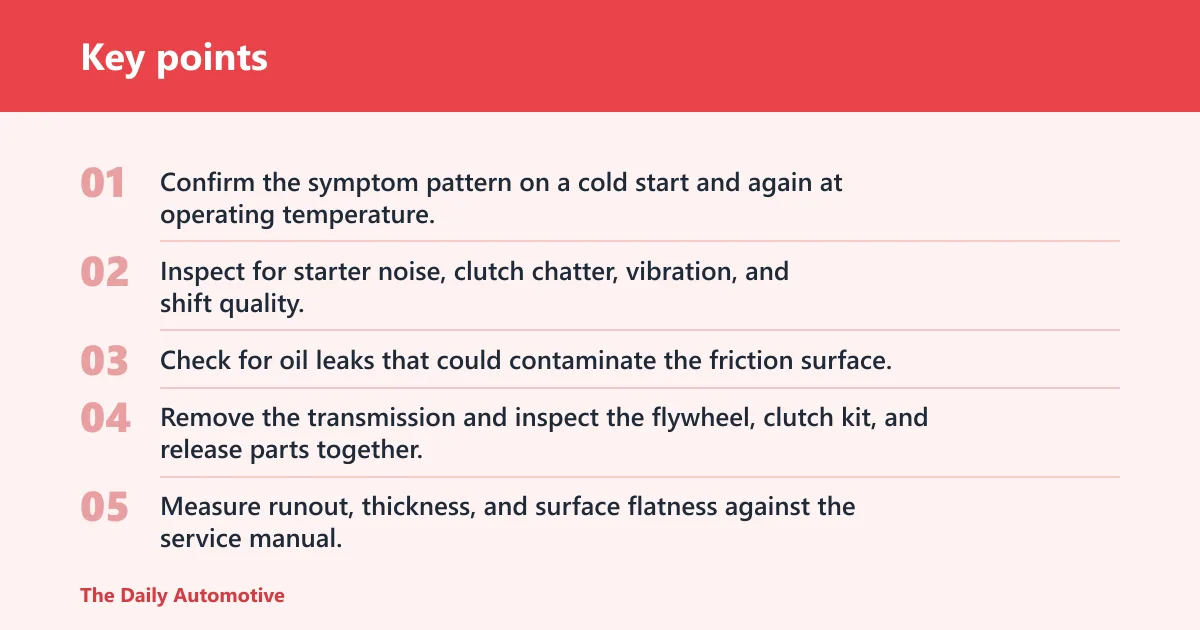
- Confirm the symptom pattern on a cold start and again at operating temperature.
- Inspect for starter noise, clutch chatter, vibration, and shift quality.
- Check for oil leaks that could contaminate the friction surface.
- Remove the transmission and inspect the flywheel, clutch kit, and release parts together.
- Measure runout, thickness, and surface flatness against the service manual.
- Replace or resurface only if the measurement and damage limits allow it.
How much does flywheel replacement cost?
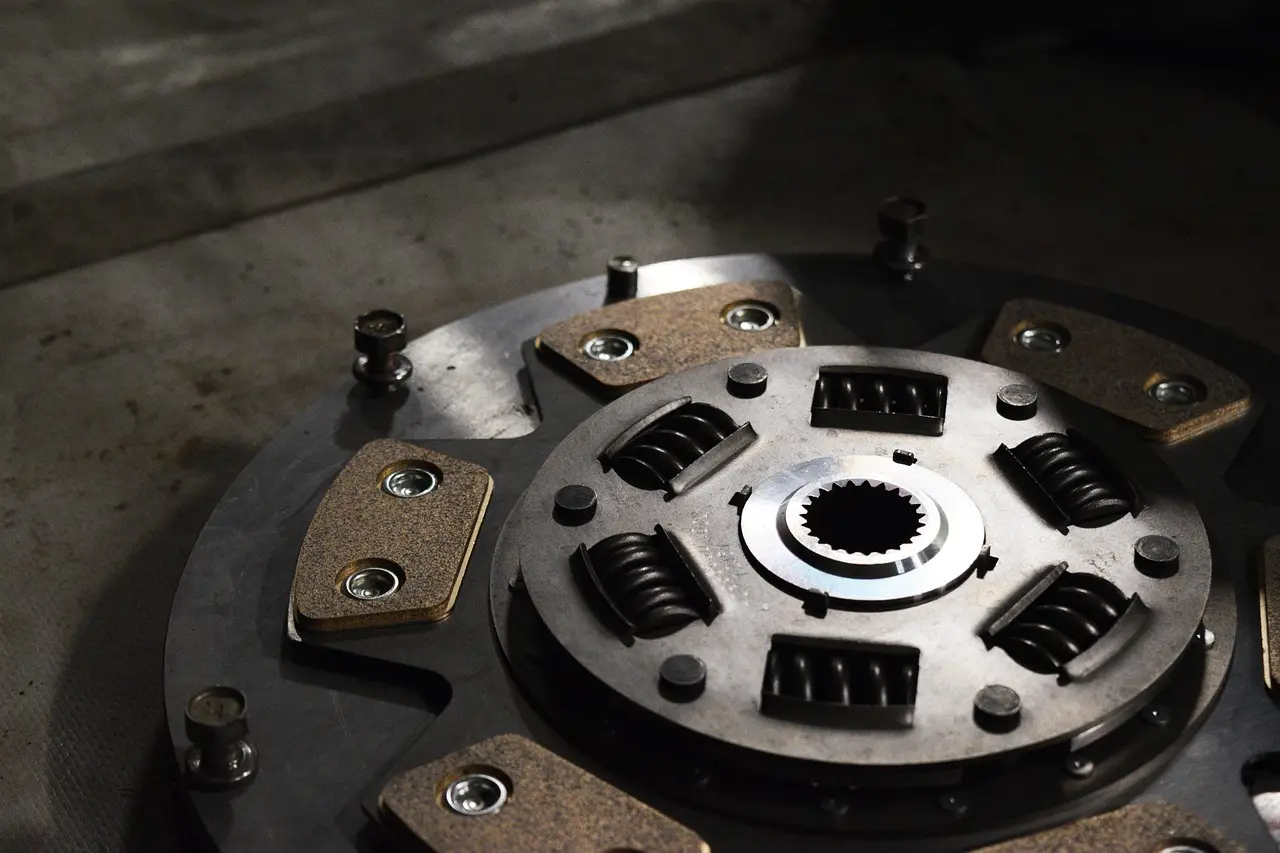
Cost depends on flywheel type, drivetrain layout, and whether the job becomes a clutch bundle. Solid flywheels are usually cheaper than dual-mass flywheels, but labor often dominates the total because the transmission has to come out. FWD packaging can be tighter than RWD, and AWD can add transfer-case or subframe work.
Cost worksheet by layout
The figures below are practical planning numbers, not a quote. Exact totals vary by vehicle, but the split shows where the money goes.
| Drivetrain layout | Flywheel part | Labor time | Labor cost | Add-on items | Typical total |
|---|---|---|---|---|---|
| FWD | Solid: $120-$350 DMF: $350-$900 |
6-10 hours | $600-$1,500 | Clutch kit, release bearing, seals, hardware: $250-$700 | $1,000-$2,800 |
| RWD | Solid: $120-$400 DMF: $400-$1,000 |
5-9 hours | $500-$1,350 | Clutch kit, pilot bearing, hardware: $250-$700 | $900-$3,000 |
| AWD | Solid: $150-$450 DMF: $450-$1,100 |
8-14 hours | $900-$2,100 | Clutch kit, seals, fluids, hardware: $300-$900 | $1,500-$4,000+ |
Replacement labor time is a major cost driver because access changes by platform. On many front-drive cars, the transaxle has to be removed in a tighter engine bay. Rear-drive layouts often allow easier transmission removal, while AWD vehicles may require extra disassembly for driveshafts, transfer cases, or related hardware.
Add-on items are common because the labor overlap is large. A clutch kit includes the pressure plate, disc, and release bearing, and those parts are often replaced with the flywheel while everything is apart. Pilot bearings, rear main seals, and flywheel bolts can add cost without adding much labor if the transmission is already out.
Inspection measurements that decide the bill
Runout, thickness, and heat-check inspection decide whether the flywheel can be reused, resurfaced, or replaced. Service limits vary by vehicle, but the decision should be based on measured flatness and remaining thickness, not guesswork. A flywheel with cracks, deep grooves, or excessive runout should not be reused just to save a few dollars.
Can you drive with a bad flywheel?
Short trips may be possible if the problem is mild, but severe flywheel damage is risky. Grinding starts, heavy shudder, strong vibration, or a flywheel that is shedding metal can damage the starter, pressure plate, and bellhousing. A dual-mass unit that is coming apart can also make the car progressively worse in a short time.
Signs that mean stop driving
If the starter grinds repeatedly, the clutch chatters hard enough to shake the cabin, or the engine speed changes with a metallic knocking from the bellhousing area, park the vehicle. Those symptoms point to a part that can fail enough to leave you stranded or force a much larger repair.
Suppose a compact diesel starts making a new rattle at idle, then begins to grind on startup the next morning. That combination points to a flywheel and starter-ring inspection before any more starts are attempted. Continued cranking can chew the ring gear and spread debris inside the bellhousing.
Why severe DMF failure is a bigger risk
A dual-mass flywheel can fail with internal looseness, hot spots, and damaged damping springs. Once the damping is gone, vibration can move into the transmission input side and nearby components. That is one reason a DMF failure often gets treated as urgent rather than optional.
Is an OEM flywheel worth it?
Yes, in many cases OEM replacement is the better value because fit, balance, and drivability matter more than sticker price. That is especially true on DMF applications, where the wrong part can create vibration, clutch chatter, or premature wear even if it bolts on.
Fitment and balance matter
OEM flywheel parts are built to factory spec for balance and mounting depth. That matters when the vehicle is sensitive to rotational mass and damping behavior. A generic part that is close on paper can still cause noise or a rough takeoff if the balance, friction surface, or ring gear geometry is off.
Match engine code and transmission type
Flywheel selection should match the engine code, transmission type, and whether the car uses a DMF or solid design. Two cars from the same model line can use different flywheels, and swapping a solid unit into a DMF application can raise vibration noticeably. Check the VIN, engine code, and service information before ordering.
When OEM is the safer value
OEM is usually the safer call when the vehicle is known for DMF sensitivity, when warranty confidence matters, or when drivability complaints already exist. For older or performance builds that are designed around a solid flywheel, a correct OEM-spec part still matters because balance and ring gear quality affect starting and idle quality.
OEM flywheel brand choice varies by make. The useful rule is simple: buy the factory-spec part that matches the exact engine code and transmission, then verify whether it is a dual-mass or solid design. If the listing does not match that data, keep shopping.
Frequently asked questions
What are the symptoms of a bad flywheel?
The most common signs are chatter on takeoff, idle rattle, vibration that changes with engine speed, starter grinding, and a burnt smell after slip. Heat spots, scoring, and ring gear wear can make those symptoms worse. If the car also slips or drags in gear, inspect the clutch kit at the same time.
Do I need to replace the clutch when replacing the flywheel?
Often yes, because the labor overlaps and the clutch parts are already exposed. If the disc, pressure plate, or release bearing is worn, replacing only the flywheel is false economy. If the clutch looks healthy and the service manual supports reuse, the final call should still depend on measurements and contamination checks.
Is a dual-mass flywheel worth replacing?
Usually yes when the vehicle was engineered for it. A DMF controls vibration better than a solid flywheel, especially on modern diesel and turbo engines. If the car already has idle rattle, shudder, or hot spots, a correct DMF replacement often restores drivability better than a cheaper substitute.
What causes a flywheel to fail?
Heat from clutch slip, oil contamination, worn starter-ring teeth, excessive runout, and normal fatigue can all damage a flywheel. On DMF units, internal damping wear and hot spots are common failure paths. Inspection should include cracks, discoloration, grooves, thickness, and flatness before any resurfacing decision is made.
How long does flywheel replacement take?
Plan on several hours to more than a day, depending on layout and access. FWD cars can be tight, RWD cars are often simpler to separate, and AWD vehicles can add time for extra driveline parts. A technician also needs time for inspection, cleaning, and torque-specific reassembly.
What OEM flywheel brands are best for my car?
The best OEM choice is the one specified for your exact engine code, transmission, and flywheel type. Brand names vary by vehicle make, so the part number matters more than the logo on the box. Match the factory application first, then verify clutch compatibility and hardware requirements before ordering.
Products related to this article
Sponsored / affiliate links. As an Amazon Associate I earn from qualifying purchases. I may earn additional commission from eligible campaigns.