What Are the External Parts of a Car? (Bumper, Fascia & More)
The external parts of a car are the bumper, fascia, fenders, hood, doors, roof, quarter panels, rocker panels, grille, windshield, mirrors, and lighting — everything visible from the outside that protects the car and shapes its aerodynamics. Some of these terms get confused with each other constantly (fascia vs. bumper, fender vs. quarter panel), so this guide breaks down what each part actually is, where it sits on the car, and what it does.
Quick Answer: A car’s external parts include the front fascia (bumper cover), bumper (hidden impact beam), hood, fenders, doors, quarter panels, rocker panels, roof, trunk lid, grille, windshield, mirrors, and exterior lighting. “Fascia” specifically refers to the visible plastic cover over the bumper — not the bumper itself.
The Essentials Of Car Exteriors
Explore the various external parts of a car, including the bumper, doors, hood, tires, windshield, grille, mirrors, roof, axle, and engine components. Each element plays a crucial role in the car’s functionality and appearance, contributing to its overall design and performance.
Front Fascia Elements (and Why “Fascia” Isn’t the Same as “Bumper”)
The front fascia is the face of the vehicle — but it’s a specific term, not just a synonym for “front end.” The fascia is the visible plastic or fiberglass cover that wraps around the front, including the grille opening; the actual bumper is a separate, hidden steel or aluminum beam mounted behind it that absorbs impact in a collision. The fascia is replaced for cosmetic damage; the bumper beam behind it is replaced for structural, safety-related damage. For the full breakdown of bumper vs. fascia vs. fender, see our dedicated guide to what the front bumper is actually called.
The front fascia assembly also includes the grille, headlights, and fog lights. The grille allows air to flow into the engine compartment to keep the engine cool, while the headlights and fog lights are essential for visibility in low-light conditions. The hood, which sits above the fascia, provides access to the engine.
Rear End Components
The rear end of a car is just as important as the front end, and it includes the rear bumper (and its own fascia cover), taillights, trunk lid, and exhaust system. The taillights are essential for visibility when driving at night, the trunk lid provides storage access, and the exhaust system expels gases from the engine.
Quarter Panels and Rocker Panels
Two exterior parts that rarely get named correctly: the quarter panel is the body section between the rear door and the trunk (it includes the rear wheel well) on each side of the car, and the rocker panel is the narrow strip of body metal running along the bottom of the car underneath the doors, connecting the front and rear wheel arches. Both are common rust and collision-damage spots because they sit low and take the brunt of road debris and parking-lot dings.
Car Body Framework
The body framework provides structural support and protects the vehicle’s occupants. Understanding these components matters for proper maintenance and repair.
Understanding Body Panels
- Body panels are the outer metal sheets that form the shape of the car.
- They include the hood, roof, doors, fenders, quarter panels, rocker panels, trunk lid, and bumper covers.
- Body panels are attached to the frame or chassis of the car and are often the parts replaced first in a minor collision.
Frame And Chassis Dynamics
- The frame provides the structural backbone of the vehicle.
- Chassis dynamics refer to how the frame handles weight, forces, and road conditions.
- A sturdy frame and well-designed chassis are essential for vehicle stability and safety.
Our Pick: Protect Your Car’s Exterior Parts
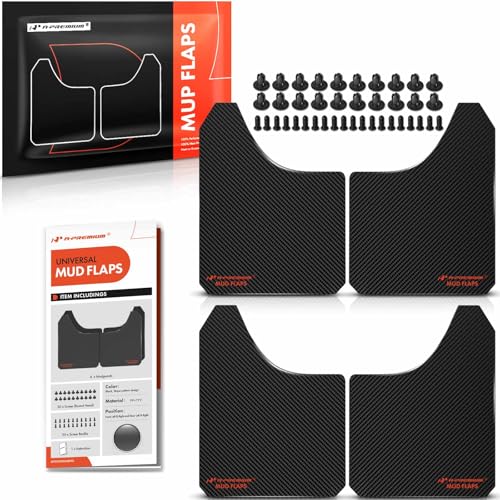
A-Premium Universal Mud Flaps, 4 Pack Black Splash Guards for Truck Car Pickup S
Best for: Protecting rocker panels and quarter panels from road spray and gravel
Why we picked it: A universal 4-piece splash guard set covers all four wheel wells — exactly the accessory that protects the low-hanging body panels this guide covers.
Main drawback: Universal fit may need trimming for some wheel-well shapes.
View Our Pick on Amazon ($35.99)
 MORNYRAY Waterproof Car Cover All Weather Snowproo Best for: Shielding the entire exterior from sun, rain, and snow Needs correct sizing for a snug fit — check your car’s dimensions first. Check on Amazon ($28.51) |
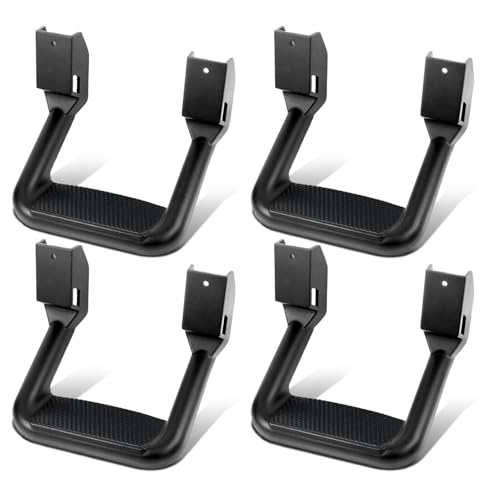 DNA Motoring 4 Pcs of Aluminum Side Hoop Steps, Un Best for: Easier access to trucks and SUVs with a universal fit Adds some ground clearance reduction on lower vehicles. Check on Amazon ($88.99) |
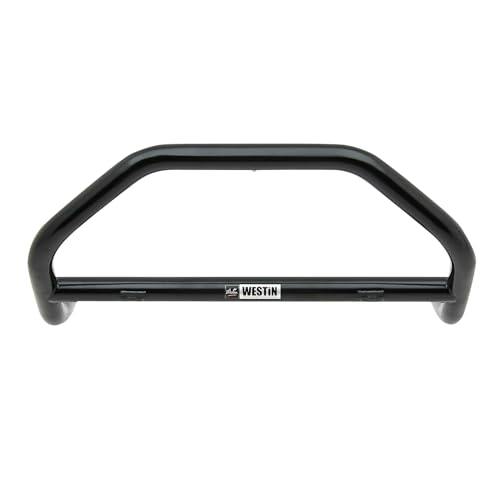 Westin 30-0005 Safari Universal Bull Bar 14.75 in. Best for: Extra front-end protection against animal strikes and minor impacts Adds visible bulk to the front end and may affect crash-sensor placement on newer cars — check compatibility first. Check on Amazon ($130.71) |
Protective Car Features
When it comes to keeping you and your passengers safe, protective exterior features play a crucial role. These parts are designed to safeguard the vehicle and its occupants from potential hazards on the road.
Bumpers And Safety
Bumpers are the structural impact-absorbing beam hidden behind the fascia cover. Most modern bumpers are made of durable materials such as steel, aluminum, or reinforced plastic composite, and are strategically positioned at the front and rear of the car to absorb low-speed impacts before they reach the frame.
Role Of Fenders
Fenders play a critical role in safeguarding the car’s body from road debris, such as rocks, mud, and water. They sit above the wheels and are designed to prevent these elements from being thrown into the air by the rotating tires — often working alongside a splash shield mounted behind the wheel well. In a minor collision, fenders also absorb some impact, reducing damage to the vehicle’s main body.
Visibility And Lighting
From the windshield to the exterior lighting systems, each component contributes to the driver’s ability to see clearly and be seen by others on the road.
Windshield Functions
The windshield is not just a piece of glass — it serves multiple functions:
- Protects occupants from wind, debris, and insects
- Provides structural support to the vehicle (it’s bonded to the frame and factors into rollover strength)
- Offers a clear view of the road ahead
Exterior Lighting Systems
The exterior lighting systems are essential for visibility and safety, including:
- Headlights: Illuminate the road ahead for the driver
- Brake Lights: Signal when the vehicle is slowing down or stopping
- Turn Signals: Indicate the vehicle’s intention to change direction
- Reverse Lights: Illuminate the area behind the vehicle when backing up
Aerodynamics And Style

These external components also shape the car’s aerodynamics and style, not just its function.
Grille Designs
The grille allows air to flow into the engine compartment, helping to cool the engine and other vital components. Grille designs vary widely, from sleek modern patterns to more aggressive styles, and the shape and size can noticeably affect a car’s aerodynamics, performance, and fuel efficiency.
Spoilers And Air Dams
Spoilers and air dams are strategically positioned on the exterior to improve airflow and reduce drag. By disrupting airflow and reducing turbulence, they enhance stability and handling at higher speeds, while also adding a sportier aesthetic.
Access Points
Access points are the entry and exit locations on a car that let passengers and drivers get in and out, and reach storage areas.
Doors And Handles
Car doors are the primary access points for passengers and the driver. They’re equipped with handles, usually located on the door’s exterior, that operate the door latch when pulled or pushed.
Trunk Lids And Tailgates
The trunk lid (sedans) or tailgate (SUVs, hatchbacks, trucks — also called a liftgate when top-hinged) provides access to the storage area, usually with a handle or release button for opening and closing.
Vehicle Support And Mobility
Support and mobility are crucial to a smooth, safe driving experience — and these components are the ones drivers most often overlook until something wears out.
Tire And Wheel Essentials
Tires and wheels are essential for a car’s mobility and stability. Tires provide traction, while wheels support the vehicle’s weight and enable movement. Proper maintenance of both is vital for safe driving.
Suspension And Axle Importance
Suspension systems absorb shocks and vibrations for a comfortable ride, while the axle connects the wheels to the car and allows for movement. Maintaining both is crucial for overall vehicle performance.
Additional Exterior Features
Beyond the main structural parts, a few additional exterior features round out the car’s functionality and appearance: mirrors and external accessories.
Mirrors And Their Functions
Mirrors give the driver a clear view of the surroundings for safe driving. There are generally three types found on a car: side mirrors, the rearview mirror, and blind-spot mirrors.
- Side mirrors: Mounted on either side of the car, providing a wider view of the road behind the driver for lane changes, turns, and reversing.
- Rearview mirror: Located on the windshield, provides a view of the road behind the car for tracking traffic and making safe maneuvers.
- Blind-spot mirrors: Small mirrors attached to the side mirrors that widen the field of view and reduce blind spots.
Antennas And External Accessories
Apart from mirrors, several other external accessories can be added to a car to enhance its functionality and aesthetics:
| Accessory | Function |
|---|---|
| Antennas | Receive radio signals and provide entertainment during long drives. |
| Bull bars and grille guards | Provide protection to the front of the car from collisions and animal strikes. |
| Car covers | Protect the car from external elements such as dust, rain, and sunlight. |
| Mud flaps and splash guards | Reduce road spray, mud, and gravel damage to rocker panels and quarter panels. |
| Side steps and running boards | Help with getting in and out of the car, especially for children and elderly passengers. |
Choosing the right accessories comes down to what the car actually needs — protecting rocker panels on a gravel-road commuter is a different priority than a weekend car cover for a garage-kept vehicle.
Frequently Asked Questions
What Are Car Exterior Parts?
Car exterior parts include bumper, doors, hood, tires, windshield, grille, mirrors, roof, axle, and engine components.
What Is an External Part of a Vehicle?
External parts of a vehicle refer to components on the outside, such as bumpers, doors, hood, tires, windshield, and mirrors.
What Is the Outer Part of a Car Called?
The outer part of a car is called the “exterior” or “body,” which includes the hood, doors, bumpers, fenders, roof, and other metal panels.
What Is the Difference Between a Fascia and a Bumper?
The fascia is the visible plastic or fiberglass cover on the front (or rear) of the car; the bumper is the hidden steel or aluminum beam behind it that actually absorbs impact. The fascia gets replaced for cosmetic damage; the bumper beam gets replaced for structural, safety-related damage.
What Is a Quarter Panel on a Car?
A quarter panel is the body section between the rear door and the trunk on each side of the car, including the rear wheel well. It’s a common location for both rust and minor collision damage.
What Is the Internal Part of a Car?
The internal part of a car includes the engine, transmission, brakes, steering, suspension, and electrical components.
Conclusion
Knowing the difference between a fascia and a bumper, or a quarter panel and a fender, isn’t just trivia — it helps you describe damage accurately to a body shop, understand a repair estimate, and know which exterior features are worth protecting with accessories like mud flaps or a car cover.
Products related to this article
Sponsored / affiliate links. As an Amazon Associate I earn from qualifying purchases. I may earn additional commission from eligible campaigns.