Headlamp Cleaner for Cars: Tested & Reviewed (3 Picks)
CERAKOTE Ceramic Headlight Restoration Kit is the best overall pick here because it combines oxidation removal, light sanding, and ceramic UV protection in one 3-step system, so it gives the strongest shot at lasting clarity when the lenses are more than lightly hazed.
The two runners-up fit narrower jobs. Chemical Guys Headlight Restoration & Ceramic Kit suits drivers who want a complete restore-and-protect kit and may want to work by hand or machine. 3M Ultra Headlight Restoration Kit is the better call for heavy oxidation and lenses that need sanding before they clear up.
What is the best headlamp cleaner for cars?


The tradeoff is straightforward. Faster one-step cleaners save time, but they usually fade sooner. Sanding kits take more work, yet they can cut through yellowing and oxidation that a polish alone cannot touch. Ceramic coating is the part that helps the result hold up longer under sun exposure.
Quick picks
- Best for long-lasting results: CERAKOTE Ceramic Headlight Restoration Kit
- Best complete DIY restore-and-protect kit: Chemical Guys Headlight Restoration & Ceramic Kit
- Best for heavy oxidation and sanding: 3M Ultra Headlight Restoration Kit
CERAKOTE ceramic headlight restoration kit
This is the strongest choice when you want clarity that should hold up better than a basic polish. The kit uses a 3-step system with 8 oxidation-removing wipes, 1 sanding kit, and 2 ceramic coating wipes, and it is described as a 30-minute process.
That layout matters because it does more than clean the surface film. The oxidation-removing wipes attack yellowing and cloudiness, the sanding step handles deeper surface damage, and the ceramic coating wipes add UV protection that helps slow re-yellowing.
Best fit: drivers who want longer-lasting results and do not mind prep work. It is a better match for lenses that are still plastic, but already show noticeable yellowing, cloudy spots, or light scratching.
Its main limitation is simple. If the lens has pitted plastic, hard coating failure, or severe clear-coat breakdown, the kit may improve appearance without fully restoring the lens. Deep damage can leave a rough look even after cleaning.
Chemical Guys headlight restoration & ceramic kit
This kit is the middle ground for drivers who want restoration plus protection in one DIY package. Chemical Guys GAP401 is a complete DIY headlight restoration kit, and it can be applied by hand or machine, which gives you flexibility on speed and finish.
The ceramic coating included here changes the durability outlook. A basic polish may clear haze quickly, but a ceramic top layer helps the lens resist UV damage better afterward. That matters in sunny climates, where simple cleaners can haze back sooner.
Best fit: readers who want a full restore-and-protect kit without buying separate products. It suits moderate oxidation better than severe lens damage, and the machine option can speed up the job if the lens shape is awkward.
Cost per use depends on how much coating is included and how many headlights you are treating. Kits with only one or two final coating wipes can be less generous on value if you are restoring multiple vehicles or expect to redo the job often.
3M ultra Headlight restoration Kit
This is the heavy-duty option in the list. The 3M Ultra Headlight Restoration Kit includes masking tape and sanding discs, and it is used on plastic lenses, which makes it a strong match for deep yellowing and heavy oxidation on standard polycarbonate headlamps.
The sanding setup is the point here. Light sanding discs remove the damaged outer layer, and the refining disc helps smooth the finish after the coarse work. Masking tape matters because it protects surrounding paint and trim during the process.
Best fit: lenses with severe oxidation where polish-only cleaners are unlikely to do enough. It is less useful for pitted lenses or badly failed coatings, where sanding can improve clarity but cannot always erase the damage.
When the lens has deep surface pits, the result may stay visibly rough even after a full restoration. That is the line where replacement can make more sense than another round of sanding and polishing.
Headlight cleaner decision matrix
This matrix gives the shortest path from lens condition to product type. Start with the lens, not the brand. A cleaner that works on a mild haze can fail fast on hard coatings, pitting, or heavy oxidation.
| Headlight condition | Right product type | Sanding needed | Expected durability | Reapplication frequency | Risk of failure |
|---|---|---|---|---|---|
| Mild haze | Polish or wipe cleaner | No | Short to moderate | When haze returns, often as maintenance | Low |
| Moderate yellowing | Polish plus protection, or a light restoration kit | Sometimes | Moderate | Seasonal or as needed | Moderate |
| Severe oxidation | Sanding kit with refinishing and UV sealant | Yes | Longer, if the lens is still sound | Less often, but depends on sun exposure | Higher |
| Pitted lenses | Restoration may help, but replacement may be wiser | Usually yes | Uncertain | May need repeat work soon | High |
Cost per job depends on the kit format. A wipe kit may look cheap at checkout, but a package with only one or two final coating wipes can become poor value if you need repeat protection soon. Sanding kits cost more effort up front and can deliver better long-term value when the lenses are badly faded.
How do you choose the right cleaner?
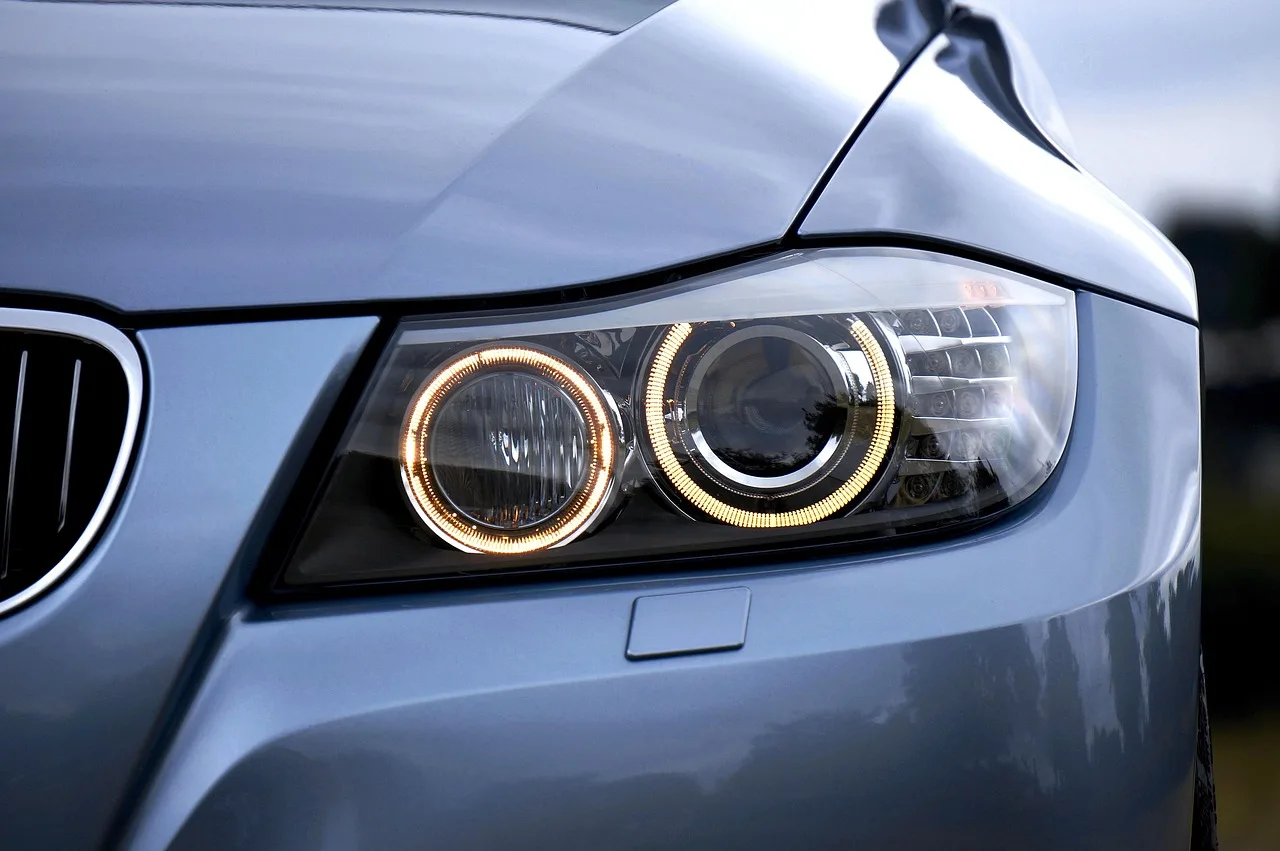
Match the product to the lens condition before you think about price. Mild haze can usually be handled with a polish-based cleaner. Moderate yellowing often needs more surface correction. Severe oxidation usually calls for sanding plus a protective finish, or the haze may come back sooner.
Meguiar’s PlastX Clear Plastic Polish is a useful comparison point here. It comes in a 10 oz bottle and is a clear plastic polish for headlight restoration, which makes it a better match for mild to moderate haze and other clear plastics than for deeply oxidized lenses.
Chemical Guys Headlight Restore & Protect fits maintenance use. GAP11516 is a 16 oz headlight restoration product positioned for light haze and maintenance, and it is the kind of no-sanding option that makes sense when the lens just needs a quick clarity boost.
UV protection matters because it helps prevent re-yellowing. A cleaner that only removes haze can look good right away, then fade fast if the car sits in strong sun. Ceramic coatings usually last longer than basic polish-only cleaners for that reason.
- Inspect the lens in daylight and check whether the problem is haze, yellowing, or visible pitting.
- Choose a no-sand polish for mild haze, a restore-and-protect kit for moderate yellowing, or a sanding kit for severe oxidation.
- Mask the painted edges before any sanding step.
- Follow the kit steps in order and apply the UV-protective finish if the kit includes one.
- Plan maintenance before the haze comes back, especially on cars parked outdoors.
Say your 2016 sedan has cloudy headlights that still look smooth to the touch. A polish-based cleaner can be enough, and a sanding kit would be extra effort for little gain. Suppose the same car has thick yellow film and visible roughness near the top edge; that is the point where a sanding kit starts to make sense.
A common first-timer mistake is assuming the cheapest headlamp cleaner will remove oxidation without checking whether it also includes the right polishing pads and UV sealant. A cheap wipe may clear the lens for a week, then the yellowing returns because there is no strong UV barrier left behind. Paying for ceramic protection can cost more up front, but it can reduce how often you repeat the job.
How do I clean foggy headlights at home?
Start with a safe inspection, then clean the lens based on the amount of damage. For light fogging, use a polish or wipe cleaner. For yellowed or rough lenses, use a restoration kit that includes sanding and a protective finish. The right method depends on the amount of oxidation, not the car model.
Work on a cool lens in the shade. Clean the surface first so dirt does not drag across the plastic. If the kit requires sanding, use masking tape around the lens and follow the sequence exactly. Finish with the protective coat if the kit includes one.
What’s the difference between a wipe kit and a ceramic kit?
A wipe kit usually focuses on fast surface cleanup and oxidation removal. A ceramic kit adds a protective layer that helps block UV damage after the lens is restored. That extra layer is the main reason ceramic kits usually outlast basic polish-only products.
Wipe kits are better for quick correction and maintenance. Ceramic kits take more steps, but they are the better choice when the headlights faded quickly the last time or the car lives outside in strong sun.
Do headlight restoration kits actually last?
Yes, but the result depends on the kit type, the lens condition, and how much UV protection it leaves behind. A polish-only cleaner may last for a short time. A kit with sanding plus ceramic protection usually lasts longer because it removes damaged plastic and seals the lens afterward.
Durability is not fixed. Mild haze on a garage-kept car may stay clear longer than the same lens on a daily driver parked outdoors. If the kit includes only a thin wipe-on protectant, expect shorter intervals before reapplication.
Which headlight cleaner works without sanding?
For no-sanding use, choose a polish or maintenance cleaner such as Chemical Guys Headlight Restore & Protect or Meguiar’s PlastX Clear Plastic Polish. These are the right match for mild haze, quick clarity boosts, or routine upkeep when the lens does not yet need surface correction.
They are not the best answer for severe oxidation. Once the lens has heavy yellowing, cloudy patches, or roughened plastic, sanding is often what separates a temporary shine from a real restoration.
Which headlight cleaner is best for severe oxidation?
3M Ultra Headlight Restoration Kit is the best fit for severe oxidation in this group because it includes sanding discs and masking tape, which lets you remove damaged surface material before refining the lens. CERAKOTE is also strong here, but 3M is the more direct heavy-cut option.
If the lens is pitted or the clear coat has failed badly, even a sanding kit may not fully recover the original look. At that point, cleaner choice matters less than the amount of plastic damage already present.
How long does headlight restoration take?
Time depends on the kit and the amount of damage. CERAKOTE is described as a 30-minute process, which is a useful benchmark for a structured kit with oxidation removal, sanding, and ceramic protection. Faster maintenance products can take less time, but they usually do less work.
Heavier oxidation takes longer because sanding and refinishing add steps. If you want a quick touch-up, pick a no-sand cleaner. If you want a result that holds up better, plan for the extra time a full restoration kit requires.
Products related to this article
Sponsored / affiliate links. As an Amazon Associate I earn from qualifying purchases. I may earn additional commission from eligible campaigns.