Odyssey Car Battery Review: Is It Worth It?
Odyssey is worth the premium if you need deep cycling, high cranking power, and fast recharge for short-trip, load-heavy driving; for a basic commuter, Optima usually makes more sense. Pick the wrong battery and you can buy capacity you will never use, or keep replacing batteries that cannot keep up with the vehicle’s electrical demand. This guide compares Odyssey with Optima by fit, performance, reserve capacity, and the driving patterns that justify the extra cost.
Verdict


Based on manufacturer specs, published product details, and buyer feedback, Odyssey makes the most sense when the vehicle needs strong starting output and meaningful reserve capacity at the same time. Optima is the safer buy when you want a premium AGM with dual-terminal flexibility and a broader dual-purpose setup, especially if the vehicle sees mixed duty rather than repeated deep discharge.
Specs at a glance
| Brand | Construction | Type | Cold cranking amps | Reserve capacity | Terminal layout | Price |
|---|---|---|---|---|---|---|
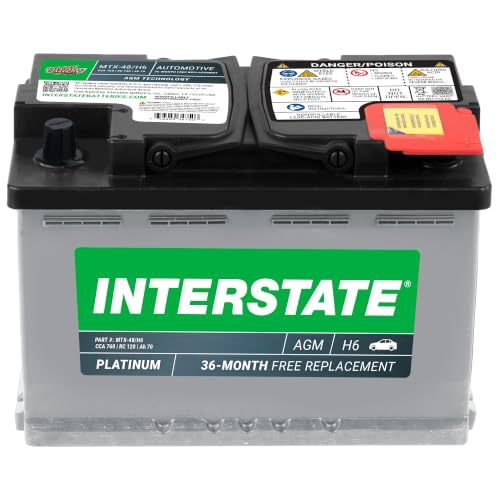
| Odyssey ODX-AGM34 Extreme Series | AGM, flat plate | Starting-focused AGM | 850 CCA | 134 minutes | Top posts plus threaded side terminals | $367.32 |
| OPTIMA D34/78 YELLOWTOP | AGM, spiral cell | Dual-purpose AGM | 750 CCA | Check the manufacturer’s listing for your model | Dual SAE and GM terminals | $319.99 |
AGM batteries use an absorbed glass mat separator between the plates and electrolyte, so they are sealed and spill-resistant. That design also lowers internal resistance, which helps recharge speed and cranking output compared with a typical flooded battery.
Flat plate and spiral cell construction is where these brands diverge. Odyssey’s flat plate layout uses more plate surface area for higher output and stronger starting duty, while Optima’s six wound cells are built around vibration resistance and broad dual-purpose use.
Who it
Odyssey fits a vehicle that needs strong starting power, meaningful reserve, and a battery that can recover quickly after short drives or repeated accessory use. Optima fits a broader set of drivers who want premium AGM construction but do not need the same emphasis on starting reserve and deep cycling.
Consumer Reports includes an Odyssey model in its current car battery test list and says it rates batteries within group sizes. It also says batteries are judged on life, reserve capacity, and cold weather performance, with cold weather testing using cranking at 0ºF. (Consumerreports) (Consumerreports)
Daily driver with higher electrical load
If your vehicle carries heated seats, audio upgrades, auxiliary lighting, winches, or other accessories, Odyssey’s stronger starting output and reserve capacity can matter more than a simple replacement battery. The real question is whether your load pattern actually uses that extra output.
Stop-start and short-trip use
Short trips are hard on batteries because the alternator has less time to restore charge. Stop-start driving adds repeated crank events and can expose weak recharge behavior. Odyssey’s fast-recharge design is useful here, but only if the vehicle’s charging system is healthy and the battery group size and terminals match.
Cold-weather starts and long reserve needs
Cold cranking amps are the number to watch when winter starting is the issue. Reserve capacity matters when the charging system fails or an accessory stays on, because it measures how long the battery can power the car in that condition. Odyssey is the stronger fit when both metrics matter.
Odyssey battery buyer matrix
| Vehicle type | Driving pattern | Electrical load | Cold-weather need | Better fit | Yes/no recommendation | Short reason |
|---|---|---|---|---|---|---|
| Daily commuter sedan | Mostly highway and mixed errands | Low | Moderate | Optima | Yes | Dual-purpose AGM is usually enough, and Odyssey can be more battery than the car needs. |
| Truck with accessories | Short trips, frequent starts | High | High | Odyssey | Yes | Higher CCA and stronger reserve capacity help when accessory draw and cold starts stack up. |
| Weekend SUV | Sits parked, then sees long drives | Moderate | Low | Optima | Yes | Vibration resistance and dual-purpose use fit mixed driving without paying for deep-cycle headroom you may not use. |
| Off-road rig | Low-speed trail use with accessories | High | Moderate | Odyssey | Yes | Flat plate construction and deeper discharge tolerance on selected models suit accessory-heavy duty better. |
| Basic commuter | Regular short trips | Low | Low | Optima | No | Premium starting reserve is hard to justify if the vehicle has ordinary electrical demand. |
Say your pickup sits outside at 10ºF and powers a plow controller, dashcam, and aftermarket audio. In that case, Odyssey’s higher starting output and reserve capacity fit the way the truck is used. The extra spend goes toward a real duty cycle, not a label.
Suppose your hatchback does three-mile errands and rarely sees accessory load. A premium AGM may still be a good replacement, but Optima is usually the cleaner buy because the vehicle is not asking for the deeper discharge tolerance that justifies Odyssey.
What works
Odyssey’s strongest point is that its flat plate AGM construction is aimed at starting duty first. Flat plate technology gives more plate surface area, which supports higher power output, better starting behavior, and stronger storage capacity than a battery built for broad compromise.
The published comparison says Odyssey dual-purpose batteries can get to 80% depth of discharge, and Odyssey marine batteries are described as capable of up to 400 cycles at 80% depth of discharge. That matters only if your use case actually dips that deep. For a normal starter battery, it should be treated as headroom, not a promise you need to use.
The sealed design is another plus. AGM construction is spill-proof, leak-proof, and maintenance-free in normal use, and its lower internal resistance helps recharge faster than flooded batteries. That is useful after repeated starts, short trips, or accessory-heavy parking.
What does not work?
Odyssey’s premium price is hard to justify for a car that mainly needs ordinary starting service. If the vehicle does not need deeper reserve capacity, high cranking output, or faster recharge behavior, you may be paying for capability you will not use.
Fitment can also change the answer. Battery group size, terminal layout, and hold-down style matter. Odyssey’s group 34/78 format and top-plus-side terminal layout may fit one vehicle cleanly and require a different choice in another. Check the manufacturer’s listing for your model before ordering.
Short-trip use, parasitic draw, and undercharging can shorten any AGM battery’s useful life. A battery that never gets a full recharge will age early, even if the brand is premium. Stop-start systems can also expose weak charging patterns, so the charging system must be healthy.
Odyssey vs Optima
| Comparison point | Odyssey | Optima | Buying takeaway |
|---|---|---|---|
| Starting power | 850 CCA on the listed model | 750 CCA on the listed model | Odyssey has the edge when cold starts and crank strength matter most. |
| Reserve capacity | 134 minutes on the listed model | Check the manufacturer’s listing for your model | Reserve capacity matters when the charging system fails or accessories stay on. |
| Deep-cycle use | Dual-purpose models can get to 80% depth of discharge | YellowTop is the closest fit for dual-purpose use | Odyssey is the stronger call if deeper discharge tolerance is part of the job. |
| Construction | Flat plate AGM | Spiral cell AGM | Flat plate favors output; spiral cell favors vibration resistance and broad use. |
| Model line | Single premium direction focused on performance | RedTop, YellowTop, and BlueTop varieties | Optima gives more line choice if your vehicle need is less specific. |
| Recharge behavior | Fast recharge is part of the appeal | Fast recharging is also a selling point | Both are good AGM choices, but battery health still depends on the charging system. |
Starting power and reserve capacity
Cold cranking amps are a low-temperature starting metric. If winter starts are the problem, Odyssey’s higher CCA on the listed model is the clearer advantage. Reserve capacity is different. It is about how long the battery can keep the car alive if charging stops or an accessory stays on.
Deep-cycle use and depth of discharge
Depth of discharge matters most when the battery is expected to be used as a dual-purpose or deep-cycle unit. Odyssey’s higher discharge tolerance on selected models is useful for vehicles with accessory use or repeated discharge-recharge cycling. Optima’s YellowTop line is the more obvious fit within its range for that mixed role.
Vibration resistance and model-line fit
Optima’s spiral cell design is known for vibration resistance and quick recharging, and its RedTop, YellowTop, and BlueTop lines give it more placement options across cars, trucks, and marine-style use cases. That does not make it better across the board. It makes it easier to match a broader set of needs.
Choose Odyssey if… / Choose Optima if…
Choose Odyssey if…
You need high cranking output for cold starts. You want stronger reserve capacity for accessory-heavy use. You have a vehicle with short-trip patterns that still demands quick recharge. You are replacing a premium AGM in a truck, off-road rig, or similar vehicle where deeper discharge tolerance has real value.
Choose Optima if…
You want a premium AGM for a mixed-use daily driver. You value spiral cell vibration resistance and a wider line of RedTop, YellowTop, and BlueTop options. You do not need Odyssey’s deeper discharge headroom. You want a lower entry price on the listed model and a more general-purpose replacement.
Should you buy it?
Odyssey is the right buy when the vehicle asks for more than generic AGM strength. If you need stronger starting output, better reserve capacity, and faster recharge behavior for short-trip or load-heavy driving, it earns its premium. If your vehicle is a plain commuter, that premium is harder to defend.
Before you order, verify group size, terminal layout, and the vehicle’s charging system requirements. Then decide whether your real problem is starting power, reserve capacity, or deep-cycle use. That split matters more than the brand name on the case.
- Check the vehicle manual for battery group size and terminal layout.
- Match the battery to the actual duty cycle: starting, reserve, or deep-cycle use.
- Inspect for short-trip habits, parasitic draw, or charging-system problems.
- Choose Odyssey for stronger starting and reserve needs, or Optima for mixed-duty use.
Frequently asked questions
Optima vs odyssey car batteries
Odyssey is the stronger fit when you need higher cranking output, more reserve capacity, and deeper discharge tolerance on selected models. Optima is the better all-around choice for many drivers because its RedTop, YellowTop, and BlueTop lines cover more mixed-use cases, with spiral cell construction aimed at vibration resistance.
Are odyssey batteries better than optima?
Neither brand is better in every case. Odyssey is better when the vehicle needs more starting power and reserve capacity, especially in cold weather or accessory-heavy duty. Optima is better when the use case is broader and you want a premium AGM with more line choices and a lower listed price on this pair.
How long does an Odyssey car battery last?
The comparison says Odyssey batteries have a longer service life of 3–10 years. That range depends on the vehicle’s charging system, how often the battery is deeply discharged, and whether the car sees short trips or parasitic draw. Premium construction does not cancel poor charging or constant underuse.
Is an Odyssey battery worth the extra cost?
It is worth the extra cost if your vehicle needs strong starting performance, high reserve capacity, or deeper cycle use that a standard AGM cannot cover well. If your car is a normal commuter with low electrical demand, the extra cost is harder to justify and Optima is usually the better buy.
Which Odyssey battery fits my car?
Check the vehicle’s required group size, terminal layout, and hold-down style before buying. The listed Odyssey model here is Group 34/78 with top posts plus threaded side terminals, but that does not mean every Odyssey battery fits every car. The manufacturer’s listing for your model is the final check.
Can Odyssey batteries handle stop-start driving?
They can fit stop-start duty better than a basic flooded battery because AGM construction recharges faster and handles repeated starts well. The catch is charging health. If the vehicle undercharges the battery or makes many short trips, any AGM can age early, so the charging system must be in good shape.
Products related to this article
Sponsored / affiliate links. As an Amazon Associate I earn from qualifying purchases. I may earn additional commission from eligible campaigns.