Hit a Pothole Now Car Makes a Clunking Noise: A Guide
Oh no, your car’s making a strange noise after you Hit a Pothole, Now Car Makes a Clunking Noise. This is a super common problem, especially for new drivers or anyone living where roads get rough. It can feel a little scary, but don’t worry! We’ll explore what’s likely happening and how to figure out what’s wrong. We’ll break it down step-by-step so you can get your car back to running smoothly. Let’s get started!
What Happens When You Hit a Pothole?
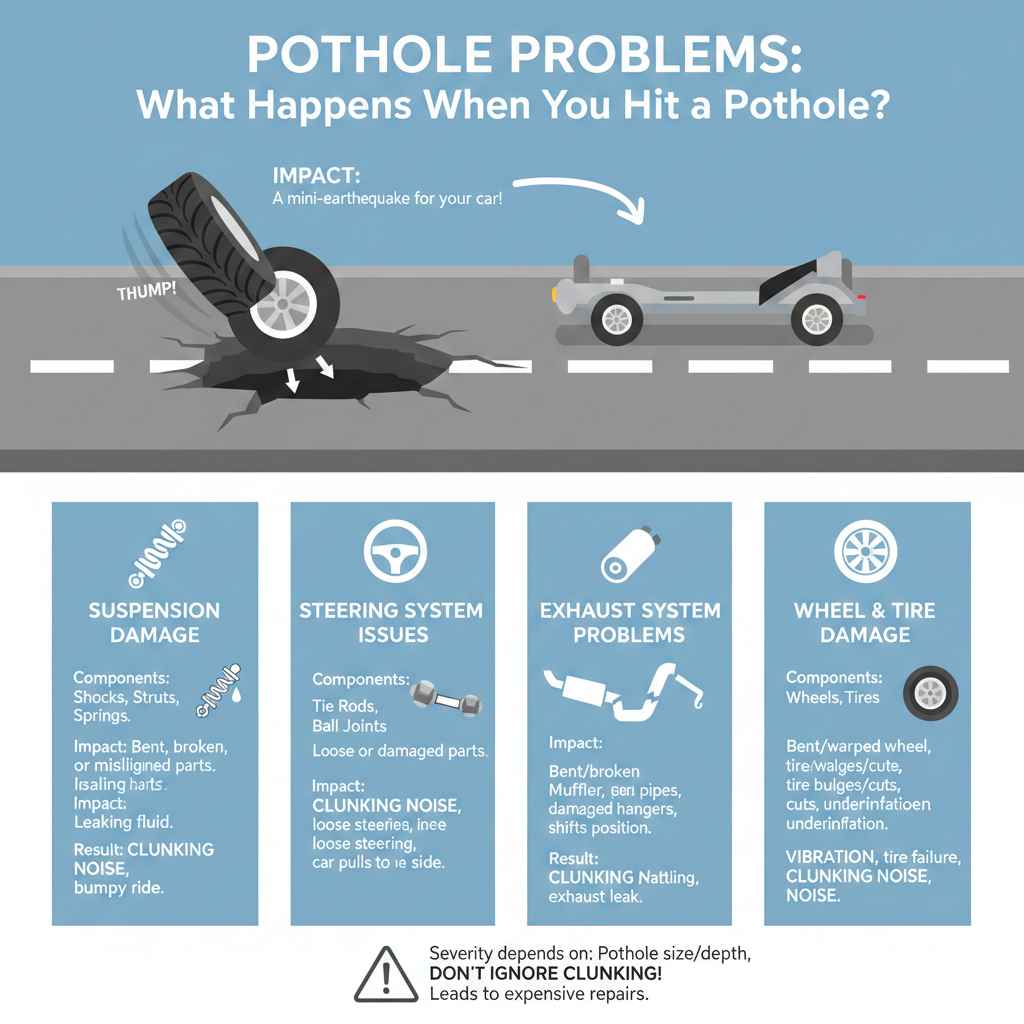
When you encounter a pothole, the impact can be pretty significant. The force of the tires dropping into the hole and then slamming back up can jar many parts of your car. It’s like a tiny, quick earthquake for your vehicle. This sudden shock is often the culprit behind that clunking noise you’re hearing. Several different components might be affected, and knowing what’s involved is a good place to begin.
The severity of the damage depends on factors like the size and depth of the pothole, your car’s speed, and the type of vehicle you drive. A small pothole at low speed might only cause a minor issue, whereas a big one at a higher speed could lead to more serious problems. The sound you hear is often the car signaling a problem in its suspension, steering, or even the exhaust system. Ignoring this sound can lead to expensive repairs later on.
Common Problems After Pothole Encounters
Suspension Damage: The suspension system, made up of shocks, struts, springs, and other parts, absorbs the impact of bumps. A pothole can damage these components, causing clunking sounds.
Shocks and struts are like the shock absorbers of your car. They control the up-and-down movement of the wheels. Springs are coils of metal that support the weight of the vehicle and compress when you go over bumps. A pothole can bend, break, or misalign these parts, making the clunking noise. They might also begin to leak fluid, which is a sign of wear.
Steering System Issues: The steering system helps you control your car’s direction. Potholes can affect the steering components, like tie rods or ball joints.
Tie rods connect the steering gear to the wheels, allowing you to turn. Ball joints allow the wheels to move up and down and pivot for steering. If these become loose or damaged from a pothole, you might feel a loose steering wheel or hear clunking. Also, you may experience problems keeping the car moving in a straight line.
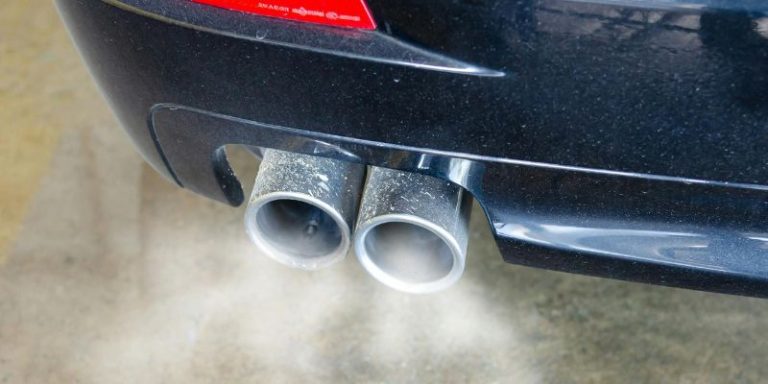
Exhaust System Problems: The exhaust system runs from the engine to the back of the car, getting rid of exhaust fumes. The pothole can knock loose or damage parts of the exhaust.
The exhaust system hangs underneath your car and consists of pipes, mufflers, and catalytic converters. A pothole might bend or break these pipes, or damage the hangers that secure the exhaust to the car, making a clunking sound. Sometimes, the exhaust can also shift and hit other parts of the car.
Wheel and Tire Damage: The wheels and tires are the first to hit the pothole, and they can be directly affected.
Wheels can be bent or warped by the impact, which will make the car vibrate and might cause the clunking. Tires can develop bulges or cuts, which can lead to tire failure. Proper tire pressure also plays an important role. Driving on underinflated tires increases the risk of damage.
Pinpointing the Source of the Clunking After Hitting a Pothole
To fix the “Hit a Pothole, Now Car Makes a Clunking Noise” problem, you need to find out exactly where the sound is coming from. This part can be a little like detective work, but it’s important to figure out what’s going on. The location of the sound helps you narrow down the issue. Listen carefully when you’re driving, and pay attention to when the sound happens to help you find the source of the problem. If you can, take the car to a mechanic for a professional checkup. They have the equipment and know-how to find the problem.
Think about the conditions that create the clunking sound. Does it only happen when you go over bumps or potholes? Does it happen when you turn the steering wheel? Does the noise change as you go faster or slower? All this information will help you find where the problem lies. Also, you should visually inspect your car to see if you can see any obvious damage. If you don’t feel sure, getting your car checked by a professional is always a good idea.
Ways to Diagnose the Noise
Listen Carefully: When you start hearing the clunking, pay close attention to where the noise is coming from. Does it seem to come from the front, the back, or the middle of the car? Does it sound like it’s coming from the left or right side?
The side from where the noise originates might indicate the location of the problem. For example, a clunking on the front-right side could mean that the right front suspension is damaged. Try to identify whether the sound is regular or random, loud or soft. Also, try to note when the sound occurs, like when you’re turning or braking.
Test Drive in Different Conditions: Go for a test drive on various road surfaces. Drive on bumpy roads, over speed bumps, and around turns. See if the sound changes or gets louder in particular situations.
This will help you link the clunking sound to a specific part of the car. For example, if you hear the noise only when turning, the problem might be in the steering system or the suspension. If the noise happens when you go over bumps, it’s likely a problem with the suspension components. Varying the speed may change the nature of the clunk.
Visual Inspection: If you feel sure and safe to do so, inspect the car yourself. Check the tires for bulges or cuts, and look for any broken or damaged parts under the car. If you can, safely jack up the car (use jack stands for safety!) and check the suspension components, steering parts, and exhaust system.
Look for any obvious signs of damage, like bent parts, leaks, or loose connections. Inspect the exhaust system hangers. Look at the tires and wheels for damage. This can tell you a lot about where the problem might be. If you’re not sure, it’s always better to get a professional to do this.
Professional Check: The best way to make sure you find the problem is to take your car to a mechanic. They’ll use their experience and equipment to find the cause of the clunking noise.
They can lift the car and thoroughly inspect all the parts that may have been affected. They can also perform tests, like a suspension test, to check for worn parts. A professional inspection helps make sure you don’t miss anything and that the problem is fixed correctly. Sometimes a minor problem can be very hard to spot without the right tools.
Getting Your Car Fixed After Hitting a Pothole
Once you find out what’s causing the clunking sound after you Hit a Pothole, Now Car Makes a Clunking Noise, you can get it fixed. The fix will depend on the damage. Simple problems might be an easy fix, but more complicated issues might cost more and take longer. Sometimes, you can handle simple repairs yourself, but for safety’s sake, it’s often best to let a professional mechanic handle the repairs.
If you’re unsure about anything, always get the advice of a qualified mechanic. They can inspect the damage and suggest the best way to move forward. They’ll tell you what needs fixing, how long it will take, and how much it will cost. Getting things repaired sooner rather than later helps prevent the problem from getting worse, keeping you and your passengers safe.
Repair Options
Suspension Repairs: If the damage is in the suspension, you might need new shocks, struts, springs, or other parts.
Replacing these parts can make your car ride smoothly again. The cost will depend on the type of car and the parts that need to be replaced. Ensure the mechanic uses quality replacement parts so you can be sure the repair is durable. Replacing the suspension parts will also help keep your tires in good shape, saving money on tire replacements.
Steering System Repairs: If the steering system is damaged, you might need to replace tie rods, ball joints, or other components.
A damaged steering system can affect your car’s handling and make it difficult to control. Make sure the mechanic aligns your wheels after the repairs to make sure your car drives straight. Make sure the mechanic checks all parts of the steering system to avoid future problems.
Exhaust System Repairs: If the exhaust system is the issue, you might need to fix or replace pipes, mufflers, or hangers.
Exhaust system issues can cause your car to be louder and can also reduce its performance. Ask the mechanic to make sure the exhaust system is sealed properly after the repairs to prevent any leaks. Always get these issues addressed to avoid more complex problems.
Tire and Wheel Repairs: If your tires or wheels have been affected, you might need new tires or have your wheels repaired or replaced.
Driving on damaged tires or wheels can be dangerous. It can lead to tire failure or loss of control of your car. If the wheel is slightly damaged, it might be possible to get it repaired. If the damage is more serious, it is important to
Other Repairs: It’s possible that the pothole damaged other parts of your car, such as undercarriage covers or other shields.
Your mechanic might find other issues, so they should perform a complete inspection to ensure the car is safe to drive. Be sure to ask the mechanic to give you a full report and explain all the repairs that were done. When all the repairs are completed, take your car for a test drive to make sure the noise is gone and that the car feels good to drive.
Preventing Future Pothole Problems
While you can’t always avoid potholes, there are steps you can take to lower the chance of issues. Good driving habits and taking care of your car can help you prevent clunking noises. Being alert and keeping your car well-maintained will go a long way in protecting your vehicle. Being prepared and following good driving practices may save you money in the long run.
Driving with care and taking preventative measures will help you avoid problems from potholes. Knowing what to do when you see a pothole, and keeping up with regular car maintenance, can make a real difference in how your car performs and the cost of ownership. These actions will help you protect your car and stay safe on the road.
Best Practices for Avoiding Pothole Damage
Watch the Road: Pay close attention to the road ahead. Look for potholes, cracks, and other hazards.
Be aware of your surroundings, especially in areas where potholes are common. Stay alert and plan ahead to avoid these dangers. Keep your eyes peeled and notice any warning signs of potholes, such as areas where the pavement looks damaged. This simple step can save you a lot of trouble. Try to avoid following other cars too closely, so you have time to see and react to any road hazards.
Adjust Your Speed: Slow down when you see potholes, especially when you can’t steer around them.
Reducing your speed gives your tires and suspension more time to respond. It also lowers the impact of hitting the pothole, which helps lower the chance of damage. Even small adjustments in speed can make a big difference in avoiding damage. Make sure you adjust your speed according to road conditions, such as during rain or snow.
Steer Carefully: If you can, steer around potholes to avoid hitting them directly.
When you spot a pothole, steer your car to go around it. Be sure to look around and make sure that it’s safe to do so. Watch out for oncoming traffic, pedestrians, and cyclists. Sometimes, it’s safer to go over a small pothole than to swerve into another lane. Always make safety your primary concern.
Maintain Your Tires: Keep your tires properly inflated and in good condition. Check your tire pressure regularly.
Tires are the first line of defense against potholes. Keeping them properly inflated helps protect your wheels and suspension. Replace your tires when they wear down. Get them rotated regularly to make sure they wear evenly. If your tires are in good shape and properly inflated, they will better absorb the impact of potholes. Properly inflated tires can reduce the risk of flat tires and other damage.
Regular Maintenance: Have your car regularly checked by a mechanic. This is to make sure your suspension and steering systems are in good shape.
Regular maintenance will help to catch any potential problems before they get worse. A mechanic can spot worn parts or other issues before they cause clunking or other problems. Following the manufacturer’s recommended service schedule is a good plan. Doing so can prevent costly repairs down the road and extend the life of your car.
Frequently Asked Questions
Question: What’s the first thing I should do if my car makes a clunking noise after hitting a pothole?
Answer: The first thing you should do is to safely pull over to the side of the road and assess the situation. Listen carefully to where the noise is coming from and check for any obvious damage like flat tires or parts that are hanging down.
Question: Can I drive my car if it’s making a clunking noise after hitting a pothole?
Answer: It’s best to drive the car as little as possible until you can have it checked by a mechanic. The noise might indicate damage that could get worse if you keep driving.
Question: How much does it usually cost to fix damage caused by potholes?
Answer: The cost varies widely. It depends on the extent of the damage. A simple issue might cost a few hundred dollars, while more serious problems can cost thousands.
Question: Can I fix the damage from hitting a pothole myself?
Answer: Some minor issues, such as a flat tire, might be something you can fix. But for anything more complex, it’s safer to have a professional mechanic check and fix the damage.
Question: How often should I have my car’s suspension system checked?
Answer: You should have your car’s suspension checked during your regular maintenance appointments, usually every year or every 12,000 miles. However, if you hit a pothole or feel anything unusual, get it checked out sooner.
Final Thoughts
Dealing with the “Hit a Pothole, Now Car Makes a Clunking Noise” issue can feel like a setback, but with a little knowledge, you can take control. You’ve learned about the most likely causes, like suspension and steering problems, and how to identify where the noise is coming from. Remember to listen carefully, check for visible damage, and get a professional opinion when needed. By taking action and following the best practices, like watching the road and keeping your car in good shape, you’re protecting your vehicle from harm. You can confidently address the situation and get back on the road safely and soundly.