Honda Odyssey Snow Driving Tips: A Real-World Owner’s Survival Guide
The first snowstorm of the year always brings the same scene: a minivan, wheels spinning uselessly, blocking the exit of a parking lot. It’s usually a Honda Odyssey. You sit there, gripping the wheel, wondering if the family hauler you bought for soccer practice and road trips is actually going to get you home. The truth is, the Odyssey is a capable winter vehicle, but it has specific quirks you need to understand.
This guide is built from real owner experiences, not just spec sheets. We’ll cover how the front-wheel drive and all-wheel drive versions actually behave, the exact driving techniques for deep snow versus ice, and the maintenance steps you should take before the temperature drops. You’ll walk away knowing exactly how to handle your van in the worst conditions, and what gear is worth the money.
SCC
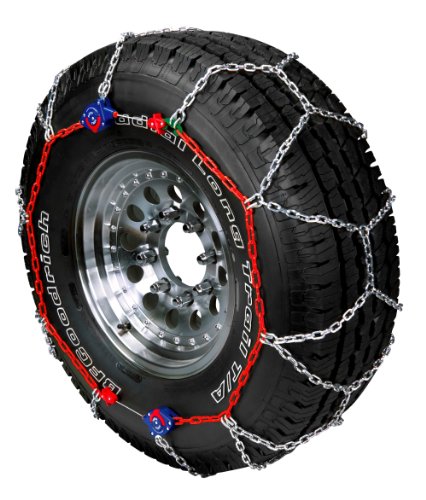
SCC Peerless 0232605 Auto-Trac Light Truck/SUV Tire…
- Worry-free self-tightening ratchets provide automatic tightening and centering
- Easy installation and removal in minutes
- Do not exceed 30 MPH with these chains on
One of the first things you should consider is a set of quality tire chains. The SCC Peerless Auto-Trac traction chains are a solid choice for emergency situations. They feature a self-tightening ratchet system that centers itself on the tire, so you don’t have to wrestle with them in the freezing cold. They’re not for everyday driving, but they can get you out of a driveway or up a steep hill when the snow is deeper than expected.
Is the Honda Odyssey Actually Good in Snow? (The Honest Verdict)
Yes, but with conditions. The Odyssey is not a truck, and it doesn’t have the ground clearance of an SUV. What it does have is a decent amount of weight over the front wheels, which is exactly where the drive wheels are. This gives it a natural advantage over some lighter cars. The standard front-wheel drive layout works well on packed snow and slush, provided you have the right tires.
Where it struggles is in deep, unplowed snow. The low front bumper acts like a plow, pushing snow ahead of the van and robbing momentum. You’ll also feel the limits of the Vehicle Stability Assist (VSA) and traction control systems. They work hard to keep you straight, but they can’t defy physics. If you’re asking for grip that isn’t there, the electronics will just cut the throttle and leave you stuck.
Owners in the Northeast and Midwest report that with a good set of winter tires, the Odyssey is a reliable daily driver. It’s not fun, and you won’t be passing anyone, but it will get you where you need to go safely. The minivan handling is predictable, which is more than you can say for some rear-wheel drive sedans.
How the Odyssey’s FWD and AWD Systems Handle Winter Roads
Honda offers the Odyssey in both front-wheel drive (FWD) and all-wheel drive (AWD) configurations depending on the model year. The FWD version is the most common. It puts all the engine’s power to the front wheels. In snow, this means the weight of the engine sits right on top of the drive wheels, giving you good initial traction. The downside is that when you accelerate hard, the nose can push wide (understeer). You need to be gentle with the throttle.
The AWD system, often called Intelligent Traction Management, is a different beast. It can send power to the rear wheels when it detects slip. This helps you get moving from a stop and provides more stability when you’re climbing a slippery hill. However, it’s not a magic switch. The system needs a fraction of a second to react, and it still relies on the same tires for grip. An AWD Odyssey with all-season tires will often be beaten by a FWD Odyssey with dedicated snow tires.
Here is the key thing: AWD helps you go, but it does nothing for braking. Every Odyssey, regardless of drivetrain, has the same braking system. The ABS will pulse the brakes to prevent lockup, but the stopping distance is determined by your tires. On ice, you need all the help you can get.
The 3 Biggest Winter Weaknesses (and How to Fix Them)
Every vehicle has its weak points. Here’s what you’re dealing with on an Odyssey.
- Low Ground Clearance: The Odyssey sits low. This is great for aerodynamics and getting kids in and out, but it’s terrible for deep snow. Once the snow is higher than the bumper, you’re essentially a snowplow. The fix is to avoid unplowed roads, and if you can’t, carry a shovel and traction mats.
- Open Differential: The front differential sends power to the wheel with the least resistance. If one front wheel is on ice and the other is on pavement, the van will just spin the icy wheel. The traction control system will try to brake that spinning wheel, but it’s not always effective. The fix is to apply gentle, steady throttle and let the system work. Sometimes, a little bit of wheel spin is needed to clear the treads and find grip.
- Cold Weather Battery Strain: The Odyssey has a big V6 engine to crank, and cold temperatures thicken the oil. A weak battery will struggle. The fix is to have your battery tested before winter. If it’s over three years old, you should consider a replacement. Cold weather battery failure is the number one cause of no-start complaints in January.
Snow Tires: The Single Best Upgrade You Can Make
If you only do one thing to prepare your Odyssey for winter, buy snow tires. This is not a suggestion; it’s the answer. All-season tires become hard and brittle in freezing temperatures. They lose grip on ice and packed snow. A dedicated winter tire uses a softer rubber compound that stays pliable in the cold, and its deeper tread pattern is designed to bite into snow and channel away slush.
The difference is night and day. A van with snow tires will stop shorter, turn better, and accelerate more confidently than a van with all-seasons. It’s the difference between white-knuckle driving and a relaxed commute. Consider the cost of a set of tires versus the cost of a fender bender or a tow truck. It’s a no-brainer.
Studless vs. Studded vs. All-Weather Tires
You have a few options when it comes to winter rubber.
- Studless Winter Tires: These are the modern standard. They use advanced rubber compounds and micro-grip technology to bite into ice without metal studs. They are quiet on dry pavement and very effective in snow and slush. Brands like Blizzak and X-Ice are popular choices.
- Studded Tires: These have metal studs embedded in the tread for maximum ice grip. They are the best on pure ice, but they are loud, they wear quickly on dry pavement, and they are illegal in some states. Unless you live on a hill that never gets plowed, you probably don’t need them.
- All-Weather Tires: These are different from all-season tires. They carry the Three-Peak Mountain Snowflake symbol, meaning they meet specific snow traction standards. They are a compromise. They offer better snow performance than all-seasons but aren’t as good as a dedicated winter tire. They do save you the hassle of swapping tires twice a year.
Recommended Tire Pressure for Cold Weather
Tire pressure drops about 1 PSI for every 10 degrees Fahrenheit the temperature drops. That’s a significant amount. Under-inflated tires wear faster, increase fuel consumption, and handle poorly. The recommended pressure for the Odyssey is usually around 35 PSI for the front and 33 PSI for the rear, but you should check the sticker on the driver’s side door jamb. Do not use the pressure listed on the tire sidewall; that’s the maximum, not the recommended.
Check your tire pressure at least once a month during winter, and always check when the tires are cold (before you’ve driven). The TPMS (Tire Pressure Monitoring System) light might come on after a sudden cold snap. That’s normal. Just add air to get back to the recommended level.
Driving Techniques for Deep Snow, Slush, and Ice
Driving in winter isn’t about heroics; it’s about smooth inputs. You need to adjust your technique based on the surface you’re on.
The ‘Slow and Smooth’ Principle
Think of your inputs as a dial, not a switch. Turn the steering wheel gradually. Press the accelerator pedal gently. Apply the brakes with a light, steady foot. Any sudden movement can break traction. In deep snow, you need momentum. Use a higher gear if you have a manual mode, or just let the transmission do its thing. Keep the van rolling. Stopping in deep snow is hard, and starting again is harder.
In slush, the danger is hydroplaning. Slush is basically a layer of water on top of the road. At speeds above 35 mph, your tires can lose contact with the pavement and ride on top of the water. The steering will feel light and floaty. If that happens, ease off the gas and slow down gradually. Do not slam on the brakes.
On ice, the only thing that works is patience. Black ice is especially nasty because you can’t see it. It looks like wet pavement. If you feel the van start to slide, don’t panic. Look where you want to go, and steer smoothly in that direction.

How to Recover from a Slide or Spin
When the rear end steps out, your instinct is to slam on the brakes. That’s the worst thing you can do. It will lock the wheels and send you into a spin. Instead, take your foot off the gas and steer into the slide. If the rear is sliding to the right, turn the wheel to the right. This aligns the front wheels with the direction of travel and helps the rear end catch up.
The Odyssey’s Vehicle Stability Assist will kick in and apply individual brakes to help straighten the van. Let it do its job. Don’t fight the system. The goal is to keep the nose pointing straight. Once you regain control, gently apply the throttle to stabilize the van.
Getting Unstuck: A Step-by-Step Guide
So you’re stuck. It happens to the best of us. Here’s how to get out without calling a tow truck.
- Turn off the traction control. There is usually a button on the dash. This allows the wheels to spin freely, which can help you rock the van out.
- Shovel the snow away from the front tires. You need to clear a path. Dig out the snow in front of the drive wheels and under the bumper. The lower the resistance, the better.
- Use a traction aid. Place traction mats, sand, or even a floor mat under the drive wheels. This gives the tires something to bite into.
- Rock the van. Shift between Drive and Reverse, gently. Use the van’s momentum to swing back and forth. As you rock, the motion creates a larger space and helps you build momentum to climb out.
- Use a steady throttle. Once you feel the tires grab, apply steady, gentle pressure. Don’t floor it. Wheel spin will just dig you deeper.
Winterizing Your Odyssey: A Pre-Storm Checklist
Don’t wait until the first snowflake falls to think about maintenance. A little prep work saves you a lot of headaches.
- Coolant: Check the coolant level and its condition. Honda recommends a specific type of coolant (usually blue or pink). Make sure it’s rated for the coldest temperatures you expect. A 50/50 mix of coolant and water is good down to about -34 degrees Fahrenheit.
- Wiper Fluid: Use a winter-rated washer fluid that won’t freeze. The standard blue stuff will turn to slush on your windshield at 20 degrees. Get the -20 or -30 degree rated fluid.
- Battery: As mentioned, get it tested. Check the terminals for corrosion and make sure the connections are tight.
- Wiper Blades: Replace them if they are older than six months. Winter wiper blades have a rubber boot that prevents ice from building up on the frame.
- Heated Seats: If you have them, test them. They are a lifesaver on cold mornings. If they don’t work, it’s usually a simple fuse or relay issue.
- Emergency Kit: Put together a small kit: a flashlight, a blanket, a portable phone charger, a small shovel, an ice scraper, and some snacks. Throw it behind the third row. You’ll be glad you have it if you get stuck.
Loading Your Van for Maximum Traction
How you load the van matters more than you think. The Odyssey is front-wheel drive (or AWD), but the weight distribution changes how it handles. In a FWD van, the front wheels do all the work. If you load heavy cargo in the rear, you lift weight off the front wheels, reducing traction. This makes the steering feel light and increases the chance of wheel spin.
Keep heavy items as far forward as possible. Put the heavy cooler or luggage behind the second row, not in the cargo area behind the third row. If you have passengers, they are naturally sitting over the rear axle, which is fine. The goal is to keep the nose planted. Some owners add sandbags or cat litter to the rear cargo area to add weight, but this only helps in a rear-wheel drive car. In the Odyssey, you want weight over the front wheels, not the rear.
Real Owner Experiences: What Works and What Doesn’t
I’ve spoken to owners who drive their Odysseys through brutal Canadian winters. The consensus is clear: the van is a tank with the right tires. One owner, a father of three from Minnesota, said his 2026 Odyssey with Blizzaks handles better than his old rear-wheel drive pickup truck did. He mentioned the 2026 Honda Odyssey weak acceleration in snow is a real issue, but only when the traction control is left on. Turning it off and using a gentle foot makes a world of difference.
Another owner from Colorado noted that the AWD system is great for steep driveways, but the low ground clearance is a constant worry. He scrapes the front bumper on the snow bank at the end of his driveway every time it snows. He keeps a can of silicone spray to keep the plastic bumper from cracking in the cold.
The most common complaint isn’t about the driving dynamics; it’s about the visibility. The large pillars and low seating position can make it hard to see around corners when snowbanks are high. You have to be extra cautious at intersections. This is a case where the minivan handling is safe, but you need to rely on your mirrors and turn your head more than you would in a taller vehicle.
Frequently Asked Questions (FAQs)
Does the Honda Odyssey have a snow mode?
Some newer AWD models have an Intelligent Traction Management system with a ‘Snow’ mode. This adjusts the throttle response and transmission shift points to reduce wheel spin. It’s a helpful feature, but it doesn’t replace the need for winter tires. You can still get stuck with snow mode on if you have the wrong rubber.
Can I use tire chains on my Odyssey?
Yes, but you need to be careful. You should only use chains on the front tires, as they are the drive wheels. The owner’s manual recommends using chains only on the front wheels and not exceeding 30 mph. Make sure you get the right size for your tire. The SCC Peerless chains are a good option because they are easy to install. Keep in mind that chains can be affected by the age and tread type of your tires, so it’s best to do a test fit in your driveway before you need them on the road.
Is AWD worth the extra money on an Odyssey?
Only if you live in an area with frequent, heavy snow and steep hills. For most people, a FWD Odyssey with a set of snow tires is more capable than an AWD Odyssey with all-season tires. AWD adds weight, reduces fuel economy, and costs more upfront. If you value peace of mind for the occasional bad storm, AWD is nice, but it isn’t a necessity.
How much does it cost to winterize an Odyssey?
It depends on what you need. A set of steel wheels and snow tires will cost around $800 to $1,200. A winter emergency kit with a shovel, blanket, and traction mats is about $100. A battery replacement is around $150. Compare that to the cost of a single accident, which can easily be $1,500 for a fender bender or $500 for a tow. The investment is worth it.
Why does my Odyssey’s traction control light keep flashing?
That’s normal. The light flashes when the system is actively working to reduce wheel spin. It means the system is detecting a loss of traction and is applying the brakes or cutting engine power to help you maintain control. If the light stays on solid, it means there is a fault in the system, and you should have it checked by a mechanic.
Final Verdict: Is It Safe for Your Family?
The Honda Odyssey is safe for your family in the snow, provided you treat it with respect. It’s not an off-road vehicle. It’s a heavy, capable minivan that excels when equipped with the right tires and driven with smooth inputs. The key takeaways are simple:
- Invest in a set of dedicated snow tires. This is the single most important upgrade.
- Understand the difference between FWD and AWD. Don’t rely on AWD to save you.
- Drive slow and smooth. Avoid sudden acceleration, braking, or steering.
- Learn how to recover from a slide and how to get unstuck before you need to do it.
- Check your tire pressure, coolant, and battery before the first cold snap.
- Load heavy cargo over the front wheels, not the rear, to maximize traction.
- Keep a winter emergency kit in the back. It’s better to have it and not need it.
There are also some things to keep in mind regarding the interior and accessories. For example, if you’re dealing with a lot of snow and wet gear, you might want to check out some Honda Odyssey seat covers to protect your upholstery. And if you’re planning a winter road trip, you should know what the Odyssey can tow to make sure you don’t overload the van. Winter driving is about preparation and patience. Get those two things right, and your Odyssey will get you and your family through the worst of the season.
Products related to this article
Sponsored / affiliate links. As an Amazon Associate I earn from qualifying purchases. I may earn additional commission from eligible campaigns.