Hot Wheels vs Matchbox: Which One Fits You Best Today?
Hot Wheels is usually the better buy for racing and stunts, while Matchbox is usually better for realism, display, and everyday play. I would steer a track kid to Hot Wheels and a shelf collector to Matchbox. Mix the two up, and you can end up with cars that stall on loops or a lineup that looks too toy-like for the display shelf.
This guide is part of our Cars in pop culture series.
| Decision factor | Hot Wheels | Matchbox | Winner |
|---|---|---|---|
| Track racing | Built around speed, stunt tracks, loops, and jumps; more track-first castings | Can run on track, but the lineup is less centered on stunt play | Hot Wheels |
| Realism | Bright colors and exaggerated designs, with more fantasy and stylized models | Realistic designs, everyday vehicles, service units, and emergency vehicles | Matchbox |
| Display | Fun on a shelf, especially for themed fantasy or sports-car rows | Looks more like traffic, fleets, and a small roadside scene | Matchbox |
| Gifting and starter collecting | Excites kids who want color, speed, and track play | Fits buyers who want road cars, work vehicles, or a calmer starter lot | Tie |
| Mixed-value collecting | Stronger for fantasy castings, themed sets, and some rare chase pieces | Stronger for realism-focused collectors and diorama builders | Tie |
Hot Wheels vs Matchbox: what is the core trade-off?


Hot Wheels is the pick for speed, stunt tracks, and flashy castings. Matchbox is the pick for realism, display, and everyday vehicle themes. If the goal is racing, Hot Wheels usually wins. If the goal is a shelf that reads like a road scene, Matchbox usually wins.
Which buyer type fits each brand?
| Buyer type | Hot Wheels | Matchbox | Winner |
|---|---|---|---|
| Track racer | Strong fit | Usable, but less track-centered | Hot Wheels |
| Realism-focused collector | Less aligned with the brief | Strong fit | Matchbox |
| Gift buyer | Good for high-energy kids | Good for vehicle fans and road-car kids | Tie |
| Starter collector | Good entry point | Good entry point | Tie |
Why both can be the right buy
Both lines are Mattel die-cast toy cars, and both appeal to kids and collectors. The trap is treating them as twins. A track kid, a diorama builder, and a carded collector want different things from a 1:64 car.
According to thisvsthat.io — Hot Wheels was introduced by Mattel in 1968.
What is the difference between Matchbox and Hot Wheels?
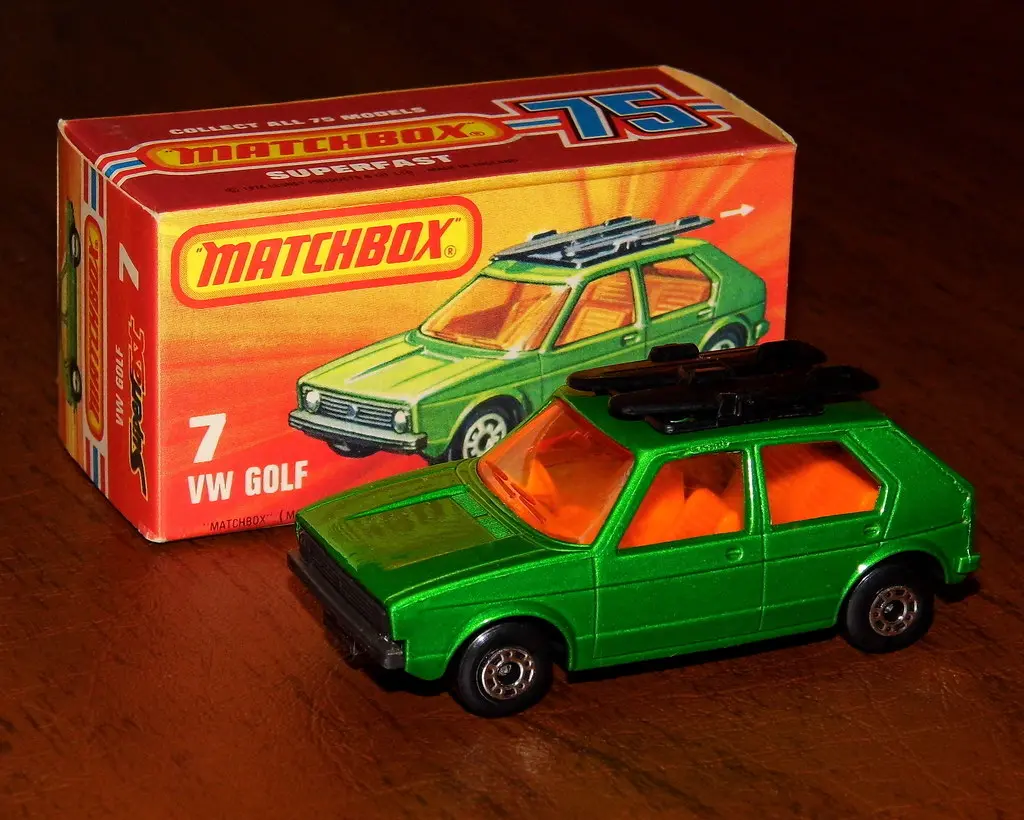
Hot Wheels was introduced by Mattel in 1968, while Matchbox was introduced in 1953 and has been owned by Mattel since 1997. Hot Wheels leans into bright colors and exaggerated designs; Matchbox leans into realistic designs, everyday vehicles, and service or utility models. (en.wikipedia.org)
Brand origin and ownership
Matchbox started in the United Kingdom and came first by a wide margin. Hot Wheels arrived later as a Mattel die-cast brand built around a more performance-minded, stylized look. That timeline still shows in the current lineups.
Design language and vehicle mix
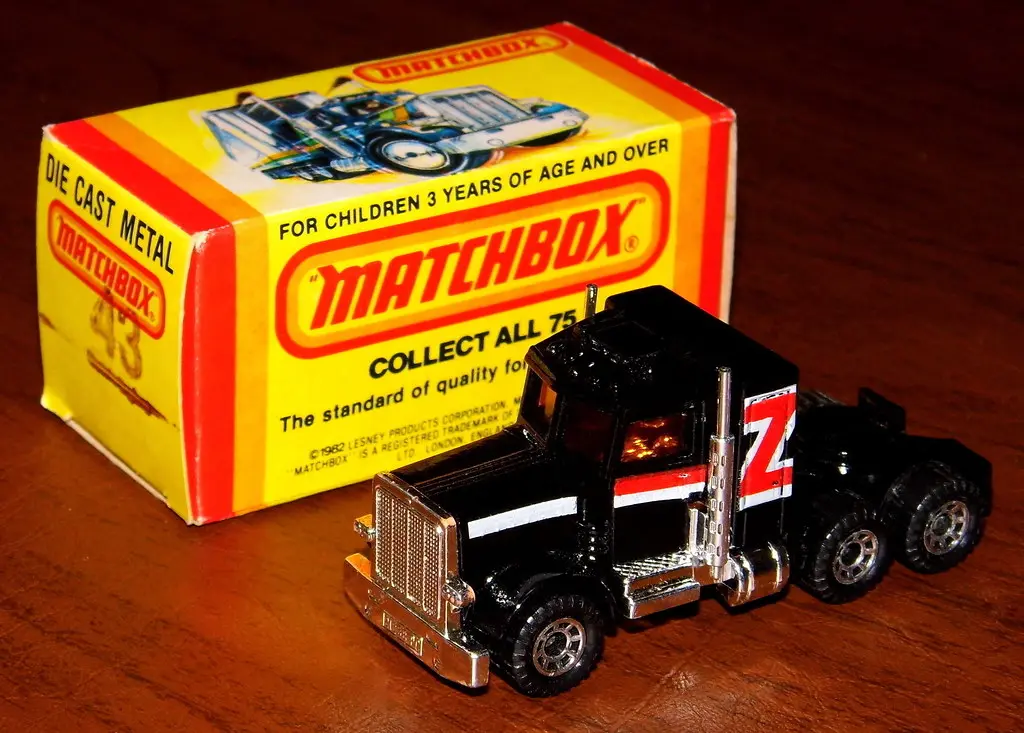
Hot Wheels usually favors sports cars, fantasy castings, and cars with visual drama. Matchbox more often points toward road cars, work trucks, service fleets, and emergency units. One competitor summary puts it plainly: Matchbox cars are made for realism and everyday vehicles, while Hot Wheels leans into unique graphics and enhanced versions.
Materials and rolling feel
Both brands use die-cast metal bodies with plastic components, but wheel and axle quality can change how a car rolls. That matters more than buyers expect. A car that looks fast can still be slow on track if the wheels drag or the axle sits poorly.
Which is better for size, scale, and display fit?
Both brands are listed as 1:64 scale, but that label does not guarantee identical physical fit. On a shelf, the width may look close while a Hot Wheels casting can still feel taller, longer, or heavier than a Matchbox car. For display, the shape matters as much as the scale tag.
Are Hot Wheels and Matchbox the same scale?
They are commonly sold as 1:64 scale, so mixed shelves usually work. That said, scale labels in toy die-cast are approximate in practice. One model can be closer to a low sedan, while another is stretched upward with a big spoiler, a higher roofline, or oversized bodywork.
Why two cars with the same label can still look different
Matchbox usually tries to stay close to road proportions. Hot Wheels often changes proportions for style and play. That is why a shelf that mixes them can look fine in width yet feel uneven in height and stance.
When Hot Wheels castings feel larger
Some Hot Wheels cars are taller, longer, or heavier than comparable Matchbox models. That is not a defect. It is a design choice, and it matters when you want a neat traffic row, a garage scene, or a diorama with real-world proportions.
Are Hot Wheels and Matchbox compatible with the same tracks?
Hot Wheels tracks are the natural home for Hot Wheels cars, especially stunt tracks, loops, and jumps. Matchbox cars can often run on the same tracks with little difficulty, but tall, heavy, or awkward castings may slow down, bottom out, or fail more easily on extreme layouts.
What makes some cars struggle on track?
Wheelbase, ground clearance, and weight distribution matter more than the brand name on the card. A low, smooth Hot Wheels casting will usually behave better on loops than a tall fantasy truck. A Matchbox vehicle with a boxy body or utility shape can also lose speed on fast stunt runs.
Can Matchbox cars run on Hot Wheels track?
Yes, often they can. One competitor says both brands can be used on the other company’s toy tracks with little difficulty. The catch is simple, can is not the same as perform well. Track racing rewards low drag, stable axles, and a shape that does not snag.
Which Hot Wheels castings cause trouble?
Taller fantasy cars, long-bodied vehicles, and heavier castings are the usual problem cases. They may fit on the track connector but lose speed through loops or jump sections. If the track has sharp stunt elements, the most stylized Hot Wheels models are not always the best runners.
Buyer decision matrix: which brand wins each use case?

For track racing, Hot Wheels wins. For realism, Matchbox wins. For display and mixed-value collecting, the answer depends on the niche, the box condition, and whether the buyer wants a toy line or a miniature vehicle lineup that looks like traffic.
Track racing
Hot Wheels: 9/10 — It is built around speed, stunt tracks, loops, and jumps. Matchbox: 6/10 — It can work on track, but the lineup is not as track-first. Winner: Hot Wheels. If the main goal is racing, start there.
Realism
Hot Wheels: 5/10, Stylized, flashy, and often fantasy-forward. Matchbox: 9/10, Realistic road cars, service vehicles, and emergency units fit the brief. Winner: Matchbox. If the buyer wants roads, fleets, or a diorama, Matchbox is the cleaner choice.
Display
Hot Wheels: 6/10, Good for themed rows and fantasy shelves. Matchbox: 9/10, Better when the shelf should read as traffic, municipal vehicles, or a miniature city. Winner: Matchbox. For static display, realism usually looks more convincing.
Gifting and starter collecting
Hot Wheels: 8/10, Strong kid appeal, especially for racing and bright designs. Matchbox: 8/10, Strong for kids who like trucks, rescue vehicles, and ordinary cars. Winner: Tie. For a gift, the right brand is the one that matches the child’s current obsession.
Mixed-value collecting
Hot Wheels: 8/10, Better for fantasy fans, themed releases, and some rare models. Matchbox: 8/10, Better for realism collectors, service-vehicle fans, and diorama builders. Winner: Tie. Collector value depends on rarity, condition, and whether the car is still carded.
What value really means
Retail price, resale price, and collector value are different questions. A cheap store find may have little aftermarket value. A rare model in sealed condition can be worth much more, while the same car opened loose may lose part of that premium.
Choose Hot Wheels if… / Choose Matchbox if…
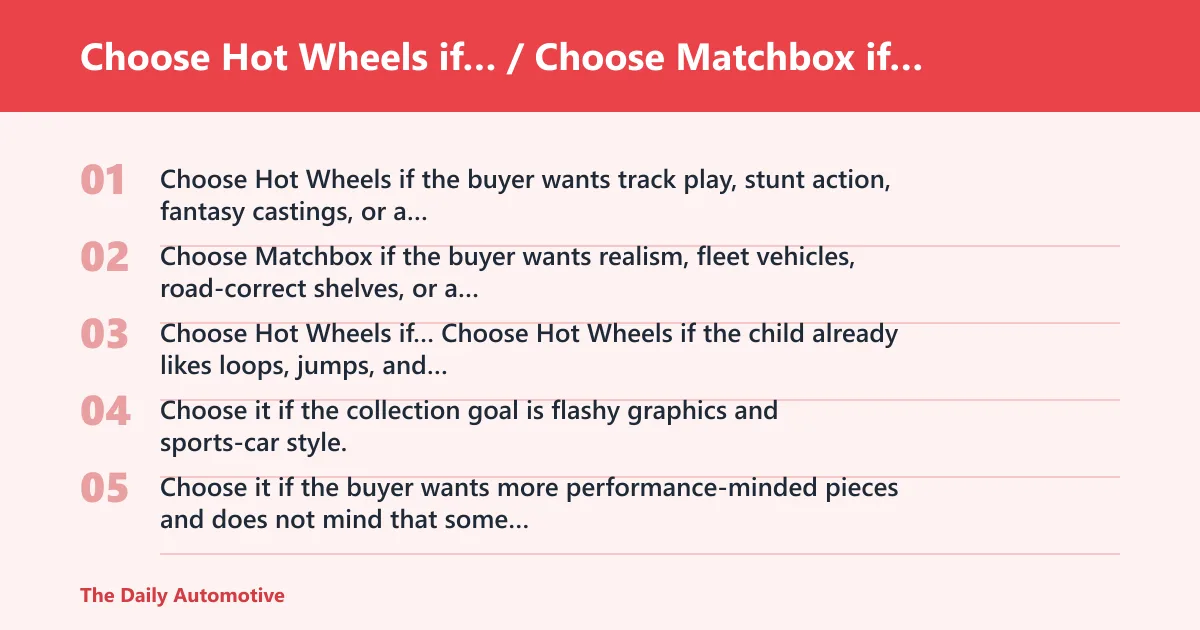
Choose Hot Wheels if the buyer wants track play, stunt action, fantasy castings, or a gift that feels energetic straight out of the package. Choose Matchbox if the buyer wants realism, fleet vehicles, road-correct shelves, or a starter pile that looks like a miniature city rather than a toy garage.
Choose Hot Wheels if…
Choose Hot Wheels if the child already likes loops, jumps, and track sets. Choose it if the collection goal is flashy graphics and sports-car style. Choose it if the buyer wants more performance-minded pieces and does not mind that some castings are less road-accurate.
Choose Matchbox if…
Choose Matchbox if the goal is a realistic parking lot, work fleet, fire station, or roadside scene. Choose it if the buyer cares about everyday cars more than fantasy shapes. Choose it if the collection is meant to sit on a shelf and read like a believable miniature town.
Split-buy advice for mixed lots
For parents and gift buyers, mixed lots are often the smartest move. A small batch with both brands covers play and display without forcing a single lane. For starter collectors, a split buy also reveals preference quickly: the child who pulls out the racer cars will drift toward Hot Wheels, while the child who lines up trucks and rescue units will usually lean Matchbox.
Frequently asked questions
What’s better, Hot Wheels or Matchbox?
Hot Wheels is usually better for racing and stunt play, while Matchbox is usually better for realism and everyday vehicle themes. The right answer depends on the child or collector. If track fun matters most, Hot Wheels leads. If shelf realism matters most, Matchbox does.
What’s the difference between Matchbox and Hot Wheels?
Hot Wheels was introduced by Mattel in 1968 and uses bright colors and exaggerated designs. Matchbox was introduced in 1953, has been owned by Mattel since 1997, and leans into realistic designs. Hot Wheels tends to favor sports and fantasy models; Matchbox favors road, service, and emergency vehicles.
Are Matchbox and Hot Wheels compatible with the same tracks?
Often yes, but not always with the same results. Many Matchbox cars can run on Hot Wheels track, and many Hot Wheels cars run fine on Matchbox-style setups. The trouble starts with tall, heavy, or low-clearance castings that slow down or snag on stunt sections.
What size are Hot Wheels vs Matchbox cars?
Both brands are commonly sold as 1:64 scale. That does not mean every car has identical proportions or identical shelf fit. Some Hot Wheels castings are taller, longer, or heavier, so two cars with the same label can still look different side by side.
Which brand is better for value, Hot Wheels or Matchbox?
It depends on what kind of value you mean. Retail value is about what you pay now. Collector value depends on rarity, condition, and whether the car is still carded. Hot Wheels often attracts track and fantasy buyers; Matchbox often attracts realism and diorama buyers.
Is Matchbox cars better than Hot Wheels for collectors?
For realism collectors, often yes. For track collectors, no. Matchbox usually fits builders who want believable road scenes, fleets, and utility vehicles. Hot Wheels fits buyers who collect performance shapes, fantasy castings, and stunt-friendly cars, so the stronger brand depends on the niche.
Products related to this article
Sponsored / affiliate links. As an Amazon Associate I earn from qualifying purchases. I may earn additional commission from eligible campaigns.