Cars in Pop Culture
The cars in pop culture that last usually share three things: a silhouette you can spot at once, a clear job in the story, and a real-world base car people recognize or later buy into. Leave out that context, and every famous screen car starts to collapse into the same shallow ranked list, which tells collectors very little about value, rarity, or why fans still care. This guide compares the icons, explains what they were built from, shows how film and TV reshaped their design, and notes which ones matter most to collectors.
What makes a car iconic in pop culture?
A car becomes iconic in pop culture when viewers can identify it in seconds from shape, color, sound, or a single prop, and when the story gives it a repeatable role. The best examples work like character design, so they stay readable in memory, posters, toy aisles, and replica form.
Character design in sheet metal
Most famous screen cars are easy to sketch from memory. That is the first test. If the roofline, stance, wheel-arch shape, or front-end treatment can be reduced to a simple outline, the vehicle has a strong chance of lasting beyond its original film or show.
Herbie is a perfect case. The base car is a 1963 Volkswagen Type 1 Deluxe Sunroof, first featured in The Love Bug in 1968, with a Pearl White exterior and the number 53. The Beetle already had a friendly face, and the racing stripes plus door numbers made it readable in a split second.
The same rule works at the opposite end of the scale. The original TV Batmobile reads like a weapon even when parked because the fins, double canopy, and headlight pods shove the car into comic-book exaggeration.
Narrative role matters as much as styling
Famous vehicles usually have a job in the story beyond transport. They act as hero cars, sidekicks, threats, rolling punchlines, or symbols of a whole setting. That role gives viewers a reason to remember them, and it tells merchandisers which details must stay when the car gets shrunk into die-cast or rebuilt as a tribute.
Herbie behaves like a lead character. Bumblebee is a warrior hiding in plain sight. The Ectomobile is the rolling headquarters of a service business with a supernatural problem. The Mystery Machine is a group vehicle, but it carries the tone of the entire show.
Why toy scale rewards bold design
Cars that work in toy form tend to have one dominant color theme, strong side graphics, and a silhouette that survives simplification. That is where Hot Wheels And Car Culture meets screen fame. A tiny casting cannot carry every detail, so the strongest pop-culture vehicles are the ones that still read when reduced to a few shapes and tampo lines.
The burnt yellow used for Camaro-era Bumblebee, the white body and striping on Herbie, and the roof hardware on the Ectomobile all survive the jump from screen to shelf. Fine-grain realism matters less than instant recognition.
Why did cars become so popular in pop culture?
Cars became popular in pop culture because mass car ownership put them in front of people every day, cameras liked their shape and movement, and studios could build stories around them without much setup. Reruns, toys, lunchboxes, model kits, and later die-cast lines kept those shapes visible long after the original release.
Postwar streets gave film and TV ready-made props
Once cars became ordinary objects loaded with social meaning, they turned into easy visual shorthand. A low coupe could signal danger. A family wagon could signal routine. A delivery van could signal comedy, suspicion, or both.
On screen, vehicles also solve production problems. They move actors, set pacing, create chase sequences, and fill dead space in wide shots. I have always liked how a good car can carry personality without dialogue, which makes it especially useful in action scenes, animation, and toy-driven media.
Repeat viewing built recognition
TV syndication mattered. A vehicle seen every week becomes familiar in a way many one-film props never do. The Mystery Machine and KITT benefited from repetition, while movie icons like the DeLorean or Ectomobile had to do more visual work each time they appeared.
Recognition is not the same as screen time. Some vehicles become famous with less total footage because every appearance is focused, framed, and tied to a specific function.
Merchandising extended the afterlife
Pop-culture fame lasts longer when a car can be sold in multiple forms. Kids get the die-cast. Adult fans buy larger display models. Builders chase full-size replicas. That is why the broader car-culture story matters here. The icon is not finished when filming ends.
The most durable examples keep their identity across film, TV, comics, animation, and toy aisles because the same cues still read in each format. Cars in pop culture become cultural furniture when people can own some version of them, even if it is only in 1:64 scale.
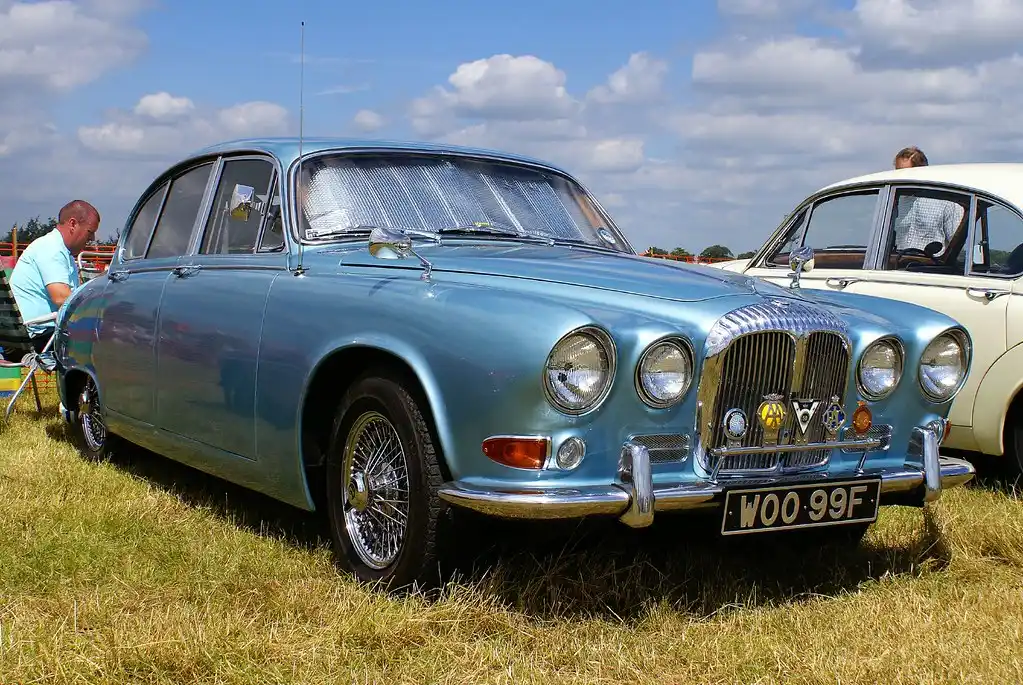
The three types of pop-culture cars that viewers often mix up
Production cars that became famous on screen
These start as regular road cars, then gain a second life through plot and framing. Herbie fits here, and the DeLorean DMC-12 was heavily modified in fiction into a time machine. The base car stays recognizable, which helps replica builders and collectors.
Concept cars repurposed for fiction
The original Batmobile belongs here at its root because it was based on the 1955 Lincoln Futura concept car. Concept-car proportions read larger than life on camera. Long nose, low roof, and dramatic fins do visual work that a normal production sedan rarely can.
Custom-built character vehicles designed for a role
Some icons are closer to costume design than ordinary transportation. The Ectomobile, with its decals, siren, and roof gear, is a working fantasy machine built from a real professional vehicle. The Mystery Machine is a graphic symbol first and a van second. In these cases, the story identity sits above the donor vehicle.
The comparison table: 10 iconic pop-culture cars at a glance
Base models, first appearances, and why they lasted
| Vehicle | Original base model | First appearance | Key visual identifiers | Why it became memorable |
|---|---|---|---|---|
| Herbie | 1963 Volkswagen Type 1 Deluxe Sunroof | The Love Bug (1968) | Pearl White body, number 53, racing stripes, Beetle shape | A production car turned into a true character-car with a face-like front and simple livery anyone can recognize |
| Batmobile | 1955 Lincoln Futura concept car, customized by George Barris | Batman TV series | Huge fins, double canopy, headlight pods, black body with red trim | Comic-book exaggeration translated into a full-size machine and later proven collectible by its $4.6 million 2013 sale |
| Lincoln Futura | Original 1955 concept car | Before its Batmobile conversion | Low canopy, long nose, jet-age fins, concept-car proportions | Its shape supplied the Batmobile with an unreal screen presence that a standard production car would not have delivered |
| DeLorean time machine | DeLorean DMC-12 | Back to the Future | Stainless body, gullwing doors, time-machine hardware | A commercial flop transformed into a forever icon because the car looked like a home-built spaceship |
| Bumblebee | VW Beetle originally, later a 1977 Chevy Camaro | Transformers | Burnt yellow paint, black accents, Camaro-era muscle stance | Identity survived redesigns because the color cue stayed constant and the car itself was a speaking character |
| Ectomobile | 1959 Cadillac Miller-Meteor | Ghostbusters | White ambulance-hearse body, roof gear, decals, siren | Its sheer size and working-equipment look sold the idea that ghost hunting was a real service business |
| Mystery Machine | Fictional van styled like a late-1960s custom panel van | Scooby-Doo, Where Are You! | Blue-green body, orange flowers, psychedelic graphics | The graphics carry the whole joke and tie the vehicle to counterculture imagery in one glance |
| KITT | Pontiac Firebird Trans Am | Knight Rider | Black body, red scanner light, clean wedge profile | Voice, gadget role, and a single moving light cue made it easy to spoof, market, and remember |
| Mad Max Interceptor | Ford Falcon coupe | Mad Max | Black finish, blower, pursuit-car stance | It turned a real coupe into a survival-era threat symbol and became a favorite for tribute builds |
| Lightning McQueen | Purpose-built animated race car character | Cars | Bright red body, racing graphics, smiling face integrated into design | Animation let the vehicle be pure character design, which translated directly into toy demand across age groups |
Impact, recognizability, and screen time are different measures
A useful comparison separates three things that ranking pages often blur together.
- Impact: how much the vehicle changed the wider culture, from replicas to auction attention.
- Recognizability: how quickly viewers can identify it from silhouette or color alone.
- Screen time: how often it appears, which does not always equal importance.
The Batmobile scores huge on impact and recognizability. The Mystery Machine scores huge on recognizability. KITT scores well on screen time because episodic TV kept putting it in front of viewers. The DeLorean punches above its screen minutes because the entire plot depends on it.
What you get in the Car Culture Premium
Hot Wheels Car Culture differentiates itself from standard playsets through licensed casting details, metal bases, and full graphics that appeal specifically to adult collectors. This matters if you are judging value before purchasing, as the premium pricing reflects these specific enhancements over basic lines. Our review of the Car Culture model breaks down exactly which features justify the cost against Boulevard releases. We highlight where the metal components improve shelf presence and where the packaging design fails to meet collector expectations, ensuring you avoid blind-box disappointment by understanding the precise hardware differences.
What Car Culture usually costs buyers
Hot Wheels Car Culture usually starts with a modest shelf price, but the real-world cost is often higher once you buy online or chase a sold-out release. The supporting guide breaks down the typical MSRP, common aftermarket premiums, and when a listing stops being a sensible buy. That matters because the same casting can be a fair pickup at one price and a bad resale risk at another. If you want a clear benchmark for spotting inflated listings and deciding when to wait, Car Culture cost gives you the numbers to compare before you buy.
Which vehicles became true characters rather than props?
The vehicles that became true characters are the ones given agency, comic timing, or emotional meaning independent of the humans around them. Herbie, Bumblebee, and the Mystery Machine all cross that line, though each does it differently through behavior, design coding, and story function.
Herbie: the friendly production car
Herbie is the cleanest character-car example in mainstream film. The base vehicle is a 1963 Volkswagen Type 1 Deluxe Sunroof, and its first appearance came in The Love Bug in 1968. The number 53 and Pearl White exterior make the car readable from almost any angle.
What matters is restraint. Herbie did not need fantasy bodywork. The Beetle shape already looked approachable, almost animate, so the graphics only had to push the point. That is why replicas work so well. Fans do not need exotic fabrication to capture the character.
Bumblebee: identity across redesigns
Bumblebee began as a VW Beetle and later became a Camaro. One version appears as a 1977 Chevy Camaro, and later screen versions use fifth- and sixth-generation Camaro forms. The continuity cue is the burnt yellow finish, which keeps the character legible even when the body style changes.
This is a useful lesson in pop-culture design. Fans often think the exact body is the identity, but sometimes the dominant color and role matter more. Bumblebee is a loyal protector first, a specific trim level second.
The Mystery Machine: graphics as personality
The Mystery Machine is proof that side graphics can carry character status. It is associated with late-1960s and 1970s counterculture, and its psychedelic flowers and color blocking are so strong that the van shape almost becomes secondary.
Because the design is graphic-heavy, it performs unusually well in lunchbox art, stickers, die-cast, and cartoon simplification. That matters to collectors. A vehicle that reads instantly in flat art usually has a long merchandise life.
How screen design turned real cars into myths
The Batmobile: concept car meets comic exaggeration
The original Batmobile was based on a 1955 Lincoln Futura, and George Barris customized it for the 1960s TV show. Barris added huge fins and a double canopy, turning a dramatic concept car into something that looked born for television rather than merely borrowed from Detroit.
The headlight pods, the exaggerated rear, and the low glasshouse gave it an unreal presence. Just as important, the Batmobile did not hide its roots completely. Viewers could still sense that a real machine sat under the fantasy, which makes the car feel more collectible than a pure one-off spaceship prop.
George Barris was part designer, part rights holder
Barris matters here for more than name recognition. He customized the original Batmobile, retained ownership of the car, and leased it to the studio during production. That arrangement helped keep the vehicle tied to a known customizer rather than dissolving into anonymous studio property.
Collector status often grows when provenance is clear. In this case, the story runs from concept car to TV custom to celebrity object, and the market noticed. Barris sold the Batmobile for $4.6 million in 2013.
Ectomobile: professional vehicle turned comic machine
The Ectomobile is a 1959 Cadillac Miller-Meteor with a 320 hp, 6.3-litre V8. It was six metres long and weighed around three tons. Those numbers matter because the car’s bulk is part of the gag: the ghost hunters drive something halfway between ambulance, hearse, and rolling workshop.
The decals, siren, and roof equipment complete the character. Strip those off, and it becomes an interesting period coachbuilt service vehicle. Add them back, and it becomes Ecto-1. That difference is exactly what collectors chase in screen-accurate replicas.
DeLorean DMC-12: failure turned icon
The DeLorean DMC-12 is one of the best failure-to-icon stories in car culture. Back to the Future originally planned a fridge time machine, but the car was chosen instead for its retro-futuristic look. The stainless body and gullwing layout made it read like a spaceship built in a suburban garage.
That choice changed the DeLorean’s cultural position forever. The production model was a commercial flop, yet pop culture made it immortal. For collectors, that gap matters. Fame did not come from road success. It came from design and narrative role.
What is the Batmobile based on, and why does that matter?
The original TV Batmobile was based on the 1955 Lincoln Futura, and that matters because the Futura’s concept-car proportions did much of the visual heavy lifting. Without that extreme base, the custom parts would have looked stuck on instead of inevitable, and the car would have lost much of its mythic presence.
The Lincoln Futura gave the car its unreal stance
The Futura already looked like a comic-strip object before Barris touched it. The long body, low roof, and dramatic fin treatment gave the TV Batmobile an impossible stance for ordinary street traffic. That is why it feels so much larger in memory than many later Batmobiles with more hardware.
Barris knew which cues to exaggerate
George Barris customized the original Batmobile, adding huge fins and a double canopy while building around the Futura’s core drama. The headlight pods and trim details helped, but the real achievement was restraint in the right places. The base shape stayed readable.
Collector proof beats vague fame
Many famous screen cars are called collectible. The Batmobile has harder proof. Barris sold it for $4.6 million in 2013, which gives the collector argument a concrete anchor. That does not make every Batmobile replica valuable, but it shows how strong provenance and recognizability can become.
Which famous movie and TV cars hold up best for collectors?
The best collector cars are the ones that remain instantly recognizable in full size, die-cast, and model-kit form, while also having a clear story behind the build. Screen-used cars, licensed replicas, and tribute builds occupy different tiers, and buyers should judge them by accuracy, provenance, and display impact.
Screen-used, licensed replica, or tribute build?
These categories should never be mixed. A screen-used car carries production history. A licensed replica carries official branding and often aims for standardized accuracy. A tribute build may be excellent, but its value usually sits more in craftsmanship and recognizability than in provenance.
For many fans, tribute builds are the practical sweet spot. Herbie and Camaro-era Bumblebee are especially approachable because the base vehicles are easier to identify, and the signature cues are visible without impossible parts sourcing.
Why recognizability drives die-cast demand
Die-cast success often follows the same logic as poster art. The car must read fast. That is why bold vehicles keep returning in premium lines, convention pieces, and model kits. Collectors can justify owning several versions when each one feels distinct at a glance.
The Batmobile, DeLorean, Ectomobile, Herbie, and Bumblebee all benefit from this. So does the Mystery Machine, which often behaves more like a graphic icon than a pure vehicle collectible.
The strongest collector cases under Hot Wheels And Car Culture
Within the broader theme of Hot Wheels And Car Culture, the most durable vehicles usually share four traits: a strong side profile, one dominant color, one or two signature props, and a clear role in the source material. I have seen this play out in premium die-cast over and over. It explains why some ordinary road cars become perennial shelf pieces while others fade after one licensed run.
- Batmobile: high display value, strong provenance story, endless variant potential.
- DeLorean: cross-generational appeal and one of the easiest silhouettes to read in miniature.
- Ectomobile: roof gear and body type create instant shelf presence.
- Herbie: simple, affordable-looking iconography makes tribute and toy versions easy to love.
- Bumblebee: multiple eras attract both muscle-car fans and franchise collectors.
Choosing between Ford GT and Mustang castings for 1:64 display
The Ford GT casting delivers a lower, sharper exotic profile that stands out on a shelf, while the Mustang offers a familiar silhouette that pairs easily with other models. Selecting the wrong one leads to awkward proportions, duplicated shapes, or a car that looks plain next to premium releases.
A detailed comparison of Ford GT vs Mustang castings breaks down body fidelity, wheel stance, and how each scales from real life to 1:64. It also covers whether sealed carded examples or loose display cars better suit your collection goals, helping you avoid buying redundant pieces.
Balancing Premium Costs and Display Value
Hot Wheels Car Culture lines demand a price premium for superior licensed details and packaging, but this extra cost is only justified when you prioritize specific high-quality castings over generic mainline options. To avoid overpaying for hype, evaluate which vehicles offer genuine shelf appeal versus those that fail to match their sticker price. This approach ensures your collection focuses on tangible quality rather than transient marketing trends.
Understanding where the premium value actually resides helps you allocate your budget toward vehicles that maintain strong resale interest and aesthetic consistency. For a detailed breakdown on identifying which specific Car Culture castings justify the extra spend and which to skip, review this guide on Hot Wheels value assessment.
Starting a Hot Wheels Car Culture collection without overspending
New collectors often chase rare, expensive sets before understanding which lines offer the best value. Focusing on broadly available Car Culture sets like Modern Classics and Fast Wagons keeps early spending predictable while still delivering high-quality castings.
A dedicated guide to beginner Car Culture sets ranks these releases by ease of entry, recognizability, and budget risk. It covers familiar categories including Slide Street, Premium Boulevard, and Team Transport, helping you avoid the costly guessing game that turns a fun hobby into financial stress. Choosing widely distributed themes first builds a solid foundation for any automotive diecast display.
Choosing Hot Wheels Pop Culture cars that actually stand out on a shelf
Shelf readability determines whether a Hot Wheels Pop Culture car earns display space or gets buried in a drawer. The strongest picks feature bold silhouettes, high-contrast deco, and card art that registers from across a room. Weak graphics vanish against other models, wasting both money and square footage.
Evaluating these releases by body shape, paint application, and visual impact helps collectors avoid flat-looking castings. A dedicated ranking of Pop Culture display cars breaks down exactly which annual releases deliver the best presence carded or loose, highlighting top performers like the Grateful Dead casting for value and the Dairy Delivery for sheer shelf dominance.
Top Hot Wheels Ford Castings by Collector Goal
The best Hot Wheels Ford cars depend entirely on your specific collecting objective rather than general fame. The Ford GT40 serves display enthusiasts, the ’69 Mustang Boss 302 completes mainline sets, and the ’67 Bronco or F-100 offers strong value potential for budget-conscious buyers.
Selecting the wrong casting often leads to overpaying for common versions or missing essential shelf pieces. This guide ranks Ford Hot Wheels by display appeal, set-completion importance, and resale value to help you prioritize purchases that align with your collection strategy instead of chasing hype alone.
Hot Wheels vs Matchbox: Choosing the Right Die-Cast Brand
Hot Wheels dominates track racing and stunt setups, while Matchbox delivers the realism collectors prefer for display shelves. Mixing the two often leads to cars that stall on loops or a lineup that looks too toy-like for serious presentation.
The core trade-off comes down to your primary use case. If you build custom tracks or prioritize speed, Hot Wheels is the stronger choice. If you value accurate scale, everyday play, or static display, Matchbox fits better. Understanding these differences prevents wasted money on incompatible sets and mismatched collections. For a detailed breakdown of sizing, track compatibility, and buyer decision factors, compare Hot Wheels vs Matchbox before committing to either brand.
Hot Wheels Car Culture versus standard Premium releases
Hot Wheels Car Culture belongs to the broader Premium range, not a separate tier. Choosing between them depends on whether you prioritize themed card art and set completion or specific castings and licenses. Confusing the two often leads to overpaying for a basic build or missing the best display piece.
This breakdown covers packaging differences, detail levels, assortment formats, and resale value so you can target the right line for your shelf. It includes a decision matrix that clarifies when Car Culture vs Premium makes sense for your budget and collecting goals.
Hot Wheels Car Culture Racing versus Drag Strip Demons for collectors
Choosing between Hot Wheels Car Culture Racing and Drag Strip Demons determines how quickly you complete a set, what your shelf looks like, and how much you spend. Car Culture Racing offers broader motorsport themes that fit diverse displays and are generally easier to collect in full. Drag Strip Demons narrows the focus to drag racing castings, rewarding hunters who want standout models with a tighter aesthetic.
Picking the wrong sub-line means overpaying for cars that clash with your display plan or chasing releases you will never finish. Our breakdown of Racing vs Drag Strip covers display fit, completion odds, and value hunting so you can build a 1:64 collection that matches your goals without wasting budget.
How modern pop culture changed the formula
Cross-media fame now matters as much as the original screen role
Classic icons often came from one film or one TV show, then spread later. Newer icons are expected to work across film, streaming, games, toys, and clipped social media scenes almost immediately. That puts more pressure on visual shorthand.
Lightning McQueen is the clearest modern proof because the vehicle was designed for animation, merchandise, and emotional legibility at the same time. Fast & Furious cars work differently. They gain fame through action staging, tuner culture, and repeat appearance across a franchise rather than through anthropomorphic character status.
Modern examples still follow old design rules
KITT, the Mad Max Interceptor, and Lightning McQueen show that the old formula still holds. Give the audience a clean silhouette, one memorable cue, and a story job they can explain in a sentence, and the vehicle has a chance to last.
The failure cases usually miss one of those elements. Some are visually strong but narratively disposable. Others have plot importance but no memorable shape. The enduring names tend to nail both.
Frequently asked questions
what are the most iconic cars in pop culture
The short list usually includes Herbie, the original TV Batmobile, the DeLorean time machine, Bumblebee, the Ectomobile, and the Mystery Machine. They stand above many rivals because each has a strong silhouette, a specific role in the story, and a design that survives into toys, posters, and replicas.
what cars are famous in movies and TV
Famous movie and TV cars include Herbie from The Love Bug, the Batmobile from Batman, the DeLorean from Back to the Future, Ecto-1 from Ghostbusters, KITT from Knight Rider, the Mystery Machine from Scooby-Doo, and Bumblebee from Transformers. Their fame comes from repeated visual cues, not screen presence alone.
which vehicles became characters in pop culture
Herbie, Bumblebee, KITT, Lightning McQueen, and the Mystery Machine all function as characters rather than plain props. Some speak directly, some act with apparent intent, and some carry the personality of the whole show. In each case, viewers remember behavior and role as much as body shape.
what is the Batmobile based on
The original 1960s TV Batmobile was based on the 1955 Lincoln Futura concept car. George Barris customized it, adding huge fins and a double canopy while keeping the concept car’s dramatic proportions. That origin matters because the Futura gave the Batmobile its impossible, comic-book stance before any TV-specific details were added.
why is the DeLorean famous in pop culture
The DeLorean is famous in pop culture because Back to the Future turned a commercially unsuccessful road car into a perfect time machine. It was chosen for its retro-futuristic look after the project originally planned a fridge time machine, and the stainless body plus gullwing doors made the choice unforgettable.
which pop culture cars are worth collecting
The strongest collector targets are the original Batmobile, DeLorean replicas, Ectomobile models, Herbie builds, and Camaro-era Bumblebee pieces. Value depends on category: screen-used cars rely on provenance, licensed replicas on accuracy, and tribute builds on execution. Across all three, easy recognizability usually helps demand more than obscure technical faithfulness.
Products related to this article
Sponsored / affiliate links. As an Amazon Associate I earn from qualifying purchases. I may earn additional commission from eligible campaigns.