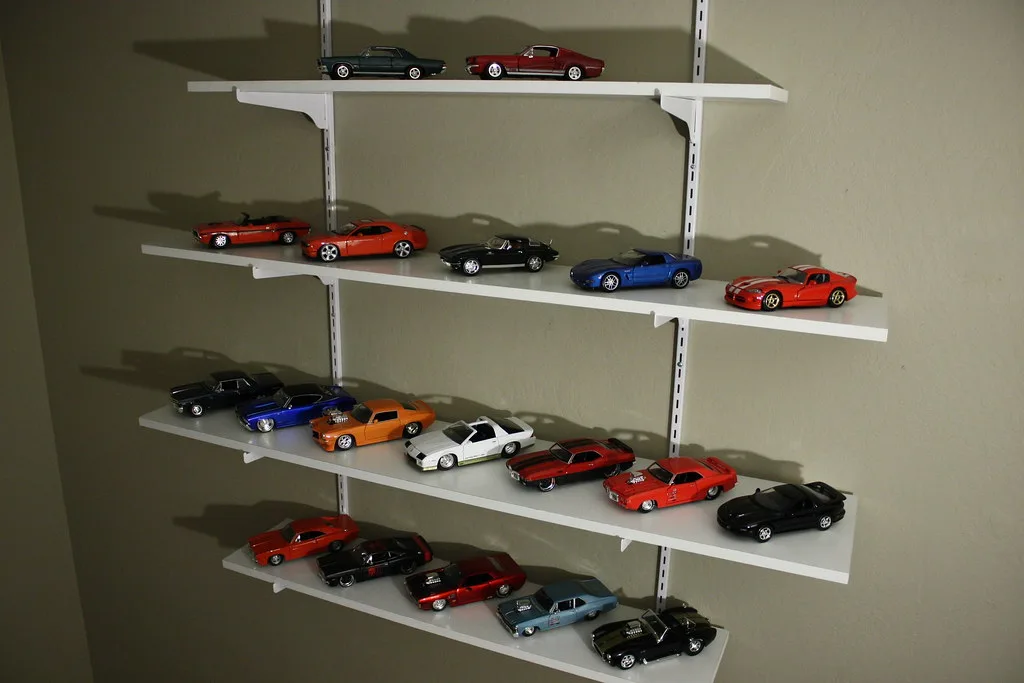
Hot Wheels Car Culture Review: Is It Worth Your Money?
Hot Wheels Car Culture is worth the premium when you want a licensed casting with metal bases, Real Riders tires, and full graphics. Basic Hot Wheels is the better buy if you want a play car. Buying blind can leave you paying premium prices for a casting you do not care about. This review breaks down how Car Culture differs from basic Hot Wheels and Boulevard, and how to judge a release before you buy.
Verdict


The line works when the casting, theme, and wheel choice all point the same way. It loses value fast when the assortment repeats a common car, uses weak deco, or lands in a theme that only half the shelf understands. That is the real filter for Car Culture, buy the release, not the logo.
📊 The retailer lists a collector case for 50 cars. Source: Hot Wheels skladem.
Specs at a glance
| Spec | Hot Wheels Car Culture |
|---|---|
| Brand owner | Mattel |
| Line type | Premium Hot Wheels subline for collector-focused releases |
| Common construction cues | Metal/plastic premium die-cast format, with metal body and plastic base on many releases |
| Wheel setup | Real Riders-style premium tires on many collector releases |
| Packaging | Collector packaging that matters more for carded display and resale than basic Hot Wheels |
| Assortment style | Theme-driven series and mixed car themes |
| Buying cadence | Releases arrive in waves, so store timing can change availability |
| Display fit | Strong for carded display and loose shelf or desk display |
Hot Wheels sits in a broad family that includes cars, tracks, and garages, plus detailed models, racing tracks, and sets. A Czech retailer page also frames the brand as appealing to both children and collectors worldwide, while noting durability, creative racing, competition, and many types of tracks and ramps. That mix explains why the line spans play and display.
Road & Track positions itself around car reviews, news, and car culture, and says its focus serves enthusiasts across generations. Car Culture borrows that same enthusiast logic: it is not trying to be the cheapest car on the peg. It is trying to be the most satisfying one to look at, sort, and keep.
Who it is for
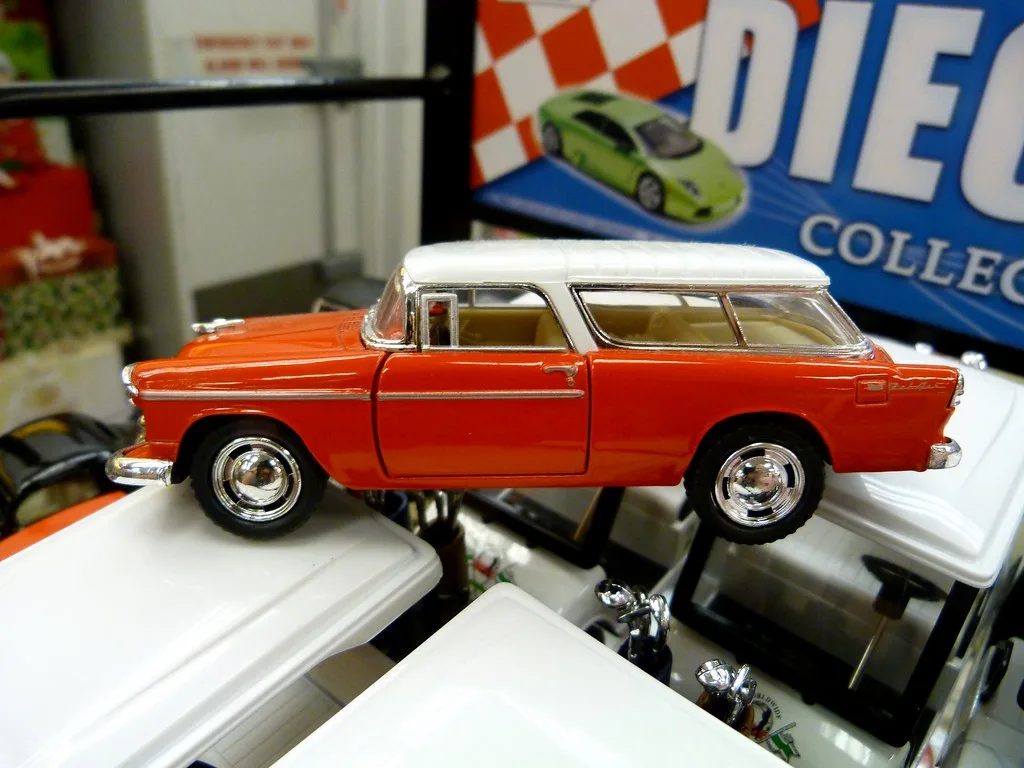
Car Culture fits collectors who care about casting selection, deco accuracy, and shelf presence more than raw volume. It also fits parents buying a higher-end gift, especially when the child already likes specific makes or race themes. Beginners can start here, but only if they want to collect deliberately rather than buy random singles.
For a carded collector, the package is part of the value. For a loose-display collector, the wheel selection, paint, and stance matter more than the blister. If you want a desk model with a premium feel, Car Culture makes sense. If you want a truck to roll across a floor, it usually does not.
Say your child wants a $5 desk car for a school desk and you want one that looks special in a small space. Car Culture can work if the release has a clean casting and strong graphics. If the child mainly wants to push it around, a Basic Line car will usually be the more practical buy.
What makes Hot Wheels Car Culture different from basic Hot Wheels?
Car Culture differs from the Basic Line in construction, selection, and presentation. Basic Hot Wheels are the mass-market benchmark: low price, high turnover, and play-first value. Car Culture is a premium format with more collector intent, more visual detail, and more pressure on the buyer to care about the specific car being offered.
Premium format and construction
Premium Hot Wheels releases usually signal themselves through metal/plastic construction cues, richer deco, and better wheel treatment than standard mainline cars. That does not mean every Car Culture car is a masterpiece. It does mean the line spends more of the budget on what collectors notice first: finish, wheel style, and how the car sits on the shelf.
Theme-driven assortments versus mass-market singles
Basic Hot Wheels sells breadth. Car Culture sells a theme. That theme can be great when the lineup is coherent and every casting feels chosen for a reason. It can be weak when the theme is loose, or when the assortment includes one strong car and several filler picks.
Why price and finish are higher
The premium is tied to collector packaging, improved decoration, and a more selective casting mix. That is also why the price gap matters. A higher-priced die-cast is not automatically better value if the casting is generic or the graphics are plain. The better question is whether the release earns its shelf space.
How does Car Culture compare with Hot Wheels Boulevard?
Car Culture and Boulevard sit in the same premium conversation, but they do not always appeal to the same buyer. Car Culture leans into theme variety and broad collector appeal. Boulevard often sits as the more obviously premium comparison point for buyers who want a slightly higher-end collector feel and are willing to pay for it.
Positioning and collector appeal
Car Culture usually feels like the more accessible premium buy because the assortments cover a wide range of themes and licensed vehicles. Boulevard can feel tighter and more deliberate, which some collectors prefer. The value difference often comes down to which car you actually want, not which line name sounds fancier.
Where the two lines overlap
Both lines chase adult collector interest. Both can offer licensed castings, display-friendly packaging, and wheels that look better than entry-level Hot Wheels. Both can also disappoint if the release leans on a car you already own or a deco package that looks thin for the price.
Which line offers better value for different buyers
For theme collectors, Car Culture often has the edge because the assortment variety is wider. For buyers who want a more premium-feeling single purchase, Boulevard can be easier to justify. If you are chasing carded resale, condition and demand matter more than the line name. If you are buying to open and display, the best casting wins.
How much does Hot Wheels Car Culture cost?
Retail pricing varies by store, assortment, and timing, but Car Culture sits above the Basic Line and below many true specialty collectibles. That premium is normal for a collector-focused format. The value question is whether the specific release justifies the price with a strong casting, good deco, and a wheel choice that matches the car.
The same shelf can hold widely different price expectations. A retailer page for Hot Wheels shows a price range from 59 Kč to 1 469 Kč, which is a reminder that the brand spans budget toys and more expensive sets and cases. Car Culture sits toward the higher end of the core die-cast conversation, even before resale enters the picture.
What works
Car Culture works best when the lineup uses a casting collectors already want, then backs it with accurate graphics and the right wheel selection. Those three pieces matter more than broad marketing language. A good release feels complete in hand and even better on a card.
Casting selection
The strongest releases start with the right car. A Porsche, Supra, BMW, or exotic supercar usually has a built-in audience, but popularity alone is not enough. The casting has to look right at 1:64 scale and still feel interesting next to other cars in the collection.
Deco quality and paint application
Paint and tampo placement are where premium releases earn their keep. Clean logos, crisp headlights, and well-placed side graphics make the difference between a collector piece and a forgettable store pegger. Weak deco makes a premium price feel hard to defend.
Wheel choice and stance
Wheel selection changes the entire mood of a release. The wrong wheel can make an otherwise good casting look cheap or too toy-like. The right wheel choice helps the car read as a display piece even before you look closely at the paint.
Display value carded and loose
Car Culture has real carded-display appeal when the packaging is clean and the theme is strong. Loose collectors care more about the car’s proportions and shelf presence. In both cases, condition matters. A bent card, creased blister, or scuffed window will drag down value fast.
Picture a collector who buys a $6 premium car because the casting is famous, then finds the graphics are sparse and the wheels look mismatched. That car can feel expensive immediately. A stronger deco package can make the same price easier to accept.
What does not
Car Culture does not work when the assortment repeats castings too often, leans on a weak theme, or uses a car that collectors already bought in a better version. It also loses value when card condition is poor or when a release is priced like a must-have item but looks ordinary in hand. That is the line’s biggest failure case.
Duplicated castings and theme fatigue
Repeated castings are not always bad, but they can drain excitement. If a buyer already owns several versions of the same model, the new release needs a sharper deco package or a better wheel setup to justify the purchase. Without that, the line starts to feel repetitive.
Weak buy value at retail
Some releases feel overpriced because the spec sheet is thin. A plain color, minimal tampo work, and an unremarkable casting do not create strong collector value. The premium is easier to swallow when the car looks like a finished miniature, not a base model with a nicer label.
Condition sensitivity for carded buyers
Carded collectors need to be picky. If the blister is crushed or the card is warped, resale and display value both suffer. That is a bigger issue with premium lines than with basic cars because the package itself is part of the product.
A common first-timer mistake is to buy the first premium release on the peg, then discover later that the best-looking car in the series was the one left behind. That is where a quick decision matrix helps more than hype.
Collector decision matrix
This matrix gives a simple buy-or-skip read. Score each release on a small 1-to-5 scale in five areas: casting appeal, deco quality, wheel choice, theme strength, and shelf or display value. Add the score and use the result to decide whether the premium is justified.
| Score | Casting appeal | Deco quality | Wheel choice | Theme strength | Shelf/display value | Decision |
|---|---|---|---|---|---|---|
| 1 | Common or dull casting | Plain or sloppy graphics | Mismatch for the car | Weak or confusing theme | Poor on card or loose | Skip |
| 2 | Limited interest | Basic paint finish | Acceptable, not special | Theme feels thin | Little shelf presence | Usually skip |
| 3 | Decent but familiar | Good enough detail | Works well enough | Theme has some pull | Solid but not standout | Buy if you like the car |
| 4 | Strong collector casting | Clean, accurate deco | Clear visual upgrade | Theme feels coherent | Strong display value | Buy |
| 5 | Top-tier casting choice | Excellent graphics and paint | Excellent match | Theme is a hit | Excellent carded or loose | Strong buy |
Buy if: the score is 18 or higher, or the release hits at least one high-demand box and looks clean in person.
Skip if: the score is 14 or lower, or the release depends on brand name alone.
Alternatives
If Car Culture does not fit your budget or your collecting style, the easiest comparisons are Boulevard and the Basic Line. Those two brackets cover most buyers: premium collector value on one side, lower-cost play value on the other. A true buy decision comes from use case, not habit.

Hot Wheels RLC Supra HKS Exclusive sELECTIONs is the better choice if you want a more exclusive collector piece than a standard premium assortment. The HKS livery, metal body, and Real Riders wheels give it obvious display appeal, but the price is higher and the Red Line Club angle makes it a more specialized buy. It is a stronger pick for serious collectors than for casual buyers.

Bburago’s 1:18 LaFerrari makes sense when scale and display presence matter more than Hot Wheels branding. The detailed chassis, exhaust, steering, spring suspension, and display stand point to a different kind of shelf model. The drawback is equally clear: it is larger, less portable, and not a substitute for a themed 1:64 collector line.
Should you buy it
Buy Hot Wheels Car Culture if you collect by theme, like licensed performance cars, or want a premium die-cast that looks good on a shelf. Skip it if you mainly want a cheap play car, if the specific casting does nothing for you, or if the card and deco do not justify the premium.
For beginners, start with one release you genuinely want. For advanced collectors, judge each car on its own merits, not the line name. That is how you avoid weak buys and focus on the releases that actually earn a spot in the collection.
Frequently asked questions
Is Hot Wheels Car Culture worth it?
Yes, when the release has a strong casting, clean deco, and a wheel choice that suits the car. It is not worth it if you are buying only because it is premium. The best purchases are the ones you would want even at a lower markup, because the car itself carries the value.
What is the difference between Hot Wheels Car Culture and Boulevard?
Both are premium collector lines, but Car Culture leans harder into theme variety and broad appeal. Boulevard often feels a bit more focused and can read as the more premium-feeling comparison point. Value depends on the exact casting and deco, not the line badge alone.
Are Hot Wheels Car Culture cars good for display?
Yes. Carded display works well because the packaging is part of the appeal, and loose display works well when the casting and wheels are strong. Condition matters more than it does on basic cars. A clean card or a clean blister can matter as much as the car itself.
How do I tell if a Hot Wheels Car Culture car is premium?
Look for collector packaging cues, a more detailed finish, and premium wheels rather than basic play-car treatment. Then inspect the car itself: paint clarity, tampo placement, and how the stance looks on the card. If the car feels special only because of the package, it may not be a strong buy.
Which Car Culture releases are the easiest to find?
The easiest releases are usually the ones with broader theme appeal and less chase pressure. Common licensed cars in a popular assortment tend to sit longer than specialist castings. Harder-to-find pieces usually combine high demand with limited store timing, so availability can swing sharply by region.
Products related to this article
Sponsored / affiliate links. As an Amazon Associate I earn from qualifying purchases. I may earn additional commission from eligible campaigns.