How Did Henry Ford Make Cars Affordable: Proven Success
Henry Ford made cars affordable mainly by inventing and mastering the moving assembly line, which dramatically cut production time and labor costs for the Model T. This efficiency, paired with standardized, mass-produced parts, made the revolutionary vehicle accessible to the average American worker.
Have you ever looked at the sticker price of a new car and wondered how on earth anyone can afford it? It seems like cars have always been expensive luxuries. But once upon a time, they truly were! That is, until one brilliant fellow decided to change everything. Henry Ford didn’t just build a car; he built a system that put wheels on America’s roads. Understanding his methods shows us how smart shortcuts and focused effort can bring amazing things within reach for everyone. This journey is fun, easy to follow, and shows you how simple ideas lead to massive success. Let’s discover the secrets behind making the Model T the people’s car.
The World Before Ford: Why Cars Were Only for the Rich
Imagine a time when a car cost as much as a nice house—that was the reality before Henry Ford. Before his big changes, every single part of a car was made by hand. Skilled craftsmen—people who spent years learning their trade—would meticulously assemble each vehicle one piece at a time. This process was slow, incredibly detailed, and required a lot of highly paid workers.
Because the time spent building one car was so long, the cost to make it was sky-high. Only the wealthiest people could afford to buy one. Cars were status symbols, not tools for everyday transportation. Think of it like ordering a custom suit today versus buying one off the rack. The custom suit is expensive because of the time and individual attention it requires.
The Frustration of Early Manufacturing
The process was frustrating because it was unpredictable. If one worker took longer on a certain part, the whole line slowed down. There was no real standardization. Every car was slightly different, which made fixing them later very difficult and expensive. For the average family, owning a car was a distant dream, leading to a widespread feeling that personal travel freedom was impossible.
Henry Ford’s Vision: The People’s Car
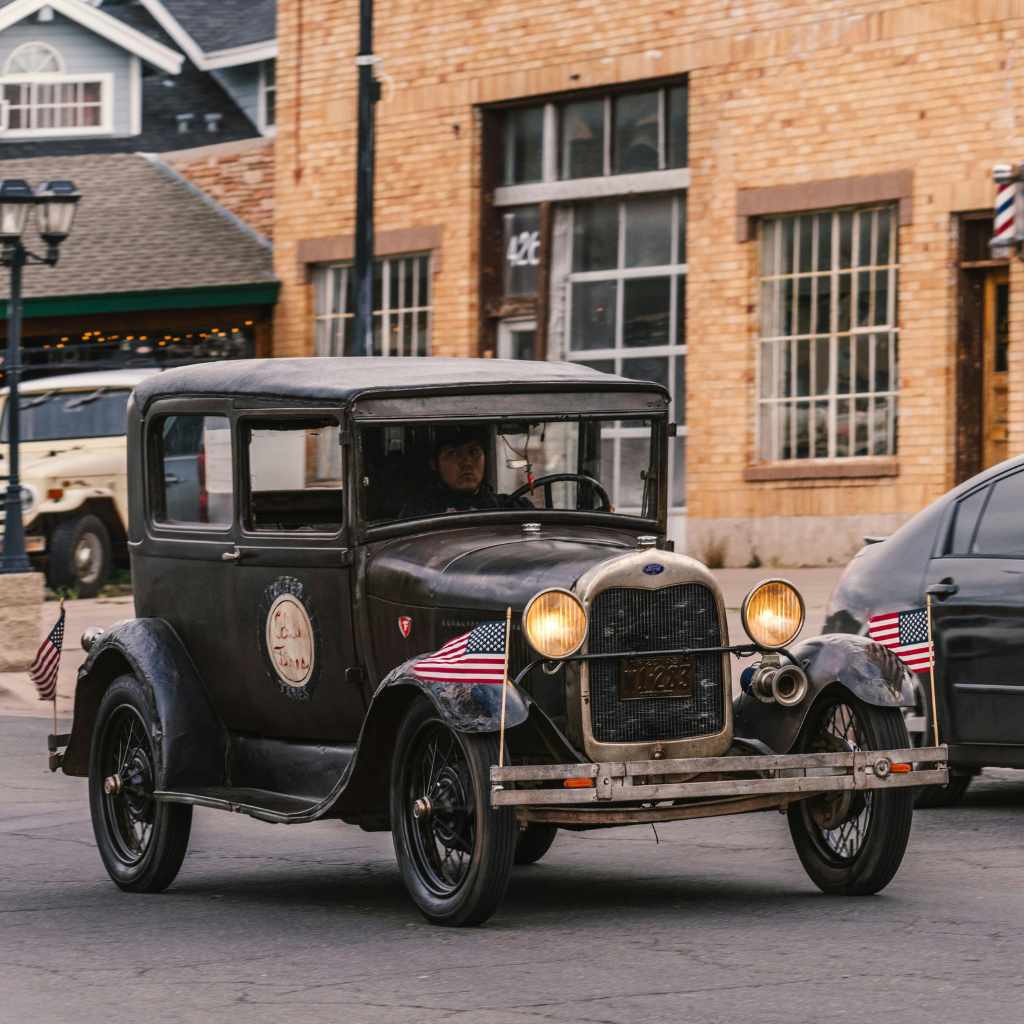
Henry Ford had a clear, radical vision: He wanted to build a car so simple, so reliable, and so inexpensive that an average factory worker could afford one. He famously said, “I will build a car for the great multitude.” This wasn’t just about building a good machine; it was about building an efficient system around that machine.
Ford focused intensely on one specific model: the Model T. This focus was key. Instead of offering dozens of colors and options like other manufacturers, Ford kept things simple. This minimization of choices allowed him to streamline every single step of the building process.
The Need for Standardization
For mass production to work, every single piece had to be exactly the same. This concept seems normal now, but it was revolutionary then. Ford worked closely with parts suppliers to ensure interchangeability. If one bolt was slightly different from the next, the whole system crumbled.
- Interchangeable Parts: If a part broke, it could be easily swapped out with an identical part made elsewhere, drastically lowering repair costs and time waiting for specialized fixes.
- Simple Design: The Model T was built tough but simple. It didn’t have complex luxury features, making the manufacturing process straightforward.
- Focus on Volume: The goal was to build as many cars as possible, banking on making a small profit on each one rather than a huge profit on a few elites.
The Game Changer: The Moving Assembly Line
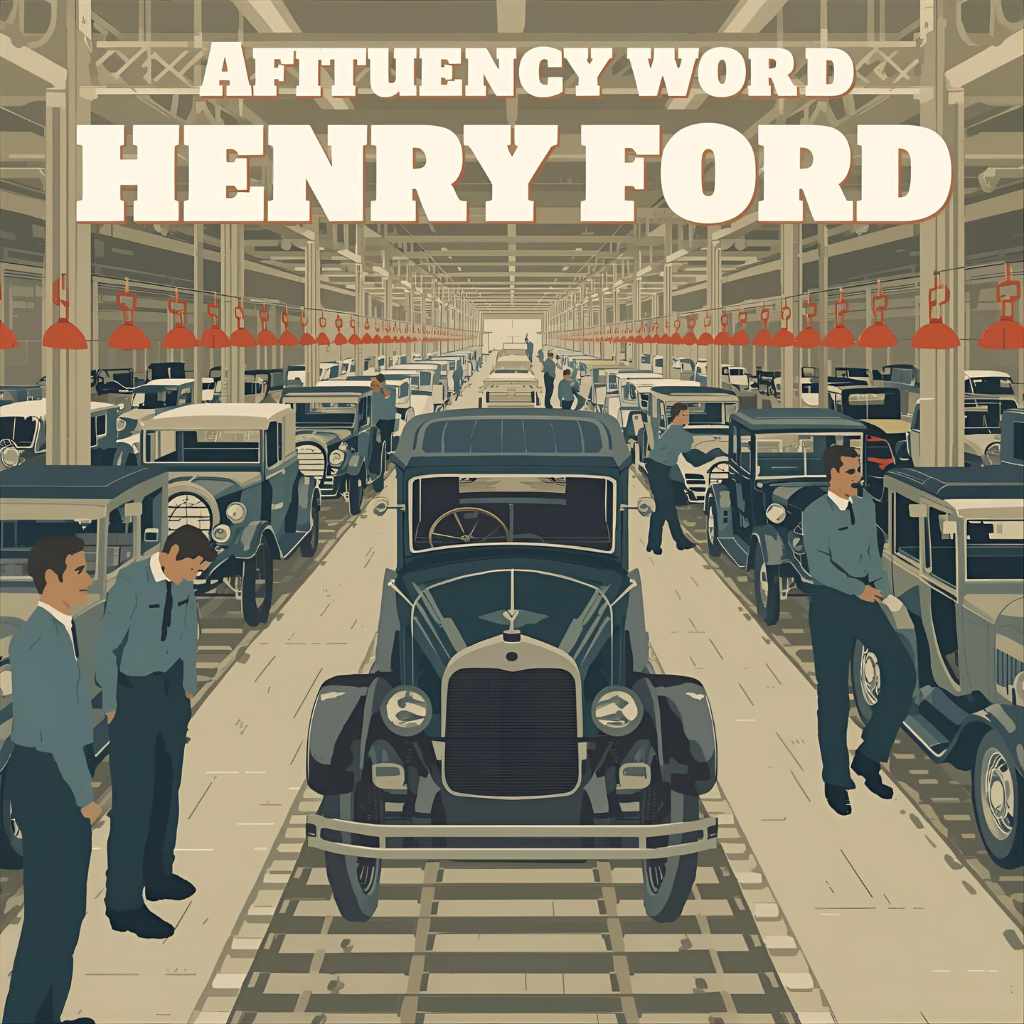
This is the secret sauce. While Henry Ford didn’t invent the assembly line concept (it had roots in meatpacking plants), he was the first to successfully adapt and mechanize it for building complex machinery like automobiles. This innovation slashed the time it took to build a Model T from over twelve hours down to just 93 minutes.
How the Assembly Line Worked (Step-by-Step)
Think of it like an efficient conveyor belt system. Instead of workers moving around the car, the car moves past the workers, each performing a single, repetitive task. This specialization made everyone incredibly fast at their one job.
- The Chassis Starts Moving: The basic frame (chassis) of the Model T was placed on a conveyor system, often powered by a chain or belt.
- Specialized Stations: As the chassis moved, workers stood stationary at specific points. Each worker was responsible for installing only one or two specific parts (e.g., attaching the front axle, inserting one bolt, or connecting a specific wire).
- Continuous Flow: The speed of the line dictated the pace. If a worker was too slow, they often couldn’t keep up, forcing efficiency improvements immediately.
- Final Assembly: Once the body, engine, wheels, and interior were added along the line, the car was driven off the line ready for quality checks.
By breaking down the complex process into simple, sequential steps, Ford made the act of building a car achievable by almost anyone, including workers with minimal early training. This meant Ford could hire from a much wider pool of labor.
The Impact of Efficiency on Price
Efficiency directly translated into lower costs. This relationship is central to understanding the success of making cars affordable.
| Year | Hours Required to Build a Model T | Approximate Price |
|---|---|---|
| 1908 | 12.5 hours (Early Assembly) | $850 |
| 1913 | 1.5 hours (Moving Assembly Line Starts) | $690 |
| 1914 | 93 minutes | $490 |
| 1925 | 93 minutes (Final Time) | $260 |
Look at that table! In just over a decade, the price dropped by over 70% while production speed skyrocketed. This is the proven success of mass production. Ford could capture a huge market segment because he was consistently lowering his overhead expenses relative to the selling price.
Vertical Integration: Controlling Every Step
Ford realized he couldn’t rely solely on outside suppliers for perfect, timely parts. To gain ultimate control over cost and speed, he implemented vertical integration. This meant Ford owned the sources of his raw materials and the processes needed to turn them into finished components.
The massive River Rouge complex in Michigan was the ultimate expression of this idea. Raw materials—like iron ore and cotton—came into one end of the complex and finished automobiles rolled out the other. This eliminated delays, shipping costs, and middleman markups that plagued competitors.
- Raw Material Control: Ford owned the forests and mines needed for steel and wood.
- Reduced Shipping Costs: Parts didn’t need to be shipped across the country to the final assembly plant; they were made nearby or right inside the same complex.
- Predictable Supply Chain: No waiting on external vendors; Ford controlled the timing of every single component.
The Role of Labor: The $5 Day
Making cars affordable for customers was only half the battle. Ford also needed workers who could afford to buy the cars they were building. The work on the assembly line was famously repetitive and mentally draining, leading to very high employee turnover (people constantly quit).
In 1914, Ford made another world-shaking announcement: he would pay his workers $5 a day, double the existing local rate for factory work. This move seemed financially crazy to many, but Ford understood the bigger picture.
Why the $5 Day Was Smart Business
Paying high wages solved several crucial problems at once, ultimately helping to lower the final car price through stability and quality:
- Dramatically Lowered Turnover: Workers stayed on the line longer, reducing the constant cost of training new employees.
- Increased Efficiency: Workers were happier, more loyal, and focused during their shifts.
- Created Customers: Suddenly, the men building the Model T could actually afford to buy one. This created stable demand for his product.
This strategy showed that investing in human capital—treating employees as potential customers—was a powerful economic lever. This concept is still debated and studied in modern business ethics and economics, often referenced by organizations like the Bureau of Labor Statistics when discussing wage impacts.
Simplicity in Administration and Sales
Ford’s genius extended beyond the factory floor. He applied the same no-nonsense approach to how the business was run and how cars were sold.
Minimalism in Overhead
Competitors often had large, expensive sales departments filled with managers, layers of bureaucracy, and complicated financing schemes. Ford kept his administrative structure lean. He believed complexity added cost, and cost was the enemy of affordability.
Sales Process: Direct and Clear
Ford sold cars almost directly to the customer. There were fewer layers of dealership markups or high-pressure sales tactics. The price was the price, set by the efficiency of the factory. If you wanted a Model T, you bought the Model T that was available—usually in black, because, as Ford supposedly quipped, “Any customer can have a car painted any color that he wants so long as it is black.”
This focus on minimal options saved immense amounts of time. Different colored paints required cleaning and switching the assembly line every time, causing delays that added minutes to production time—minutes that cost money.
Ford’s Lasting Legacy: Modern Manufacturing Principles
Henry Ford’s methods didn’t just sell a car; they invented modern manufacturing as we know it. Every successful factory floor today owes a debt to the principles he established.
The Principles of Fordism
The term “Fordism” is now used globally to describe this particular system of mass production:
- High wages for a stable workforce.
- Standardized parts and products.
- Mechanized, continuous production using the assembly line.
- Lowering consumer prices through intense efficiency gains.
This approach fundamentally shifts how economists view pricing power. Instead of justifying a high price based on perceived luxury or scarcity, Ford showed that you could compete by maximizing output and minimizing cost per unit. This idea is foundational for many industries today, from consumer electronics to fast food production.
Comparing Ford’s Approach to Modern Car Affordability
How does this 100-year-old blueprint relate to buying a car today? While the assembly line remains, modern affordability relies on slightly different, yet related, principles:
| Old Ford Method (Model T Era) | Modern Affordability Method (Today) |
|---|---|
| Reducing options (only black paint). | Globalized parts sourcing and standardized digital platforms (e.g., using the same engine block across multiple models). |
| Vertical Integration (owning mines/forests). | Just-In-Time (JIT) Inventory systems to reduce warehousing costs, relying on highly efficient logistics partners. |
| High wages to reduce turnover. | Automation (Robotics) taking over the most repetitive tasks, controlling labor costs while requiring highly skilled maintenance staff. |
| Simple, rugged design. | Modular design and shared vehicle platforms (like those monitored by organizations such as the National Highway Traffic Safety Administration (NHTSA) for safety standards) that allow numerous models to share major components. |
Today, manufacturers leverage technology and global supply chains in ways Ford couldn’t have imagined. However, the central tenet remains the same: identify the biggest bottlenecks in production and relentlessly streamline them to pass savings onto the buyer.
Practical Takeaways for Smart Drivers
While you aren’t running a factory, understanding Ford’s drive for efficiency can help you be a smarter car owner. When you look at maintenance or repairs, think about simplification and standardization, just like Ford.
How to Apply Ford’s Lesson to Your Car Maintenance
- Standardize Your Parts: For simple maintenance (oil changes, filters), stick to the recommended, standard parts rather than exotic upgrades unless necessary. Standardization means parts are cheaper due to high volume (just like the Model T).
- Build a Simple System: Keep your maintenance schedule consistent. Don’t let small issues pile up, as this creates huge, complex repair bills later—the opposite of Ford’s streamlined approach.
- Value Reliability Over Novelty: The Model T lasted because it was reliable, not because it was fancy. Focus your budget on reliable maintenance over frivolous add-ons.
Frequently Asked Questions (FAQ)
What exactly was the moving assembly line?
It was a system where the car body itself moved along a fixed path, like a conveyor belt. Workers stood still and added only one specific part as the car passed them. This made the building process extremely fast and repetitive.
Did Henry Ford invent the assembly line?
No, he did not invent the concept entirely, but he pioneered its application to complex manufacturing, specifically automobile production, making it famous and vastly improving its efficiency with conveyor systems.
Why did Henry Ford pay his workers $5 a day?
He mainly did it to reduce high employee turnover, increase worker loyalty, and ensure his own factory workers could afford to buy the cars they were building. This stabilized demand for the Model T.
What was the biggest challenge for Ford in making cars affordable?
The biggest early challenge was finding a way to drastically lower the labor time required to assemble a car. The moving assembly line solved this by making every worker a specialist in a very quick, specific task.
What was the first car Henry Ford made affordable?
The Ford Model T, introduced in 1908. Its price steadily dropped over the years due to improvements in manufacturing efficiency, eventually reaching a price accessible to many working-class families.
How much did the price of the Model T drop?
The price dropped dramatically over its production lifespan. It started around $850 in 1908 and fell to as low as $260 by 1925, making it incredibly affordable compared to competitors.
Conclusion: The Enduring Lesson of Focused Efficiency
Henry Ford’s monumental success in making cars affordable was not a stroke of luck; it was the result of a calculated, system-driven revolution. He looked at a complicated, expensive product and asked, “How can I simplify this process so much that the cost drops dramatically?”
The answer lay in hyper-standardization, the relentless pursuit of efficiency through the moving assembly line, and a forward-thinking approach to labor costs via the $5 day. He transformed the automobile from a toy for the rich into a necessity for the masses, forever changing industrial economies worldwide. For us, as modern drivers and consumers, the takeaway is powerful: when a complex system is broken down, focused, and optimized, amazing results—and unbeatable value—are achievable. Ford proved that making things cheaper doesn’t have to mean making them worse; it can simply mean making them smarter.