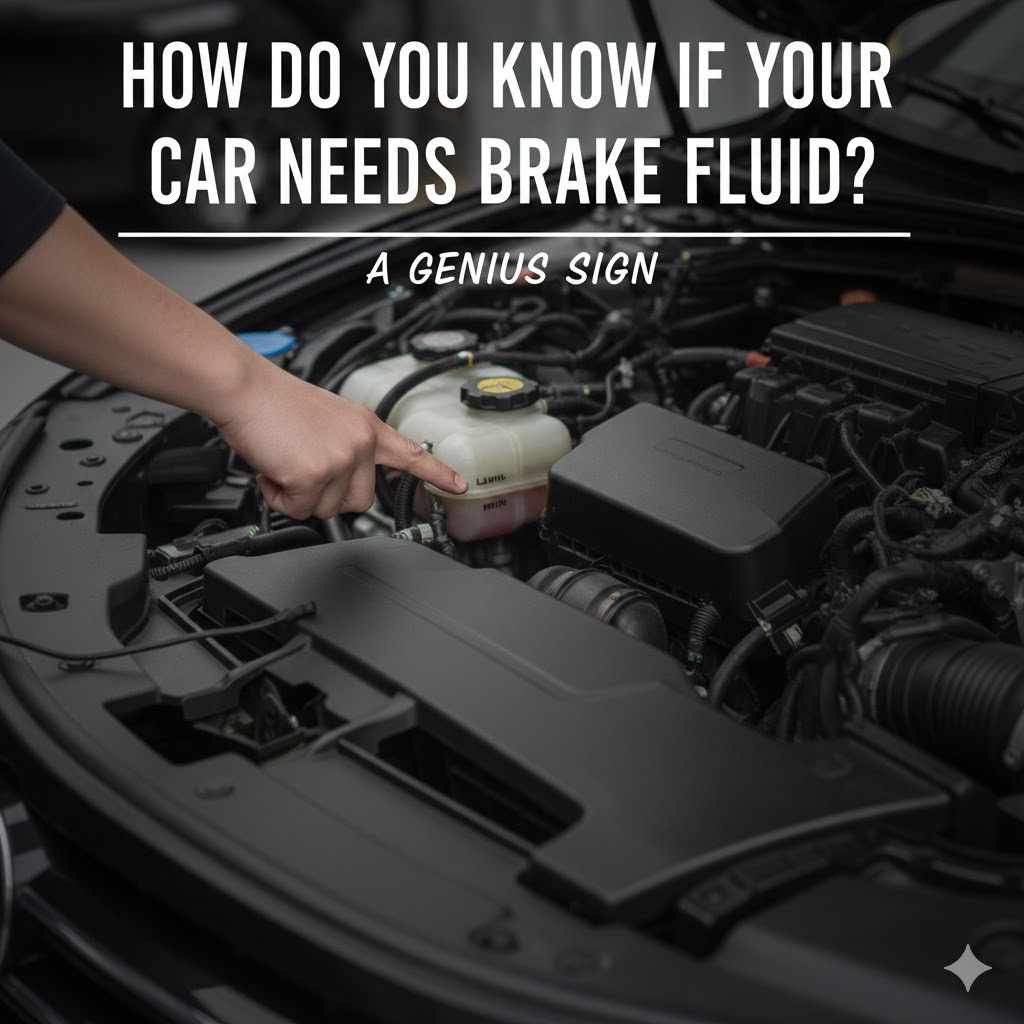
How Do You Know If Your Car Needs Brake Fluid? A Genius Sign
The easiest way to know if your car needs brake fluid is to feel the brake pedal. If it feels soft, spongy, or goes down farther than usual when you press it, your brake system likely has low or old fluid. This “spongy” feeling is a genius sign your car sends directly to your foot.
Your car’s brakes are your number one safety feature. But what happens when they don’t feel quite right? You press the pedal, and it feels… different. Maybe it’s a little mushy, or you have to push it harder to stop. This can be a scary and frustrating feeling, especially when you don’t know what’s causing it. Don’t worry, you’re not alone, and the answer is often simpler than you think.
Many drivers overlook one of the most vital components of their braking system: the brake fluid. This simple guide is here to help. I’ll walk you through the single most telling sign that your brake fluid needs attention—a sign your car communicates directly to you. We’ll cover everything you need to know in simple, step-by-step detail. Let’s build your confidence and get your car stopping safely again.
The Genius Sign: A Spongy Brake Pedal
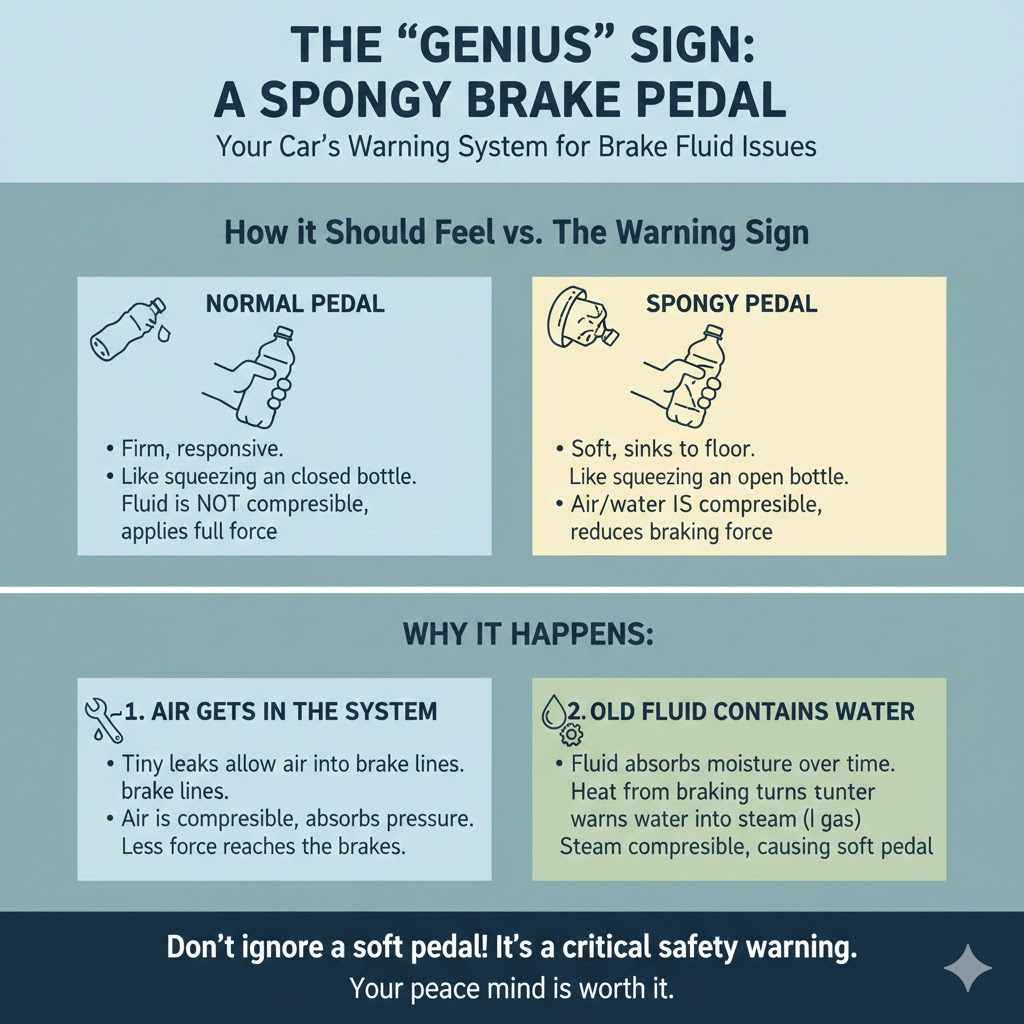
Imagine squeezing a water bottle with the cap on. It’s firm, right? Now, imagine squeezing it with the cap off. It collapses easily. This is the perfect way to think about your brake system. When everything is right, your brake pedal should feel firm and responsive. When it feels soft, squishy, or “spongy,” it’s like that open water bottle—there’s air or a lack of pressure in the system.
This spongy feeling is the most direct and reliable sign that you have a brake fluid problem. But why does this happen? Brake fluid is part of a hydraulic system. When you press the pedal, you’re pushing this fluid through tubes (brake lines) to squeeze the brake pads against the rotors, stopping your car. It works because fluid can’t be compressed.
However, two things can go wrong:
- Air Gets in the System: If there’s a leak, even a tiny one, air can get into the brake lines. Unlike fluid, air is very compressible. So when you press the pedal, you’re squeezing the air bubbles instead of applying full force to the brakes. This is what causes that spongy, ineffective feeling.
- Old Fluid Contains Water: Brake fluid is designed to absorb moisture from the air over time. Water boils at a much lower temperature than brake fluid. The heat from braking can turn this water into steam (a gas), which, like air, is compressible. This also leads to a soft pedal.
So, the next time you drive, pay attention to how your brake pedal feels. If it sinks toward the floor or feels less firm than it used to, don’t ignore it. It’s your car’s way of telling you it needs help.
Other Telltale Signs Your Brake Fluid is Low or Bad
While a spongy pedal is the classic sign, your car might give you other clues. Being aware of these can help you catch a problem before it gets worse.
1. The Brake Warning Light Comes On
This is your car’s most obvious cry for help. A red or yellow light on your dashboard shaped like an exclamation point in a circle `(!)` or the word “BRAKE” is a clear indicator. This light can mean a few things, but low brake fluid is one of the most common culprits. The sensor in the brake fluid reservoir detects the low level and triggers the warning. Never ignore this light.
2. Strange Noises When You Brake
While squealing or grinding often points to worn brake pads, these noises can sometimes be related to a faulty braking system caused by fluid issues. If the hydraulic pressure isn’t applied evenly due to bad fluid, it can cause the brake components to vibrate or make unusual sounds. If you hear new noises, it’s time to investigate.
3. A Noticeable Drop in Braking Performance
Does it take longer to stop your car than it used to? Do you have to press the brake pedal much harder to get the same stopping power? This is a serious safety concern. Old, water-contaminated brake fluid can’t transfer force as efficiently, leading to a dangerous increase in your stopping distance. Your safety depends on addressing this immediately.
4. Visible Fluid Leaks Under Your Car
If you see a puddle of fluid under your car, you can do a quick check to see what it is. Brake fluid is typically clear to light amber in color and has a slightly oily, slick texture. It’s different from the dark brown of engine oil or the bright colors of coolant (usually green, pink, or orange). Place a piece of white paper under the leak to get a good look at the color. A leak is a sure sign your brake fluid is low for a reason and needs immediate attention from a professional.
Why Is Brake Fluid So Important Anyway?
Think of brake fluid as the unsung hero of your car’s safety system. It’s a special hydraulic fluid that lives in a sealed network of tubes and cylinders. When you press the brake pedal, you’re not physically stopping the wheels with your foot. Instead, you’re pushing a piston that pressurizes the brake fluid.
This pressure travels instantly through the brake lines to all four wheels, where it activates other pistons that clamp the brake pads onto the spinning discs (rotors). This friction is what slows and stops your car. Without brake fluid, pressing the pedal would do absolutely nothing. It’s the critical link between your foot and the wheels.
How to Check Your Brake Fluid in 5 Simple Steps
Checking your brake fluid is one of the easiest and fastest things you can do to ensure your car is safe. You don’t need to be a mechanic, and it only takes a few minutes. Here’s how:
Step 1: Park on a Level Surface and Let the Engine Cool
Safety first! Make sure your car is on flat ground so you can get an accurate fluid level reading. The engine should be off and cool to the touch to avoid any burns.
Step 2: Open the Hood and Locate the Brake Fluid Reservoir
Pop your hood and secure it. The brake fluid reservoir is usually a small, semi-transparent plastic container located at the back of the engine bay, on the driver’s side. It will have a screw-on cap with a symbol that looks like the brake warning light on your dash.
Step 3: Check the Fluid Level
The reservoir has “MIN” (minimum) and “MAX” (maximum) lines marked on the side. You don’t even need to open the cap to check the level. Simply look at the side of the container. The fluid level should be between these two lines. If it’s at or below the “MIN” line, it’s too low.
Step 4: Inspect the Fluid Color and Clarity
Now, look closely at the fluid itself. New brake fluid is nearly clear with a slight yellowish tint. Over time, it absorbs moisture and collects dirt, causing it to darken. If the fluid looks dark brown or black, it’s old and contaminated. It needs to be replaced, even if the level is fine.
Step 5: Check the Cap and Seal
Before closing everything up, make sure the cap is clean. Wipe off any dirt or debris around the cap before you open it (if you need to add fluid). This prevents dirt from falling into your brake system, which can cause serious damage. If you do open it, screw the cap back on tightly to maintain a proper seal.
Understanding What Your Brake Fluid’s Color Means
The color of your brake fluid is a fantastic indicator of its health. A quick glance can tell you if you’re good to go or if it’s time for service. Here’s a simple breakdown:
| Fluid Color | What It Means | Action Required |
|---|---|---|
| Clear to Light Yellow | Healthy & New | No action needed. Your fluid is in great shape. |
| Light Brown / Amber | Getting Old | The fluid is starting to age and absorb moisture. Plan to have it flushed at your next major service. |
| Dark Brown or Black | Old & Contaminated | This fluid is full of moisture and contaminants. It needs to be flushed and replaced as soon as possible for safety. |
Low Fluid vs. Old Fluid: What’s the Difference?
It’s important to understand that having low fluid is different from having old, “bad” fluid. Both are problems, but they point to different underlying issues.
- Low Brake Fluid: This almost always means one of two things. First, your brake pads are very worn down. As pads wear, the brake calipers have to extend further, which draws more fluid from the reservoir. Second, and more seriously, it could mean you have a leak somewhere in the system. Topping off a leak is only a temporary fix; the leak itself must be repaired.
- Old Brake Fluid: This is a maintenance issue. Even in a perfectly sealed system, brake fluid absorbs moisture over time, which lowers its boiling point and makes it less effective. That’s why car manufacturers recommend a brake fluid flush every two to three years, regardless of mileage. According to the National Highway Traffic Safety Administration (NHTSA), checking your brake fluid is a critical part of vehicle safety.
What Happens If You Ignore the Signs?
Ignoring signs of brake fluid problems is not something to take lightly. Your car’s ability to stop is not negotiable. Continuing to drive with low or contaminated brake fluid can lead to several dangerous outcomes:
- Increased Stopping Distances: The first thing you’ll notice is that it takes longer to stop. In an emergency, those extra feet can be the difference between a close call and a serious accident.
- Complete Brake Failure: This is the worst-case scenario. If the fluid level drops too low due to a leak, air will enter the system, and you could lose all braking power. If old fluid boils from heat, the resulting steam will create the same effect, and the pedal will go straight to the floor with no resistance.
- Damage to Brake System Components: Moisture-filled brake fluid can cause rust and corrosion from the inside out. This can damage expensive parts like the master cylinder, calipers, and anti-lock brake system (ABS) module, leading to much costlier repairs down the road.
Adding Fluid vs. A Full Brake Flush: Which Do You Need?
So, you’ve found your brake fluid is low or dark. What’s the next step? Should you just top it off or get a complete flush? The answer depends on the situation.
When to Just Add Fluid
Adding a small amount of brake fluid is only a temporary fix in very specific situations. For example, if your fluid is just slightly below the “MAX” line but still looks clean and your brake pads are getting worn, a small top-off might be acceptable until you get your pads replaced. However, if the level is near the “MIN” line, you likely have a bigger issue (like a leak) that needs to be diagnosed.
When You Need a Full Brake Flush
A brake fluid flush (or bleed) is the process of removing all the old, contaminated fluid from the system and replacing it with fresh, new fluid. This is the correct course of action in most cases.
Here’s a table to help you decide:
| Situation | Top-Off or Flush? | Reason |
|---|---|---|
| Fluid is dark brown or black. | Flush | The fluid is contaminated and has lost its effectiveness. Topping it off won’t remove the moisture and dirt. |
| Fluid level is very low (at or below MIN). | Diagnose First, then Flush | A significant drop in level suggests a leak or severely worn pads. The root cause must be fixed before new fluid is added. |
| Brake pedal feels spongy. | Flush & Bleed | A spongy pedal means there’s air or moisture in the lines. A flush and bleed procedure is required to remove it. |
| It’s been over 2-3 years since the last change. | Flush | Brake fluid ages with time, not just mileage. It should be replaced as part of routine maintenance. |
DIY or Call a Professional?
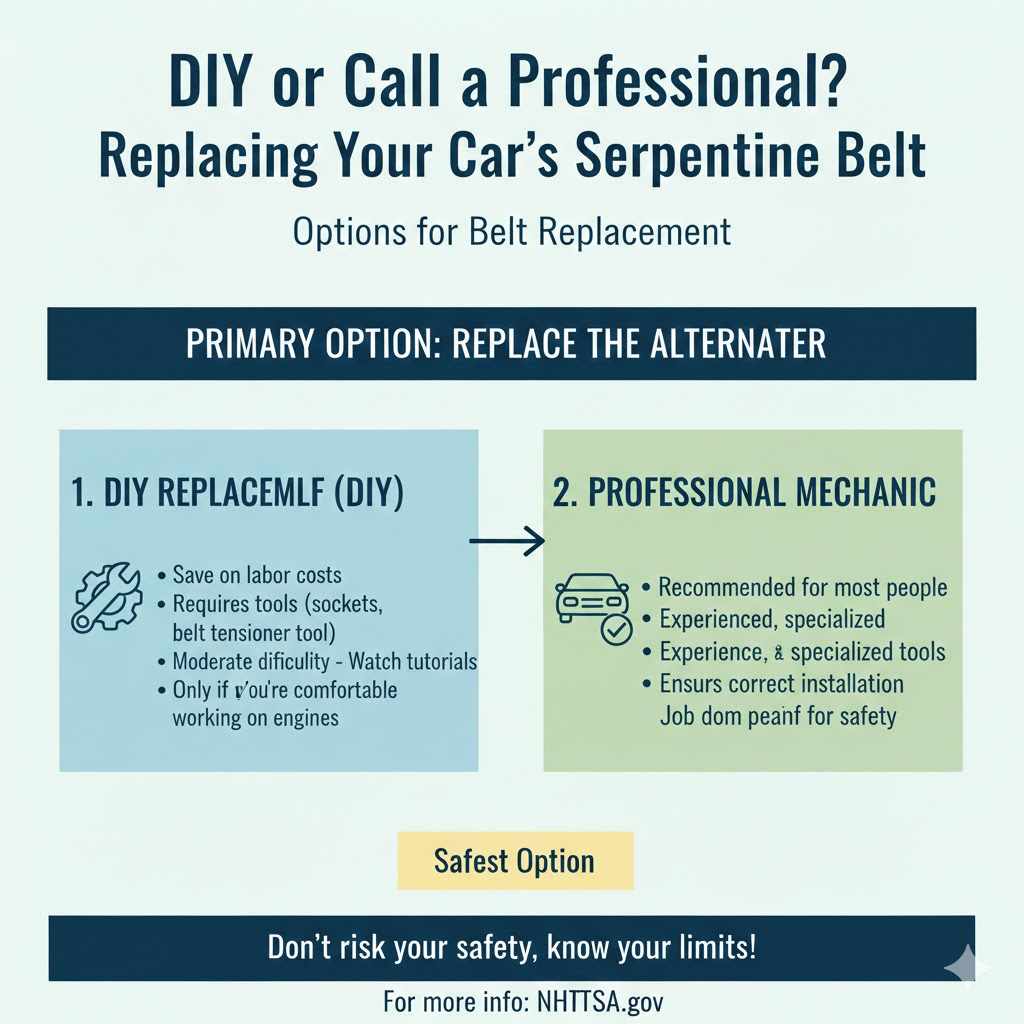
Now for the big question: can you do this yourself?
Topping off the fluid is a very simple DIY task. If your fluid is clean and just a little low, you can buy the correct type of fluid (check your owner’s manual!) and carefully pour a small amount into the reservoir to bring it up to the “MAX” line. Be careful not to spill it, as brake fluid can damage your car’s paint.
A full brake fluid flush and bleed is a more advanced job. While it is possible to do at home with the right tools (like a brake bleeder kit and wrenches), it can be tricky. If done incorrectly, you can introduce more air into the system, making your brakes even worse.
For most beginner and intermediate DIYers, I recommend leaving a full brake flush to a trusted mechanic. It’s a relatively inexpensive service, and it guarantees your most important safety system is working perfectly. Your peace of mind is well worth it.
Frequently Asked Questions (FAQ)
1. What type of brake fluid does my car need?
The type of brake fluid your car requires (e.g., DOT 3, DOT 4, DOT 5.1) is specified in your owner’s manual. It’s also often printed on the cap of the brake fluid reservoir. Using the wrong type can cause serious damage to your brake system, so always double-check!
2. Can I drive my car if the brake fluid is low?
It is not recommended. Low brake fluid is a sign of a problem that compromises your ability to stop safely. If the level is only slightly low but your brakes feel normal, you might be able to drive cautiously to a repair shop. If the brake warning light is on or the pedal feels spongy, it’s best to have your car towed.
3. How much does a brake fluid flush cost?
A professional brake fluid flush is generally an affordable service. Prices can vary depending on your location and vehicle, but you can typically expect to pay between $80 and $150. It’s a small price for ensuring your brakes are in top condition.
4. How often should I check my brake fluid?
A good rule of thumb is to check your brake fluid every time you get your oil changed, or at least twice a year. It only takes a minute and can help you spot a problem early.
5. Can I mix old and new brake fluid?
While you can top off with new fluid, it doesn’t solve the problem of old, contaminated fluid already in the system. The new fluid will mix with the old, and the overall quality will still be poor. A full flush is always the better solution for long-term safety and performance.
6. What does brake fluid smell like?
Brake fluid has a unique, slightly oily, and somewhat fishy or acrid smell. It’s not as pungent as gasoline but it’s distinct from motor oil. If you smell this inside your car, it could indicate a leak in the master cylinder behind the brake pedal.
7. Is it normal for brake fluid level to drop slightly over time?
Yes, it’s normal for the fluid level to drop very slowly as your brake pads wear down. The pistons in the brake calipers have to travel further to apply the worn pads, and this extra volume is filled by fluid from the reservoir. However, a sudden or large drop in the fluid level indicates a leak.
Conclusion: Trust Your Foot and Stay Safe
Your car has a clever way of talking to you, and the brake pedal is one of its most important lines of communication. That “genius sign”—a soft, spongy feel under your foot—is a clear message that your brake fluid needs attention. By learning to listen to this sign and performing simple checks, you can take control of your car’s health and, more importantly, your safety on the road.
Remember, checking your brake fluid is fast, easy, and one of the most powerful things you can do as a car owner. Whether you find the fluid is dark and old or dangerously low, you now know what to look for and what to do next. You don’t have to be a master mechanic to be a smart, confident driver. Stay proactive, trust your instincts, and never hesitate to seek professional help when it comes to your brakes. Happy and safe driving!