Is Renting a Car for Uber Worth It? 2026 Cost Breakdown
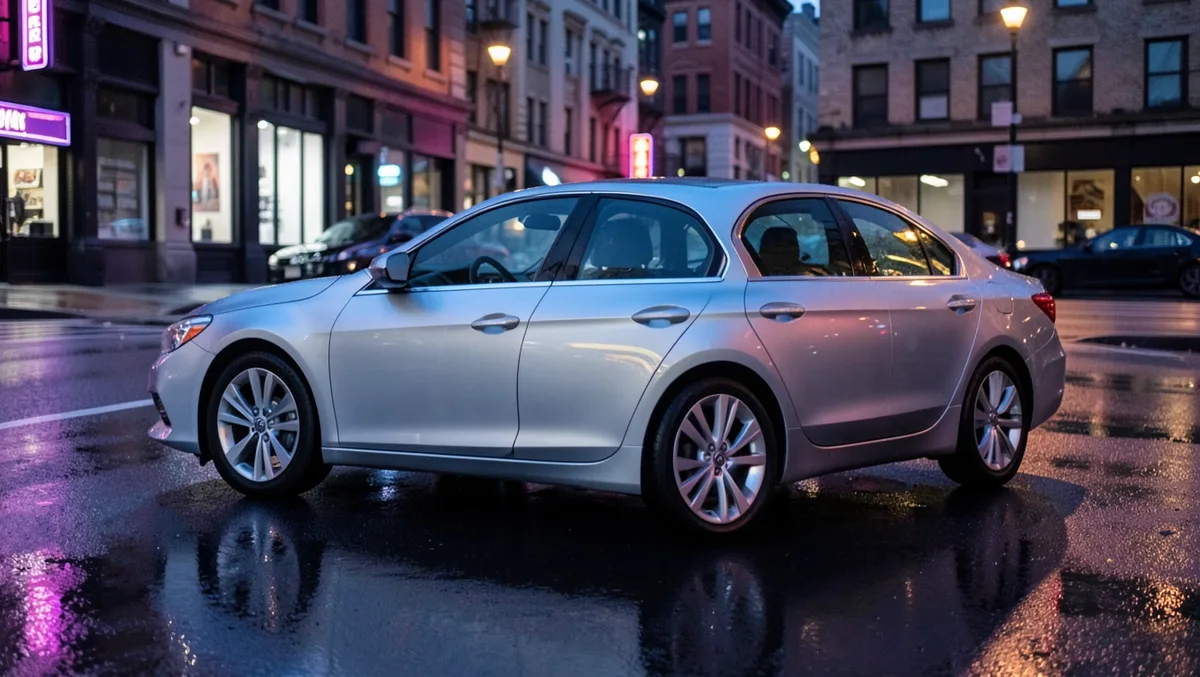
Renting a car for Uber is worth it if you can clear the weekly rental fee with room to spare, which usually means driving at least 20 hours a week. Hertz’s Uber rental program starts at $240 a week for a gas vehicle and $265 a week for an EV, with insurance and routine maintenance built into the price, while Avis charges $250 to $300 a week in the smaller number of markets it serves. New or occasional drivers who do not want to gamble on buying a car tend to come out ahead on the math. Full-time drivers logging 40-plus hours a week are usually better off owning.
This guide breaks down what renting actually costs in 2026, how that compares to owning, and where a driver who rents for Uber or Lyft tends to lose money without realizing it.
Pros of Renting a Car for Uber
BEST DASH CAM FOR RIDESHARE LIABILITY PROTECTION
 |
COOAU D30S 4K Dual Dash Cam – $129.99 Whether you rent or own, a front-and-interior dash cam protects you if a rider disputes a fare, stages an accident, or files a false complaint that could get your driver account suspended.
|
Renting removes the biggest barrier to driving for Uber: not having a car that qualifies. You can match the vehicle to the work instead of the other way around — a compact sedan for solo trips and better fuel economy, or a roomier SUV for Uber XL requests that pay more per ride. If the car does not work out, most rental agreements let you swap it at the end of a rental period rather than locking you into a purchase.
The bigger financial upside is what is bundled into the weekly fee. Hertz and Avis rideshare rentals include liability insurance and routine maintenance, so an oil change, a set of tires, or a check-engine light does not come out of your pocket the way it would with an owned car. That predictability matters more than it sounds: a driver who owns their car absorbs surprise repair bills directly out of that week’s earnings, while a renter’s worst-case cost is usually just losing access to the car for a day.
Cons of Renting a Car for Uber
The math only works if you drive enough. A $240-a-week rental is a fixed cost whether you log 10 hours or 40, so a slow week still costs the same as a busy one. Drivers who only work part-time, or who take an unplanned week off, can end up paying rent on a car that sat mostly idle.
You also give up control over the vehicle itself. Rental cars come as-is, so you cannot add a hitch, a phone mount that is drilled in, or aftermarket seat covers the way you could with your own car. And because the rental company owns the vehicle, you build no equity in it — every dollar you pay goes to the company, not toward an asset you will eventually own outright.
What Renting a Car for Uber Actually Costs in 2026
Uber’s two main rental partners are Hertz and Avis, and their pricing sets the real benchmark for this decision. Hertz’s program starts at $240 a week for a standard gas vehicle, $265 a week for an EV, and $280 a week for a Comfort-eligible vehicle once an initial seven-week introductory rate ends. A refundable $200 security deposit is collected at pickup. Insurance and maintenance are included, and the plan comes with a generous daily mileage allowance, with a per-mile overage charge if you go well beyond it — ask the specific location for the current mileage terms before you sign, since they can vary by market. Avis runs a comparable program in the smaller number of cities it covers, typically $250 to $300 a week.
One older option is no longer part of the equation: HyreCar, the peer-to-peer marketplace that used to let private car owners rent directly to rideshare drivers, has shut down. If you see it recommended in an older article or forum post, treat that as outdated and stick to Uber’s current Hertz and Avis partnerships instead.
Initial Investment
Renting sidesteps the biggest hurdle of car ownership: the down payment. Instead of a multi-thousand-dollar upfront cost, you pay a $200 refundable deposit and your first week’s rent, and you are on the road. Buying a car for Uber means covering a down payment (or the full price), title and registration fees, and your own insurance policy before you give a single ride.
Long-Term Expenses
Over months of driving, the comparison flips. A renter’s weekly payment never changes no matter how many miles pile up, and covers wear and tear the rental company absorbs when the car eventually gets resold or retired. An owner pays less per week on paper but carries the depreciation and repair risk directly — a transmission problem or an accident deductible can wipe out several weeks of profit at once. High-mileage, full-time drivers often come out ahead owning once they pass the point where a car payment and insurance cost less than $240 to $280 a week; casual and part-time drivers rarely reach that break-even point.
Earnings Potential With a Rental
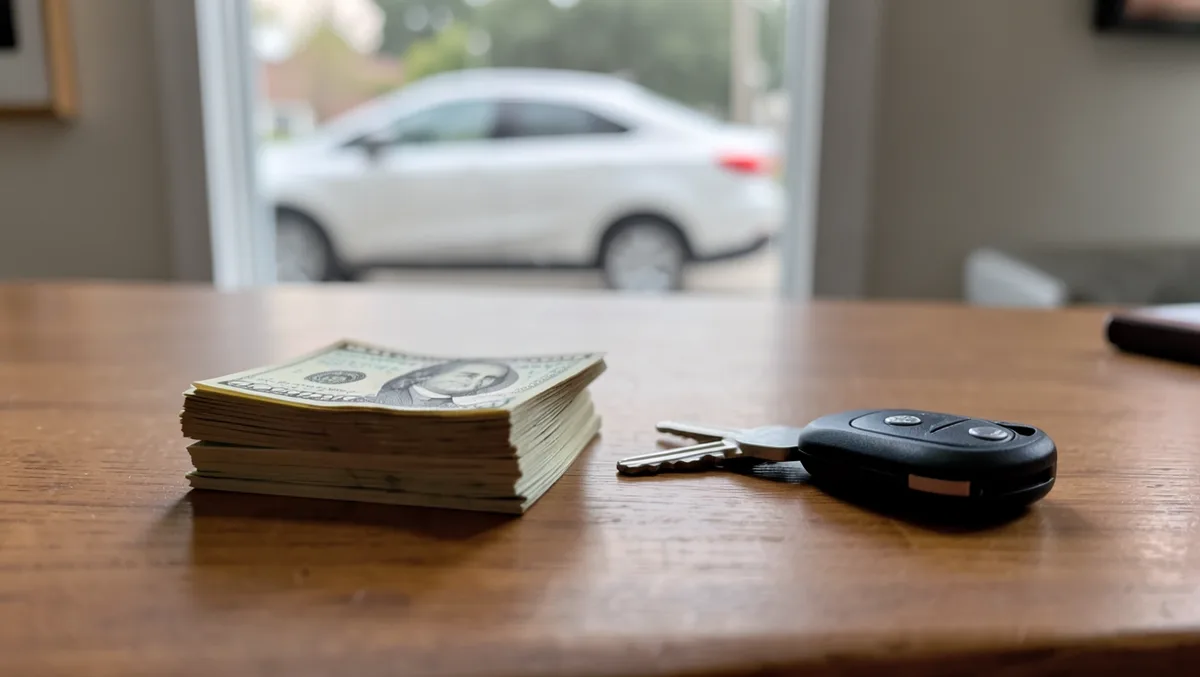
The average Uber driver grosses somewhere around $500 to $850 a week, depending on hours and market, at roughly $20 to $25 an hour before expenses. After gas, the platform’s commission, and normal wear on the vehicle, that typically nets out to about $12 to $18 an hour. A renter’s insurance and maintenance are already covered inside the weekly rental fee, so the main variable cost left is fuel — which makes it easier to estimate, in advance, whether a given week will clear the rent.
Surge pricing is where a rental can pay for itself fastest. Rides during late nights, weekends, and major local events routinely pay well above the base rate, and a driver who plans shifts around those windows can cover a $240 weekly rental in well under 20 hours of active driving. Early mornings and the late-afternoon commute are usually the next-most reliable windows for steady demand.
Insurance and Liability When You Rent
Insurance is the detail most new renters skip past, and it is the one that matters most if something goes wrong. Hertz and Avis rideshare rentals are built for commercial rideshare use and include liability coverage for the time you are logged into the Uber or Lyft app, which is exactly what a personal auto policy usually will not cover. That is different from renting a car from a general consumer rental counter and trying to use it for Uber — standard rental agreements typically exclude commercial use entirely, and getting caught can void your coverage right when you need it.
Read the specific terms of your rental agreement before your first shift. It should spell out what counts as commercial use, what your deductible is if you are in an at-fault accident, and whether there are restrictions on using the vehicle outside of active rideshare driving. Asking the rental location directly, before you sign, is faster than finding out the hard way after a claim.
Strategies to Maximize Earnings in a Rental
Because the rental clock runs whether you are driving or not, the goal is to spend as much of your paid time actually earning as possible. Check a traffic app before you start a shift and stay near the areas with steady ride requests instead of driving toward one far-off surge. Shorter routes between rides mean more completed trips per hour, and a short break when you are tired is cheaper than the mistake a tired driver eventually makes.
Ratings still affect which requests you get and how often riders tip, so the basics are worth the extra minute: keep the car clean, greet riders, and arrive on time. None of that changes with a rental car, but it matters more when every hour is already paying off a fixed weekly cost.
Evaluating Your Personal Situation
Where you drive changes the math as much as the rental rate does. Dense cities generate more ride requests per hour but also more time stuck in traffic that is not earning anything. Smaller towns have less competition for rides but longer, less predictable gaps between them. Either way, factor your realistic drive time to a busy pickup zone into the decision, not just the rental price.
Set a specific weekly earnings target before you commit to a rental — the rental fee, fuel, and your own take-home number, added up front. If you cannot see a realistic path to clearing $240 to $300 a week with room left over, either the location, the hours, or renting itself is the wrong fit for right now.
Tax Implications for Rental Drivers
Rental drivers are taxed differently than owner-drivers in one important way: the IRS standard mileage rate only applies to a car you own or lease. If you rent through Hertz, Avis, or a similar program, you cannot use the standard mileage deduction — instead, you deduct your actual rental payments as a business expense, prorated for the share of your driving that was for Uber versus personal use. That distinction trips up a lot of first-time renters who assume the same per-mile deduction applies no matter how they got the car.
Fuel, tolls, phone data used for the app, and any Uber-related supplies are still deductible on top of the rental payments. Keep a simple log of the date, purpose, and mileage of every trip, and save your rental receipts and fuel receipts as you go rather than trying to reconstruct months of records in April. A driving-log app or even a basic notebook makes this far less painful at tax time.
Frequently Asked Questions
Is It Worth Getting a Car Through Uber?
It is usually worth it for drivers putting in at least 20 hours a week, since Hertz and Avis rental rates of $240 to $300 a week already include insurance and maintenance. Below that, the fixed weekly cost is harder to clear, and buying or using a car you already own is often the cheaper path.
Is Leasing a Car for Uber Worth It?
Leasing can work if your weekly earnings comfortably cover the lease payment plus insurance and the lease’s mileage limit fits how much you actually drive. Unlike a Hertz or Avis rideshare rental, a lease locks you in for months at a time and charges steep fees for excess mileage, so it fits high-mileage, consistent full-time drivers better than occasional ones.
Can I Make $500 a Day With Uber?
It is possible but not typical. Most full-time drivers gross $500 to $850 in a full week, not a single day; hitting $500 in one day generally requires a big city, back-to-back surge pricing, and 10-plus hours behind the wheel. Treat it as an occasional peak day, not a reliable daily number.
What Are the Benefits of Renting a Car Through Uber?
The main benefits are no down payment, insurance and maintenance built into the weekly rate, and the ability to start or stop driving without being tied to a car you own. The tradeoff is a fixed weekly cost that runs whether you drive 10 hours or 40, and no equity built up in the vehicle over time.
Can I Drive for Both Uber and Lyft With a Rented Car?
It depends on which specific rental agreement you sign. Hertz and Avis each run separate rideshare partnerships, and whether a given rental lets you dual-app across both platforms is spelled out in that program’s terms rather than being a blanket yes or no. Confirm it with the rental location directly before you plan on driving for both.
Conclusion
Renting a car for Uber makes the most sense for new, part-time, or undecided drivers who want to test the work without committing to a purchase, and for anyone whose own car does not meet Uber’s vehicle requirements. At $240 to $300 a week with insurance and maintenance included, the fixed cost is predictable but unforgiving of slow weeks. Full-time drivers who can consistently clear 40-plus hours a week usually save more money owning a car outright over the long run. Run your own numbers — expected weekly hours, local surge patterns, and your area’s exact rental rate — before deciding either way.
Products related to this article
Sponsored / affiliate links. As an Amazon Associate I earn from qualifying purchases. I may earn additional commission from eligible campaigns.