How Does A Car Act With A Blown Head Gasket?
My First Encounter with a Blown Head Gasket. Years ago, my trusty old sedan started puffing white smoke like a dragon. I thought it was just a quirky day, but nope—a blown head gasket was the culprit! If you’re wondering how does a car act with a blown head gasket, you’re in the right place. This article breaks it down with simple explanations, real-world examples, and tips to spot and handle this pesky car problem. Whether you’re a newbie driver or a gearhead, I’ll guide you through what happens, how to check, and what to do next—all in plain English. Let’s dive in and save your car from a smoky fate!
What Is a Head Gasket and Why Does It Matter?
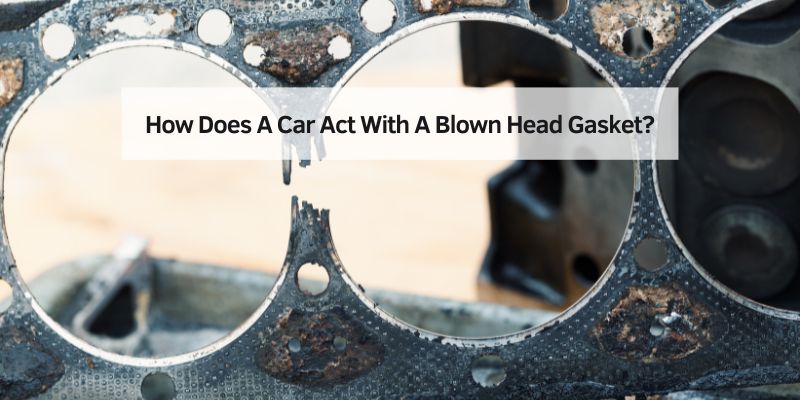
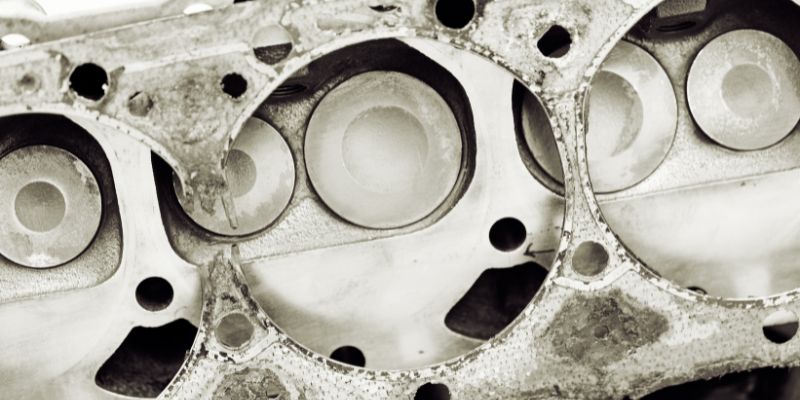
A head gasket is a thin seal between your car’s engine block and cylinder head. It keeps oil, coolant, and combustion gases where they belong.
Think of it like a sandwich layer holding everything together. When it “blows” or fails, fluids and gases mix, causing big trouble. A blown head gasket can wreck your engine if ignored, leading to costly repairs. I learned this the hard way when my car overheated on a road trip. Catching it early saves time, money, and headaches, so let’s explore how your car acts when this happens.
How Does a Car Act With a Blown Head Gasket?
A blown head gasket makes your car behave like it’s having a bad day. Here’s what you might notice:
- White Smoke from Exhaust: Coolant leaks into the combustion chamber, burning into a sweet-smelling white cloud. My sedan looked like a fog machine!
- Overheating Engine: Coolant escapes, so the engine gets too hot. Your temp gauge might spike.
- Loss of Power: Leaking combustion gases sap your car’s pep, making it sluggish.
- Milky Oil or Coolant: Oil and coolant mix, forming a “milkshake” under the oil cap or dipstick.
- Bubbles in Coolant: Combustion gases sneak into the cooling system, creating bubbles in the radiator.
These signs scream trouble, but don’t panic. Spotting them early can prevent bigger issues.
Why Do These Symptoms Happen?
Each symptom ties to the head gasket’s job. It seals three things: oil, coolant, and combustion pressure. When it fails, coolant might leak into cylinders, causing white smoke. Or oil mixes with coolant, creating that milky mess. Overheating happens because coolant can’t do its job. I once ignored a smoky exhaust, thinking it was normal. Big mistake—my engine nearly cooked!
How to Spot a Blown Head Gasket: Easy Steps
Diagnosing a blown head gasket is like playing car detective. Here’s a simple step-by-step guide to check your car:
- Check the Exhaust: Start your car and look for white, sweet-smelling smoke from the tailpipe.
- Inspect the Oil: Pop the hood and check the oil dipstick or cap for milky, frothy residue.
- Watch the Temperature Gauge: Drive for a bit and see if the engine overheats quickly.
- Look for Coolant Bubbles: With the engine cool, remove the radiator cap and start the car. Bubbles mean trouble.
- Test with a Kit: Use a head gasket test kit (about $30 at auto stores) to check for combustion gases in the coolant.
I tried these steps on my old car and caught the issue before it trashed the engine. You can do this at home with basic tools like a flashlight and gloves.
Tools You’ll Need
Here’s what you need to diagnose a blown head gasket:
- Flashlight: To spot milky oil or coolant leaks.
- Gloves: Keep your hands clean and safe from hot parts.
- Head Gasket Test Kit: Finds combustion gases in coolant (available at AutoZone or Advance Auto Parts).
- Wrench or Screwdriver: For checking radiator caps or dipsticks.
These are cheap and easy to find. No fancy gear needed!
Common Causes of a Blown Head Gasket
Head gaskets don’t just fail for fun. Here are the top reasons:
- Overheating: A clogged radiator or low coolant can overheat the engine, warping the gasket.
- Poor Maintenance: Old coolant or skipped oil changes stress the gasket.
- High Mileage: After 150,000 miles, gaskets wear out naturally. My sedan hit this mark!
- Bad Fuel or Driving Habits: Using low-octane fuel or aggressive driving can cause detonation, damaging the gasket.
Avoid these by keeping up with maintenance. Check your coolant yearly and use the right fuel for your car.
Table 1: Common Causes vs. Prevention Tips
| Cause | Prevention Tip |
|---|---|
| Overheating | Check coolant levels monthly. |
| Poor Maintenance | Change oil and coolant every 5,000 miles. |
| High Mileage | Inspect gaskets after 100,000 miles. |
| Bad Fuel/Driving Habits | Use recommended fuel; drive smoothly. |
Caption: Simple steps to prevent a blown head gasket.
Can You Drive With a Blown Head Gasket?
Technically, yes, but it’s a bad idea. Driving with a blown head gasket can wreck your engine. You’ll lose power, overheat fast, and risk mixing oil and coolant, which ruins bearings. I drove a few miles with a failing gasket once—my engine sputtered like it was coughing! Fix it quick to avoid a $2,000+ repair bill. A temporary sealer like K-Seal can buy time, but it’s not a long-term fix.
Risks of Driving With a Blown Head Gasket
- Engine Damage: Overheating warps parts like the cylinder head.
- Oil Contamination: Milky oil stops lubricating, causing wear.
- Safety Hazards: Hot coolant leaks can burn you or start fires.
Stop driving if you spot symptoms and get it checked. Safety first!
Temporary Fixes: Do They Work?
Head gasket sealers like K-Seal or BlueDevil can patch small leaks. You pour them into the radiator, run the car for 15-30 minutes, and they seal cracks. I tried K-Seal once, and it held for a month until I could afford a real fix. But they’re not magic—big leaks need professional repair. Always follow up with a mechanic.
Table 2: Head Gasket Sealer Comparison
| Sealer Brand | Cost | Ease of Use | Lasts For |
|---|---|---|---|
| K-Seal | $20 | Pour and drive | Weeks to months |
| BlueDevil | $25 | Pour and drive | Weeks to months |
| Steel Seal | $30 | Complex mixing | Up to a month |
Caption: Comparing popular head gasket sealers for temporary fixes.
Repair Costs and What to Expect
Fixing a blown head gasket isn’t cheap. Expect to pay $1,000-$2,500 at a shop, depending on your car. Labor takes hours because the engine must come apart. Parts like gaskets and bolts cost $100-$300, but labor drives up the bill. I got a quote for $1,800 on my sedan—ouch! Shop around for deals at trusted places like NAPA AutoCare or AAA Approved Repair.
Tips to Save Money
- Compare Quotes: Check at least three shops for the best price.
- Use Quality Parts: Cheap gaskets fail faster. Go for MLS (multi-layer steel) gaskets.
- Fix Early: Small leaks are cheaper to repair than full engine damage.
My Top Tips From Fixing Cars
After years of wrenching, here’s what I’ve learned about blown head gaskets:
- Check Coolant Often: Low coolant is a red flag. Top it off monthly.
- Don’t Ignore Smoke: White exhaust means act now, not later.
- Use a Test Kit: It’s a cheap way to confirm the problem before spending big.
- Find a Good Mechanic: Ask friends or check Haynes Manuals for trusted shops.
These tips saved me hundreds on repairs. Trust me, catching it early is a game-changer!
Visual Ideas for Better Understanding
To make this easier, here are visual ideas (not included):
- Diagram of a Head Gasket: Show where it sits between the engine block and cylinder head.
- Symptom Chart: A flowchart linking symptoms (e.g., white smoke) to causes.
- Coolant Bubble Test: A step-by-step graphic for checking radiator bubbles.
Conclusion
A blown head gasket makes your car act like it’s throwing a tantrum—white smoke, overheating, and sluggish power are big clues. By checking your oil, exhaust, and coolant, you can spot trouble early. Don’t drive too long with these symptoms; it’s like playing with fire! Use my steps to diagnose it, consider a temporary sealer, and get a pro to fix it. Your car will thank you with a longer life. Try checking your coolant today or share your car troubles in the comments. Let’s keep those engines purring! For more tips, visit FCP Euro or K-Seal.
Frequently Asked Questions
What Does a Blown Head Gasket Look Like?
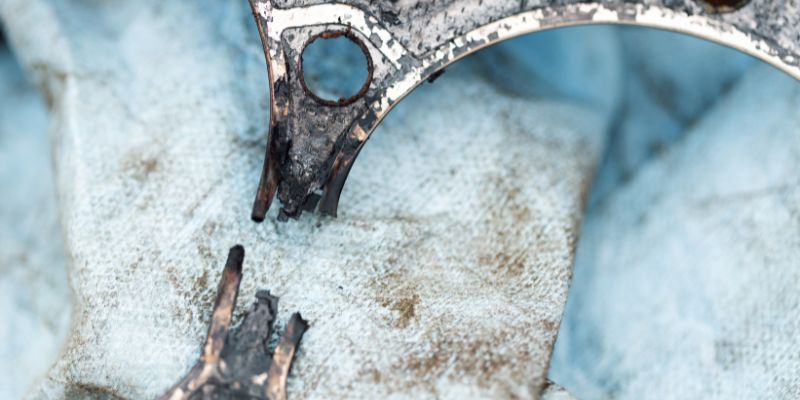
Coolant or oil may leak, creating white smoke from the exhaust or milky oil on the dipstick. You might see bubbles in the radiator too. These signs mean the gasket isn’t sealing properly anymore.
Can I Fix a Blown Head Gasket Myself?
It’s tough without pro tools and skills. You need to dismantle the engine, which takes hours. Try a sealer like K-Seal for a quick fix, but see a mechanic for a permanent repair.
How Long Can I Drive With a Blown Head Gasket?
Not long—maybe a week or two. Driving risks engine damage from overheating or oil contamination. Stop driving and use a sealer or get it fixed to avoid costly repairs.
Why Does a Head Gasket Blow?
Overheating, old age, or bad maintenance like low coolant can cause it. Using the wrong fuel or aggressive driving also stresses the gasket, leading to cracks or leaks.
How Much Does It Cost to Fix a Blown Head Gasket?
Repairs cost $1,000-$2,500, depending on your car and labor rates. Parts are $100-$300, but labor is the big expense. Shop around for the best deal.
Can a Head Gasket Sealer Really Work?
Yes, for small leaks. Pour it into the radiator, run the car, and it seals cracks temporarily. It’s not a permanent fix, so follow up with a mechanic soon.
How Do I Prevent a Blown Head Gasket?
Check coolant and oil regularly, use the right fuel, and avoid overheating. Change fluids every 5,000 miles and inspect gaskets after 100,000 miles to stay safe.