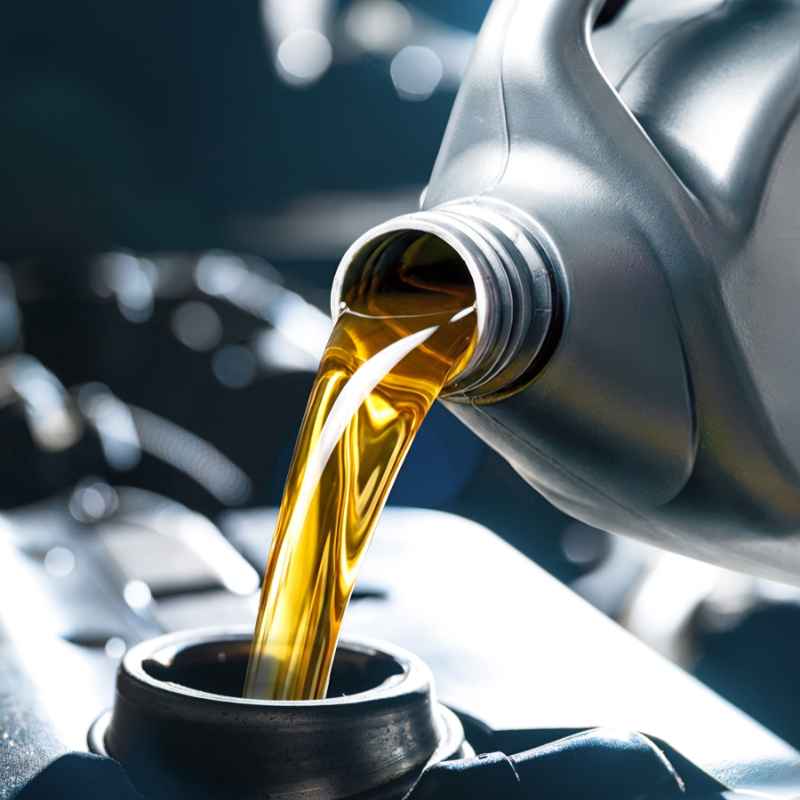
How Hot Does Car Oil Get? Engine Temps Fully Explained
It’s a question that pops into your head maybe when you’re driving on a hot day, or perhaps after hearing a little noise from your engine. You might even wonder about it when you see a mechanic talking about oil. You’re asking, “How hot does car oil get?” It’s a really good question because oil is like the lifeblood of your engine — see our related guide, Do You Need to Warm Up Your Car? Myths Busted.
Understanding its temperature helps you keep your car running smoothly and can even help you spot problems early.
So, let’s dive in. We’ll explore what normal temperatures look like. We’ll also talk about why it gets so hot.
And importantly, we’ll cover what might be going on if it gets too hot. This knowledge will help you feel more confident about your car and its needs. Let’s get your questions answered clearly and simply.
Car engine oil typically gets hot, reaching temperatures between 195°F and 220°F (90°C to 104°C) during normal operation. However, this can go higher under stress, with some engines operating safely up to 250°F (121°C) or even slightly more in extreme conditions. Extreme heat can damage engine parts, while oil that’s too cool can also be problematic.
Understanding Engine Oil Temperatures
So, what exactly is happening under the hood to make your engine oil hot? It’s a combination of factors, and it’s a necessary part of how your engine works. Your car’s engine burns fuel to create power.
This burning process creates a lot of heat. The engine parts move very fast, creating friction. Both the burning fuel and the friction generate intense heat.
The oil’s job is to manage this heat. It flows everywhere inside the engine. It coats all the moving metal parts.
As it flows, it picks up heat. Then, it carries that heat away. It brings the heat to parts of the engine designed to cool it down.
Think of the oil pan at the bottom. Or the metal surfaces exposed to the air. The oil helps keep everything from melting or seizing up.
Normal operating temperatures for most car engines fall into a specific range. For your engine oil, this is usually somewhere between 195 degrees Fahrenheit and 220 degrees Fahrenheit. That might sound very hot, and it is!
But for the engine, this is the sweet spot. In this range, the oil is thin enough to flow easily. It can get into all the tiny spaces it needs to.
At the same time, it’s thick enough to create a protective film. This film prevents metal parts from grinding against each other. It’s a delicate balance.
The engine’s cooling system works hard to keep the oil in this ideal range. This includes the radiator and the fan. They help dissipate the heat that the oil collects.
Now, what happens if the oil gets hotter than this normal range? This is where things can start to become a problem. If your car is working hard, like climbing a steep hill or towing a trailer, the oil temperature can climb.
It might go up to 250 degrees Fahrenheit. For some cars, this might even be okay for short periods.
But if it goes much beyond that, or stays that high for a long time, you need to pay attention. Very high oil temperatures can start to break down the oil itself. This means it loses its ability to protect your engine.
It becomes less effective at lubricating and cooling. This is when damage can start to happen to critical engine parts.
My Own Close Call with Hot Oil
I remember one summer, I was driving my old pickup truck on a long trip. It was one of those scorching July days here in Texas. The kind where the asphalt seems to shimmer.
I was hauling some furniture for a friend, so the truck was pretty loaded down. We were climbing this long, gradual incline on the highway, and the engine started to sound a little strained. I had never really paid much attention to my oil temperature gauge before.
It was usually just pointing somewhere in the middle.
But that day, I noticed it creeping up. It was higher than I had ever seen it. It was getting close to the ‘H’ on the dial.
My stomach did a little flip. I started to get that familiar pit-of-your-stomach feeling of unease. Was the engine overheating?
Was the oil failing? I imagined all sorts of terrible noises and smoke.
I decided to pull over at the next exit. As I slowed down, I could feel the engine start to relax a bit. I popped the hood, not really knowing what I was looking for, but just needing to do something.
The heat radiating off the engine was intense. I could smell a faint, hot oil odor. It wasn’t a burning smell, thankfully, but definitely hot.
I let the truck idle for a bit in the shade of a gas station. I watched the temperature gauge slowly, thankfully, start to drop back down. It eventually settled back into its usual spot.
It was a stark reminder that even in a tough old truck, the engine is working hard. And the oil is working even harder to keep it all from falling apart. That day taught me to really pay attention to those little gauges.
What Keeps Oil From Getting Too Hot?
Engine Cooling System: Your car has a complex cooling system. This includes a radiator, coolant, and a fan. It removes heat from the engine block.
This also helps cool the oil.
Oil Cooler (Sometimes): Some cars, especially those that tow or perform heavily, have an extra part. This is an oil cooler. It looks like a small radiator just for the oil.
Oil Viscosity: The thickness of your oil matters. The right oil for your car stays stable at high temperatures. It doesn’t get too thin.
Airflow: Driving at speed allows air to flow through the radiator. This helps cool the engine and the oil.
Factors Affecting Oil Temperature
It’s not just about the engine working. Several things can influence how hot car oil gets. The most obvious is how you’re driving.
If you’re flooring it on the highway, or constantly accelerating and braking in city traffic, your engine works harder. This creates more heat. More heat means hotter oil.
It’s a direct link.
Think about climbing a mountain. Your engine is under a lot of strain. It’s working much harder than when you’re cruising on a flat road.
The fuel burns faster. The parts move more intensely. This generates a surge of heat.
The oil has to pick up all this extra heat. So, its temperature goes up. This is why you often see oil temperature rise when driving under load.
The weather outside plays a big role too. On a cold winter day, your engine might take longer to warm up. The oil will be colder at first.
But on a hot summer day, especially if you’re stuck in traffic, the ambient temperature adds to the heat. The engine is trying to cool itself, but the air around it is already hot. This makes cooling less efficient.
So, the oil can get hotter.
Consider towing or hauling heavy loads. When you add weight to your vehicle, the engine has to work harder to move it. This means it burns more fuel.
It creates more friction. Both of these lead to increased heat. This extra heat is then absorbed by the engine oil.
If your car isn’t designed for heavy towing, the cooling system might not be able to keep up. This can lead to very high oil temperatures.
The condition of your engine oil itself is also key. Over time, engine oil breaks down. It loses its lubricating properties.
It can become less effective at cooling. Old, dirty oil might not flow as well. It might not protect parts as it should.
If the oil is due for a change, or if it’s the wrong type for your car, it can contribute to higher oil temperatures.
We’ll talk more about oil types later. But basically, different oils are made for different conditions. Using the wrong type can mean the oil is too thin or too thick at certain temperatures.
This affects its ability to do its job. If the oil isn’t doing its job well, the engine will get hotter. And the oil will get hotter too.
Normal vs. High Oil Temps: A Quick Look
Normal Range: 195°F – 220°F (90°C – 104°C)
Slightly High (Under Load): 220°F – 250°F (104°C – 121°C)
Concerningly High: Above 250°F (121°C)
Extreme Danger: Approaching 300°F (149°C) or higher.
What High Oil Temperatures Mean
When your engine oil gets too hot, it’s a signal. It tells you something isn’t working quite right. The biggest danger of high oil temperatures is that they can damage the oil itself.
Oil is made of special molecules. Heat makes these molecules break apart. This process is called thermal breakdown.
When oil breaks down, it loses its ability to lubricate.
Imagine rubbing two pieces of metal together very fast. You need something slippery between them. That’s what oil does.
If the oil breaks down, it becomes less slippery. It can turn into a sludge or carbon deposits. This sludge can block oil passages.
It means less oil gets to the parts that need it most. This leads to more friction. And more heat.
This is how a bad cycle starts. High heat damages oil. Damaged oil provides less lubrication.
Less lubrication creates more friction. More friction creates more heat. And the cycle continues, getting worse and worse.
This can lead to serious engine damage. Parts can wear out much faster. Or worse, they can seize up.
This is an expensive repair.
One of the first things to suffer is wear on engine components. Pistons, bearings, and the camshaft all rely on that protective oil film. If the oil film breaks down due to heat, these metal parts can grind against each other.
This causes microscopic damage. Over time, this leads to increased wear. It can result in reduced engine performance.
You might notice more noise or less power.
Another concern is oil coking. This is when oil gets so hot it bakes onto hot metal surfaces. It forms hard, black deposits.
These deposits can clog oil pickup screens and narrow oil passages. This restricts oil flow to critical areas. It’s like a clogged artery in your body.
The engine can’t get the oil it needs to stay cool and lubricated.
The exhaust system can also be affected. High oil temperatures can lead to the oil burning. This burning oil can pass through the engine and into the exhaust.
It can damage catalytic converters. These are very expensive parts to replace. So, keeping oil temps in check protects more than just the engine itself.
It’s important to know that some modern cars are designed to run hotter. They might use synthetic oils that are more resistant to heat. They might have advanced cooling systems.
But even these have limits. If your oil temperature gauge is consistently higher than usual, or if it spikes suddenly, it’s worth investigating. Don’t just ignore it.
It’s your car telling you something needs attention.
When Oil Is Too Cool
We talk a lot about oil getting too hot. But what about oil that’s too cool? Is that even a thing?
Yes, it is. While most of us worry about the heat, oil that stays too cool for too long can also cause problems. Your engine needs to reach a certain temperature to run efficiently and cleanly.
When your engine is cold, the oil is thicker. It doesn’t flow as easily. If the engine never gets up to its optimal operating temperature, the oil might not get thin enough.
This means it might not reach all the small parts it needs to lubricate. It can lead to increased wear, especially during those first few minutes after starting the car.
Another issue with cool oil is moisture. Engines produce water vapor as a byproduct of combustion. When the engine gets hot, this water vapor turns into steam and is usually expelled through the exhaust system.
But if the engine, and therefore the oil, stays too cool, this water vapor can condense. It can mix with the oil and form a milky substance.
This milky substance is often called sludge or mayonnaise. It’s a sign that water is getting into your oil. Water in the oil severely degrades its lubricating properties.
It can lead to rust and corrosion inside the engine. It also interferes with the oil’s ability to form a protective film. This leads to more friction and wear.
So, how does an engine stay too cool? It usually happens with vehicles that do a lot of short trips. Think of someone who only drives their car a mile or two to the store and back.
The engine starts, runs for a few minutes, and then shuts off. It never gets a chance to reach its proper operating temperature. This is especially common in colder climates.
Another cause can be a faulty thermostat. The thermostat is a valve that controls the flow of coolant. It stays closed when the engine is cold to help it warm up faster.
Once the engine reaches a certain temperature, the thermostat opens, allowing coolant to circulate and regulate the engine’s heat. If the thermostat gets stuck open, the engine might never get hot enough.
While not as immediately catastrophic as extreme heat, consistently cool oil and engine temperatures can lead to long-term damage. It can reduce the lifespan of your engine. It can also lead to costly repairs down the road.
It’s important for your engine to get hot enough to burn off condensation and run at its peak efficiency.
Signs Your Engine Might Be Running Too Cool
Frequent Short Trips: Many miles are driven, but the engine never fully warms up.
Milky Oil: Check the underside of your oil cap or the dipstick for a frothy, light brown or white substance.
Poor Fuel Economy: An engine running too cool is less efficient.
Check Engine Light: Sometimes, a stuck thermostat can trigger a check engine light.
Real-World Scenarios for Oil Temp
Let’s look at some everyday situations. This helps us see how oil temperature can change based on what you’re doing. We’ve touched on some already, but seeing them laid out can make it clearer.
It’s about understanding the context of your driving.
Imagine you’re driving on a cold morning. You start your car. The oil is thick and cold.
The temperature gauge is low. As you drive, the engine heats up. The oil thins out and begins to flow better.
By the time you reach your destination, maybe 15 minutes later, the oil is likely in its normal operating range of 195-220°F. This is why longer drives are good for your car.
Now, picture a hot summer afternoon. You’re stuck in stop-and-go traffic on the freeway. The outside temperature is 95°F.
Your engine is running constantly. The fan is kicking on and off. The oil is picking up heat from the engine.
But the airflow through the radiator is limited because you’re not moving fast. In this scenario, your oil temperature might creep up a bit higher than normal. It could be in the 220-230°F range, and that’s usually fine.
Your car’s cooling system is designed to handle this.
Consider a weekend camping trip. You’re pulling your RV trailer up a long, steep mountain pass. The engine is working at maximum capacity for an extended period.
You’re pushing the pedal down hard. The outside air might even be warm. In this situation, the oil temperature is likely to climb significantly.
It could reach 240°F, 250°F, or even higher for short bursts. This is when drivers of trucks and SUVs often monitor their gauges closely. They might even have an aftermarket oil temperature gauge installed.
What about a sports car driven on a track? These cars are built to handle extreme conditions. Drivers often use specialized synthetic oils.
They might even have dedicated oil coolers. On a track, the engine is run at high RPMs for extended periods. Oil temperatures can get very high, sometimes reaching 270-300°F or more, but the oil and cooling systems are designed to manage this.
However, even for these cars, there are limits.
Finally, think about an older car that hasn’t been maintained well. Maybe the coolant is low, or the radiator is clogged with debris. Or perhaps it’s just using conventional oil that’s past its prime.
In this case, even normal driving conditions might cause the oil temperature to rise higher than it should. The cooling system isn’t working as efficiently. The oil isn’t protecting as well.
This is a recipe for trouble.
Car Oil Temperature Snapshot
Daily Commute (15 miles, mixed traffic): Normal range (195-220°F)
Highway Cruising (70 mph, flat terrain): Normal range, maybe slightly cooler (190-215°F)
Towing Heavy Load Up a Hill: Elevated range (230-260°F)
Stop-and-Go Traffic on a Hot Day: Slightly elevated range (220-240°F)
Cold Start, Short Trip (1 mile): Below normal, oil remains thick.
What This Means for You
So, what’s the takeaway from all this? Understanding how hot car oil gets isn’t just for mechanics. It’s for you, the car owner.
It helps you keep your car running well and can save you money in the long run. The most important thing is to be aware of your car’s normal operating temperatures.
Most cars have a temperature gauge on the dashboard. Some show a needle that moves across a scale. Others might have a digital display.
Learn where the normal range is for your specific car. If you see the needle creeping up higher than usual, don’t ignore it. Take note of when it happens.
Is it when you’re driving up a hill? Is it when the weather is really hot?
If you notice consistently high oil temperatures, even in normal driving conditions, it’s time to get it checked. It could be something simple like low coolant. Or it might be a sign that your oil needs changing.
It could also point to a more serious issue with your engine’s cooling system. A mechanic can properly diagnose the problem.
Conversely, if you primarily do short trips, be aware of the risk of your engine running too cool. If you notice that milky substance on your oil cap, or if your fuel economy seems worse than usual, consider taking your car for a longer drive on the highway once a week. This helps the engine and oil reach their proper operating temperatures.
It burns off any moisture that might have built up.
Choosing the right oil is also crucial. Always use the type and viscosity of oil recommended by your car’s manufacturer. This information is usually found in your owner’s manual.
Using a synthetic oil can offer better protection at higher temperatures compared to conventional oil. It also tends to break down less quickly.
Regular oil changes are non-negotiable. Old, degraded oil loses its ability to lubricate and cool effectively. Follow the maintenance schedule recommended in your owner’s manual.
If you drive your car in severe conditions (like towing, dusty environments, or extreme temperatures), you might need to change your oil more often. Your owner’s manual will have specific guidelines for this.
Quick Fixes and Tips
While major problems with oil temperature often require professional help, there are some simple steps you can take. These are more about maintenance and prevention. They can help keep your oil operating in its ideal temperature range.
Keep Up with Oil Changes: This is the most important thing you can do. Fresh oil has the best lubricating and cooling properties. Follow your manufacturer’s recommended oil change intervals.
Don’t delay them.
Use the Right Oil: Always use the oil recommended in your car’s owner’s manual. If your manual suggests different oils for different temperatures or driving conditions, follow those recommendations. Synthetic oils generally offer better high-temperature protection.
Check Coolant Levels: The engine’s cooling system is closely linked to oil temperature. Make sure your coolant level is adequate. Check your owner’s manual for the correct type of coolant.
If you’re not comfortable doing this, have a mechanic check it during your oil changes.
Keep Your Radiator Clean: Debris like leaves, bugs, and dirt can clog the fins of your radiator. This reduces its ability to cool the engine and, by extension, the oil. Gently wash the exterior of your radiator with a hose when it’s cool.
Be careful not to bend the fins.
Drive Sensibly: Avoid aggressive driving habits like rapid acceleration and hard braking whenever possible. These actions put more stress on the engine and generate more heat. Smooth driving is better for your engine and your oil.
Address Warning Lights Promptly: If your check engine light comes on, or if your temperature gauge is showing abnormal readings, don’t ignore it. Get it checked out by a qualified mechanic as soon as you can. Small problems can become big, expensive problems if left unattended.
Consider an Oil Cooler for Heavy Use: If you frequently tow trailers, haul heavy loads, or drive in very demanding conditions, you might consider having an aftermarket oil cooler installed. This is a more advanced step, but it can significantly improve your oil’s ability to stay cool under stress.
Frequently Asked Questions
What is the normal operating temperature for car engine oil?
For most cars, normal engine oil temperatures range from about 195°F to 220°F (90°C to 104°C). This range allows the oil to flow easily and provide good lubrication.
Can engine oil get too hot?
Yes, engine oil can get too hot. If it exceeds normal operating temperatures, especially above 250°F (121°C), it can start to break down. This reduces its ability to protect the engine.
What happens if car oil gets too hot?
Very hot oil can lose its lubricating properties. It can form sludge, clog oil passages, and lead to increased wear or even engine seizure. It can also bake onto hot metal surfaces, causing damage.
What causes engine oil to overheat?
Causes include heavy engine load (like towing or climbing hills), high outside temperatures, insufficient or old engine oil, a malfunctioning cooling system, or poor airflow to the radiator.
Is it bad for engine oil to be too cool?
Yes, oil that stays too cool for too long can also be problematic. It may not lubricate effectively, and moisture can condense and mix with the oil, forming sludge and causing corrosion.
How can I check my car’s oil temperature?
Many cars have an oil temperature gauge on the dashboard. If yours doesn’t, you can have a mechanic install an aftermarket gauge. Observing your engine coolant temperature gauge is also a good indicator.
Should I worry if my oil temperature is a little high when towing?
It’s common for oil temperatures to rise when towing, especially uphill. A temporary rise into the 230-250°F range (110-121°C) might be normal for some vehicles under load. However, consistently high temperatures or readings above 250°F (121°C) warrant investigation.
Final Thoughts on Oil Heat
Understanding how hot car oil gets is vital for any car owner. It’s not just a technical detail; it’s about protecting your investment. Normal temperatures keep your engine running smoothly.
Extreme heat or cold can cause serious issues.
Pay attention to your car’s gauges. Maintain it properly with the right oil and regular changes. This simple care can prevent costly repairs.
Keep your engine happy, and it will keep you moving.
Products related to this article
Sponsored / affiliate links. As an Amazon Associate I earn from qualifying purchases. I may earn additional commission from eligible campaigns.
 Riloer Universal Aluminum Alloy Car Oil Catch Can Kit Polish Baffled Automotive Reservoir Tank 200ml/6.76 oz Capacity with Breather Filter
 Efficient Car Glass Oil Film Cleaner,2025 UpgradeHydrophobic Glass Coating for Windshield Improves Clarity and Visibility,Windshield wiper for all vehicles (1, red)