How Long Can a Car Run Without Transmission Fluid? (Real Numbers)
A car with completely dry transmission fluid can suffer severe internal damage within 1 to 2 miles — sometimes just minutes — not the 10 to 15 miles often quoted for low (not empty) fluid in manual transmissions. Continuing to drive risks a transmission rebuild costing $1,800 to $3,500, or a full replacement near $6,000. This guide covers the real difference between low and empty fluid, the warning signs, and exactly what to do if your fluid runs out.
Insert your Affiliate Disclosure reusable block here.
Quick Answer
A car with no transmission fluid can suffer catastrophic damage within 1–2 miles or a few minutes — the pump runs dry almost immediately. With low (not empty) fluid, some manual-transmission estimates reach 10–15 miles, but damage is already happening. Either way, stop driving immediately and check the fluid before continuing.
Low vs. No Transmission Fluid: Why the Distance Estimates Are So Different
Most articles on this topic quote a single number for “how far you can drive,” but that number depends entirely on whether the transmission is low on fluid or completely dry. Those are two very different situations with two very different risk levels, and conflating them is why you’ll see wildly different answers — anywhere from “a few minutes” to “10–15 miles” — for the same question.
| Low Fluid (Some Still Present) | No Fluid (Completely Dry) | |
|---|---|---|
| Typical cause | Slow leak, worn seal, missed fluid change | Major leak, blown seal, drain plug left open |
| What still works | Some lubrication and hydraulic pressure remain | None — metal parts run dry almost instantly |
| How far you might get | Up to 10–15 miles cited for manual transmissions in some guides — already causing wear | As little as 1–2 miles, sometimes only minutes, before serious damage |
| Real risk level | High — treat as an emergency, don’t delay | Critical — stop the vehicle immediately |
Neither number in that table is a safe target. If your dipstick shows fluid but the level is low, you’re already on borrowed time. If the pan is dry, don’t try to “make it” anywhere — call for a tow instead.
Role Of Transmission Fluid
Transmission fluid is a specialized hydraulic fluid that lubricates, cools, and pressurizes the internal components of an automatic or manual transmission. It is not interchangeable with engine oil, and using the wrong type can damage a transmission almost as fast as having none at all. Transmission fluid plays a vital role in keeping a car’s transmission system working smoothly — it helps the moving parts avoid friction and prevents overheating, and it also supports the hydraulic system that controls gear shifts. Without enough of it, the transmission can face serious problems fast.
Lubrication And Cooling
Transmission fluid acts like oil for the transmission’s internal parts. It lubricates gears and other moving components, reducing friction and slowing wear. The fluid also carries heat away from the transmission, and that cooling effect is what prevents the system from overheating and breaking down.
Hydraulic Functions
The transmission uses fluid to create hydraulic pressure, and that pressure is what controls gear changes smoothly and precisely. Without enough fluid, the transmission can’t shift gears properly. Poor shifting can lead to slipping or jerking, both of which create unsafe driving conditions.
Preventing Wear And Tear
Transmission fluid forms a protective layer on metal parts that stops the surfaces from grinding against each other. This reduces damage and extends the life of the transmission — clean, sufficient fluid is one of the cheapest ways to avoid costly repairs and keep a car running longer.
Signs Of Low Or No Transmission Fluid
Transmission fluid is vital for a car’s smooth operation. Without enough of it, the transmission struggles to work properly, which can cause serious damage. Knowing the signs of low or no transmission fluid helps you act quickly — catching them early can save you a costly repair bill and keep the car running longer.
Unusual Noises
Low transmission fluid often causes strange sounds — whining, buzzing, or clunking. These noises come from metal parts rubbing together without enough lubrication. Ignoring them can lead to severe damage.
Gear Slipping
When transmission fluid is low, gears may slip unexpectedly. The car might change gears without warning or lose power. Slipping gears make driving unsafe and can damage the transmission further.
Delayed Engagement
Delayed engagement means the car takes a moment to move after you shift into gear. This happens when fluid levels are too low for the transmission to operate properly, and it can cause jerky starts and a rough driving experience.
Burning Smell or Dark, Discolored Fluid
Healthy transmission fluid is translucent red or pink. If it has turned dark brown or black and smells burnt — similar to scorched paper — the fluid has overheated and lost its ability to lubricate and cool the transmission, according to AutoZone’s transmission fluid color guide. Treat that smell as seriously as any dashboard warning light.
Does Your Car Even Have a Transmission Dipstick?
Many vehicles built since roughly 2017 use sealed, “lifetime fluid” automatic transmissions with no dipstick at all. On these cars, checking the fluid level requires a shop lift and a specific fill-plug procedure, or a scan tool that reads transmission temperature and fault codes through the OBD2 port. If your owner’s manual doesn’t mention a transmission dipstick, don’t assume the fluid never needs attention — it still needs a professional check on the manufacturer’s schedule. This is also a good example of why recognizing the symptoms matters as much as checking a dipstick, since a dipstick isn’t always an option.
Best Transmission Diagnostic Pick
ANCEL AD310 Universal OBD II Scanner
Reads and clears engine and transmission-related fault codes in seconds, so you know why a warning light came on before deciding whether it’s safe to keep driving.
- Best for: Diagnosing a dashboard warning light and confirming whether the code is transmission-related
- Why we picked it: Works on 1996+ OBD2 vehicles with no subscription or app required, and reads live data plus stored codes
- Main drawback: Only reads emission-related and generic codes — it can’t diagnose every transmission-specific fault on every make
Compare more transmission fluid check & repair tools
 Option 1 Transmission Funnel with 4-Foot Clear Tubing
|
 Option 2 Klein Tools IR1 Infrared Thermometer
|
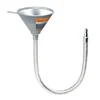 Option 3 25.6″ Steel Bendable Spout Funnel with Filter
|
As an Amazon Associate we earn from qualifying purchases.
How Long A Car Can Run Without Fluid
Knowing how long a car can run without transmission fluid helps you avoid a costly repair. Transmission fluid keeps the internal parts cool and lubricated, and without it, the transmission can overheat and fail quickly. As the table above shows, the real answer depends on whether the fluid is low or completely gone — not on a single universal number.
Immediate Effects
Without transmission fluid, shifting gears becomes rough and noisy. The transmission may slip or hesitate to engage, and heat builds up fast as metal parts grind together. Dashboard warning lights may turn on, and the car may lose power or stall suddenly. These signs mean the fluid level is critically low or empty.
Short-term Operation Limits
If the transmission is completely dry, permanent damage can begin within the first minute of driving, and a seized transmission is possible within 1 to 2 miles. If some fluid is still present but low, the transmission may keep shifting for longer — some sources cite up to 10 to 15 miles in manual transmissions — but internal wear is already happening at that point. Neither number is a safe target to aim for. The only safe distance to drive on critically low or no transmission fluid is however far it takes to pull over safely.
Long-term Damage Risks
Running a car without transmission fluid causes severe damage. The transmission can overheat and seize up, and gears and bearings wear out fast without protection. Repair costs rise quickly and may lead to a full replacement instead of a repair. The car’s performance drops, and fuel efficiency falls too — avoiding this scenario is far cheaper than fixing it.
📊 A full transmission replacement runs roughly $6,000 on average (about $1,100–$1,600 in labor plus around $4,900 in parts), while a rebuild is typically $1,800–$3,500. — Source: RepairPal Transmission Replacement Cost Estimate
Consequences Of Running Without Fluid
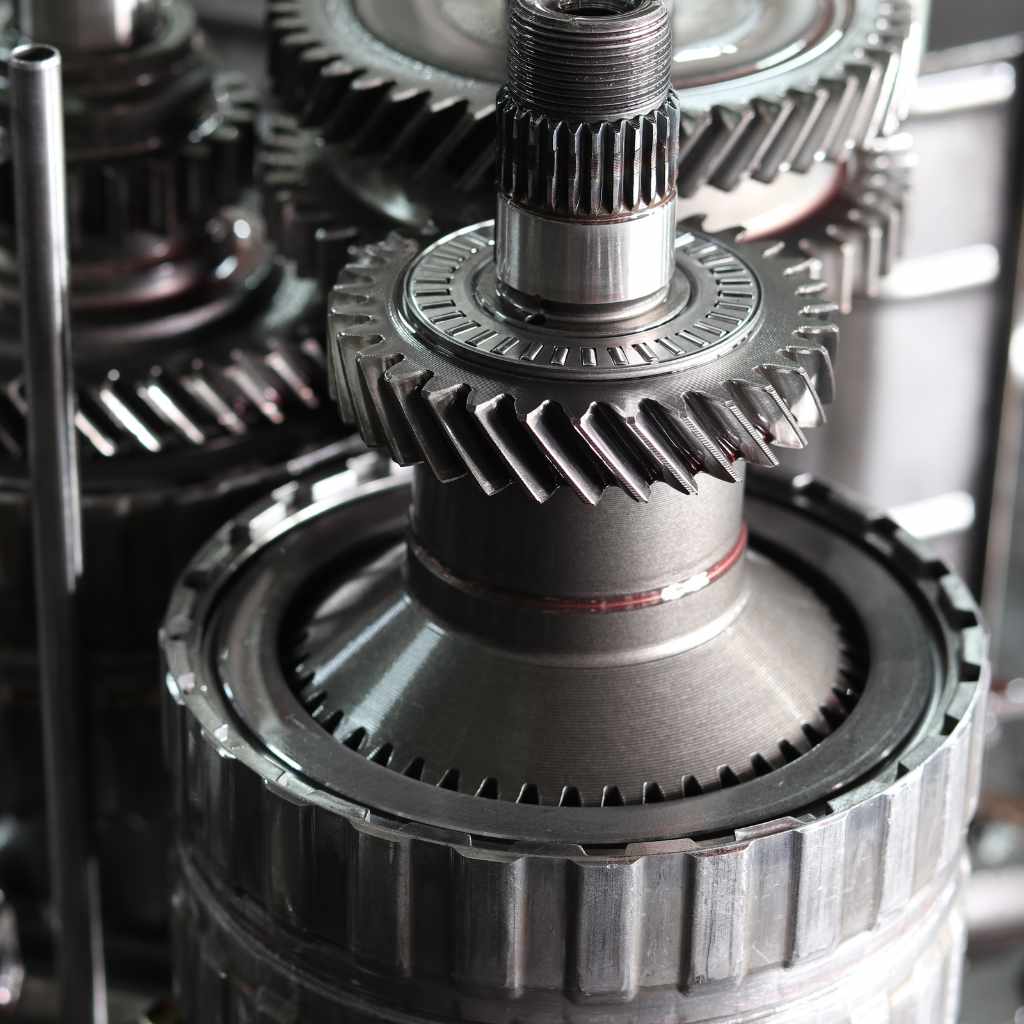
Running a car without transmission fluid causes serious damage quickly. The fluid keeps the transmission’s parts cool and lubricated, and without it, those parts rub together and heat up fast. This leads to major problems that affect the whole vehicle.
Overheating Issues
Transmission fluid cools the transmission system. Without it, friction causes heat to build up fast, and overheating damages seals and metal parts. This can stop the transmission from working properly and increases wear on every internal component.
Transmission Failure
Without fluid, the transmission can’t shift gears smoothly. The metal parts grind and wear out fast, which leads to complete transmission failure. Once the transmission fails, the car won’t move, and repair or replacement becomes unavoidable.
Costly Repairs
Fixing a transmission after running it without fluid costs a lot. Rebuilding or replacing the transmission is expensive, and damage to other parts may occur along the way. Regular fluid checks prevent these high repair costs — saving fluid means saving money.
“The bottom line is that driving without transmission fluid should be avoided at all costs, even in emergencies.”
Preventive Measures
Preventive measures keep a car’s transmission healthy and working well. Regular care stops problems before they start, saving you from costly repairs and extending the car’s life.
Regular Fluid Checks
Check transmission fluid often. Look for low levels or dirty fluid — clean fluid is usually red or pink, while dark or burnt fluid means trouble. Checking fluid regularly helps you spot leaks early. Use the dipstick to check the level and color, or have a shop check it if your car uses a sealed transmission.
Timely Fluid Replacement
Change transmission fluid at the right time. Old fluid loses its ability to protect internal parts, so follow your car maker’s schedule for fluid changes. Fresh fluid helps smooth shifting and keeps the system cool — delayed changes cause wear and damage.
Using The Right Fluid Type
Use the fluid type your car needs. Different cars require different fluids, and using the wrong one can harm the transmission almost as fast as running it dry. Check the owner’s manual for the correct type and how much your specific vehicle holds, and buy fluid from trusted brands for quality.
What To Do If Fluid Is Low Or Gone
Low or missing transmission fluid can cause serious damage fast, but acting quickly can save your transmission and your wallet. Here’s the order of operations that actually protects the vehicle.
Immediate Steps
- Stop driving as soon as it’s safe: Pull over and shut off the engine — continuing to drive on low or no fluid causes damage with every additional mile.
- Check the fluid level and color: With the engine warm and the car on level ground, pull the transmission dipstick (if equipped), wipe it clean, reinsert it fully, then remove it again to check the level and color against the markings.
- Add the correct fluid type if low: Use a funnel to add the exact ATF type listed in your owner’s manual — the wrong type can damage the transmission almost as fast as no fluid at all.
- Avoid overfilling: Add fluid in small amounts and recheck the level each time; overfilling can cause foaming and the same shifting problems as running low.
- Call a mechanic if the fluid is gone or the pan is empty: A dry pan usually means a leak, not just old fluid, and driving further risks a full rebuild.
When To Seek Professional Help
Call a mechanic if the fluid is gone or very low. Strange noises or slipping gears need urgent attention, and a leak requires expert repair — a professional can find hidden problems that are easy to miss on your own. If you’re not sure whether what you’re seeing counts as an emergency, compare it against the common signs your car needs transmission fluid rather than guessing about the type or amount yourself.
Temporary Fixes And Precautions
Use a transmission fluid stop-leak product only as a short-term fix. These products can slow a leak, but they don’t fix the underlying damage. Drive slowly, avoid heavy traffic until the vehicle is repaired, and watch for warning lights or strange behavior. Keep the fluid level checked regularly after a leak, and don’t ignore symptoms or delay a repair.
Frequently Asked Questions
How Long Can A Car Run Without Transmission Fluid?
A car with completely empty transmission fluid can suffer permanent damage within 1 to 2 miles, sometimes in minutes. A car with low but present fluid may last longer — some estimates cite up to 10 to 15 miles for manual transmissions — but the transmission is already being damaged. There is no distance that’s actually safe; stop driving and check the fluid as soon as you notice a problem.
What Happens If Transmission Fluid Runs Out?
Without transmission fluid, gears lose lubrication and hydraulic pressure, so shifts become rough, delayed, or impossible. Metal components grind against each other and heat up quickly, which can cause the transmission to slip, overheat, and eventually seize completely. Replenishing fluid quickly, or having the vehicle towed instead of driven, is the only way to prevent expensive damage.
Can Low Transmission Fluid Damage My Car?
Yes. Low transmission fluid reduces lubrication and cooling, which increases friction and heat inside the transmission. This leads to gear slipping, delayed shifting, and accelerated wear on internal components. Regular fluid checks are one of the cheapest ways to avoid a multi-thousand-dollar transmission repair.
How To Check Transmission Fluid Level Correctly?
On vehicles with a dipstick, park on level ground and warm the engine, then pull the dipstick, wipe it clean, reinsert it fully, and remove it again to read the level and color. Fluid should sit between the marked lines and look clear red or pink, not dark or burnt. If your car has a sealed transmission with no dipstick, the fluid level has to be checked by a technician using the manufacturer’s fill-plug procedure or a scan tool.
Can I Just Add Fluid and Keep Driving?
Only if the level was low, not empty, and you use the exact fluid type listed in your owner’s manual. Top off gradually with a funnel, recheck the level after each addition, and drive gently to a repair shop rather than resuming normal driving — a low-fluid situation almost always means there’s a leak that still needs to be found and fixed.
Do All Cars Have a Transmission Dipstick?
No. Many vehicles made since around 2017 use sealed transmissions with no dipstick, often marketed as needing “lifetime fluid.” In practice, that fluid still degrades and should be checked and changed on a schedule — it just requires a professional shop visit instead of a DIY dipstick check.
Conclusion
Running a car without transmission fluid is never safe, no matter how far you think you can go. A completely dry transmission can suffer permanent damage within 1 to 2 miles or a few minutes, while even a low-but-present fluid level is already causing wear despite the longer distance estimates you’ll see elsewhere. Check your fluid level and color regularly, address leaks immediately, and stop driving the moment you suspect the fluid is critically low — it’s the cheapest step you can take to avoid a $1,800-plus repair bill.