How Much Transmission Fluid Does a Car Hold? Total vs. Refill
Automatic transmissions typically hold 8 to 13 quarts of fluid total, while manual transmissions hold 2 to 6 quarts — but a routine drain-and-fill only replaces 3 to 6 quarts, since fluid sitting in the torque converter and cooler lines never drains out. The exact number depends on your specific make, model, and transmission, so the figure printed in your owner’s manual always overrides any general estimate. Get it wrong — refilling too little after a full flush, or assuming a drain-and-fill topped off the whole system — and you risk slipping gears or an overheating transmission.
Transmission Fluid Basics
BEST FOR NARROW TRANSMISSION FILL TUBES
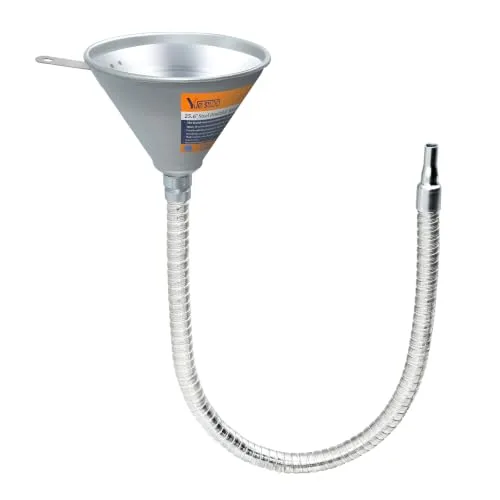 |
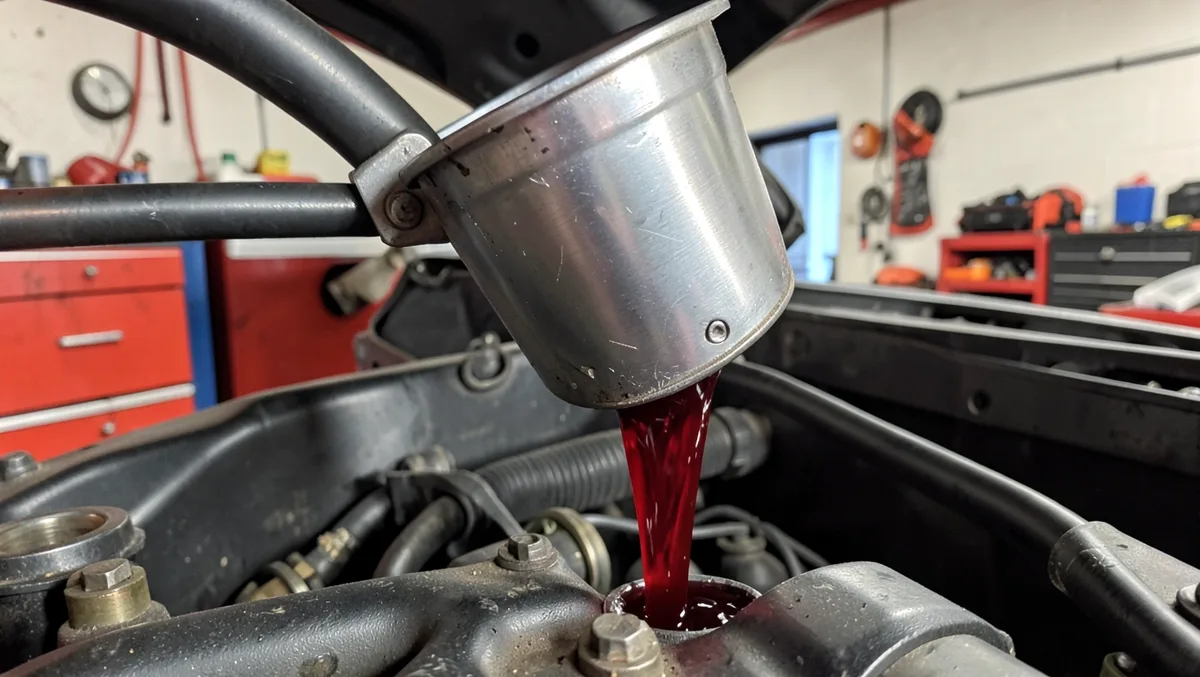
25.6″ Steel Bendable Spout Funnel with Filter – $16.99 Its bendable steel spout reaches the narrow, hard-to-access fill tube on most automatic transmissions without spilling fluid down the side of the engine.
|
Transmission fluid does three jobs at once: it lubricates the gears and clutch packs, carries heat away from the transmission, and — in an automatic — acts as the hydraulic fluid that actually shifts the gears. Run it low and none of that happens correctly; the transmission slips, shifts hard, or overheats.
Fluid isn’t universal. Automatic transmission fluid (ATF) comes in several formulations — Dexron, Mercon, ATF+4, and CVT-specific fluids among them — and using the wrong one can cause rough shifting or clutch damage over time. The right fluid for your car is whatever type your owner’s manual specifies, not whatever is cheapest on the shelf. Manual transmissions are simpler: many use standard gear oil, though a growing number of manual cars call for ATF or a manufacturer-specific synthetic blend instead. There are also model-specific fill procedures worth checking if your car has an unusual fill point.
Capacity Factors
Total transmission fluid capacity scales with the size and type of the transmission, not just the car. A compact sedan’s automatic might hold around 8 quarts; a half-ton pickup with a heavy-duty automatic can hold 13 quarts or more, and some large SUVs and trucks push past 15.
Transmission design matters as much as vehicle size. A modern 8- or 10-speed automatic has more clutch packs, a bigger valve body, and a torque converter to fill, so it typically holds more fluid than an older 4-speed automatic of a similar size. The only way to get an exact number for your specific car is the capacity table in the owner’s manual or a shop repair manual — general estimates like the ones above are a starting point, not a substitute.
Automatic Vs Manual
Automatic transmissions need more fluid because there’s simply more to fill: the torque converter alone can hold 3 to 4 quarts by itself, on top of the valve body, clutch packs, and cooler lines. Most passenger cars with an automatic hold 8 to 13 quarts total; larger trucks and SUVs can require up to 20.
Manual transmissions skip the torque converter and hydraulic clutch control entirely, so they need far less — typically 2 to 6 quarts, with larger truck manual gearboxes running as high as 9. Because a manual transmission has fewer moving parts and no fluid coupling to cool, the fluid also tends to last longer between changes.
Checking Fluid Levels
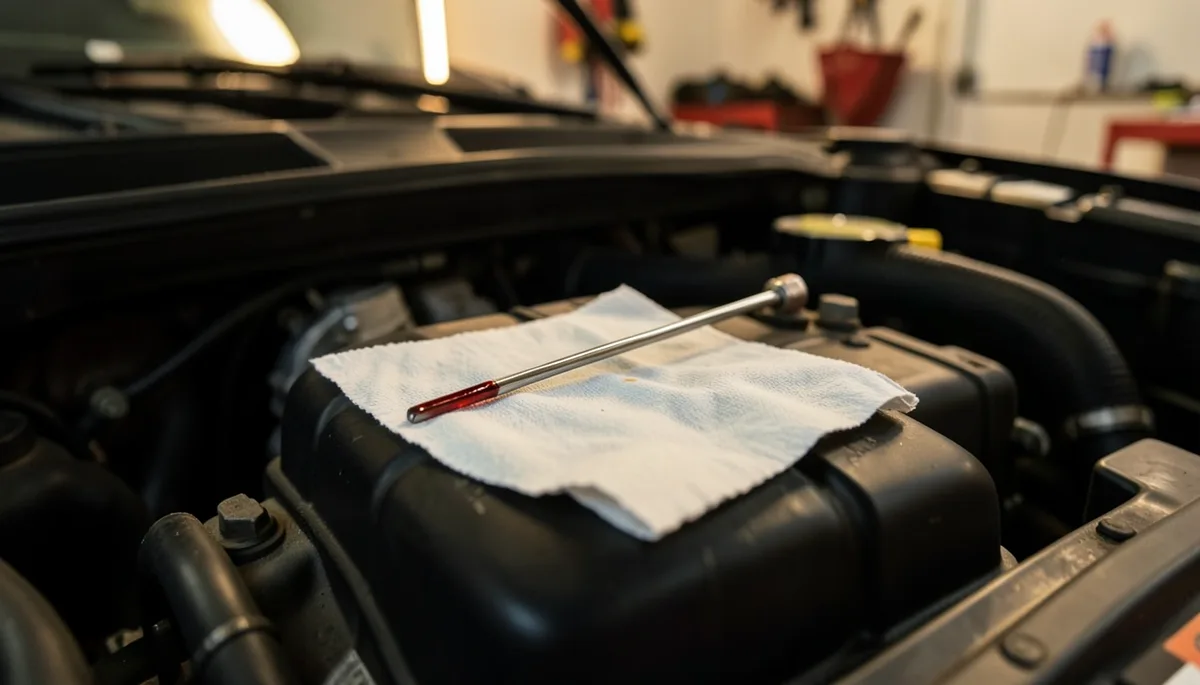
Many modern automatics don’t have a user-accessible dipstick at all — they’re a sealed, “lifetime fill” design that’s checked at a fill plug instead, typically with the engine warm and running. If your car does have a transmission dipstick, the process is straightforward: pull it, wipe it clean, reinsert it fully, then pull it again and read the level against the hash marks — usually marked for cold vs. hot readings, since fluid expands as it warms up. Fluid should sit between the two marks; if it’s below the low mark, top it up a little at a time and recheck, since overfilling can aerate the fluid and cause the same shifting problems as running low.
A low or degraded fluid level shows up in how the car drives before it shows up on the dipstick — delayed or rough shifts, a whining or humming noise from the transmission, a burnt smell, or slipping between gears under acceleration. Learn what those warning signs actually feel like so you catch a problem before it turns into an expensive repair.
Fluid Change Intervals
Manufacturer recommendations vary widely. Most manufacturers call for a transmission fluid change somewhere between 30,000 and 60,000 miles, though some modern “lifetime fluid” transmissions stretch that to 100,000 miles or more — while towing, stop-and-go city driving, or hauling heavy loads all shorten that interval considerably. If your driving is harder than average, changing fluid sooner protects both the transmission and its expected lifespan; see how long a transmission typically lasts and what shortens it.
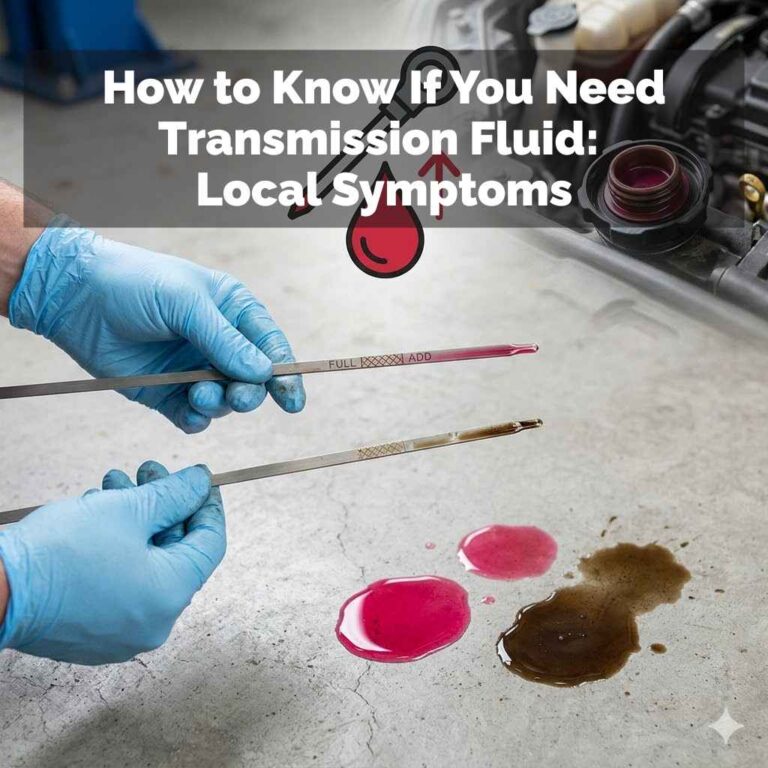
Signs it’s time to change the fluid include rough or delayed shifts, a burning smell, visible leaks under the car, and fluid color. Healthy ATF is a clear, bright red; fluid that’s turned brown, black, or smells burnt has broken down and needs replacing regardless of mileage. Combine any of those with the drivability symptoms above and it’s time to change the fluid, not just top it off.
DIY Fluid Replacement
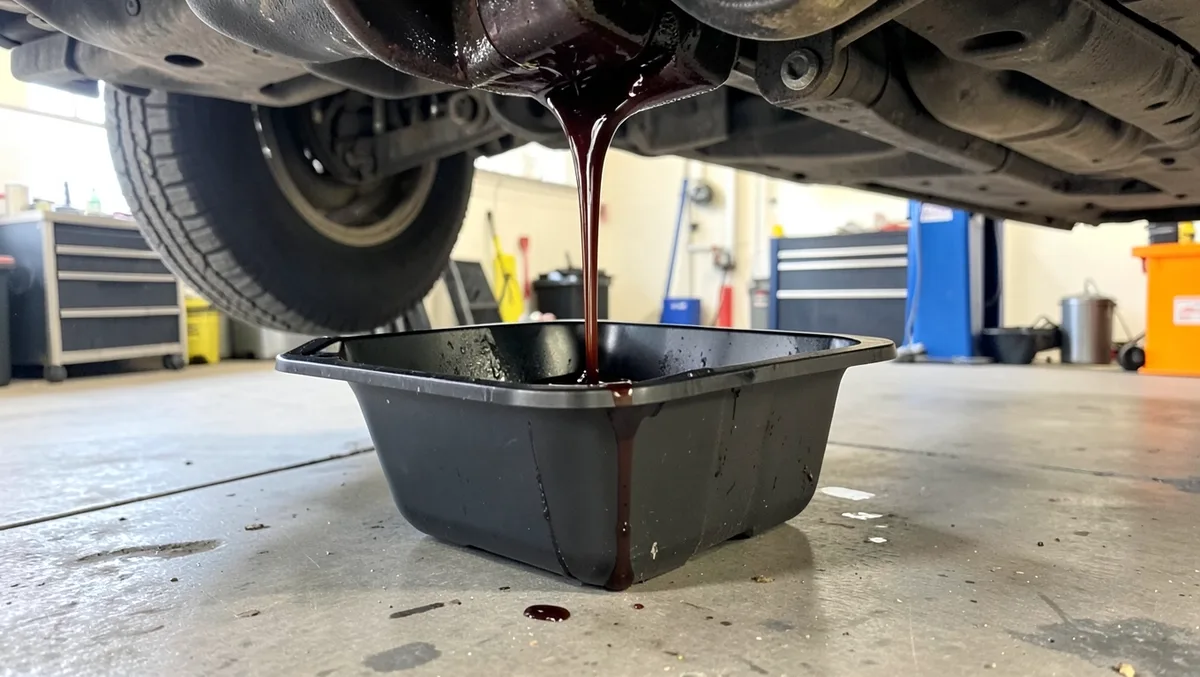
A drain-and-fill only replaces the fluid sitting in the transmission pan — typically 3 to 6 quarts — because fluid trapped in the torque converter, valve body, and cooler lines never drains out through the pan bolt. That’s very different from total system capacity, which can run to 13 quarts or more: if you drain 5 quarts, you refill with 5 quarts, not the full capacity figure. A full flush, done with a machine that cycles fluid through the whole system, is the only way to replace close to 100% of it.
Tools And Materials Needed
You’ll need a socket wrench to remove the drain plug or pan bolts, a drain pan rated for at least a gallon, the exact fluid type and quantity specified for your transmission, a long-neck or flexible funnel to reach the fill tube without spilling, and a new pan gasket and filter if you’re dropping the pan rather than using a drain plug, plus shop rags. A vehicle ramp or jack and stands make the job far easier if your car doesn’t have enough ground clearance.
Step-by-step Process
Warm the transmission up with a short drive first — fluid drains faster and more completely when it’s warm. Raise the car and place the drain pan under the transmission pan or drain plug, then remove the plug (or unbolt the pan) and let the fluid fully drain. If you’re dropping the pan, clean it out, replace the filter and gasket, and reinstall. Refill slowly through the fill tube using your funnel, checking the level as you go rather than pouring in the full estimated amount at once — with the engine running and the transmission in Park or Neutral, add fluid a little at a time until it reads correctly on the dipstick or fill-plug level.
Professional Service
A shop visit makes the most sense for a full fluid and filter service, for any car with a sealed “no dipstick” transmission that requires special tools to check the level, or if you’re not confident diagnosing whether a drain-and-fill or full flush is the right call for your mileage and symptoms.
Benefits Of Professional Help
A shop verifies the exact fluid spec for your transmission rather than relying on a general estimate, uses a flush machine to replace nearly the full volume instead of just the pan’s worth, and can catch a failing filter, worn pan gasket, or metal shavings in the old fluid that signal a bigger problem — something you’d likely miss doing it yourself.
Cost Considerations
A basic drain-and-fill typically runs $80 to $250 depending on the shop and how many quarts your transmission needs; a full fluid flush costs more, often $150 to $400, because it uses more fluid and specialized equipment. Paying more for a flush now is usually cheaper than a transmission rebuild later, especially once fluid has gone past its recommended interval.
Environmental Impact
Old transmission fluid is a regulated hazardous waste — even a small leak or a poured-out quart can contaminate soil and groundwater, since the same additives that protect your transmission don’t break down safely in the environment.
Disposing Used Fluid
Never pour used transmission fluid down a drain, storm sewer, or onto the ground. Most auto parts stores and municipal recycling centers accept used ATF for free, and many will take it even if you didn’t buy your new fluid there — call ahead to confirm they’re currently accepting it before you show up with a full drain pan.
Eco-friendly Alternatives
A handful of synthetic ATF formulations are marketed as biodegradable or lower-toxicity, but the bigger environmental win is simpler: fix leaks promptly, don’t overfill, and dispose of old fluid at a real recycling point instead of letting it seep into soil. Check your manual before switching fluid types — “eco-friendly” doesn’t override the manufacturer’s spec.
Frequently Asked Questions
How Much Transmission Fluid Does My Car Hold?
Most automatic transmissions hold 8 to 13 quarts total, and manuals hold 2 to 6 quarts, but the true figure for your specific car is in the owner’s manual. Capacity varies by transmission design, not just vehicle size, so treat these ranges as a starting point rather than a final answer.
How Much Transmission Fluid Do I Add If I’m Empty?
If a transmission has run fully dry, refill it to its total capacity — commonly 8 to 13 quarts for an automatic — adding it gradually and rechecking the dipstick or fill-plug level rather than pouring in the whole amount at once. Running a transmission empty even briefly can cause internal damage, so have it inspected before refilling and driving.
How Many Quarts Of Transmission Fluid Do I Need For A Drain And Fill?
A standard drain-and-fill replaces only the fluid held in the pan — typically 3 to 6 quarts — since fluid in the torque converter and cooler lines doesn’t drain out. Always match the refill amount to what actually came out, not the total system capacity.
Is 4 Quarts Of Transmission Fluid Enough?
For a routine drain-and-fill on many passenger cars, 4 quarts falls in the normal range, but it isn’t universal — some transmissions need less, others need 6 or more. Check how much fluid actually drained out and match your refill to that number instead of assuming 4 quarts fits every car.
Conclusion
Transmission fluid capacity comes down to two very different numbers: total system capacity (commonly 8 to 13 quarts for an automatic, 2 to 6 for a manual) and the smaller amount a routine drain-and-fill actually replaces (usually 3 to 6 quarts). Mixing those two up is the most common mistake. Refill to your specific transmission’s spec, check the level gradually rather than all at once, and treat your owner’s manual as the final word over any general estimate.
Products related to this article
Sponsored / affiliate links. As an Amazon Associate I earn from qualifying purchases. I may earn additional commission from eligible campaigns.