How to Add Transmission Fluid to Your Car Correctly
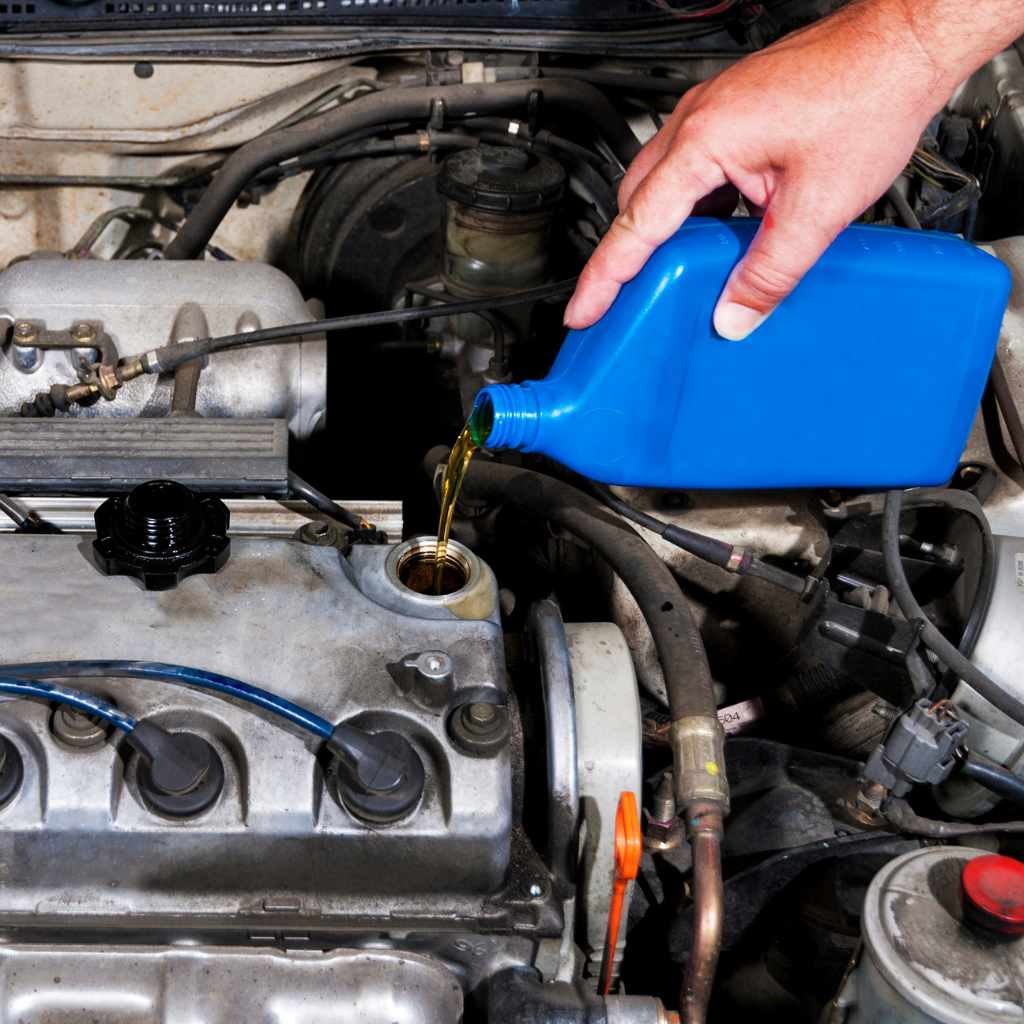
Add transmission fluid a small amount at a time through the dipstick tube, checking the level after each addition — overfilling damages the transmission as easily as running it low. If your car has a sealed transmission with no dipstick, use the fill plug method instead: warm the fluid to spec temperature, then add through the check plug until it drips out level. This guide covers both methods.
Quick Answer
Add transmission fluid a little at a time through the dipstick tube, checking the level between additions — overfilling is just as damaging as running low. If your car has no dipstick, it likely has a sealed transmission: warm the fluid to spec temperature, then add through the fill plug until it drips from the check plug, indicating the correct level.
Understanding Transmission Fluid
Transmission fluid is the lifeblood of your car’s transmission system. It serves multiple vital functions, including lubricating moving parts, cooling the transmission, and acting as a hydraulic fluid to engage gears. Without the proper amount and type of transmission fluid, your transmission can overheat, wear out prematurely, and eventually fail, leading to expensive repairs. Knowing how to add transmission fluid to your car correctly is a key maintenance skill for any car owner.
Why Transmission Fluid is Important
Think of your transmission as a complex network of gears, clutches, and bands that work together to transfer power from the engine to the wheels. All these parts move rapidly and generate significant heat. Transmission fluid absorbs this heat and carries it away from critical components, preventing damage. It also cleans away debris and ensures smooth shifting between gears by providing the necessary hydraulic pressure. Low fluid levels or using the wrong type can lead to rough shifts, slipping gears, and a grinding noise.
Types of Transmission Fluid
One of the most common mistakes people make is using the wrong type of transmission fluid. Automatic transmission fluid (ATF) is not a one-size-fits-all product. Manufacturers specify different types of ATF for different vehicles, often labeled with acronyms like MERCON, Dexron, or specific manufacturer part numbers. Using the incorrect fluid can damage your transmission’s seals and friction materials. Always consult your car’s owner’s manual to find the exact type of transmission fluid recommended for your vehicle.

Best Transmission Fluid Pick
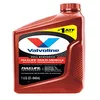
Valvoline Multi-Vehicle ATF Full Synthetic
A multi-vehicle full synthetic ATF that covers most common transmission specs — matches the article’s own warning to always use the correct fluid type.
- Best for: topping off or refilling most automatic transmissions
- Why we picked it: multi-vehicle formula reduces the risk of using the wrong ATF
- Main drawback: always confirm against your owner’s manual before use
Compare more transmission fluid tools
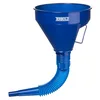
 Option 1 Long Neck Funnel
|
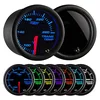 Option 2 Transmission Temp Gauge
|
 Option 3 Terbold Flex Funnel
|
As an Amazon Associate we earn from qualifying purchases.
Checking Your Transmission Fluid Level
Before you can add transmission fluid, you need to know if you actually need to. This process varies depending on whether your car has an automatic or manual transmission.
Automatic Transmissions
Most automatic transmissions have a dipstick, similar to the one for engine oil, but it’s usually located further back in the engine bay and might be colored differently (often red or yellow).
1. Park your car on a level surface. This is crucial for an accurate reading.
2. Start the engine and let it run for a few minutes to warm up the transmission fluid. Some manufacturers recommend checking the fluid when hot, while others suggest a cold check. Again, your owner’s manual is the best guide.
3. Shift the gear selector through all the positions (P, R, N, D, and any manual modes) while holding the brake pedal down. This ensures fluid circulates throughout the system.
4. Return the selector to Park (P).
5. Locate the transmission fluid dipstick.
6. Pull the dipstick out, wipe it clean with a lint-free cloth or paper towel.
7. Reinsert the dipstick fully, then pull it out again.
8. Observe the fluid level on the dipstick. There will be markings for “hot” and “cold” or “add” and “full.” The fluid level should be within the designated range.
9. Note the color and consistency of the fluid. It should be clear or slightly reddish and have a mild odor. If it’s dark brown or black, smells burnt, or has particles in it, this could indicate a problem that needs professional attention.
Manual Transmissions
Manual transmissions typically do not have a dipstick for checking fluid levels. Instead, they have a fill plug located on the side of the transmission housing.
1. Park your car on a level surface.
2. Locate the fill plug on the transmission. This might require getting under the car.
3. Using the appropriate wrench, carefully remove the fill plug.
4. Insert your finger or a clean tool into the fill hole. The fluid should be up to the bottom of the hole. If it’s below this level, you need to add fluid.
5. Replace the fill plug securely.
How to Add Transmission Fluid to Your Car Correctly
Once you’ve determined that your transmission fluid is low, it’s time to add more. This is where precision is important to avoid overfilling.
For Automatic Transmissions with a Dipstick
1. Ensure your engine is running and the transmission is at the operating temperature recommended by your owner’s manual (usually warm, not hot, unless specified).
2. Locate the transmission fluid dipstick tube.
3. Attach a funnel designed for transmission fluid to the dipstick tube. These funnels often have a long, flexible neck to reach the tube easily.
4. Slowly add the recommended type of transmission fluid, a small amount at a time (e.g., a quarter of a quart or liter). It’s much easier to add more than to remove excess fluid.
5. After adding fluid, wait a minute or two for it to settle.
6. Recheck the fluid level using the dipstick as described in the “Checking Your Transmission Fluid Level” section.
7. Repeat the process of adding small amounts of fluid and checking the level until it reaches the “full” mark on the dipstick. Do not overfill.
8. Once the level is correct, remove the funnel and reinsert the dipstick securely.
For Manual Transmissions
1. Locate the fill plug on the transmission housing. You may need to lift the vehicle safely to access it.
2. Use a fluid pump designed for this purpose or a funnel with a long tube. Attach it to the fill plug opening.
3. Slowly pump or pour the recommended transmission fluid into the fill hole.
4. Continue filling until the fluid starts to come out of the fill hole. At this point, the transmission is full.
5. Once the fluid level is correct, remove the pump or funnel and reinstall the fill plug, tightening it securely.
Important Considerations
* Never overfill: Overfilling can cause the fluid to aerate (create bubbles), leading to poor lubrication, overheating, and potential damage to seals and clutches.
* Use the correct fluid: As mentioned, always refer to your owner’s manual for the specific type of transmission fluid. Using the wrong type can cause immediate damage.
* Add slowly: Especially with automatic transmissions, adding fluid too quickly can make it difficult to get an accurate reading and can lead to overfilling.
* Check for leaks: After adding fluid, keep an eye out for any drips or puddles under your car.

📊 Sealed transmissions must be warmed to the manufacturer’s specified temperature — typically 185-194°F — before the fluid level can be checked accurately — Source: AutoZone, How to Check Transmission Fluid Without a Dipstick
“Once fluid starts dripping from the check plug hole, stop immediately — that drip is the entire signal you’re looking for, and there’s no dipstick afterward to double-check your work.”
No Dipstick? How to Add Fluid to a Sealed Transmission
Many newer vehicles use a “sealed” transmission with no dipstick at all — manufacturers removed it specifically to stop owners from adding the wrong fluid or letting dirt into the system. If you’ve popped the hood and can’t find a transmission dipstick, this is almost certainly why, and the process to add fluid is different from a traditional dipstick-equipped car.
- Warm up the transmission: Drive the car (or let it idle, per your owner’s manual) until the fluid reaches the manufacturer’s specified temperature, typically 185-194°F.
- Find the fill plug and check plug: With the car level and the engine still warm, locate these on the transmission housing — consult your service manual, since location varies by model.
- Remove the check plug first: If fluid drips out immediately, the level is already correct and you don’t need to add any. If nothing comes out, the level is low.
- Add fluid through the fill plug: Add slowly using the manufacturer-specified fluid until it just begins to drip from the check plug hole — that’s the correct fill level.
- Reinstall both plugs: Torque them to spec if you have that information, and wipe away any spilled fluid.
Because sealed transmissions are generally considered non-serviceable by design, many owners choose to have this done at a dealership or transmission specialist rather than in the driveway — there’s little margin for error and no dipstick to double-check your work afterward.
When to Seek Professional Help
While checking and topping off transmission fluid is a manageable DIY task for many, there are times when you should consult a professional mechanic.
Signs of Transmission Problems
* Difficulty shifting gears: If your car hesitates, shudders, or makes grinding noises when you try to shift, it’s a sign of a problem.
* Slipping gears: When the transmission seems to shift out of gear on its own, or the engine revs up without the car accelerating, the fluid level might be too low, or there could be internal damage.
* Burning smell: A burnt smell from the transmission often indicates that the fluid is overheating or has broken down, which can happen with low levels or the wrong type of fluid.
* Dark or dirty fluid: If your transmission fluid is dark brown or black, or if it contains metal shavings, it suggests internal wear and tear that needs immediate attention.
* Leaks: Any visible leaks of transmission fluid from your car should be investigated promptly.
If you notice any of these symptoms, it’s best to have your transmission inspected by a qualified mechanic. They can diagnose the issue accurately and perform any necessary repairs or fluid flushes.
Frequently Asked Questions
How much transmission fluid do I need to add?
The amount needed depends on how low the fluid level is. It’s always best to add a small amount at a time, check the level, and repeat until it’s correct. Never add a large quantity without checking first, as overfilling can be damaging.
Can I use engine oil in my transmission?
No, absolutely not. Engine oil and transmission fluid have different properties and are not interchangeable. Using engine oil in your transmission will cause severe damage.
How often should I check my transmission fluid?
It’s a good practice to check your transmission fluid at least once a month, especially if you drive frequently or have an older vehicle. Many owner’s manuals will also recommend a specific service interval for transmission fluid checks and changes.
What happens if my transmission fluid is too low?
Low transmission fluid can cause a range of problems, including rough shifting, slipping gears, overheating, and premature wear of transmission components. In severe cases, it can lead to complete transmission failure.
Do all cars have a transmission fluid dipstick?
No, not all cars do. Most automatic transmissions have a dipstick, but many manual transmissions and some newer automatic transmissions do not. They often have a fill plug that requires a different method for checking and adding fluid.
Final Thoughts
Taking care of your car’s transmission fluid is a fundamental aspect of vehicle maintenance that many people overlook. By learning how to add transmission fluid to your car correctly, you’re not just performing a routine task; you’re actively protecting a vital and expensive component of your vehicle. Remember to always prioritize safety, use the correct fluid specified in your owner’s manual, and add it gradually while frequently checking the level. This approach prevents overfilling, which can be just as harmful as having too little fluid.
If your transmission fluid looks dark, smells burnt, or if you notice any unusual shifting behavior, don’t hesitate to seek professional advice. Consistent checks and proper fluid management will contribute to a smoother ride, a longer-lasting transmission, and fewer unexpected repair bills down the road. Pair this habit with routine coolant checks and periodic battery health checks, and your car will thank you with reliable performance.
Products related to this article
Sponsored / affiliate links. As an Amazon Associate I earn from qualifying purchases. I may earn additional commission from eligible campaigns.