How Long Do Carbon Ceramic Brakes Last: Proven Lifespan
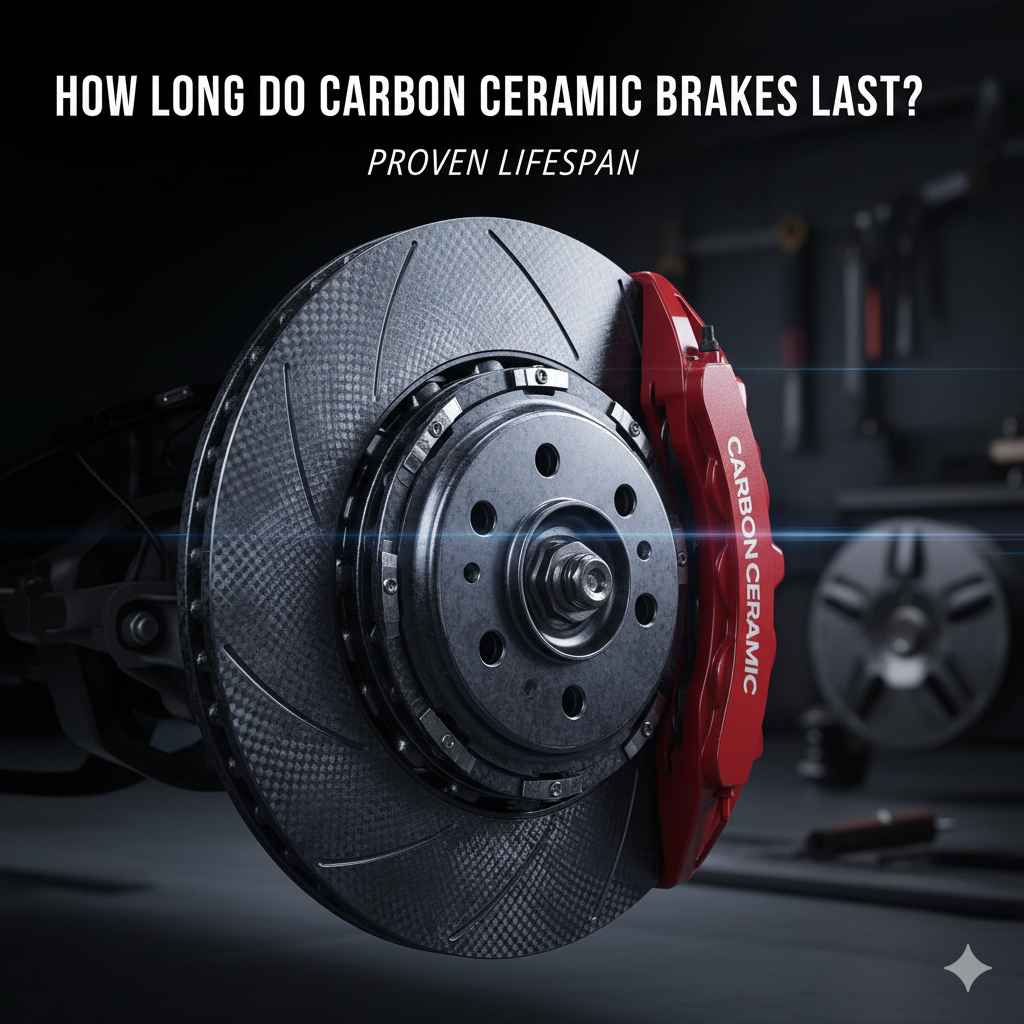
Carbon ceramic brakes typically last between 70,000 to 100,000 miles or even more, far exceeding the lifespan of traditional steel brakes. This is due to their superior material composition, but actual longevity depends heavily on driving habits, maintenance, and specific brake system design.
Are you curious about how long those high-performance carbon ceramic brakes on your car will actually last? It’s a common question, especially considering their premium price tag. Many drivers worry about replacement costs, but understanding their lifespan can bring peace of mind. This guide will break down exactly what to expect and what factors influence how long your carbon ceramic brakes can keep you safe on the road. We’ll look at their incredible durability and what makes them so different from standard brakes.
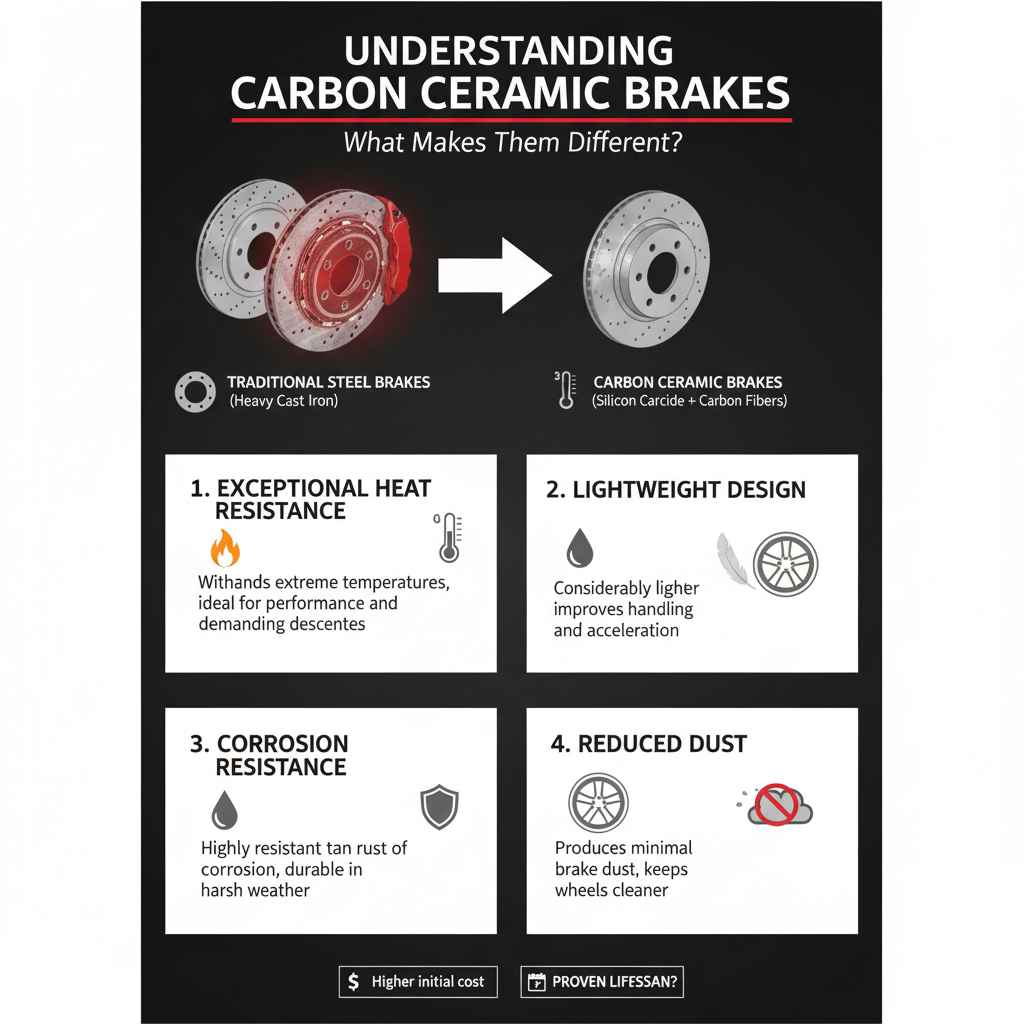
Understanding Carbon Ceramic Brakes: What Makes Them Different?
Carbon ceramic brakes are a marvel of modern automotive engineering. Unlike traditional steel brakes, which are made from heavy cast iron, carbon ceramic brakes are constructed from a composite material. This composite is essentially a silicon carbide base reinforced with carbon fibers. This unique combination offers several significant advantages:
- Exceptional Heat Resistance: Carbon ceramic materials can withstand much higher temperatures than steel. This makes them ideal for high-performance driving, track days, and even just challenging downhill descents where brakes are under intense stress.
- Lightweight Design: They are considerably lighter than their steel counterparts. Reducing unsprung weight (the weight not supported by the suspension) improves a vehicle’s handling, acceleration, and overall responsiveness.
- Corrosion Resistance: Unlike steel, carbon ceramic rotors are highly resistant to rust and corrosion, meaning they maintain their performance even in harsh weather conditions.
- Reduced Dust: They produce very little brake dust, which means cleaner wheels and a cleaner appearance for your vehicle.
These benefits come at a higher initial cost, which often leads to the question: how long do carbon ceramic brakes last to justify the investment?
The Proven Lifespan of Carbon Ceramic Brakes
When we talk about how long carbon ceramic brakes last, the numbers are impressive. Industry experts and manufacturers generally site a significantly longer lifespan compared to standard steel brakes. For most passenger cars and performance vehicles equipped with carbon ceramic brakes, you can typically expect them to last:
Between 70,000 to 100,000 miles (approximately 110,000 to 160,000 kilometers).
This is a stark contrast to the lifespan of traditional steel rotors and pads, which often need replacement between 30,000 to 60,000 miles, depending greatly on driving conditions and material quality of the standard brakes.
However, it’s crucial to understand that this is a general guideline. The actual longevity of your carbon ceramic brake system can vary based on a number of critical factors. We’ll explore these next.
Factors Influencing Carbon Ceramic Brake Lifespan
While carbon ceramic is a remarkably durable material, its lifespan isn’t infinite. Several key factors play a role in how many miles you’ll get out of your carbon ceramic brake system:
1. Driving Habits
This is arguably the biggest factor influencing brake wear, regardless of material. Aggressive driving habits significantly reduce brake life.
- Hard Braking: Frequent instances of slamming on the brakes generate immense heat and friction, which wears down the pad and rotor material faster.
- High-Speed Driving: Sustaining high speeds and then needing to brake sharply also increases wear.
- Frequent Track Use: While designed for performance, repeated high-heat cycles on a race track will accelerate wear more than typical street driving.
- Stop-and-Go Traffic: While not as intense as hard braking, constant light braking and acceleration in heavy traffic can still contribute to wear over time.
Smooth, anticipatory driving, where you allow ample space and brake gently and progressively, will greatly extend the life of your carbon ceramic brakes. Think of it like this: every time you brake, you’re slightly reducing their lifespan, so minimizing unnecessary braking events is key.
2. Driving Environment
The conditions you drive in can also impact brake longevity.
- Road Conditions: Driving on dusty, gritty roads can introduce abrasive particles that may accelerate wear.
- Climate: While carbon ceramic brakes are resistant to corrosion, extreme temperature fluctuations can sometimes affect material performance over very long periods, though this is less of a concern than with steel.
- Terrain: Frequent use of steep gradients (long downhills) puts more sustained load on the brakes, increasing wear.
3. Brake Pad Material
It’s important to note that carbon ceramic brake systems consist of both rotors and pads. The pads are typically designed to work with the specific carbon ceramic rotors. While the rotors are extremely durable, worn-out pads will eventually lead to damage to the rotors. High-performance, aggressive brake pads designed for track use might wear faster than pads designed for daily driving, even when used with carbon ceramic rotors.
4. Vehicle Weight and Performance
Heavier vehicles or those with exceptionally high performance capabilities will naturally place more strain on their braking systems. This means that even with carbon ceramic technology, a supercar will likely experience more wear than a sports sedan under similar driving conditions due to sheer physics. The inertia of a heavier, faster car requires more braking force to slow down.
5. Maintenance and Care
While carbon ceramic brakes are largely maintenance-free in terms of rust and corrosion, proper inspection is still vital.
- Regular Inspections: Although they don’t wear as quickly, you still need to ensure the brake pads have adequate material and that there are no visible signs of damage to the rotors or calipers.
- Using the Correct Coolant/Fluid: Using the manufacturer-recommended brake fluid is essential for optimal performance and longevity.
- Avoiding Damage: While robust, extreme impacts or improper handling during servicing could potentially damage the rotors.
It’s also worth noting that if your vehicle is equipped with carbon ceramic brakes, they are usually part of a sophisticated braking system. Ensuring all components within that system are functioning correctly contributes to the overall health and lifespan of the brakes themselves.
Comparing Carbon Ceramic vs. Steel Brake Lifespan
To truly appreciate the lifespan of carbon ceramic brakes, let’s compare them directly with conventional steel brakes. This comparison highlights why carbon ceramic is often the choice for high-performance vehicles.
| Feature | Carbon Ceramic Brakes | Conventional Steel Brakes |
|---|---|---|
| Typical Lifespan (Miles) | 70,000 – 100,000+ | 30,000 – 60,000 |
| Material | Carbon-fiber reinforced silicon carbide | Cast Iron |
| Weight | Significantly lighter | Heavier |
| Heat Tolerance | Very High | Moderate to High |
| Corrosion Resistance | Excellent | Poor (susceptible to rust) |
| Brake Dust | Minimal | Significant |
| Performance in Extreme Conditions | Superior (track, high-speed, heavy braking) | Good, but prone to fade and wear under extreme stress |
| Initial Cost | Very High | Moderate to Low |
As you can see, the lifespan advantage of carbon ceramic brakes is substantial. While the upfront cost is higher, the extended service life can make them more economical over the vehicle’s lifetime, especially for drivers who rack up high mileage or operate their vehicles in demanding conditions. For context on the science behind brake fade and performance, resources from institutions like NASA’s Glenn Research Center offer insights into friction and braking principles.
When Do Carbon Ceramic Brakes Need Replacement?
Despite their durability, carbon ceramic brakes do wear out. The rotors have a minimum thickness specification, and when they reach this limit, they must be replaced. Likewise, the brake pads have wear indicators and their own wear limits.
Unlike steel brakes, which can often warp or develop uneven wear, carbon ceramic systems tend to wear more uniformly. However, they are not indestructible.
Signs of Wear or Failure:
- Reduced Stopping Power: If you notice your car isn’t stopping as quickly as it used to, even with firm pressure on the pedal, it’s a clear sign of wear.
- Brake Pedal Feel: A spongy or soft brake pedal, or a pedal that goes further down than usual, can indicate issues with the braking system, potentially including worn pads or low fluid.
- Squealing or Grinding Noises: While some minor noises can occur with high-performance brakes, persistent loud squealing or grinding sounds, especially on initial application, are a warning sign that something is wrong, often indicating the wear indicators have been hit or there’s an issue with the pads.
- Warning Lights: Modern vehicles have sophisticated sensors. A brake warning light on your dashboard indicates a problem that needs immediate attention. This could be related to pad wear, fluid levels, or other system components.
- Visible Damage: While rare, inspecting the rotors for deep gouges, cracks, or significant chipping is important.
It’s essential to have your brakes inspected by a qualified technician if you experience any of these symptoms. The cost of replacing a damaged carbon ceramic rotor can be substantial, so addressing issues early is always wise.
Cost of Carbon Ceramic Brake Replacement
Let’s address the elephant in the room: replacement cost. Carbon ceramic brake systems are significantly more expensive to replace than steel brakes. A full set of carbon ceramic rotors and pads for a performance vehicle can range from several thousand to tens of thousands of dollars, depending on the make and model.
This is why the longevity of these brakes—often double or triple that of steel brakes—is a critical factor in their long-term value proposition. For many owners, the extended lifespan helps to offset the high initial investment and the cost of eventual replacement.
Why are they so expensive?
- Advanced Materials: The manufacturing process for carbon ceramic composites is complex and energy-intensive.
- Precision Engineering: These systems are designed for specific high-performance vehicles and require extremely tight tolerances.
- Research and Development: The initial investment in creating and testing this technology is substantial.
If you’re considering a car with carbon ceramic brakes or already own one, it’s wise to factor in potential replacement costs when budgeting for maintenance. For excellent resources on brake system fundamentals and maintenance, the Inter-Industry Conference on Auto Collision Repair (I-CAR) offers valuable educational materials that can help you understand vehicle systems better.
Tips for Maximizing the Life of Your Carbon Ceramic Brakes
To ensure you get the longest possible life out of your impressive carbon ceramic brakes, follow these simple tips:
- Drive Smoothly: Practice defensive driving techniques. Anticipate stops, maintain safe following distances, and avoid sudden, hard braking whenever possible.
- Avoid Lugging the Brakes: On long descents, downshift to use engine braking. Instead of riding the brakes, apply them firmly for short periods, then release to allow them to cool. This is known as progressive braking.
- Keep Wheels Clean: While carbon ceramic brakes produce less dust, general wheel cleaning helps maintain the overall appearance and can remove any road grime that might accumulate.
- Regular Inspections: Stick to your vehicle’s recommended maintenance schedule. Have your brakes checked by a qualified technician. They will measure rotor thickness and check pad wear.
- Use Quality Replacements: If your pads need replacing, ensure you use components specifically designed for your carbon ceramic system, ideally from the vehicle manufacturer or a reputable aftermarket supplier.
- Be Mindful of Track Use: If you track your car, understand that track sessions equate to many miles of aggressive street driving in terms of wear. Consider specialized track pads if you frequently visit the track, but know these will wear faster.
By treating your brakes with care and performing routine checks, you can help ensure they perform optimally and last for a very long time, providing you with the confidence and safety you expect from such advanced technology.

Frequently Asked Questions About Carbon Ceramic Brakes Lifespan
Q1: Can carbon ceramic brake rotors last the entire life of a car?
While they last a very long time, it’s unlikely they will last the absolute entire life of a car without ever needing replacement. Most manufacturers recommend replacement between 70,000 to 100,000 miles, or when they reach their minimum thickness specification. Some drivers have reported exceeding 100,000 miles, but this is exceptional and depends heavily on driving style.
Q2: Do carbon ceramic brakes wear out faster than steel brakes?
No, carbon ceramic brakes are designed to last significantly longer than traditional steel brakes. Their advanced material composition resists wear from friction and heat much better.
Q3: What is the biggest factor that reduces the lifespan of carbon ceramic brakes?
Aggressive driving habits, such as frequent hard braking, high-speed driving, and prolonged periods of braking (like on long descents), are the biggest factors that will reduce the lifespan of carbon ceramic brakes.
Q4: How can I tell if my carbon ceramic brakes need replacement?
Signs include a noticeable decrease in stopping power, unusual noises (like persistent squealing or grinding), a softer or spongier brake pedal, or a warning light on your dashboard. Visual inspection by a mechanic to check rotor thickness is the most definitive way.
Q5: Is it cheaper to replace carbon ceramic brakes with steel brakes?
While some aftermarket kits exist to convert carbon ceramic systems to steel, it’s generally not recommended for performance vehicles. It can compromise braking performance, safety, and vehicle dynamics. The cost of a full carbon ceramic replacement is high, but the extended lifespan often makes it more economical in the long run compared to multiple steel brake replacements.
Q6: Do I need special tools to inspect carbon ceramic brakes?
Standard brake inspection tools like a caliper to measure rotor thickness and a flashlight are generally sufficient for visual checks. However, proper diagnosis and measurement of rotor thickness should ideally be done by a technician, as specialized equipment might be needed to ensure accuracy, and the rotors themselves are delicate when measuring.
Conclusion
When it comes to understanding how long carbon ceramic brakes last, the answer is clear: they offer exceptional longevity. With a typical lifespan stretching from 70,000 to well over 100,000 miles, they represent a significant leap in durability compared to conventional steel brakes. This extended life is a direct benefit of their advanced carbon-fiber reinforced silicon carbide construction, which provides superior heat resistance, lighter weight, and impressive wear characteristics.
However, the journey to those high mileage figures isn’t automatic. Your driving habits play a paramount role. Gentle, anticipatory driving and mindful use of the brakes, especially on inclines and declines, will maximize their lifespan. Regular inspections, while less frequent than with steel brakes, remain crucial for ensuring the entire system is performing optimally. While the initial investment and replacement cost are substantial, the extended service life and enhanced performance often make carbon ceramic brakes a worthwhile consideration for many drivers looking for the very best in safety and longevity.