How Long Does an Air Filter Last in a Car: Expert Insights
When was the last time you thought about the air filter in your car? If you’re like most drivers, it might have been a while.
Yet, this small component plays a crucial role in keeping your vehicle running smoothly. Imagine driving down the road, your engine humming with efficiency, and then suddenly, performance drops. The culprit? A neglected air filter. It might be easy to overlook, but knowing how long an air filter lasts in your car could save you from unexpected repairs and ensure your ride remains as enjoyable as ever.
We’ll uncover the lifespan of your car’s air filter and why timely replacement can make a world of difference for your driving experience. Keep reading to discover how a simple change can keep your car in top shape and your journeys trouble-free.
Factors Affecting Air Filter Longevity
Dusty roads can clog air filters fast. City driving often wears them out sooner. Stop-and-go traffic affects air filters more. Rural areas may have cleaner air. But, watch for dust and pollen. Weather plays a role too. Rain can trap dirt. Dry weather may increase dust.
Paper filters are common. They are cheap but need replacing often. Foam filters last longer. They can be cleaned and reused. Cotton gauze filters are durable. They are pricier but offer better performance. Metal filters are rare. They provide excellent filtration.
Old cars might need new filters often. Parts wear down over time. New cars have efficient engines. They may need fewer changes. Engine condition matters too. A well-kept engine may keep filters clean longer. Regular maintenance can extend filter life.
Credit: www.reddit.com
Signs Of A Worn Air Filter
A worn air filter often leads to reduced engine performance and poor fuel efficiency. Typically, air filters last between 12,000 to 15,000 miles. Dusty conditions or frequent short trips might require more frequent replacements.
Reduced Engine Performance
Cars need air to work well. A dirty air filter stops air. Engines lose power with less air. Drivers notice cars are slow. Acceleration becomes weak. It feels like the car is tired.
Decreased Fuel Efficiency
Fuel consumption increases with a bad air filter. The engine burns more fuel. Drivers see fuel disappear fast. Mileage drops quickly. Money spent on fuel goes up.
Unusual Engine Sounds
Strange sounds from engines are a warning. A clogged filter can make engines noisy. Listen for loud or strange noises. Rattling or coughing sounds are bad. Check the air filter if you hear them.
Recommended Replacement Intervals
Manufacturersprovide specific intervals for air filter changes. Most suggest replacing air filters every 12,000 to 15,000 miles. Some car models may need changes sooner. It depends on the car’s make and model. Check your car’s manual for the exact details. A well-maintained air filter ensures better engine performance. It also improves fuel efficiency. Dirty air filters can cause engine strain. This leads to more fuel consumption.
Expertsrecommend checking the air filter every 6,000 miles. Dusty roads might clog filters faster. Change them more often in such conditions. Regular checks prevent costly engine repairs. Clean air filters mean cleaner engine air. They help in reducing emissions. Always use filters that match your car’s specifications. Proper fit ensures the best performance.

Credit: www.reddit.com
Benefits Of Regular Air Filter Replacement
A clean air filter helps your car breathe better. It ensures the engine gets enough air. This improves fuel economy. Less fuel is used when the engine works efficiently. A dirty filter can block air flow. This makes the engine work harder, using more fuel. So, changing the air filter saves fuel costs.
Clean air filters protect the engine. They keep dirt and debris out. This helps reduce wear on engine parts. Engines last longer with regular filter changes. Dirty filters can cause damage. This leads to costly repairs. Keeping the filter clean is simple and smart.
Cars with clean air filters release fewer emissions. This helps keep the air clean. Dirty filters can cause more smoke. This is bad for the environment. Regular air filter changes keep emissions low. This is good for the planet.
DIY Air Filter Check And Replacement
You need some basic toolsto check and change the air filter. A screwdriver is important. It helps open the filter box. You also need a flashlight. It helps you see inside the engine. A clean cloth is useful. It wipes dust and dirt. Keep a new air filter ready too.
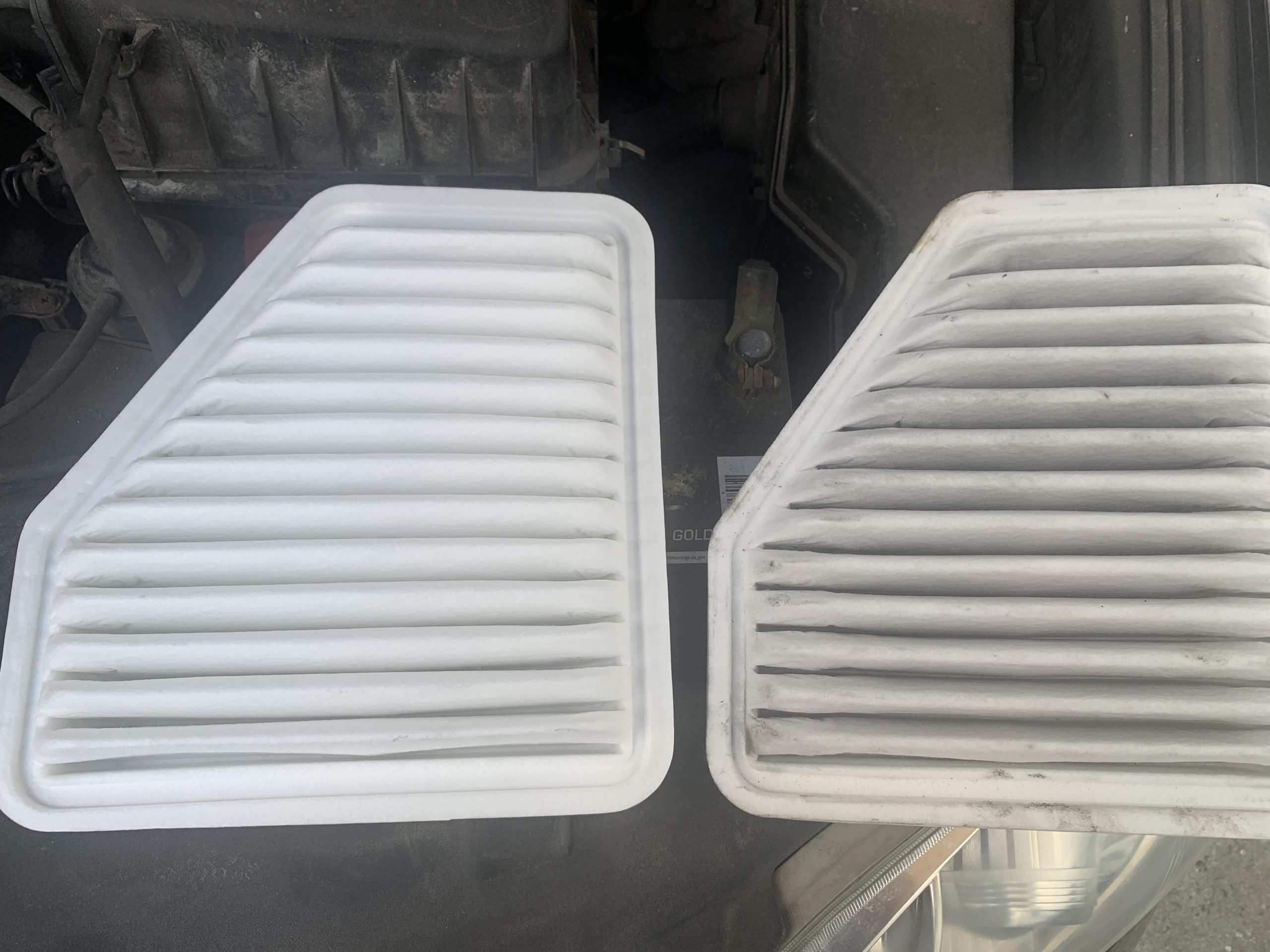
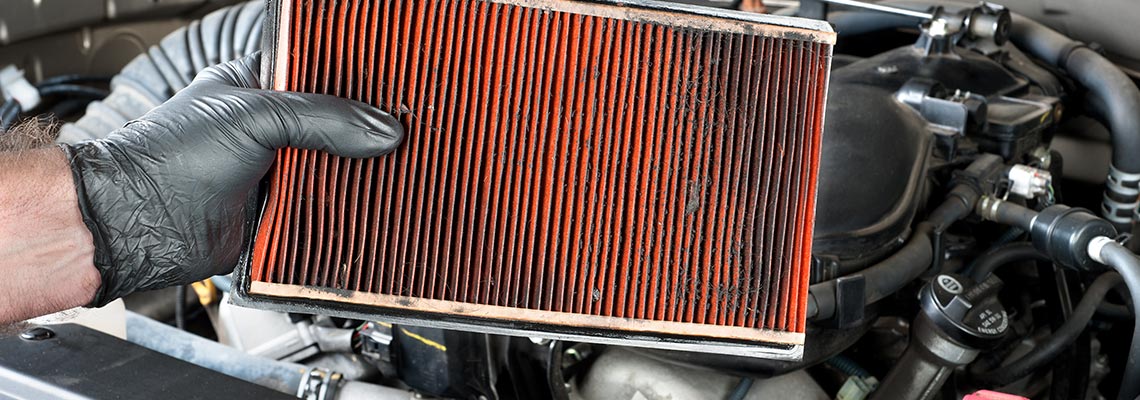
Start by turning off the car. Locate the air filter box. Use a screwdriver to open it. Take out the old filter. Look at it closely. Is it dirty? If yes, replace it. Place the new filter in the box. Close the box tightly. Make sure it is secure. Your air filter is now ready.
Credit: blog.rainbowmuffler.net
Choosing The Right Air Filter
Air filters come in different types. Some are made of paper. Others use foamor cotton. Each type has its own strengths. Paper filters are cheapand easy to find. Foam filters last longer but need more care. Cotton filters allow more airto pass through. This can help the engine breathe better.
Think about your driving environment. Dusty places need stronger filters. Check how often you drive. More driving means more filter use. Consider your budget. Some filters cost more but last longer. Others are cheaper but need frequent changes. Your car’s makeand model also matter. Some cars require specific filters. Always follow the car manual.
Common Misconceptions About Air Filters
Many people think air filters last forever. That’s not true. Lifetime filters still need care. They last longer, but not endless. Dirt and dust clog them over time. This reduces their efficiency. Regular checks help maintain them. Always clean them as needed.
A dirty filter affects car performance. The engine needs clean air to run well. Blocked filters slow down air flow. This can cause the engine to work harder. Fuel use increases, and power decreases. Keeping the filter clean is crucial. It keeps your car running smoothly.
Frequently Asked Questions
How Often Should I Replace My Car’s Air Filter?
Most experts recommend replacing your car’s air filter every 12,000 to 15,000 miles. However, driving conditions can impact this. If you frequently drive in dusty or polluted areas, you may need to replace it more often. Always check your owner’s manual for specific guidance.
What Happens If You Don’t Change The Air Filter?
Failing to change the air filter can reduce engine performance and efficiency. A clogged filter restricts airflow, causing the engine to work harder. This can lead to higher fuel consumption and increased emissions. Regular replacement ensures optimal performance and longevity of your car’s engine.
Can A Dirty Air Filter Affect Gas Mileage?
Yes, a dirty air filter can negatively impact gas mileage. A clogged filter restricts airflow, making the engine less efficient. This inefficiency can cause increased fuel consumption, reducing overall mileage. Ensuring your air filter is clean helps maintain optimal fuel efficiency.
How Do I Know If My Air Filter Is Bad?
Signs of a bad air filter include reduced acceleration and unusual engine noises. You might also notice decreased fuel efficiency. Visible dirt on the filter is another indicator. Regularly inspecting and replacing your air filter ensures optimal engine performance.
Conclusion
Changing your car’s air filter is crucial for engine health. It helps maintain performance and fuel efficiency. Typically, air filters last about 12,000 to 15,000 miles. But always check your car’s manual for details. Dusty roads may require more frequent changes.
Regular inspections can prevent larger issues. Always listen to any unusual engine sounds. These might indicate a dirty filter. Investing in timely filter changes saves money in the long run. Clean filters ensure a smooth and safe ride. Don’t ignore this small but vital component.
Keep your car running at its best.