How Long to Keep Car Insurance Records (By Document Type)
How long to keep car insurance records depends on the type of document, not one single number. Active policy paperwork should last while the policy is active; billing statements need about a year; claim-related records should stick around for years after a claim closes, longer if a lawsuit was involved; and records tied to a tax deduction need the IRS’s standard seven years. This guide breaks down exactly how long to keep each type of record and how to organize them.
How Long to Keep Each Type of Car Insurance Record
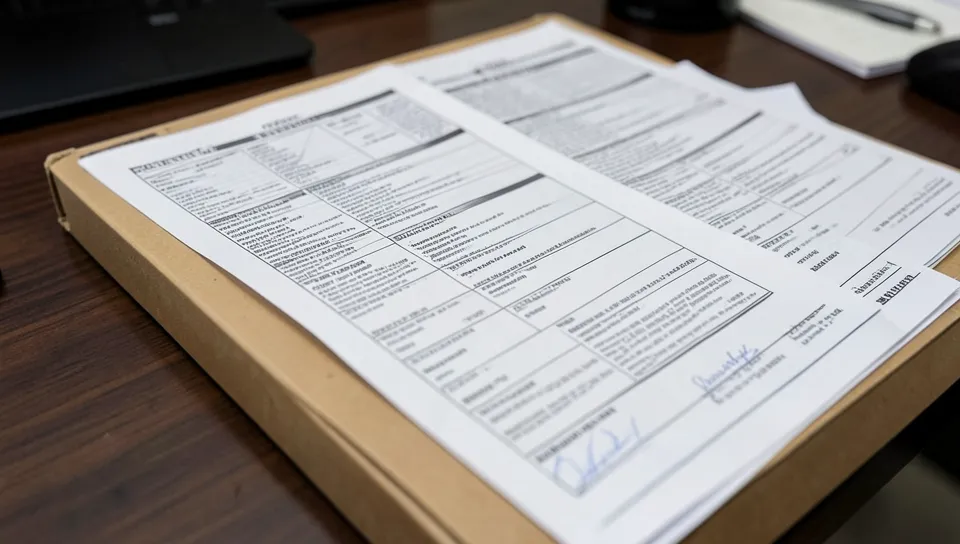
Different documents serve different purposes, so they don’t all need the same retention period:
| Document Type | How Long to Keep It |
|---|---|
| Active policy documents (ID card, declarations page) | As long as the policy is active |
| Monthly billing statements | At least 1 year |
| Expired policy with no open claims | 1-3 years, as a practical safety buffer |
| Claim documents (repair receipts, accident photos) | Until the claim is fully settled, then can typically be discarded |
| Claim involving a lawsuit or injury | Up to 10 years, or until your state’s statute of limitations expires |
| Records used for a tax deduction (e.g. business-use vehicle) | 7 years (IRS standard) |
If you’re not sure which category applies, the safest default is to keep documents at least a year past the point they stop being relevant, since most disputes surface within that window.

Why Keeping These Records Matters
Old records prove your payment and claims history, which matters when you switch insurers – a clean claims history can help you qualify for a better rate. They also serve as your proof of continuous coverage, which some states and lenders require to see, and they’re your first line of defense if a dispute comes up over a past claim or payment.
State and Federal Considerations
Retention rules aren’t purely a matter of personal preference. Two separate sets of rules can affect how long you should actually hold onto records:
State Statutes of Limitations
Every state sets its own statute of limitations for filing a lawsuit over an auto accident, typically somewhere between 2 and 6 years for property damage or personal injury claims. If your claim involved any injury or the possibility of a lawsuit, keep the related documents until that window closes in your state – check your state’s specific timeframe rather than assuming a national default.
IRS Guidelines for Deducted Expenses
If you deduct car insurance premiums as a business expense, the IRS generally recommends keeping the supporting records for seven years. This is specifically a tax-record rule – it doesn’t apply to a typical personal auto policy with no business deduction involved.
Best Practices for Organizing Records
How you store records matters as much as how long you keep them.
Digital vs. Physical Storage
Digital storage saves space and is easy to search – a cloud service like Google Drive or Dropbox with a backup keeps records accessible from anywhere. Physical storage still works well for records you want quick access to without a device, using labeled folders in a dry, secure filing cabinet.
Categorization Tips
Organize records by year and type – separate folders (physical or digital) for active policy documents, claims, and billing statements make it far faster to find what you need. Review and purge outdated files periodically, and always shred paper documents with personal or financial information rather than tossing them in the trash.

When and How to Dispose of Old Records
Once a document has passed its relevant retention period from the table above, shred it rather than throwing it in the trash – car insurance paperwork often contains your policy number, VIN, and personal details that are useful to identity thieves. If you don’t own a shredder, most office supply stores and some banks offer low-cost or free shredding services.
For digital files, deleting from your device and emptying the recycle bin isn’t enough to make a file unrecoverable. Use a secure-delete tool if the document contains sensitive information you want permanently gone.
Tools for Managing Insurance Records
Cloud storage apps like Google Drive and Dropbox make it easy to keep digital copies searchable and backed up, and some insurance company apps let you store your ID card and policy documents directly, with renewal reminders built in. If you prefer physical files, a simple labeled filing system in a dry, secure spot works just as well – the key is picking one system and sticking with it consistently.
Frequently Asked Questions
Should I Shred Insurance Statements?
Yes. Shredding protects your personal and policy information and prevents identity theft. Keep statements for the retention period that applies to them (about 1 year for routine billing) before shredding.
How Long Do You Keep Insurance Bills?
At least 1 year for routine billing statements, which is enough to verify payments and review coverage history. Keep them for 7 years only if you’re using them as documentation for a tax deduction.
Do I Need to Keep Records From a Claim After It’s Settled?
For a routine claim with no injury or lawsuit involved, you can generally let the documents go once the claim is fully settled and you’ve received payment. If the claim involved an injury or the possibility of a lawsuit, keep everything until your state’s statute of limitations expires – often several years.
How Long to Keep Documents Before Shredding?
It depends on the document: tax-related records around 7 years, employment records around 3 years, routine bank and utility statements around 1 year, and car insurance records per the breakdown above. When in doubt, check the specific guidance for that document type rather than applying one blanket rule.
Conclusion
There’s no single “keep it for X years” answer for car insurance records – it depends on whether you’re looking at an active policy, a billing statement, a settled claim, or a tax-deductible expense. Sort your records by type, follow the retention windows above, and shred anything with personal details once it’s past its useful life.
Products related to this article
Sponsored / affiliate links. As an Amazon Associate I earn from qualifying purchases. I may earn additional commission from eligible campaigns.