How Much Does It Cost To Rent A Car Trailer? Full Guide
So, you need to haul something big, like a car, a motorcycle, or maybe even some bulky project materials. You’ve looked into renting a truck, but it feels like overkill, or maybe it just won’t fit what you need to move. That’s where a car trailer comes in.
They are super useful. But then the question hits: how much does it actually cost to rent one of these things?
It’s a common question, and honestly, there isn’t a single easy answer. Lots of things play a role in the price. We’re going to break it all down so you know exactly what to expect.
We’ll cover the different types of trailers, where you can rent them, and what hidden fees might pop up. By the end, you’ll feel confident about renting the right trailer without breaking the bank.
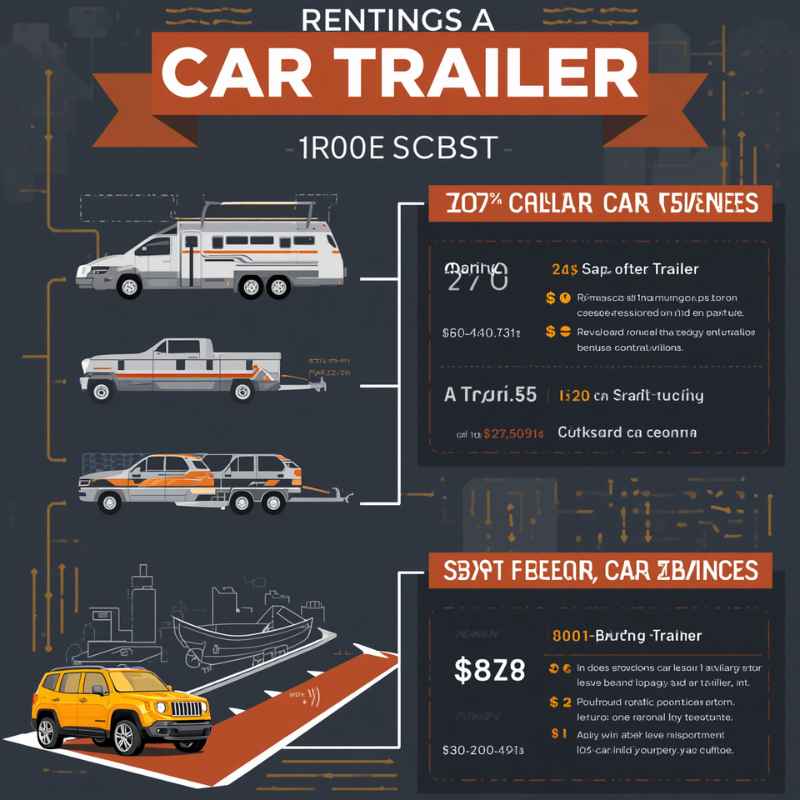
Renting a car trailer typically costs between $25 and $200 per day. This price can change based on trailer size, type, rental duration, your location, and any extra features or insurance you need. Longer rental periods often come with discounts.
Understanding Car Trailer Rental Costs
Renting a car trailer seems straightforward, right? You need it, you get it, you bring it back. But like many things, the price tag can move around quite a bit.
Several key factors influence how much you’ll pay. Understanding these helps you budget better and find the best deal.
First off, think about the size and type of trailer. You’re not just renting any old trailer; you’re renting one that can handle a car. These are usually larger and sturdier.
There are open-deck trailers, enclosed trailers, and even specialized ones for specific vehicles. The bigger and more complex the trailer, the more it will likely cost per day.
Next, consider how long you need it. A few hours might be cheaper hourly, but most places price by the day. Renting for a week or a month will almost always get you a better daily rate than just one day.
It’s like buying in bulk; the longer you commit, the less you pay per unit of time.
Your location matters too. Prices can vary a lot from one city to another, or even between different neighborhoods within the same city. Big metropolitan areas might have higher prices due to demand and operating costs for rental companies.
Rural areas might offer lower prices but possibly with fewer options.
Don’t forget about extra fees and insurance. Most rental companies offer damage waivers or insurance options. While these can add to your upfront cost, they might save you a lot if something goes wrong.
There can also be fees for late returns, exceeding mileage limits, or cleaning the trailer if it’s returned dirty.
Finally, think about when you rent. If you need a trailer during a peak season, like the summer moving season or around holidays, prices might be higher. Booking in advance can sometimes secure a better rate, especially during busy times.
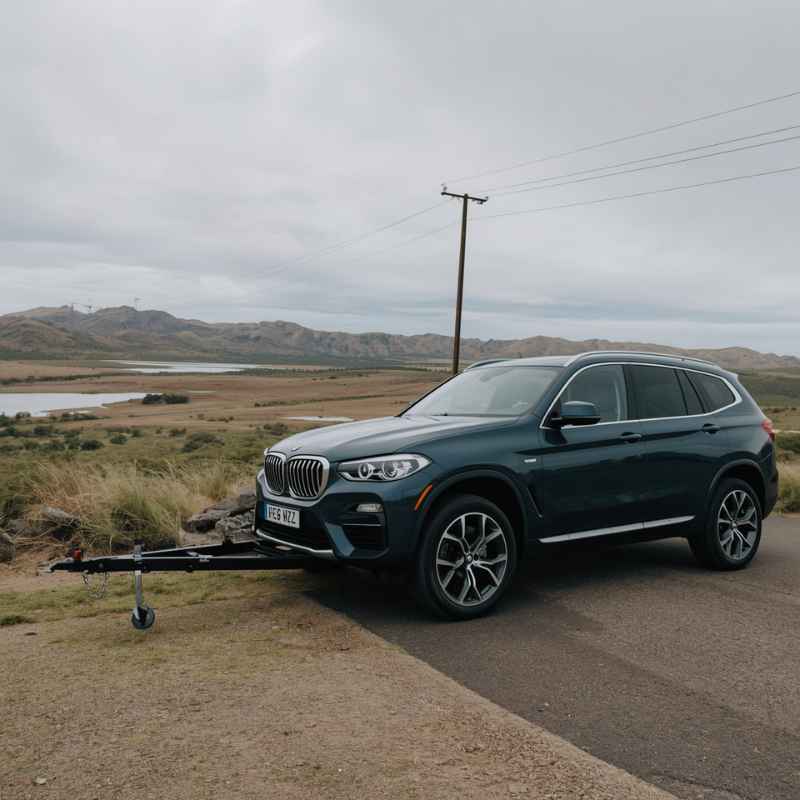
Types of Car Trailers and Their Rental Prices
When you’re looking to rent a trailer specifically for hauling cars, you’ll likely encounter a few main types. Each has its own purpose and, consequently, its own price range.
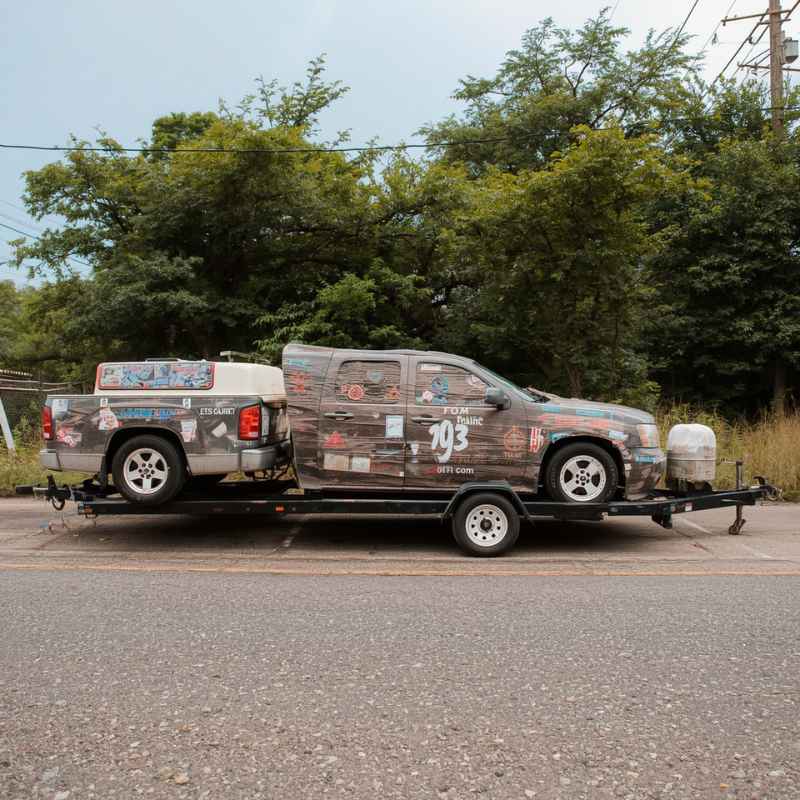
The most common type is the open-deck car hauler. This is what most people picture. It’s a flatbed trailer with ramps, and picking ramps of the right length and weight rating matters just as much as picking the trailer itself.
You drive the car onto the deck and strap it down. These are generally the most affordable option for renting. They are simple, effective, and widely available.
Prices for an open-deck car hauler often start around $50 to $100 per day. For a longer weekend or a few days, you might pay between $150 and $300. If you need it for a full week, expect to pay somewhere in the range of $300 to $500.
These prices can be lower or higher depending on the exact size, weight capacity, and the rental company.
Then there are enclosed car trailers. These are like a cargo trailer but built specifically for vehicles. They offer protection from the weather and theft.
Because they are more complex and offer more protection, they are also more expensive to rent.
Renting an enclosed car trailer can set you back $100 to $200 per day, sometimes even more. A weekend rental might range from $250 to $450. A weekly rental could be anywhere from $500 to $800.
The extra cost gets you peace of mind for valuable or classic cars.
You might also find car dollies or tow dollies. These are not full trailers but devices that attach to the back of your vehicle to tow another car. The front wheels of the towed car sit on the dolly.
These are much smaller and less expensive than full car trailers.
Renting a car dolly is typically much cheaper, often in the range of $25 to $75 per day. A weekend could cost around $75 to $150. These are great for shorter distances or when you only need to move a non-running vehicle a short way, and they require less powerful tow vehicles.
Sometimes, you’ll see tilt-bed trailers. These allow the bed to tilt down, making it easier to load cars without long ramps. They can be very handy, especially for low-clearance vehicles.
Their price is usually in the middle ground, between open-deck and enclosed trailers.
The cost for a tilt-bed trailer rental might be around $70 to $130 per day. A weekend rental could fall between $200 and $350. They offer a good balance of ease of use and cost.
Where to Rent a Car Trailer
Finding a place to rent a car trailer isn’t too difficult. Several types of companies offer these services, and each might have slightly different pricing, inventory, and rental terms.
One of the most common places is equipment rental centers. Think of companies like U-Haul, Penske Truck Rental, or Budget Truck Rental. These companies specialize in renting out various types of vehicles and equipment, including trailers.
They are often conveniently located and have a large fleet.
U-Haul, for example, is very popular for moving and hauling. They offer a wide range of trailers, including car trailers. Their pricing is competitive, often with options for one-way rentals if you’re moving a car to a different city.
You can typically find rates for open-deck car trailers starting around $70 per day for local moves.
Penske and Budget also have trailer rentals, often as an add-on to truck rentals. Their prices can be similar, but it’s always good to compare. They might have different types of trailers available, so check their websites or call them.
Another option is local trailer dealers. Many businesses that sell trailers also rent them out. These places might specialize in certain types of trailers and can offer more expert advice.
You might find a wider variety of specialized trailers here, but prices could be a bit higher than the big national chains.
These local dealers often have very well-maintained equipment. Prices here can vary widely, but you might see daily rates from $60 to $150 for a standard car hauler.
You can also explore general rental companies that might have trailers as part of their larger inventory. Companies that rent out construction equipment or party supplies sometimes have utility trailers that can be adapted, but dedicated car trailers are less common here.
Don’t overlook peer-to-peer rental platforms. Websites and apps connect people who own trailers with people who need to rent them. This can sometimes offer lower prices because the overhead is less.
You might find unique or specialized trailers this way.
However, with peer-to-peer rentals, you need to be extra careful about insurance and the condition of the trailer. Always inspect it thoroughly and understand the rental agreement. Prices can range from $40 to $120 per day, depending on the trailer and owner.
When you’re choosing a rental location, consider these points:
- Availability: Do they have the type and size of trailer you need?
- Location: Is it convenient for pickup and return?
- Pricing: Compare daily rates, plus any potential add-on fees.
- Insurance/Damage Waivers: What’s included, and what’s extra?
- Reviews: What do other customers say about their experience?
Factors Affecting Rental Price
The daily rate is just the starting point. Several other factors can significantly influence the final cost of renting a car trailer. Being aware of these can help you avoid surprises.
Rental Duration: As mentioned, longer rentals usually mean a lower price per day. A company might offer a discount for weekly or monthly rentals. If you only need it for a few hours, some places might offer an hourly rate, but this is less common for car trailers.
Time of Year: Demand for trailers, especially around holidays or busy moving seasons, can drive up prices. If you can rent during an off-peak time, you might find better deals. Planning your move or project outside of major busy periods can save you money.
Mileage Limits: Some rentals include a certain number of miles. If you plan to travel a long distance, check the mileage allowance. Exceeding it can result in extra charges, sometimes $0.25 to $0.50 per mile.
Always ask about this upfront.
Insurance and Damage Waivers: This is a big one. Rental companies offer protection plans, often called Loss Damage Waivers (LDW) or Supplemental Liability Insurance (SLI). These can add anywhere from $10 to $30 per day to your rental cost.
While they increase the upfront price, they can save you hundreds or thousands if the trailer is damaged or stolen.
It’s crucial to understand what these waivers cover and what they don’t. Some only cover damage to the trailer itself, while others include liability for damage to other vehicles or property. Your personal auto insurance or credit card might offer some coverage, so check those policies first.
Additional Equipment: Do you need specialized tie-down straps, wheel chocks, or a load leveler? These might be available for an extra fee. Make sure to ask if these items are included or if they cost extra.
Fuel: Most rentals do not include fuel. You’ll typically need to return the trailer with the same amount of fuel it had when you picked it up. If you’re renting a trailer with a power winch or lights that run off a battery, check how those are powered and if recharging is your responsibility.
Cleaning Fees: If you return the trailer significantly dirty, you might be charged a cleaning fee. This could range from $25 to $100 or more, depending on the mess. It’s usually best to give it a quick sweep before returning it.
Late Return Fees: Returning the trailer past the agreed-upon time will almost certainly incur extra charges. These can be significant, sometimes equaling a full extra day’s rental fee plus additional penalties.
Cost-Saving Tips for Renting a Car Trailer
Nobody wants to spend more than they have to. Luckily, there are several smart ways to reduce the cost of renting a car trailer.
Book in Advance: Especially if you need a trailer during a busy period, booking a week or two ahead can secure your reservation and potentially a better rate. Last-minute rentals often come at a premium.
Compare Prices: Don’t just go with the first rental company you find. Check prices from at least two or three different providers. This includes national chains and local dealers.
Sometimes, a smaller local business can offer more competitive rates.
Consider a Dolly for Short Distances: If you’re moving a car a relatively short distance and the car is drivable or can be easily towed, a car dolly might be a much cheaper alternative to a full car trailer. They cost less to rent and often require less robust tow vehicles.
Opt for an Open-Deck Trailer: Unless your car is extremely valuable, a classic, or needs protection from the elements, an open-deck trailer is usually the most budget-friendly option. They fulfill the core need of transporting a vehicle at a lower cost.
Negotiate for Longer Rentals: If you know you’ll need the trailer for several days or a week, ask if there are package deals or discounts for longer rental periods. Sometimes, companies are willing to work out a better rate to secure your business for an extended time.
Understand Insurance Needs: Carefully evaluate the insurance options. If your personal auto insurance or your credit card provides sufficient coverage for trailer rentals, you might be able to decline the rental company’s expensive waiver. However, always confirm the exact coverage before declining.
Be Punctual with Returns: Avoid late fees at all costs. Plan your return trip to ensure you get back before the rental office closes. Late fees can be substantial and negate any savings you’ve made.
Return the Trailer Clean: A quick sweep inside the trailer before returning it can prevent cleaning fees. It’s a small effort that can save you unexpected charges.
Check for Discounts: Ask if the rental company offers any discounts. This could be for military personnel, students, AAA members, or even for booking online. It never hurts to inquire.
Myth vs. Reality: Trailer Rental Costs
Myth: All trailer rentals are the same price.
Reality: Prices vary greatly by trailer type, size, location, and rental duration.
Myth: Insurance is always required.
Reality: Insurance or damage waivers are usually optional, but highly recommended.
Myth: You get charged by the hour.
Reality: Most car trailer rentals are priced daily, though some smaller items might be hourly.
Myth: Rental costs are all-inclusive.
Reality: Extra fees for mileage, cleaning, late returns, and insurance can add up.
What This Means for You
Knowing the cost to rent a car trailer is about more than just the number you see on the initial quote. It’s about understanding the whole picture so you can make the best choice for your situation.
Budgeting: You can now create a more accurate budget for your project or move. Instead of guessing, you have a clearer idea of potential costs, from the daily rental fee to optional insurance. This helps prevent unexpected expenses from derailing your plans.
Decision Making: The cost analysis might influence your decisions. For example, if the cost to rent a car trailer and tow your vehicle is very high, you might reconsider whether driving it yourself, or even selling it and buying another one at your destination, is more economical.
Smart Shopping: You’re now equipped to shop around. You know what questions to ask rental companies and what to look for in their quotes. This empowers you to find the best value for your money.
Risk Management: Understanding insurance options lets you manage risk effectively. You can choose the level of protection that aligns with the value of the vehicle you’re hauling and your own financial comfort level.
It’s always a good idea to get a detailed quote that itemizes all potential fees. Don’t hesitate to ask the rental company representative to explain anything you don’t understand. A little bit of upfront research and asking the right questions can save you a lot of money and hassle.
When to Worry About Trailer Rental Costs
For the most part, renting a car trailer is a predictable expense. However, there are times when the costs can escalate unexpectedly, and it’s good to be aware of these potential pitfalls.
Hidden Fees: The biggest worry is often unexpected fees that weren’t clearly communicated upfront. This could be hefty charges for exceeding mileage limits if you didn’t realize how much you’d be driving, or significant cleaning fees for a trailer that wasn’t excessively dirty.
Damage to the Trailer: This is the most significant potential cost. If you rent a trailer without adequate insurance or a damage waiver and something happens to it – a flat tire, damage from road debris, or a collision – you could be liable for expensive repairs. This is why understanding your insurance is crucial.
Theft of the Trailer: If the rented trailer is stolen, you could be responsible for its
Mechanical Issues with Your Tow Vehicle: While not directly a trailer rental cost, if your tow vehicle breaks down, you might incur costs for towing, repairs, and potentially extra rental days for the trailer while you sort out your vehicle issues.
Unexpected Delays: If your trip gets delayed due to weather, traffic, or unforeseen circumstances, you might need to extend your rental period. This means paying for additional rental days, which can add up quickly.
One-Way Rental Surprises: If you’re doing a one-way rental (picking up in one city and dropping off in another), ensure you have a clear understanding of the total cost. Sometimes, drop-off fees or differing daily rates in different locations can increase the overall price.
When in doubt, ask! If a fee or policy seems unclear, get clarification from the rental company before you sign the contract. Written documentation is always best.
Quick Fixes & Tips for Renting
Here are some simple, actionable tips to make your car trailer rental experience smoother and more cost-effective.
- Confirm Hitch Compatibility: Make sure your tow vehicle’s hitch system matches the trailer’s coupler. You might need an adapter, or the trailer might have a specific ball size.
- Check Towing Capacity: Always ensure your vehicle is rated to tow the weight of the trailer plus the car you plan to put on it. Overloading your vehicle can be dangerous and lead to costly damage.
- Load Securely: Use proper tie-down straps and chains. Ensure the car is centered on the trailer for balanced weight distribution. Check straps periodically during your trip.
- Practice Makes Perfect: If you’re new to towing, practice in an empty parking lot before hitting the road. Get a feel for backing up, turning, and braking with the trailer.
- Factor in Fuel Consumption: Towing a trailer, especially a car hauler, will significantly increase your vehicle’s fuel consumption. Budget for more gas than you normally would.
- Plan Your Route: Consider roads suitable for towing. Avoid extremely narrow streets or steep grades if possible. Some GPS apps have settings for RV or trailer routing.
- Driver’s License Requirements: In most U.S. states, you don’t need a special license for a standard car trailer. However, check your local regulations, especially if you’re towing a very heavy load or a gooseneck/fifth-wheel trailer.
Frequently Asked Questions About Car Trailer Rentals
What is the average daily cost to rent a car trailer?
The average daily cost to rent a car trailer typically falls between $50 and $150. This can vary based on the type of trailer (open-deck, enclosed, dolly), rental duration, and location.
Are there cheaper options than renting a full car trailer?
Yes, for shorter distances or less demanding needs, a car dolly can be a significantly cheaper rental option, often costing between $25 and $75 per day. They tow the front wheels of the car.
What types of trailers are best for hauling classic cars?
For classic cars, an enclosed car trailer is highly recommended. It offers protection from weather, debris, and theft, ensuring the vehicle arrives in pristine condition.
Do I need special insurance to rent a car trailer?
You don’t always need special insurance, but it’s strongly advised. Rental companies offer damage waivers or insurance, and your personal auto policy or credit card might provide coverage. Always check your existing policies first.
Can I rent a car trailer for a one-way trip?
Yes, many national rental companies like U-Haul offer one-way car trailer rentals. Be aware that these often come with additional fees compared to local round-trip rentals.
What is the weight limit for most car trailers?
Weight limits vary widely by trailer size and construction. Smaller car dollies might have capacities around 4,000-5,000 lbs, while heavy-duty open-deck or enclosed trailers can handle 7,000-10,000 lbs or more. Always check the trailer’s Gross Vehicle Weight Rating (GVWR).
How does trailer rental pricing change with longer rental periods?
Rental companies typically offer discounts for longer rental periods. Renting for a week or a month is usually cheaper on a per-day basis than renting for just one or two days.
Conclusion
Renting a car trailer is a practical solution for many hauling needs. While the cost can range widely, understanding the factors like trailer type, rental duration, and insurance is key. By comparing prices, booking smart, and being aware of potential extra fees, you can rent the right trailer without overspending.
Remember to always prioritize safety and ensure your tow vehicle is up to the task.
Products related to this article
Sponsored / affiliate links. As an Amazon Associate I earn from qualifying purchases. I may earn additional commission from eligible campaigns.