How Many Car Types: Essential Guide
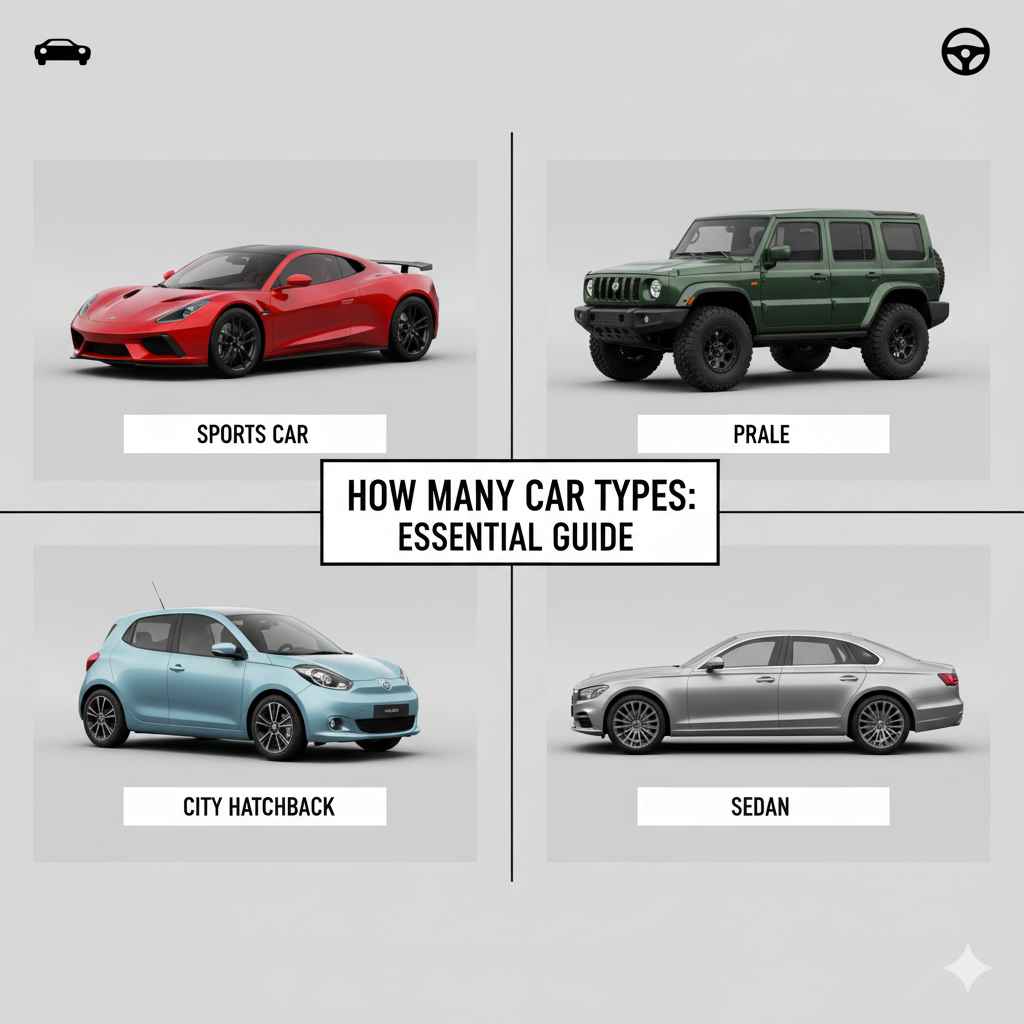
There are many different types of cars, broadly categorized by their body style, size, and intended use. Common types include sedans, SUVs, trucks, coupes, hatchbacks, and minivans, each offering unique features for various needs.
Ever wondered about the vast world of cars and how they’re all different? You’re not alone! Sometimes, just looking at the sheer variety on the road can be confusing. What makes one car a sedan and another an SUV? If you’re new to the car scene or just want to get a clearer picture, understanding the main types of cars is a great first step. It helps you appreciate design, make better choices when buying, and even understand what you’re looking at when you see a new model. This guide is here to break it all down for you in a simple, friendly way. Let’s dive in and demystify the wonderful world of automobiles!
Understanding Car Types: A Simple Breakdown
Think of car types like categories in a library – they help organize everything. Cars are generally grouped based on their shape, how many doors they have, their size, and what they’re best designed for. This makes it easier for manufacturers to build them and for us to understand what each one offers. Instead of just saying “car,” we can be more specific, like “that sleek sports car” or “that big family SUV.” This helps us choose the right vehicle for our needs, whether it’s for daily commuting, hauling gear, or just enjoying a weekend drive.
Let’s explore the most common types of cars you’ll see on the road. We’ll keep it straightforward, so you can feel confident understanding the differences.
Sedans: The Versatile All-Rounders
Sedans are probably the most common car type you’ll encounter. They’re known for their classic car shape: a separate engine compartment at the front, a cabin for passengers in the middle, and a separate trunk at the back for cargo. Most sedans have four doors, making them easy for passengers to get in and out. They usually seat four to five people comfortably.
Sedans are great for a variety of uses. They’re typically fuel-efficient, making them a good choice for daily driving and commuting. They offer a comfortable ride and generally have good handling. Think of them as the dependable workhorses of the car world.
Key Features of Sedans:
- Four doors
- Separate trunk
- Comfortable seating for 4-5 people
- Good fuel efficiency
- Smooth ride
Some popular examples you might recognize include the Honda Civic, Toyota Camry, and BMW 3 Series. They come in various sizes, from compact to full-size, but the fundamental design remains the same.
SUVs (Sport Utility Vehicles): Space and Capability
SUVs have become incredibly popular, and for good reason! The name “Sport Utility Vehicle” hints at their purpose: they blend the passenger space and comfort of a car with the ruggedness and higher stance of a truck. They typically have a higher ground clearance than sedans, which can be helpful for driving on rougher roads or in bad weather.
Most SUVs offer more interior space for both passengers and cargo. The rear seats can often fold down, creating a large, flat area for hauling larger items. Many SUVs also offer all-wheel drive (AWD) or four-wheel drive (4WD) options, giving them better traction and capability in challenging conditions. This makes them a favorite for families, outdoor adventurers, or anyone who needs a bit more versatility.
Key Features of SUVs:
- Higher ground clearance
- Spacious interior for passengers and cargo
- Often available with AWD or 4WD
- Versatile for different needs (family, cargo, light off-roading)
- Can have 2 or 3 rows of seating
SUVs come in many sizes: compact (like the Honda CR-V), mid-size (like the Toyota Highlander), and full-size (like the Chevrolet Tahoe). Some even have a truck-like frame, while others are built on a car platform (often called “crossover SUVs” or simply crossovers). A great resource for understanding SUV safety ratings is the National Highway Traffic Safety Administration (NHTSA), which provides detailed safety information for all vehicle types.
Trucks: Built for Work and Play
When you think of trucks, you likely picture vehicles designed for heavy lifting and tough jobs. Pickup trucks are the most common type, characterized by an enclosed cab for passengers and an open cargo bed at the rear. This open bed is what makes them perfect for hauling materials, equipment, or gear that might not fit inside a regular car.
Trucks are built to be durable and robust. They often have powerful engines and are available with rear-wheel drive (RWD) or four-wheel drive (4WD). Trucks are ideal for construction work, towing trailers, or for individuals who need a vehicle that can handle demanding tasks and often rough terrain. They also offer a commanding view of the road.
Key Features of Trucks:
- Open cargo bed for hauling
- Robust construction
- Powerful engine options
- Available with 2WD or 4WD
- Excellent for towing and heavy-duty use
Trucks are categorized by their size, such as compact (like the Ford Maverick), mid-size (like the Toyota Tacoma), and full-size (like the Ford F-150). Heavy-duty trucks (like the Ford F-250 and larger) are designed for even more demanding commercial applications.
Coupes: Style and Sportiness
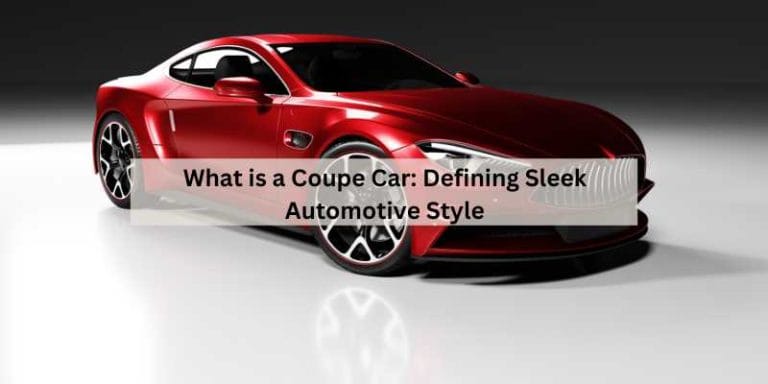
Coupes are generally defined by their sleek, sporty design and typically having only two doors. Often, they have a sloping roofline that gives them a stylish, aerodynamic look. While some coupes can seat four people, the rear seats are usually quite small and best suited for occasional use or for children. The focus of a coupe is more on performance and style than passenger comfort or cargo space.
They are often designed with driving dynamics in mind, meaning they can offer a more engaging and fun driving experience. Many sports cars are built as coupes. They’re a great choice for individuals or couples who prioritize aesthetics and driving feel.
Key Features of Coupes:
- Typically two doors
- Sporty, stylish design
- Sloping roofline
- Focus on performance and driving experience
- Limited rear-seat space
Examples include the Ford Mustang, Chevrolet Camaro, and Porsche 911. Some manufacturers also offer “four-door coupes,” which have sedan-like doors but mimic the coupe’s sloping roofline for a sportier look.
Hatchbacks: Compact Versatility
Hatchbacks are similar to sedans in many ways, but with a key difference: instead of a separate trunk, they have a rear door (the “hatch”) that swings upward, including the rear window. This hatch opens directly into the cargo area, making it much easier to load and unload bulky items compared to a sedan’s trunk. Like sedans, most hatchbacks have four doors.
Hatchbacks are often praised for their practicality in a compact package. They tend to be fuel-efficient and easy to maneuver, making them excellent for city driving. When the rear seats are folded down, the cargo space becomes surprisingly large, offering much more utility than their exterior size might suggest.
Key Features of Hatchbacks:
- Rear “hatch” door that includes the window
- Combines passenger space with flexible cargo area
- Often compact and fuel-efficient
- Good for city driving and versatility
- Typically four doors
Examples include the Volkswagen Golf, Mazda3 Hatchback, and Honda Civic Hatchback. They strike a great balance between the practicality of an SUV and the maneuverability of a smaller car.
Minivans: The Ultimate Family Haulers
When it comes to transporting multiple passengers and all their gear in comfort, minivans are hard to beat. They are specifically designed with families in mind. Minivans are characterized by their distinctive boxy shape, tall profile, and typically sliding rear doors, which make getting in and out much easier, especially in tight parking spaces. Most offer three rows of seating.
The interior of a minivan is incredibly spacious and flexible. The seats can be configured in numerous ways, often folding flat into the floor to maximize cargo space when needed. They offer a smooth, comfortable ride and a host of family-friendly features, making them ideal for road trips and everyday family life.
Key Features of Minivans:
- Spacious interior with multiple rows (often 3)
- Sliding rear doors for easy access
- Flexible seating configurations
- Excellent for passenger and cargo capacity
- Designed for comfort and family use
Well-known minivans include the Honda Odyssey, Toyota Sienna, and Chrysler Pacifica. They are sometimes called MPVs (Multi-Purpose Vehicles).
Other Notable Car Types
While the above are the most common, there are other specialized types of vehicles you’ll see:
- Sports Cars: Built for performance, speed, and handling. They can be coupes or convertibles and often have powerful engines. Examples include the Chevrolet Corvette or Audi R8.
- Convertibles: Cars with a retractable roof that can be opened to the sky. They can be based on coupe or sports car designs.
- Wagons: Similar to sedans but with an extended roofline and a rear hatch instead of a trunk, offering more cargo space than a sedan but typically a lower profile than an SUV. Think Subaru Outback (though often considered a crossover, it has wagon roots) or Volvo V60.
- Electric Vehicles (EVs): These are cars powered solely by electricity, not gasoline. They come in various body styles (sedans, SUVs, hatchbacks) and are a growing part of the automotive landscape. FuelEconomy.gov provides great information on EVs and their benefits.
- Hybrids: Cars that use both a gasoline engine and an electric motor for power. They offer improved fuel efficiency.
Factors to Consider When Choosing a Car Type
Deciding which type of car is right for you involves thinking about a few key things:
- Your Lifestyle: Do you have a family? Are you a single driver? Do you need to haul lots of gear or equipment for work or hobbies? Your daily routine is the biggest factor.
- Passenger Capacity: How many people do you regularly need to transport? A coupe is fine for one or two, but a sedan or SUV is better for a small family, and a minivan is ideal for larger families.
- Cargo Needs: Do you frequently carry large items, groceries for a week, sports equipment, or tools? Trucks and SUVs offer more cargo flexibility than sedans or coupes.
- Driving Conditions: Where do you typically drive? If you face rough roads, snow, or heavy rain often, an SUV with AWD or 4WD might be beneficial. For city driving, a compact car or hatchback is often easier to park and more fuel-efficient.
- Fuel Efficiency: How important are gas savings to you? Smaller cars and sedans generally offer better fuel economy than larger trucks or SUVs. Hybrids and EVs are also excellent options if fuel economy is a top priority.
- Budget: Different car types and models have vastly different price points, both for purchase and for ongoing costs like fuel, insurance, and maintenance.
It’s like packing for a trip – you wouldn’t pack a tiny suitcase for a month-long camping adventure, and you wouldn’t bring a huge moving truck to the grocery store. Choosing the right car type ensures your vehicle fits your life needs perfectly.
Comparing Car Types: A Snapshot
To help visualize the differences, here’s a simplified comparison table of the most common types:
| Car Type | Primary Purpose | Passenger Capacity | Cargo Space | Typical Strengths | Typical Weaknesses |
|---|---|---|---|---|---|
| Sedan | Daily driving, commuting, comfortable transport | 4-5 | Moderate (separate trunk) | Fuel efficiency, comfortable ride, handling | Limited cargo flexibility, lower stance |
| SUV | Family, versatile use, hauling, light off-roading | 5-7 (or 8) | Large (folding seats) | Space, versatility, higher visibility, optional AWD/4WD | Can be less fuel-efficient, higher price point |
| Truck | Hauling, towing, heavy-duty work, off-roading | 3-6 | Very Large (open bed) | Towing capacity, payload capacity, ruggedness | Lower fuel efficiency, rougher ride, less comfort |
| Coupe | Sporty driving, personal style | 2-4 (rear often small) | Small (separate trunk) | Performance, sporty look, handling | Limited passenger/cargo space, can be less practical |
| Hatchback | Practicality, city driving, flexible cargo | 4-5 | Good (flexible with folding seats) | Compact size, fuel efficiency, cargo versatility | Can be noisier than sedans, less cargo capacity than SUVs |
| Minivan | Family transport, maximum passenger/cargo | 7-8 | Very Large (highly flexible) | Passenger comfort, ease of access, space | Less stylish for some, can be large to maneuver |
This table provides a general overview. Remember, within each category, there’s a huge range of models with different features and capabilities.
Frequently Asked Questions (FAQs)
Q1: How do I know if I need an SUV or a sedan?
If you prioritize fuel efficiency, a comfortable sedan ride for daily commuting, and don’t often need to haul large items or navigate rough terrain, a sedan is likely a great choice. If you have a growing family, need more cargo space, want a higher driving position, or often drive in snowy or uneven conditions, an SUV would probably serve you better.
Q2: What’s the main difference between a crossover and an SUV?
Traditionally, traditional SUVs were built on a truck’s frame (body-on-frame construction), making them very rugged. Crossovers (often called unibody SUVs) are built on a car’s platform, giving them a more car-like ride, better fuel efficiency, and usually enough capability for most everyday needs. Most vehicles labeled as SUVs today are actually crossovers.
Q3: Are coupes only for two people?
While coupes are defined by having two doors, many do have a rear seat. However, this rear seat is typically quite small and cramped, making it difficult for adults to sit comfortably for long periods. They are best for occasional use or for children.
Q4: What makes a hatchback more practical than a sedan?
The key is the rear hatch door. It includes the glass and opens the entire rear of the car upwards. This provides a much larger opening for loading items into the cargo area compared to the smaller trunk opening on a sedan. Plus, the cargo area in a hatchback is usually integrated with the passenger cabin, and the rear seats can fold down to create a large, flat space.
Q5: Are pickup trucks good for long road trips with family?
Modern pickup trucks, especially those with crew cabs (four full doors), can be comfortable for families on road trips. However, they often have a firmer ride characteristic of their rugged design, and their fuel economy can be a factor on long journeys. If comfort and maximum passenger space are the top priorities, a minivan or a large SUV might be a more comfortable and fuel-efficient option for extended trips.
Q6: What type of car is best for someone learning to drive?
For new drivers, a smaller, more fuel-efficient car like a compact sedan or a hatchback is often recommended. These vehicles are typically easier to maneuver, park, and get good gas mileage. They also tend to be less expensive to insure and repair if minor incidents occur. Models like the Honda Civic, Toyota Corolla, or Mazda3 are popular choices for new drivers.
Q7: Are electric cars a different “type” of car?
Electric cars (EVs) are more of a different powertrain type, meaning how they are powered. They can come in all sorts of body styles – you can find electric sedans, electric SUVs, electric trucks, and electric hatchbacks. So, an EV is a car that runs on electricity, and it can belong to any of the body style categories we’ve discussed.