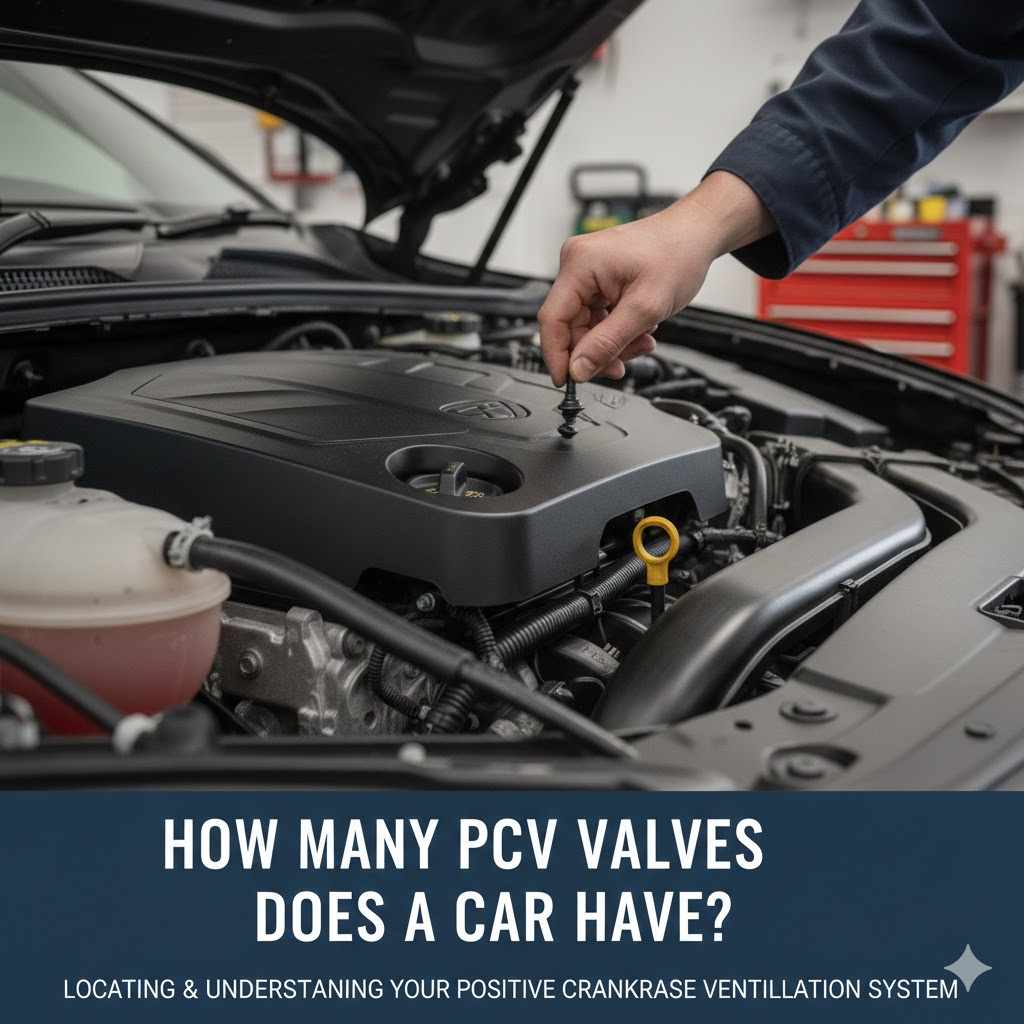
How Many PCV Valves Does a Car Have?
If you’re wondering How Many PCV Valves Does a Car Have?, you’re not alone! It’s a common question for anyone starting to learn about cars. Sometimes, car parts can seem a bit confusing at first. Don’t worry, this isn’t as hard as it might sound. This post will give you clear and simple answers, step-by-step. Let’s explore everything you need to know.
The Essential Role of the PCV Valve
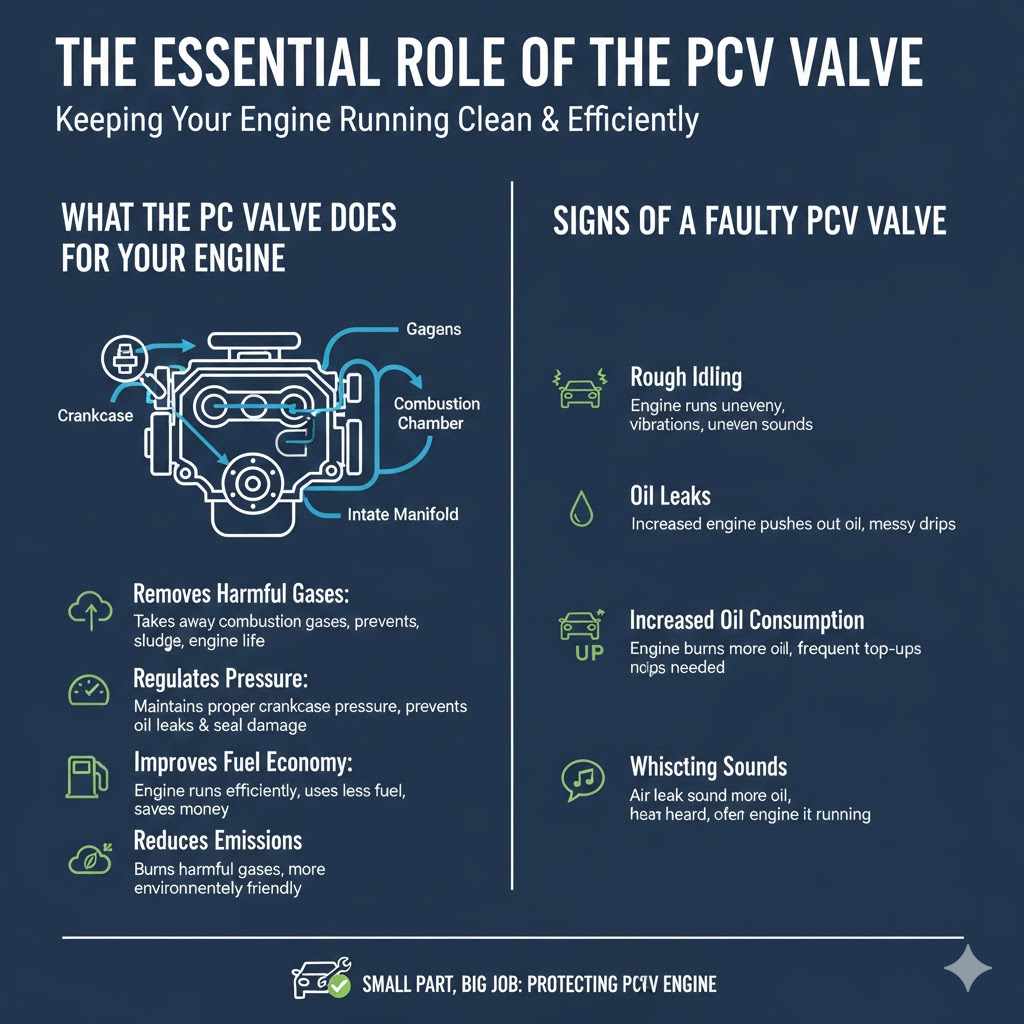
The PCV valve, or Positive Crankcase Ventilation valve, plays a very important role in your car. It helps your engine stay clean and work correctly. It’s connected to your engine’s crankcase, a space where oil moves around. This valve removes harmful gases that build up inside the engine. These gases are created by combustion, or when the fuel burns.
Without the PCV valve, these gases could cause all sorts of problems. It ensures everything runs smoothly. It also prevents leaks by maintaining proper pressure. Therefore, understanding its function is important for any car owner. It’s a small part, but it has a big job to do. Keeping the engine running efficiently is a top priority.
What the PCV Valve Does for Your Engine
The PCV valve works by pulling these unwanted gases from the crankcase. It sends them back into the engine. The engine then burns them during the regular combustion process. This process keeps the crankcase clean. It also helps the engine to run better. This means better gas mileage and fewer problems.
The PCV valve is connected to your engine’s intake manifold. The manifold is a part that delivers air to your engine. The valve uses this air to suck up and move the gases. It is a simple but effective system. It protects your car from costly repairs and keeps it operating at peak performance.
-
Removes Harmful Gases: The PCV valve takes away gases that build up in the engine. These gases come from the combustion process. They can contaminate the oil and damage engine parts. This helps to extend the engine’s life.
This removal process keeps the engine cleaner. It stops sludge and other harmful substances from building up. This prevents costly repairs.
-
Regulates Pressure: The valve keeps the pressure in the crankcase right. Too much pressure can cause oil leaks and damage engine seals. The PCV valve prevents this by releasing the excess pressure. This function is vital for engine durability.
Proper pressure also ensures that the oil circulates correctly. It keeps engine parts well lubricated.
-
Improves Fuel Economy: A working PCV valve helps the engine to run efficiently. This can lead to improved fuel economy. By keeping the engine clean, the PCV valve helps the engine to use fuel effectively.
This means your car uses less fuel, saving you money. A clean engine also reduces emissions.
-
Reduces Emissions: The gases the PCV valve removes are often harmful to the environment. By sending these gases back into the engine, the valve helps to reduce the amount of pollution your car creates.
This makes your car more environmentally friendly. Modern cars are designed to reduce emissions.
Signs of a Faulty PCV Valve
A faulty PCV valve can cause various problems for your car. Recognizing these signs early is important. It can help you prevent major issues. Common signs of a bad PCV valve include rough idling, or the engine running unevenly. It can also cause oil leaks, and increased oil consumption. A whistling sound from the engine is another indication. It’s often a sign that the valve isn’t sealing properly. If you notice any of these signs, it’s a good idea to have your PCV valve checked by a mechanic. Addressing these issues early on can help prevent more serious engine damage.
-
Rough Idling: A faulty PCV valve can cause your engine to idle roughly. This means the engine doesn’t run smoothly when the car is stopped. You might feel vibrations or hear uneven sounds. This can affect how the car drives.
Rough idling often happens because the valve isn’t controlling the air flow correctly. This can upset the engine’s balance.
-
Oil Leaks: A bad PCV valve can lead to oil leaks. It affects the pressure inside the engine. This increased pressure can push oil out through seals. This can cause oil to drip onto the ground.
Oil leaks can be messy and can damage other parts. They can also lead to engine damage if the oil level gets too low.
-
Increased Oil Consumption: If your PCV valve fails, your car may use more oil than usual. This is because the engine might be burning off more oil than it should. You’ll need to check the oil more often.
High oil consumption means the engine isn’t working at its best. It might also cause damage over time.
-
Whistling Sounds: A PCV valve that’s not working right can sometimes make a whistling sound. This usually happens because air is leaking. The sound can often be heard when the engine is running.
A whistling sound is a clear signal that something isn’t correct. It’s best to fix the problem promptly.
Understanding Car PCV Valve Placement and Design
The placement of the PCV valve isn’t always the same for every car. Usually, you’ll find it on or near the valve cover. The valve cover is the part that sits on top of the engine. The PCV valve connects to a hose. This hose usually leads to the intake manifold. The intake manifold delivers air to the engine. The exact location can vary. It depends on the make and model of your car. The design of the PCV valve is fairly simple. It often includes a valve that opens and closes. This controls the flow of gases. Knowing where to look can make it easier to maintain your car.
Finding the PCV Valve in Your Car
To find the PCV valve in your car, you can start by checking your car’s owner’s manual. The manual should have a diagram that shows where the PCV valve is located. If you don’t have the manual, you can search online. You can enter your car’s make, model, and year. Another option is to inspect the engine. Look for a small, cylindrical valve. It’s usually connected to a hose. This hose will connect to the engine. Be sure the engine is cool. Check for any signs of damage or wear. Inspecting the PCV valve will provide valuable details.
-
Check the Owner’s Manual: The owner’s manual for your car is an amazing tool. It has important information about your car. It includes the location of different parts, including the PCV valve. This can save time.
The manual also has details on how to service the PCV valve. If you have the manual, start there.
-
Search Online: Use the Internet to find information. Type your car’s make, model, and year into a search engine. Add “PCV valve location” to your search. You can often find photos or videos.
Online resources can provide visual clues. Look for diagrams or images.
-
Inspect the Engine: Once you understand what to look for, open the hood. Locate the valve cover. Look for the PCV valve connected to a hose. The valve cover is usually on top of the engine.
Follow the hose to find the PCV valve if you are not sure. Make sure your engine is cool to touch before beginning the inspection.
-
Use a Repair Manual: Consider getting a car repair manual. It can be useful if you’re comfortable with car repairs. These manuals offer detailed instructions. They often include diagrams and photographs.
A repair manual gives detailed instructions on how to find and replace the PCV valve.
Design and Construction of a PCV Valve
The PCV valve is generally a simple part, but it’s built to withstand a tough environment. It usually has a valve inside that opens and closes. This valve regulates the flow of gases. It has a spring to control the valve’s movement. It’s typically made of metal and rubber. The body is often metal. It’s designed to withstand heat and pressure. The rubber seals create a tight fit. They ensure gases don’t leak out. The valve is usually small and easy to replace. Replacing it on time is critical for engine function. The valve is engineered to be a tough component.
-
Valve Body: The outer part of the PCV valve is the body. It’s often made of metal. The metal must withstand heat and the pressure inside the engine. This part is designed for durability.
The body connects to the engine. It also has ports for hoses to attach.
-
Valve and Spring: Inside the PCV valve is a spring-loaded valve. The spring helps the valve open and close. The valve controls the flow of gases. It opens at the correct times.
This valve system is simple but effective at regulating the flow.
-
Seals: Seals are important to a PCV valve. They’re usually made of rubber. They keep the gases from leaking. The seals must be durable.
Seals create a tight fit. They protect the engine by containing gases.
-
Hose Connections: The PCV valve has ports. These ports connect to hoses. The hoses carry gases to and from the engine. These connections are easy to use.
These ports ensure a safe and secure fit to the engine components.
Answering the Core Question: How Many PCV Valves Does a Car Have?
Now, let’s get right to the heart of the matter: How Many PCV Valves Does a Car Have? In almost all cars, you’ll find only one PCV valve. This single valve does the work of managing the crankcase ventilation. There are some exceptions for specialized engines. However, the majority of cars have just a single PCV valve. It’s designed to handle all the ventilation needs. This makes it easier to find and replace. Keep in mind that specific designs change. However, the one-valve design is pretty standard. This setup keeps the engine running properly.
The Common One-Valve Design
The most common setup has only one PCV valve. This single valve handles the ventilation for the engine. It connects to the crankcase, and then the intake manifold. This design keeps the engine clean. It helps the engine burn off harmful gases. This single valve system works well for most vehicles. It makes maintenance easy. The design is simple and effective. It’s designed to manage the flow of gases efficiently. If your car is like most, you’ll find only one PCV valve.
-
Simplicity: One PCV valve means a simple system. It simplifies the design of the engine. There are fewer parts to break. It helps keep the engine working correctly.
This design makes the system reliable. It makes it easier to maintain.
-
Efficiency: The single PCV valve efficiently manages engine ventilation. It removes harmful gases. It keeps the engine clean. This ensures the engine runs well.
This valve system is designed to work well. It’s simple and effective.
-
Maintenance: Because there is only one valve, maintenance is easier. You only have one valve to find and replace. This reduces the time and effort.
It’s straightforward to replace this key part. It helps keep the engine in good shape.
-
Cost-Effective: Having one PCV valve makes the system less expensive. It reduces the number of components. This helps keep the cost of repairs down.
The single valve design is cost-effective.
Exceptions to the Rule: Specialized Engines
While most cars have one PCV valve, some special engines may have a different setup. High-performance engines might have multiple valves. They might also have a more advanced system. This ensures better ventilation. Older cars and some diesel engines might have different designs. However, these are exceptions, not the rule. These different designs might provide added benefits. It’s important to know the specifics of your car. Check your car’s manual. This will ensure you know how the PCV system works.
-
High-Performance Engines: Some high-performance engines might use more than one PCV valve. These engines generate more blow-by gases. Multiple valves can handle the increased volume.
These specialized designs improve engine performance. They can also enhance engine lifespan.
-
Older Vehicles: Older cars might use a different type of PCV system. Some have a system that is simpler. They might use a single valve. It’s important to understand the model’s design.
Consult your car’s owner’s manual to learn about specific details.
-
Diesel Engines: Diesel engines often have unique ventilation systems. They can have different valve designs. These designs handle the different characteristics of diesel engines.
Understand the specific requirements of your engine.
-
Specialized Systems: Some cars might have custom PCV setups. These are often used for specific purposes. Always look at the design details to know the function.
These designs must perform to keep the engine working properly.
Maintaining and Replacing Your PCV Valve
Keeping your PCV valve in good condition is important. It helps your car run well. You’ll want to check the PCV valve regularly. It’s not a complicated process. Regular inspections can help you catch problems early. If you notice symptoms of a failing valve, it’s time to replace it. Replacing the PCV valve is a simple job. It’s something you can often do yourself. However, if you are unsure, you can always go to a mechanic. Regular care is the key to keeping the engine performing.
When to Replace a PCV Valve
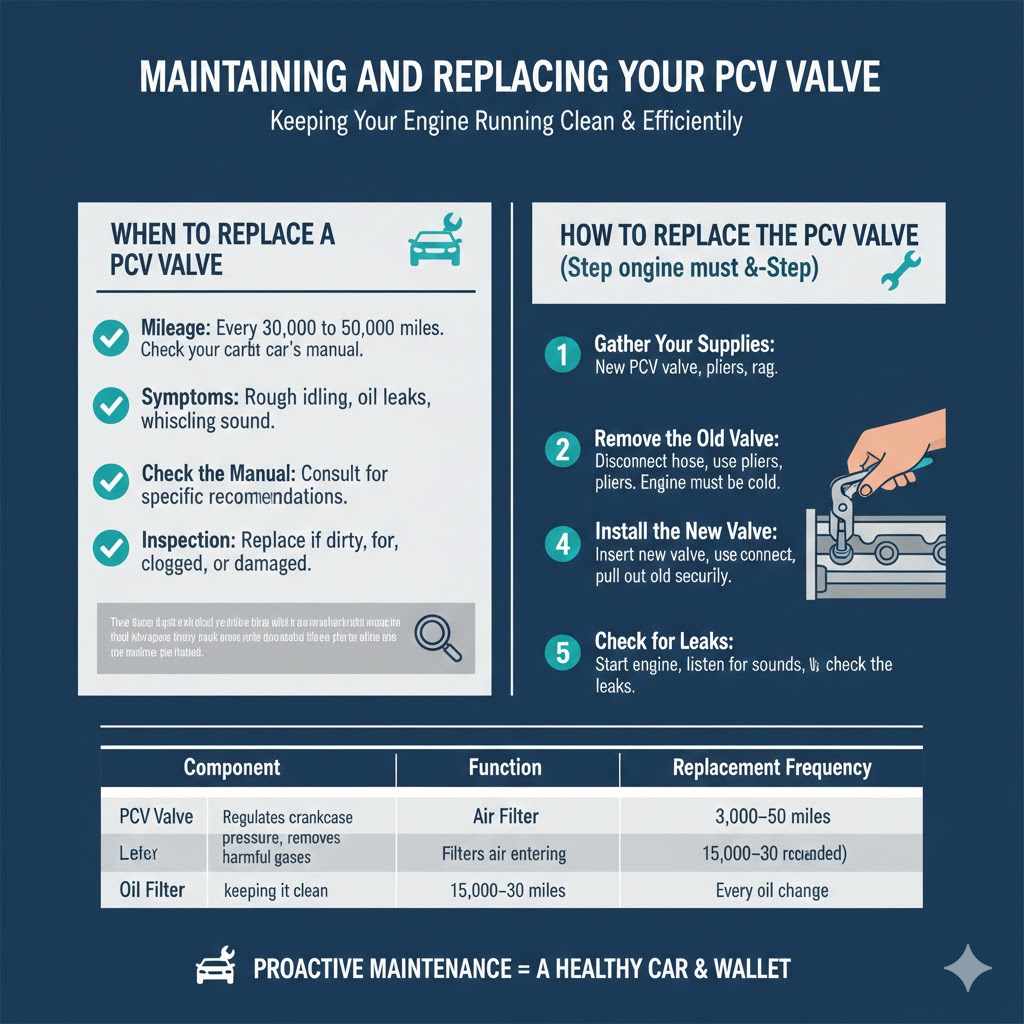
The lifespan of a PCV valve varies. It depends on several factors, like driving conditions and engine type. Generally, you should replace the PCV valve every 30,000 to 50,000 miles. Some car manufacturers recommend specific replacement schedules. The owner’s manual has this data. Always check your manual. If you notice any signs of a bad PCV valve, replace it right away. Ignoring a failing PCV valve can cause engine problems. This can lead to more expensive repairs. Replacing it on time can prevent issues. This simple job keeps the engine in good shape.
-
Mileage: Most PCV valves should be replaced every 30,000 to 50,000 miles. Regular replacement ensures that the valve works correctly. Check your car’s manual.
This mileage range is a good general guideline.
-
Symptoms: Watch for symptoms like rough idling. Also look for oil leaks, or a whistling sound. These are all signs of a bad PCV valve. Replace it when you notice these.
Acting fast helps prevent more engine damage.
-
Check the Manual: Consult your car’s owner’s manual. Your manual has specific recommendations. Some cars have unique requirements. It can give more detailed advice.
The manual is a great source of information for your car’s care.
-
Inspection: You can also inspect the PCV valve. If it’s dirty, clogged, or damaged, it’s time to replace it. A visual check can help.
A quick inspection provides the most recent performance details.
How to Replace the PCV Valve (Step-by-Step)
Replacing the PCV valve is not difficult. It’s something that many car owners can do. First, you’ll need a new PCV valve for your car. You can usually buy one from an auto parts store. Make sure the engine is cold. Locate the old PCV valve. Disconnect the hose from the valve. Use pliers to remove the old valve. Install the new valve. Connect the hose to the new valve. It’s as simple as that. Always consult your car’s manual for specific instructions. Proper installation is important for the car’s function.
-
Gather Your Supplies: You’ll need a new PCV valve for your car model. You might also need pliers. Have a rag ready to catch any oil. Get your tools ready before starting.
It’s important to have everything you need before starting. This saves you time.
-
Locate the PCV Valve: Find the PCV valve on your engine. The owner’s manual can help. The PCV valve is usually on the valve cover. The hose will lead to the intake manifold.
Make sure the engine is cold before you work on it. This avoids any burns.
-
Remove the Old Valve: Disconnect the hose from the PCV valve. Use pliers to loosen the clamp if needed. Then, gently pull the old valve out of the engine.
Be careful not to damage anything during removal. Dispose of the old valve properly.
-
Install the New Valve: Insert the new PCV valve into its location. Connect the hose to the new valve. Make sure everything fits securely.
Ensure the connection is secure to avoid leaks.
-
Check for Leaks: Start your engine. Listen for any unusual sounds. Check for oil leaks. Make sure the new valve is working correctly.
A short test ride will provide added details about the function.
| Component | Function | Replacement Frequency |
|---|---|---|
| PCV Valve | Regulates crankcase pressure, removes harmful gases | Every 30,000–50,000 miles (or as recommended in the owner’s manual) |
| Air Filter | Filters air entering the engine | Every 15,000–30,000 miles |
| Oil Filter | Filters oil, keeping it clean | Every oil change (typically every 3,000–7,500 miles) |
Frequently Asked Questions
Question: Why is the PCV valve important?
Answer: The PCV valve is important because it keeps your engine clean. It removes harmful gases and maintains pressure. It also helps improve fuel economy.
Question: Can I drive with a bad PCV valve?
Answer: You can, but it is not recommended. Driving with a bad PCV valve can cause engine problems. You may have increased oil consumption and potential damage.
Question: How much does it cost to replace a PCV valve?
Answer: The cost to replace a PCV valve is relatively low. The valve itself is inexpensive. Labor costs might vary depending on where you go.
Question: Where can I buy a replacement PCV valve?
Answer: You can buy a replacement PCV valve at most auto parts stores. You can also buy them online. Make sure you get the right valve for your car.
Question: Can I clean my PCV valve instead of replacing it?
Answer: You can try to clean the PCV valve. However, it’s best to replace it. A new valve will work better. Cleaning might not fix all issues.
Final Thoughts
So, How Many PCV Valves Does a Car Have? In the vast majority of cars, the answer is one! The PCV valve plays an important role. Understanding its function is key to the maintenance. This single valve efficiently manages crankcase ventilation. It removes harmful gases and ensures smooth engine operation. Replacing it on time is easy.
It keeps your car running smoothly. Now you know the essentials, you can take care of your car with more assurance. Remember to check your manual and keep up with your car’s maintenance. This will help your car run better for longer!