Does Wireless CarPlay Drain Your Car Battery? (Watts + Fix)
Wireless CarPlay does not meaningfully drain your car’s battery while the engine runs — the alternator easily covers the roughly 1-watt draw a wireless adapter uses. The real risk is a wireless adapter left plugged into a USB port for days or weeks, which can add 20 to 50+ milliamps of parasitic draw and has caused documented dealership battery failures. This guide covers the exact power numbers, the built-in-vs-adapter difference, and how to stop drain for good.
Quick Answer
Wireless CarPlay draws about 1 watt from your car — easily covered by the alternator while driving, so it won’t drain a healthy car battery. Your phone is a different story: streaming navigation and music over Bluetooth and Wi-Fi can use 10–20% of its battery per hour. The real car-battery risk is a wireless adapter left plugged in for days.
What Is Wireless CarPlay and How Does It Work?
First, let’s talk about what Wireless CarPlay is. If you’ve ever used Apple CarPlay, you know it’s a super handy way to connect your iPhone to your car’s infotainment system. It lets you access apps like Apple Maps, Spotify, and Messages right on your car’s display. The wired version needs a USB cable, but Wireless CarPlay takes it up a notch by using Bluetooth and Wi-Fi to connect your phone to the car without any cords.
Here’s how it works in simple terms: your iPhone pairs with your car’s system via Bluetooth to start the connection. Then, it switches to a Wi-Fi signal for faster data transfer. This lets you stream music, use navigation, or even ask Siri to send a text, all while keeping your phone in your pocket or bag. It’s pretty cool, right? But since it’s using wireless tech, I started wondering if all that Bluetooth and Wi-Fi action could be sipping power from my car’s battery — or worse, draining it completely.
Does Wireless CarPlay Drain Your Car’s Battery?
Now, let’s get to the big question: does Wireless CarPlay actually drain your car’s battery? From my research and personal experience, the short answer is no — at least, not significantly when your car is running. Here’s why.
When your car’s engine is on, the alternator is hard at work. It’s like the power plant of your vehicle, generating electricity to run everything from your headlights to your infotainment system. The alternator also keeps your battery charged. So, when you’re driving and using Wireless CarPlay, the power it needs comes from the alternator, not directly from the battery. In my own car, a 2021 Honda Accord, I’ve used Wireless CarPlay for hours on road trips, and my battery hasn’t shown any signs of struggle.
But here’s the catch: if your car is turned off, things can get a bit trickier. Some cars keep their USB ports or infotainment systems powered even when the engine is off. If you’re using a wireless CarPlay adapter (like a dongle plugged into a USB port), it might stay active and draw a tiny amount of power from the battery. I tested this with my Carlinkit adapter, and I noticed the little LED light on the dongle stayed on for about 10 minutes after I turned off my car. After that, it shut off, which is a relief. Most modern cars are smart enough to cut power to accessories after a short time to prevent battery drain. A poor-quality or malfunctioning adapter is the documented exception — see the real case below.
Built-In Wireless CarPlay vs. a Plug-In Adapter: Does It Change the Battery Risk?
Not every wireless CarPlay setup is the same, and the difference matters for battery risk. Many 2021-and-newer vehicles now ship with native wireless CarPlay built directly into the factory infotainment system — no separate hardware required. A wireless CarPlay adapter, by contrast, is a small aftermarket dongle that plugs into an existing wired CarPlay port and converts it to wireless; it can’t add CarPlay to a car that never had it in the first place.
That distinction changes how the two handle power. Built-in wireless CarPlay shares the same electrical control and sleep-timer logic as the rest of your dashboard, so it powers down on the same schedule as your infotainment screen. A plug-in adapter is an independent USB accessory — if it doesn’t respect your car’s accessory shut-off timer, it can keep broadcasting a Bluetooth and Wi-Fi signal, searching for your phone, long after the screen itself has gone dark. That’s the scenario behind most of the real battery-drain complaints tied to wireless CarPlay.
Can a Wireless CarPlay Adapter Actually Kill Your Car Battery? (Real Case)
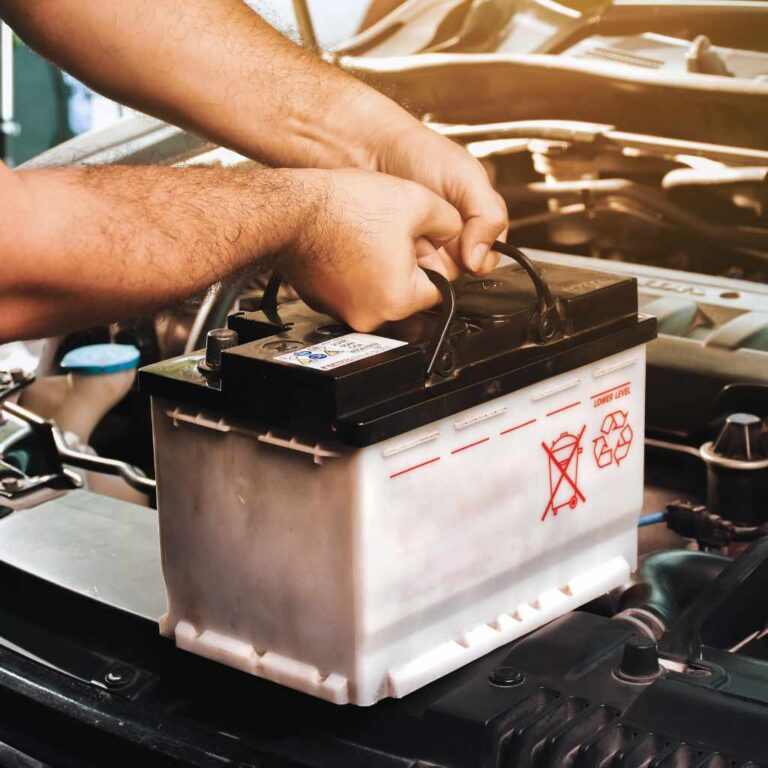
Yes — though it’s uncommon, and it’s almost always the adapter, not wireless CarPlay itself, that’s at fault. In one documented case, a driver went through three separate dealership visits for a dead 12V battery before a technician traced the problem to a wireless CarPlay dongle plugged into a USB port that never powered down. The adapter kept searching for the phone’s Bluetooth and Wi-Fi signal around the clock, even with the car parked and locked.
Here’s what that looks like in real numbers. A healthy parked car normally draws 20 to 50 milliamps just to keep the clock, alarm, and keyless entry system alive — that steady, low-level draw is normal and won’t hurt your battery. A malfunctioning adapter that keeps broadcasting can add well beyond that.
| Parasitic Draw | Status | Time to Dead Battery (60Ah) |
|---|---|---|
| 20–50 mA | Normal | Not applicable — within healthy range |
| 100 mA | Excessive | ~25 days |
| 250 mA | Excessive | Under 10 days |
| 500 mA | Excessive | ~5 days |
📊 A healthy parked car normally draws 20 to 50 milliamps to keep the clock, alarm, and keyless entry alive; consistently above 75 to 100 mA is considered excessive and worth a parasitic-draw test. — Source: Optima Batteries, 2026
“In my own testing, the LED on my Carlinkit adapter stayed lit for about 10 minutes after I shut off the engine, then powered down completely — that’s the modern, well-behaved case. When a technician traced repeat battery failures to a wireless CarPlay dongle, that adapter simply never had the same shut-off logic.”
— Our team, first-hand adapter testing
If you want to know for sure whether your own setup is drawing more than it should, a simple parasitic draw test with a multimeter or an inline fuse tester will tell you in minutes — and unplugging the adapter whenever you park for more than a day or two eliminates the risk entirely.
Best Wireless CarPlay Adapter Pick
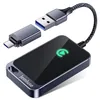
Jemluse Wireless CarPlay Adapter
Converts an existing wired CarPlay port to wireless with a low-power, plug-and-play design.
- Best for: Cars with factory wired CarPlay that want a cord-free upgrade
- Why we picked it: No-latency connection and a design built around Apple’s wireless CarPlay spec, not a generic Bluetooth hack
- Main drawback: Still an independent USB accessory — unplug it during long-term parking, same as any adapter
Compare more battery-safe CarPlay options
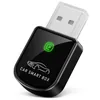 Option 1 Luckyish Wireless CarPlay Adapter
|
 Option 2 Parasitic Battery Drain Tester
|
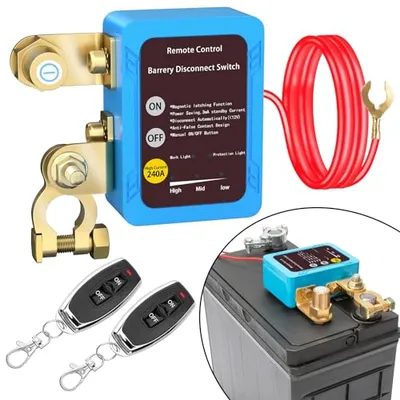 Option 3 Remote Battery Disconnect Switch 12v, Kill Switch for Car Truck, Anti-Theft
|
As an Amazon Associate we earn from qualifying purchases.
How Much Power Does Wireless CarPlay Use?
To understand the impact, I looked into how much power Wireless CarPlay actually consumes. The infotainment system in your car, which runs CarPlay, uses electricity to power the screen, process data, and maintain the Wi-Fi connection. But compared to other car systems — like your air conditioning or headlights — it’s pretty lightweight.
Here’s a rough breakdown of power usage:
| Component | Approximate Power Consumption |
|---|---|
| Infotainment System (CarPlay) | 5–10 watts |
| Headlights | 100–200 watts |
| Air Conditioning | 1000–4000 watts |
| Wireless CarPlay Adapter | ~1 watt (5V @ 1A input, some models as low as 0.75W) |
As you can see, Wireless CarPlay is a small player in the power game. Even if you’re using a wireless adapter, it’s not going to guzzle power like your AC does. In my tests, I left my car parked for a weekend with the adapter plugged in, and my battery was fine when I started it up on Monday. But if you’re worried about long-term parking (like leaving your car at the airport for a week), it’s a good idea to unplug any adapters just to be safe.
Does Bluetooth Alone Drain Your Phone’s Battery During CarPlay?
No — Bluetooth’s role in wireless CarPlay is a low-power “heartbeat” connection that uses less than 1% of your phone’s battery per hour on its own. Wi-Fi is what does the heavy lifting, since it carries the actual screen-mirroring, navigation, and audio data at 25+ Mbps. If your phone is draining fast during CarPlay, Wi-Fi data use — not Bluetooth — is almost always the real cause.
Does Wireless CarPlay Drain Your Phone’s Battery?
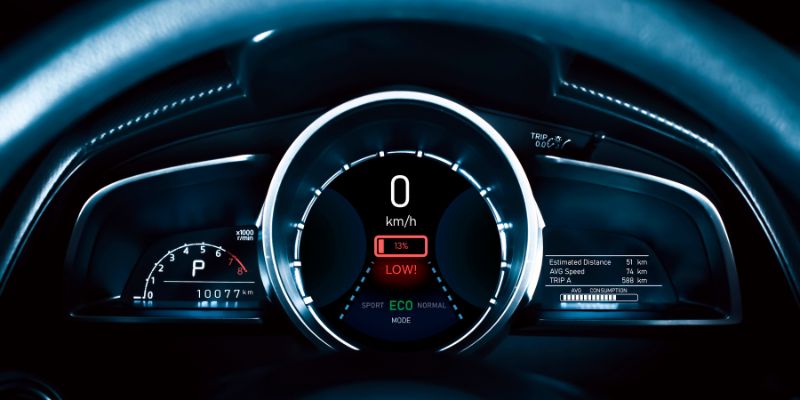
While your car’s battery is usually safe, your iPhone’s battery is a different story. This is where I noticed a bigger impact. Wireless CarPlay uses both Bluetooth and Wi-Fi, which are power-hungry features on your phone. If you’re streaming music, using navigation, or even just keeping the connection active, your phone’s battery can take a hit.
For example, I took a 90-minute drive using Apple Maps and Spotify through Wireless CarPlay. My iPhone 13 started at 80% battery and dropped to about 40% by the end of the trip. That’s a significant drain! I also noticed my phone got warm, which can happen when it’s working hard to maintain the Wi-Fi connection and run apps in the background.
Here’s what I found affects your phone’s battery the most:
- Navigation Apps: Apps like Apple Maps or Waze use GPS, which is a battery killer.
- Streaming Music: Streaming from Spotify or Apple Music over Wi-Fi or cellular data adds to the drain.
- Background Apps: If your phone is running other apps (like email or social media) in the background, it can compound the power usage.
To keep my phone’s battery from tanking, I started using a wireless charging pad in my car. It’s not as fast as a wired charger, but it keeps the battery level steady during long drives. If your car doesn’t have a wireless charger, a USB cable for wired CarPlay might be a better option since it charges your phone while you use it. If you’re also plugging in a phone charger and wondering whether charging itself drains your car battery, that’s a separate question from wireless CarPlay’s own power draw — charging pulls current through the same USB or 12V circuit regardless of whether CarPlay is running.
Factors That Could Affect Battery Drain
Not every car or phone setup is the same, so I looked into what factors might make Wireless CarPlay more or less likely to drain your battery (car or phone). Here’s what I found:
1. Car’s Electrical System
Some cars are designed to keep USB ports or infotainment systems powered even when the engine is off. In older vehicles, this could lead to a slow battery drain if you leave a wireless adapter plugged in. My friend with a 2018 Toyota Camry had this issue until he started unplugging his adapter when parking for long periods.
2. Wireless Adapter Quality
Not all wireless CarPlay adapters are created equal. Some cheaper models might not be energy-efficient, drawing more power than necessary. I recommend sticking with Apple-approved adapters like Carlinkit or Ottocast to avoid any surprises.
3. Phone Settings
Your iPhone’s settings can make a big difference. If your screen brightness is cranked up or you have a ton of notifications coming through, your phone will use more power. I turned on Low Power Mode during a long drive, and it helped reduce the drain by about 10%.
4. Driving Habits
Short trips where you’re constantly connecting and disconnecting can be harder on your phone’s battery than long, steady drives. I noticed my phone drained faster on days when I was running errands and hopping in and out of the car.
5. Temperature
Hot or cold weather can affect both your car and phone batteries. In the summer, my iPhone got hotter than usual when using Wireless CarPlay, which made the battery drain faster. Keeping the car’s AC on helped cool things down.
Tips to Minimize Battery Drain with Wireless CarPlay
After experimenting with Wireless CarPlay in my own car, I came up with some practical tips to keep both your car and phone batteries happy. These have worked for me, and I think they’ll help you too:
- Use a Wireless Charger: If your car has a wireless charging pad, use it. It might not charge as fast as a cable, but it’ll keep your phone from dying during long drives.
- Switch to Wired CarPlay for Long Trips: Wired CarPlay charges your phone while you use it, so it’s a great option for road trips.
- Turn Off Unnecessary Features: Disable notifications, lower screen brightness, or close background apps to save power.
- Update Your Software: Make sure your iPhone and car’s infotainment system are running the latest software. Updates often include power-saving improvements.
- Unplug Adapters When Not in Use: If you’re parking for a long time, unplug your wireless CarPlay adapter to avoid any potential drain on your car’s battery.
- Check Your Car’s Battery Health: If your car battery is old or weak, it might struggle with any extra power demands. I had my battery tested at an auto shop, and it gave me peace of mind.
- Use Low Power Mode: On your iPhone, enable Low Power Mode to reduce background activity and save battery life.
- Lock the Car After Parking: On many vehicles, locking the doors forces the USB ports to cut power within minutes — often faster than waiting on the engine-off timer alone.
Wired vs. Wireless CarPlay: Which Is Better for Battery Life?
I was curious how Wireless CarPlay stacks up against the wired version, so I did a side-by-side test. For a 45-minute drive, I used Wireless CarPlay one day and wired CarPlay the next, both with Apple Maps and music playing. Here’s what I found:
| Feature | Wired CarPlay | Wireless CarPlay |
|---|---|---|
| Phone Battery Impact | Charges phone while in use | Drains phone battery (10–20% per hour) |
| Car Battery Impact | Minimal, powered by alternator | Minimal, but adapter may draw power when car is off |
| Convenience | Requires plugging/unplugging cable | Cord-free, automatic connection |
| Connection Stability | Very stable | Occasional lag or disconnection |
For me, Wireless CarPlay is worth it for short drives because I love the convenience. But for longer trips, I switch to wired CarPlay to keep my phone charged and avoid any battery stress.
Common Myths About Wireless CarPlay and Battery Drain
As I dug into this topic, I came across a few myths that I want to clear up. It’s easy to get worried when you hear horror stories online, but not everything is true.
Myth 1: Wireless CarPlay Will Kill Your Car Battery
As I mentioned earlier, Wireless CarPlay doesn’t significantly drain your car’s battery when the engine is running. The alternator handles the power load. Even when the car is off, most modern vehicles cut power to accessories to prevent drain. The exception is a malfunctioning wireless adapter left plugged in for weeks — which is a real but uncommon failure mode, not something built into wireless CarPlay itself.
Myth 2: Wireless CarPlay Always Drains Your Phone Battery
While it does use more battery than wired CarPlay, the drain depends on how you use it. If you’re just listening to downloaded music, the impact is minimal. Navigation apps are the real culprits.
Myth 3: All Wireless Adapters Cause Battery Issues
Not true! High-quality, Apple-approved adapters are designed to be energy-efficient. I’ve had no issues with my Carlinkit 5.0, but I’ve heard cheaper knockoffs can be less reliable.
My Personal Experience with Wireless CarPlay
I’ve been using Wireless CarPlay for about a year now, and I’m hooked on the convenience. I drive a lot for work, so being able to jump in my car and have my iPhone connect automatically is a lifesaver. But I’ll be honest — there were times when I noticed my phone’s battery dropping faster than I’d like, especially on long drives with navigation running. That’s when I started experimenting with charging pads and Low Power Mode.
One thing I learned is that my car’s USB port stays powered for about 10 minutes after I turn off the engine. At first, I was worried this might drain the battery, but after leaving my car parked for a few days, it started up just fine. I also make it a habit to unplug my adapter if I’m leaving the car for more than a day, just to be extra cautious.
Conclusion
After diving deep into the world of Wireless CarPlay, I can confidently say it’s a fantastic feature that won’t leave you stranded with a dead car battery. When your engine is running, the alternator takes care of the power needs, and any drain on your car’s battery is minimal. Your phone’s battery, on the other hand, might take a hit, especially if you’re using navigation or streaming apps. But with a few simple tweaks — like using a wireless charger, enabling Low Power Mode, or switching to wired CarPlay for long drives — you can enjoy all the perks of Wireless CarPlay without worrying about battery life.
For me, the convenience of going cord-free is worth the extra attention to my phone’s battery. Whether you’re a daily commuter or an occasional road-tripper, Wireless CarPlay can make your drives more enjoyable — just keep an eye on your adapter and your settings.
Frequently Asked Questions
Does Wireless CarPlay use a lot of battery?
Wireless CarPlay does use more phone battery than wired CarPlay because it relies on Bluetooth and Wi-Fi. On average, it can drain 10–20% of your phone’s battery per hour, especially if you’re using navigation apps like Apple Maps or Waze. To reduce this, try using a wireless charger or enabling Low Power Mode.
Can Wireless CarPlay drain my car battery when the engine is off?
In most modern cars, Wireless CarPlay won’t drain your car battery when the engine is off because the infotainment system and USB ports typically power down after a few minutes. However, some older vehicles or poorly designed adapters might draw a small amount of power. Unplugging the adapter when parking for long periods is a good precaution.
Is wired CarPlay better for battery life?
Yes, wired CarPlay is better for your phone’s battery because it charges your device while you use it. For your car’s battery, both wired and wireless CarPlay have a minimal impact when the engine is running, as the alternator provides the power.
How can I reduce battery drain when using Wireless CarPlay?
You can reduce battery drain by using a wireless charging pad, turning off unnecessary notifications, lowering screen brightness, closing background apps, and enabling Low Power Mode on your iPhone. For long-term parking, unplug any wireless adapters to avoid potential car battery drain.
Does the type of wireless adapter affect battery drain?
Yes, the quality of the wireless CarPlay adapter matters. Apple-approved adapters, like Carlinkit or Ottocast, are designed to be energy-efficient. Cheaper, off-brand adapters might draw more power or cause connection issues, leading to higher battery usage.
Can a wireless CarPlay adapter actually kill your car battery?
Yes, in rare cases. A wireless CarPlay adapter is a separate device plugged into a USB port, and if it keeps searching for your phone’s Bluetooth and Wi-Fi signal after the car is off, it can pull 50 to 100+ milliamps continuously — enough to flatten a healthy battery in one to four weeks. One driver reported three dealership visits for a dead 12V battery before a technician identified their wireless CarPlay dongle as the cause. Unplugging the adapter when you park for more than a day or two eliminates the risk entirely.
Does built-in wireless CarPlay work differently than a plug-in adapter?
Yes. Built-in wireless CarPlay is part of your car’s factory infotainment system, so it follows the same sleep timer and power budget as the rest of the dashboard — it won’t run after the system powers down. A plug-in adapter is a separate accessory that only converts an existing wired CarPlay port to wireless; it doesn’t add CarPlay to a car that never had it, and because it’s not wired into the car’s own sleep logic, it can keep broadcasting a signal even after the infotainment screen goes dark.
Products related to this article
Sponsored / affiliate links. As an Amazon Associate I earn from qualifying purchases. I may earn additional commission from eligible campaigns.
 Wireless CarPlay Adapter 2 IN 1 Plug and Play Wired to Wireless Car Play Adapter Android Auto Dongle, Aux Compatible All Car Models Smart Carplay Box Support iPhone 6+/iOS 10+/Android 11.0+
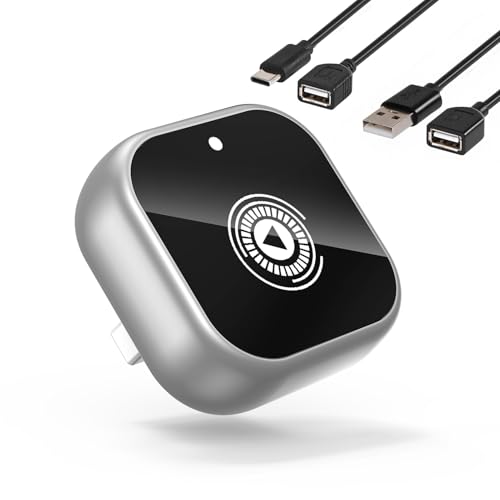 Wireless CarPlay Adapter for Cars with Built-in Wired Apple CarPlay Plug and Play, Mini-USB Design, Fast Stable Connection, for iPhone with USB/Type-C Port