How Many Pulleys Does a Car Have: Essential Facts Revealed
Have you ever wondered how many pulleys your car has and why they matter? These small but powerful parts work behind the scenes to keep your engine running smoothly.
Understanding pulleys can help you grasp how your car’s engine stays efficient and what might go wrong if one fails. Keep reading, and you’ll discover the key role pulleys play in your car’s performance—and why paying attention to them could save you time and money on repairs.
Role Of Pulleys In Cars
Pulleys play a crucial role in a car’s engine system. They help transfer power from the engine to different parts. This power transfer allows various components to work smoothly. Without pulleys, many engine parts would not function properly.
Pulleys also control the speed and direction of belts. These belts drive important accessories like the alternator and water pump. By managing these tasks, pulleys keep the engine running efficiently.
Functions Of Engine Pulleys
Engine pulleys drive multiple accessories. They power the alternator, which charges the battery. They also run the water pump, which cools the engine. Other components powered include the power steering pump and air conditioning compressor.
Pulleys keep belts tight and aligned. This prevents slipping and wear. They also help reduce engine noise and vibration. Their smooth operation ensures better fuel efficiency and engine life.
Types Of Pulleys Used
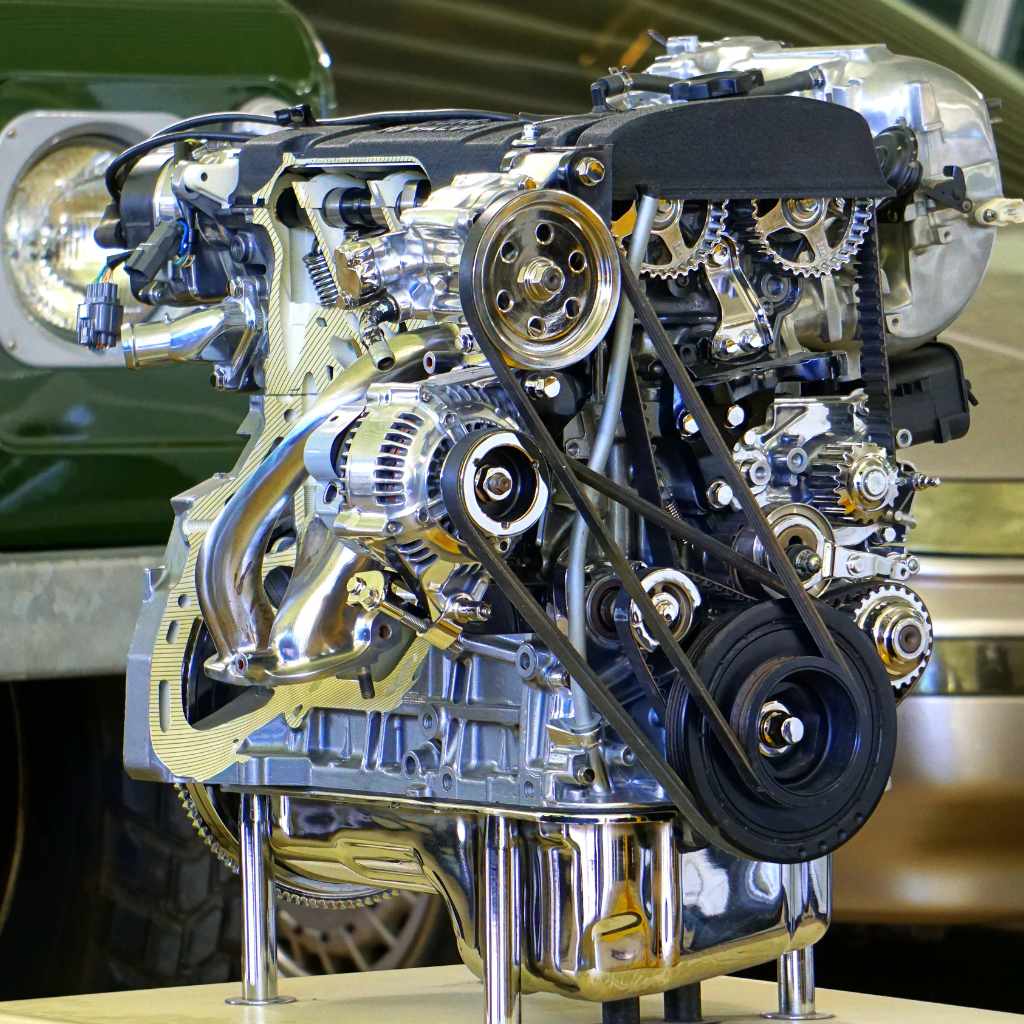
There are several types of pulleys in cars. The most common is the crankshaft pulley. It drives most other pulleys through the serpentine belt.
Idler pulleys help guide and tension the belt. Tensioner pulleys keep the belt tight automatically. These pulleys work together to keep the belt system stable.
Common Pulley Systems In Vehicles
Cars use several pulley systems to keep the engine and accessories running smoothly. These pulleys help transfer power from the engine to various parts. Each pulley system has a specific role. They work together to make the car operate efficiently. Understanding these systems helps you know how your car functions.
Serpentine Belt Pulley Setup
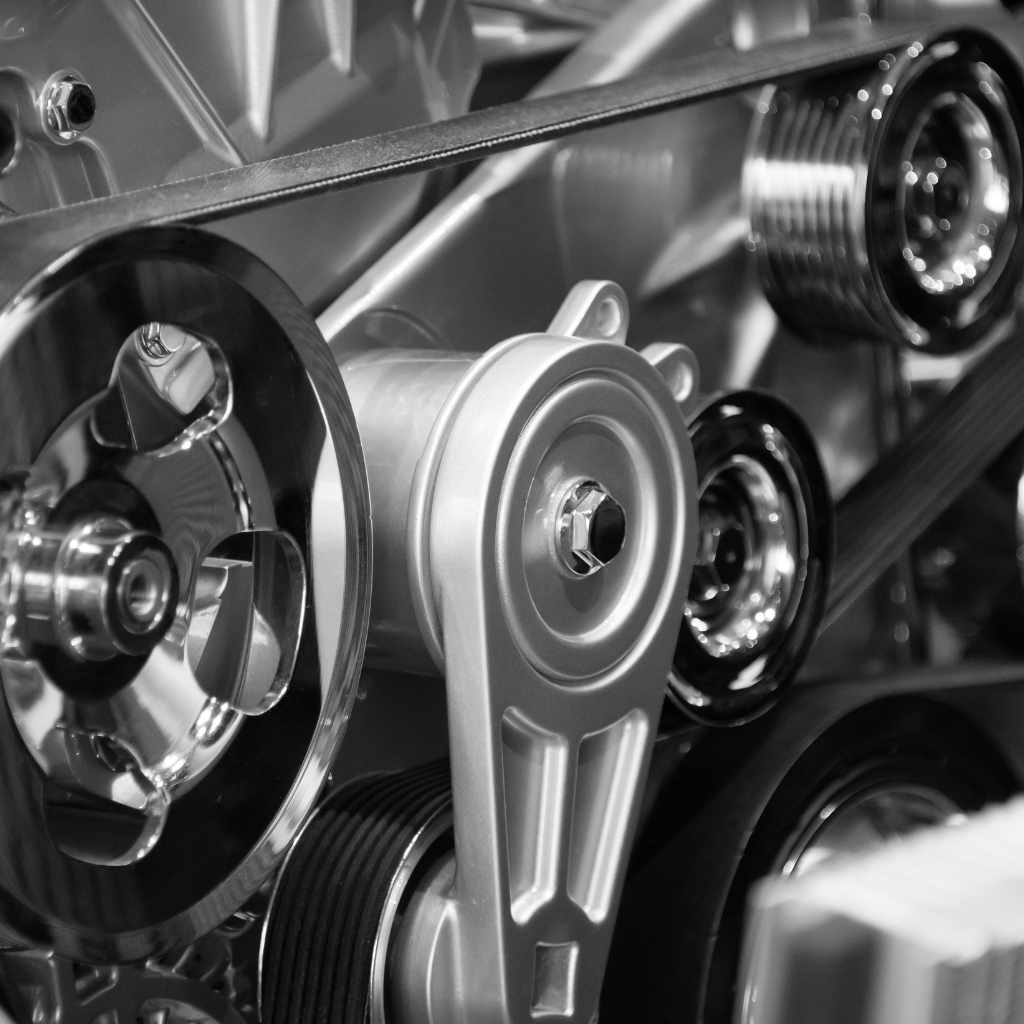
The serpentine belt pulley setup is common in most modern cars. It uses one long belt that wraps around many pulleys. These pulleys connect to parts like the alternator, power steering pump, and air conditioning compressor. The belt turns all these components at once. This design saves space and reduces maintenance.
Each pulley in this system has a specific size and position. The tensioner pulley keeps the belt tight. This prevents slipping and ensures smooth operation. A broken serpentine belt pulley can cause many car problems. Regular checks help avoid sudden failures.
Timing Belt Pulley Arrangement
The timing belt pulley arrangement controls the engine’s camshaft and crankshaft. It keeps the valves opening and closing at the right time. This system uses smaller, precise pulleys. They must stay perfectly aligned. A misaligned timing belt pulley can cause engine damage.
The timing belt pulley system is usually hidden inside the engine. It works quietly but plays a vital role. Replacing the timing belt and pulleys at the right time is crucial. It helps prevent engine breakdowns and costly repairs.
Number Of Pulleys In Typical Cars
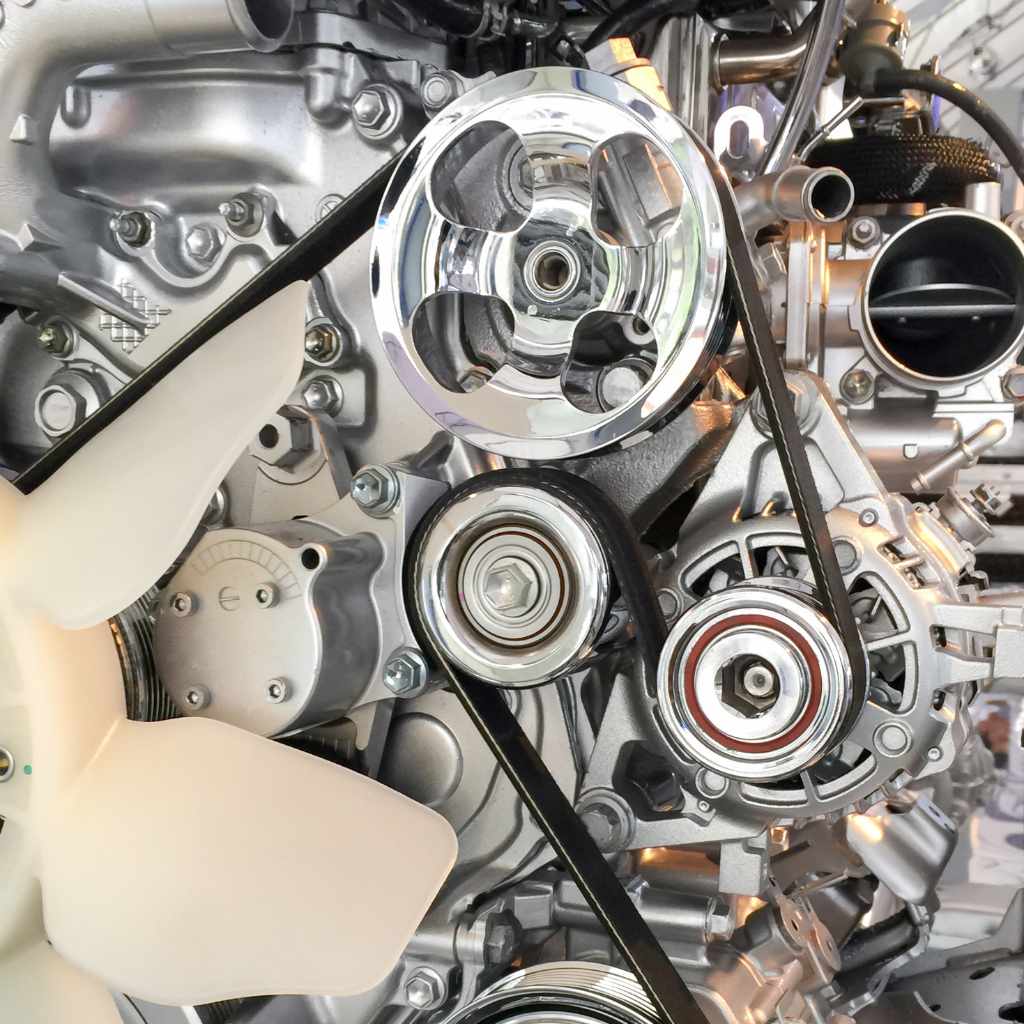
Most cars have several pulleys in their engine system. These pulleys help drive important parts like the alternator, water pump, and power steering. The number of pulleys can vary based on the car’s make and model. Understanding how many pulleys a typical car has helps you know more about its engine design and maintenance needs.
Standard Engine Pulley Count
A typical car engine usually has three to five pulleys. These include the crankshaft pulley, which drives the belt system. The alternator pulley helps charge the battery. Another common pulley is the water pump pulley, which circulates coolant. Some cars also have pulleys for the power steering pump and air conditioning compressor.
Variations In Different Models
Some cars have more pulleys, especially modern models with extra features. Hybrid and electric vehicles might have fewer or different pulley setups. Older cars tend to have simpler systems with fewer pulleys. Performance cars may add pulleys for superchargers or extra accessories. The number depends on the engine size, type, and accessories included.
Impact Of Pulley Count On Performance
The number of pulleys in a car affects how well the engine works. Pulleys help move power from the engine to other parts like the alternator, water pump, and air conditioning. The count of pulleys can change how smoothly and efficiently this power moves. This impacts the overall performance of the car.
Cars with more pulleys can handle more tasks but may face more friction. Less pulleys might mean less friction but fewer functions. Understanding this balance helps explain why pulley count matters in vehicle design.
Efficiency And Power Transmission
Pulleys transfer power from the engine to different parts. More pulleys can spread the load better. This can improve the car’s efficiency.
Too many pulleys cause more friction, reducing power. Fewer pulleys mean less friction but can limit power delivery. A balanced number ensures smooth and strong power transmission.
Maintenance And Durability
More pulleys mean more parts to check and replace. Each pulley adds a point where wear can happen. This may increase maintenance needs.
Fewer pulleys reduce the chance of breakdowns. This can make the car more durable. Regular checks keep the pulley system working well for a long time.
Signs Of Pulley Issues
Car pulleys play a key role in engine function. They help drive belts that power many parts. Knowing the signs of pulley issues can save you from bigger problems. Early detection helps keep your car running smoothly.
Common Symptoms
Loud squealing noise from the engine area is a common sign. This sound often means a worn or loose pulley. You might notice belts slipping or coming off. Vibrations or wobbling near the pulley area can also appear. Engine overheating or poor power steering may happen too. These symptoms show pulley problems need attention soon.
Inspection Tips
Start by checking the belts for cracks or wear. Look for any unusual movement in the pulley while the engine runs. Use a flashlight to see if the pulley is misaligned. Tighten any loose bolts around the pulley. Listen closely for any strange sounds during idle. Regular checks help catch problems before they worsen.
Replacing And Upgrading Pulleys
Pulleys in a car play a vital role in its engine and accessory systems. Over time, these pulleys can wear out or break. Replacing or upgrading them keeps the car running smoothly and avoids bigger issues. Understanding when and how to change pulleys helps maintain vehicle performance and safety.
Upgrading pulleys can also improve engine efficiency. Choosing the right pulley system depends on the car’s make and how it is used. Proper care ensures the pulleys last longer and work better.
When To Replace Pulleys
Check pulleys for cracks, noise, or wobbling. These signs mean the pulley might fail soon. If the belt slips or squeals, the pulley could be worn out. Replace pulleys during regular maintenance or when they show damage. Waiting too long can cause engine problems or belt damage.
Choosing The Right Pulley System
Select pulleys that fit your car’s engine and belts. Some pulleys are designed for higher performance or specific tasks. Match pulley size and material to your vehicle’s needs. Quality pulleys reduce wear and improve belt grip. Consult your car manual or a mechanic for the best choice.
Frequently Asked Questions
How Many Pulleys Are In A Typical Car Engine?
A typical car engine has 4 to 6 pulleys. These include the crankshaft, alternator, power steering, and air conditioning pulleys. Each pulley helps drive essential components using the serpentine belt.
What Roles Do Pulleys Play In Cars?
Pulleys transfer rotational motion from the engine to accessories. They help power the alternator, water pump, power steering pump, and air conditioner compressor. This ensures smooth engine operation and accessory function.
Can A Car Operate Without Pulleys?
No, a car cannot operate without pulleys. Pulleys are crucial for driving engine accessories. Without them, components like the alternator and water pump won’t function, causing engine failure.
How To Identify Car Pulleys Visually?
Look for round wheel-like parts connected by belts on the engine. Pulleys are usually metal and mounted on accessory shafts. The serpentine belt wraps around these pulleys, powering various engine components.
Conclusion
Most cars have several pulleys that help run key parts. These pulleys keep the engine, alternator, and air conditioner working smoothly. Knowing their number and role helps you understand your car better. It also makes it easier to spot problems early.
Pulleys may seem small, but they have an important job. Keep an eye on them during regular car care. That way, your car can stay in good shape for longer. Simple checks can save you from costly repairs later.