How Much Does a Car Dealership Mechanic Make? 2026 Salary Guide
Car dealership mechanics earn an average of $50,988 a year in 2026, with most falling between $42,000 and $59,000 depending on experience, ASE certification, and location.
That average hides a wide spread. An entry-level lube tech fresh out of trade school might start around $30,000 to $35,000, while an ASE Master-certified technician at a busy dealership can clear $80,000 or more once flat-rate hours and bonuses are counted. Location, dealership brand, and how the shop structures pay all move that number significantly.
This guide breaks down 2026 dealership mechanic pay by experience level, explains the flat-rate pay system most dealerships actually use (it’s different from a regular hourly job), shows how much ASE certification really adds to your paycheck, and covers benefits, negotiation tips, and the career outlook.

Average Car Dealership Mechanic Salary in 2026
According to 2026 wage-tracking data, the average car dealership mechanic earns $50,988 a year, or about $24.51 an hour. That’s slightly above the U.S. Bureau of Labor Statistics’ broader median of $50,620 a year for all automotive service technicians and mechanics (May 2025 data, which includes independent shops, not just dealerships).
Here’s how dealership mechanic pay breaks down by percentile:
| Percentile | Annual Pay | Hourly Equivalent |
|---|---|---|
| 10th (lowest paid) | $20,500 | ~$9.86 |
| 25th percentile | $42,000 | ~$20.19 |
| 50th percentile (average) | $50,988 | ~$24.51 |
| 75th percentile | $59,000 | ~$28.37 |
| 90th percentile (top earners) | $74,000–$84,500 | ~$35.58–$40.63 |
Some salary trackers report higher figures for dealership-specific roles – Glassdoor, for example, lists automotive dealership technicians averaging around $64,551 a year. The gap usually comes down to whether the figure includes flat-rate production bonuses, spiff pay, and overtime, or just base wage. Treat any single number as a starting point, not a guarantee, and check listings in your specific metro area for a realistic picture.
STUDY GUIDE FOR ASE CERTIFICATION
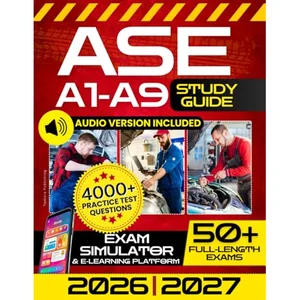 |
ASE A1-A9 Study Guide (2026-2027 Edition) – $32.99 Since ASE-certified mechanics typically out-earn non-certified techs by 15-25% (as covered below), this guide covers all nine A-series ASE exams with over 4,000 practice questions.
|
How Dealership Mechanics Actually Get Paid (Flat Rate vs. Hourly)
Most independent repair shops pay mechanics a straight hourly wage for time on the clock. Dealerships usually do it differently: they use a flat-rate pay system. Under flat rate, every job has a fixed number of “book hours” assigned to it (an oil change might be 0.3 hours, a brake job might be 1.5 hours), regardless of how long it actually takes. The technician gets paid that many hours at their flat-rate wage, whether the job takes 20 minutes or an hour.
Flat rate rewards speed and efficiency – an experienced tech who can beat book time on every job effectively earns more per hour worked. It also means pay can swing week to week with how busy the service department is. Some dealerships offer a guaranteed minimum (a “draw”) against flat-rate earnings so pay doesn’t collapse during a slow week, and a smaller number of dealerships, especially for entry-level or apprentice positions, still pay straight hourly.
Mechanic Pay by Experience Level
Experience is the single biggest factor in dealership mechanic pay, more than certification or even location in most cases. Here’s a realistic breakdown:
| Experience Level | Typical Annual Pay | What They Usually Handle |
|---|---|---|
| Entry-level / apprentice (0-2 years) | $30,000–$38,000 | Oil changes, tire rotations, basic inspections |
| Mid-level technician (3-7 years) | $40,000–$55,000 | Brakes, suspension, diagnostics, general repair |
| Experienced / ASE Master (8+ years) | $60,000–$80,000+ | Complex diagnostics, engine/transmission work, EV and hybrid systems |
Bigger, higher-volume dealerships and luxury brand stores (think BMW, Mercedes-Benz, or Lexus) generally pay more than small independent-owned lots, partly because factory-trained specialists command higher flat rates and partly because the shop simply has more billable hours to distribute.
How Much More Do ASE-Certified Mechanics Earn?
ASE (Automotive Service Excellence) certification is the industry-standard credential, and it does move the needle on pay. Certified mechanics typically earn somewhere in the range of 15% to 25% more than uncertified techs doing similar work, according to industry salary trackers. Some dealerships also pay a flat certification bonus per ASE test passed, on top of the higher flat rate.
Manufacturer-specific certifications add a separate layer on top of ASE. A tech who’s factory-trained and certified by Ford, Toyota, Honda, or a luxury brand is qualified to work on that brand’s newer, more complex systems – and dealerships pay a premium to keep that expertise on staff, since it directly affects warranty work eligibility. A tech carrying both ASE Master status and a manufacturer certification is usually near the top of a dealership’s pay scale, and often earns more than the dealership’s sales staff once flat-rate hours are factored in.
Dealership Mechanics vs. Independent Shop Mechanics
Dealership mechanics generally earn more on average and get better benefits, but the tradeoff is working almost exclusively on one or two brands under a flat-rate system that rewards speed. Independent shop mechanics usually earn somewhat less on average, but they see a wider range of makes and models, often have more schedule flexibility, and in smaller shops may build closer relationships with regular customers.
- Dealership pros: Higher average pay, structured training, work on newer vehicles under warranty, stronger benefits packages
- Dealership cons: Pay can swing with flat-rate hours available, brand-specific skill set
- Independent shop pros: Broader hands-on experience, sometimes more flexible hours, may offer straight hourly pay for more predictable income
- Independent shop cons: Generally lower average pay, benefits vary widely by shop size
Benefits That Add to Total Compensation
Base or flat-rate pay is only part of the picture. Most franchised dealerships offer a benefits package that independent shops, especially smaller ones, often can’t match:
- Health insurance – medical, and often dental and vision, usually with the dealership covering part of the premium
- Retirement plans – typically a 401(k) with at least a partial employer match
- Paid manufacturer training – factory certification courses, often paid time plus travel
- Employee vehicle discounts – reduced pricing on parts, service, and sometimes vehicle purchases or leases
- Paid time off – vacation and sick leave, which flat-rate techs at smaller independent shops don’t always get
When comparing two job offers, it’s worth converting benefits into a rough dollar value – a lower base wage with a strong 401(k) match and fully-paid health insurance can outperform a higher wage with no benefits at all once you run the numbers.
How to Negotiate a Higher Mechanic Salary
Before an interview or a raise conversation, pull real numbers for your specific market: check job postings for dealership techs in your metro area, and compare a couple of salary-tracking sites rather than relying on one national average. Flat-rate shops especially will negotiate the per-hour flat rate, not just a lump annual salary, so know what the going flat rate is for your certification level locally.
During the conversation, lead with what you bring: specific ASE certifications, manufacturer training, diagnostic tools you already own, and your track record beating book time on jobs. Ask about the full package, not just the wage – a guaranteed weekly draw, benefits start date, and paid training all affect what the job is actually worth. Listen to the full offer before responding, and don’t be afraid to ask for a day to think it over.
Career Outlook for Dealership Mechanics
The U.S. Bureau of Labor Statistics projects employment of automotive service technicians and mechanics to grow about 5% from 2025 to 2035, faster than the average for all occupations, driven partly by the growing number of vehicles on the road and partly by a wave of retirements in the current workforce.
The vehicles themselves are changing fast, too. Electric and hybrid models require different diagnostic equipment, high-voltage safety training, and certifications that didn’t exist a decade ago. Techs who invest in EV and hybrid-specific training now are positioning themselves for the highest-demand, highest-paid segment of the trade over the next several years – dealerships selling EVs in particular are often willing to pay a premium for staff who are already certified to service them. If you’re still weighing whether this career is the right fit before focusing on the pay specifics, our full pros and cons review of the auto mechanic career covers the day-to-day realities beyond the paycheck.
Frequently Asked Questions
How Do Dealership Mechanics Get Paid?
Most dealership mechanics are paid on a flat-rate system: each repair job has a fixed number of “book hours” assigned to it, and the technician earns that many hours’ pay regardless of how long the job actually takes. A smaller number of dealerships, especially for entry-level roles, pay a straight hourly wage instead. Some shops guarantee a minimum weekly draw against flat-rate earnings.
What Is the Highest-Paying Job at a Car Dealership?
The General Manager typically holds the highest-paying position at a car dealership, overseeing sales, service, and overall profitability, with total compensation that can run well into six figures at larger stores. Among service-department roles specifically, the Service Manager or Fixed Operations Director is usually the top earner, with dealership-specific salary data putting average pay around $107,000 to $118,000 a year, though it varies significantly by dealership size and region.
Is Working as a Dealership Mechanic Worth It?
For most techs, yes. Dealership positions generally pay more than comparable independent-shop roles, offer stronger benefits, and provide structured, often manufacturer-paid training that helps you move up the pay scale faster. The main tradeoff is that pay under a flat-rate system can fluctuate with how many billable hours are available in a given week.
How Much More Do ASE-Certified Mechanics Make?
ASE-certified technicians typically earn about 15% to 25% more than non-certified techs performing similar work, and many dealerships also pay a one-time bonus per certification earned. Achieving ASE Master Technician status (all nine A-series certifications) usually places a tech near the top of the dealership’s pay scale.
Do Dealership Mechanics Get Benefits Like Health Insurance?
Most franchised dealerships offer a benefits package that includes health insurance (often with dental and vision), a 401(k) with at least a partial employer match, paid manufacturer training, employee discounts on parts and service, and paid time off. Smaller independent shops offer benefits far less consistently, so it’s worth confirming what’s included before comparing two job offers on pay alone.
Is a Dealership or Independent Shop Better Pay for a Mechanic?
Dealerships generally pay more on average, largely because they charge higher labor rates and specialize in newer vehicles still under warranty. Independent shops can still pay competitively for highly experienced techs, and often offer more schedule flexibility and broader hands-on variety across different makes and models, but average pay tends to run lower than at a franchised dealership.
Conclusion
Car dealership mechanic pay in 2026 ranges from roughly $30,000 for an entry-level tech up to $80,000 or more for an experienced, ASE Master-certified technician at a busy or luxury-brand store, with the national average sitting around $50,988 a year. Experience matters most, ASE certification adds a real 15-25% pay bump, and the flat-rate system most dealerships use means your actual take-home depends heavily on speed, shop volume, and the specific brand you work for.
Before accepting an offer, get the full picture: the flat rate itself, whether there’s a guaranteed draw, the benefits package, and paid training opportunities all affect what the job is really worth – not just the headline salary number.
Products related to this article
Sponsored / affiliate links. As an Amazon Associate I earn from qualifying purchases. I may earn additional commission from eligible campaigns.