How Much Does It Cost to Replace a Car Horn
Many people wonder about the cost of replacing a car horn. It might seem like a small part, but if it’s broken, you need it fixed. For those new to car repairs, figuring out How Much Does It Cost to Replace a Car Horn? can feel tricky.
Don’t worry, though. We’ll walk through it simply, step-by-step. We will cover what makes the price change and what to expect, making it easy to understand.
Understanding Car Horn Replacement Costs
This section breaks down why the price for a new car horn can change. It covers the main reasons that affect how much you will pay. You will learn about the parts involved and why some are more expensive than others.
We will also touch on the labor costs that go into the job. Knowing these details helps you understand the final bill.
Factors Affecting Car Horn Prices
The price of a new car horn isn’t always the same. Several things can make it go up or down.
-
The Type of Horn.
There are different kinds of car horns. Some are simple electric horns that just make a sound. Others might be more complex, like air horns, which use compressed air to make a loud noise. The more advanced or powerful the horn, the more it usually costs. For example, a basic twin-tone horn for a standard car might cost around $20 to $50 for the part. More specialized horns, like those found on trucks or emergency vehicles, could cost hundreds of dollars. -
The Vehicle Make and Model.
Different cars use different horn systems. A horn for a compact car might be less expensive than one for a luxury SUV or a performance car. This is often because of the specific design and the quality of materials used. Also, some cars have their horns integrated into other systems, making the replacement part more specialized and pricier. A horn for a common sedan might be readily available and cheaper, while a part for a rare classic car could be hard to find and cost significantly more. -
Brand and Quality.
Just like with any car part, the brand matters. Well-known brands that have a reputation for quality and durability often charge more for their horns. These brands might offer better warranties or use higher-grade materials that last longer. Generic or aftermarket horns can be cheaper, but their quality might vary. It’s often a good idea to balance cost with reliability. For instance, a reputable brand like Hella or Wolo might cost $40-$80 for a set, while an unbranded option could be found for $15-$30. -
Location and Where You Buy It.
Where you buy your car horn can also impact the price. Dealerships typically have the highest prices because they sell original equipment manufacturer (OEM) parts. Auto parts stores offer a range of options, from budget-friendly to premium brands. Online retailers can sometimes offer the best deals, but you need to be sure you are buying the correct part and from a trusted seller.
What is a Car Horn?
A car horn is a device that makes a sound to alert others. It is a safety feature required by law in most places. When you press the horn button, it sends an electrical signal.
This signal tells the horn to produce a loud noise. The sound helps drivers warn pedestrians or other vehicles of their presence, especially in blind spots or dangerous situations. It’s a simple but very important part of your car’s safety system.
The horn system typically includes the horn itself, a relay, a fuse, and the horn button or switch, often located on the steering wheel. The button activates a circuit that allows a strong current from the car’s battery to flow to the horn. This strong current is needed to create the loud sound.
Without a working horn, a car is less safe.
Common Types of Car Horns
There are a few main types of car horns you might find.
-
Electric Horns
These are the most common type. They work by using an electromagnet to vibrate a metal disc or diaphragm. This vibration creates the sound. They are usually simple to install and maintain. Most standard passenger cars come equipped with electric horns. They often produce a twin-tone sound, meaning two different notes are played together to create a more distinct alert. -
Air Horns
These are much louder than electric horns and are often found on trucks, trains, or emergency vehicles. They use a compressor to push air through a horn-shaped trumpet. This airflow creates a very loud and distinct sound. While they are powerful, they are usually more complex and expensive to install in a standard car. -
Electronic Horns
Some modern vehicles use electronic sound generators instead of traditional vibrating horns. These can be programmed to produce a variety of sounds. They are often integrated into the car’s electronics and can be harder to
For most everyday drivers, replacing a broken horn means getting a standard electric horn. These are widely available and relatively affordable. The price of these parts can range from $15 for a basic single-tone horn to $70 for a higher-quality twin-tone set.
Labor Costs for Horn Replacement
Besides the cost of the part, you also pay for the work done by a mechanic. Labor costs can add a significant amount to the total bill.
How Mechanics Charge
Mechanics typically charge by the hour. The rate varies depending on the shop’s location, its reputation, and the technician’s experience. Some shops might have a flat fee for common repairs.
The time it takes to
A common labor rate in many areas could be between $80 and $150 per hour. So, if a job takes one hour, you could expect to pay $80 to $150 just for labor.
DIY vs. Professional Installation
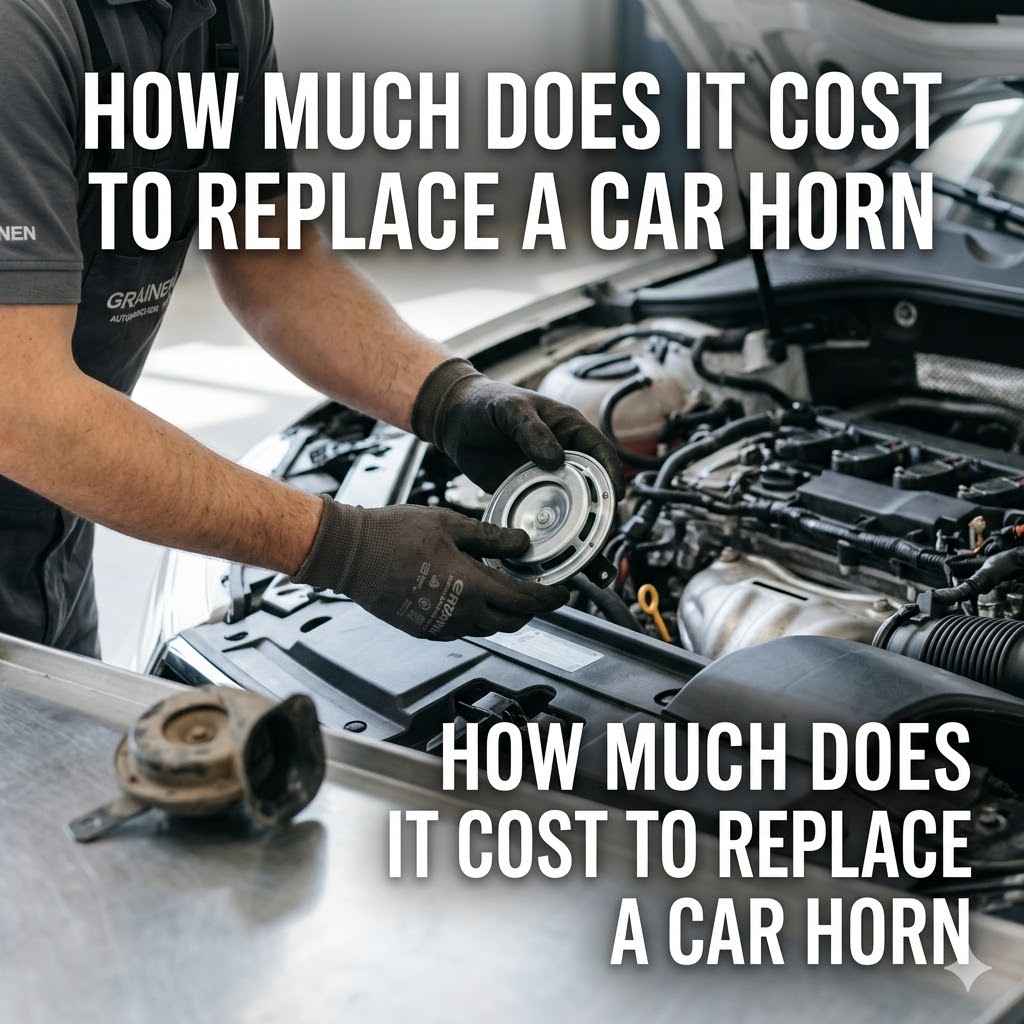
One of the biggest ways to save money is by doing the repair yourself. If you are comfortable working on cars, replacing a horn can be a straightforward DIY project. Many horns are easily accessible once you remove a few panels or the front grille.
Online tutorials and repair manuals can guide you through the process.
If you decide to have a professional do it, you can expect to pay for their time and expertise. The advantage is that they have the right tools and knowledge to do the job correctly and quickly. This can give you peace of mind, especially if the horn is in a difficult spot.
A quick online search for “car horn
Estimating the Total Cost
Putting all the pieces together helps you get a good idea of the final price. This section helps you estimate the total expense for replacing your car horn.
Sample Cost Scenarios
Let’s look at a few examples to see how the cost can add up.
-
Basic Replacement for a Common Car
You have a 5-year-old sedan, and its horn stopped working. You take it to an independent mechanic. The mechanic suggests a good quality aftermarket twin-tone horn, which costs $30 for the part. The job is straightforward and takes about 45 minutes. The shop charges $100 per hour for labor.
Total Cost = Part Cost + Labor Cost
Total Cost = $30 + ($100 * 0.75 hours)
Total Cost = $30 + $75
Total Cost = $105
In this scenario, the total cost is around $105. -
Dealership Replacement for a Luxury Vehicle
You own a luxury SUV, and its horn needs replacing. You go to the dealership for OEM parts and service. The OEM horn part costs $80. The horn on your SUV is located in a more complex spot, requiring 1.5 hours of labor. The dealership’s labor rate is $150 per hour.
Total Cost = Part Cost + Labor Cost
Total Cost = $80 + ($150 * 1.5 hours)
Total Cost = $80 + $225
Total Cost = $305
Here, the total cost is about $305. The higher labor rate and complexity of the vehicle significantly increase the price. -
DIY Replacement
You decide to replace the horn yourself on your older compact car. You buy a reliable aftermarket horn kit online for $25, including shipping. You spend about 1 hour of your time doing the work, using tools you already own.
Total Cost = Part Cost + Tools (if any needed)
Total Cost = $25 + $0
Total Cost = $25
In this case, the cost is only the price of the part, making it the most affordable option.
Where To Find Your Car Horn Part
You have a few options for finding the right horn part for your car.
-
Car Dealerships
This is where you’ll find Original Equipment Manufacturer (OEM) parts. These are made by your car’s manufacturer. They are usually the most expensive option but are guaranteed to fit and function correctly. -
Auto Parts Stores
Stores like AutoZone, Advance Auto Parts, or O’Reilly Auto Parts offer a wide selection of aftermarket horns. You can find parts from various brands, from budget-friendly to premium. The staff can help you find the right fit for your vehicle. -
Online Retailers
Websites like Amazon, eBay, or specialized auto parts online stores often have competitive prices. You can often find a huge variety of horns here. Make sure to check reviews and seller ratings before purchasing. It’s also important to confirm the part number matches your car’s specifications.
For a typical passenger car, a new horn part will likely cost between $20 and $60. This is for a standard electric horn.
Common Issues and When To Replace
Sometimes, you might wonder if your horn is truly broken or if it’s something else. This section helps you identify horn problems and decide when it’s time for a replacement.
Signs Your Horn Needs Replacing
A silent horn is a clear sign, but there can be other indicators.
-
No Sound When Pressed
This is the most obvious symptom. You press the horn button, and nothing happens. It could be the horn itself, a blown fuse, a faulty relay, or a wiring issue. -
Weak or Faint Sound
If the horn sounds very quiet or weak, it might be failing. This can happen if the diaphragm is damaged or if there’s not enough electrical power reaching it. -
Intermittent Operation
The horn works sometimes and not others. This often points to a loose connection, a failing relay, or a horn that is on its way out. -
Strange Noises
Instead of a clear honk, you might hear buzzing, clicking, or grinding sounds when you try to use the horn. This usually means the internal components are damaged.
A common issue that causes a horn to stop working is a blown fuse. A fuse is a safety device that protects the electrical system. If the horn draws too much power, the fuse will blow to prevent damage.
Replacing a blown fuse is usually a simple and inexpensive fix, often costing less than $5 for the fuse itself.
Troubleshooting a Non-Working Horn
Before assuming the horn needs replacing, try a few simple checks.
-
Check the Fuse
Consult your car’s owner’s manual to locate the fuse box. Find the fuse labeled for the horn and check if it’s blown. If it is, -
Check the Relay
The horn relay is another component that can fail. It acts like a switch, allowing the car’s battery to power the horn. Your owner’s manual should show its location. Sometimes, swapping the horn relay with another identical relay in the fuse box can help you test if the relay is the problem. -
Inspect Wiring Connections
Look for any loose or corroded wires connected to the horn. Make sure the connections are clean and secure.
If these basic checks don’t solve the problem, the horn unit itself or the horn switch in the steering wheel might be faulty. The cost of a horn switch can range from $50 to $200 for the part, depending on the car.
Frequently Asked Questions
Question: How much does it cost to replace a car horn?
Answer: The total cost can range from $25 for a DIY
Question: Is it expensive to replace a car horn?
Answer: Generally, no. For most common cars, replacing a horn is a relatively inexpensive repair. The part usually costs between $15 and $60, and labor might add another $50 to $150.
Question: Can I replace a car horn myself?
Answer: Yes, many car owners can replace their own horn. It often involves removing a few clips or a grille to access the horn. Online guides and videos can help you do it.
Question: What if my horn is just weak instead of completely broken?
Answer: A weak horn could mean the horn unit is failing, or there might be a problem with the electrical supply to the horn, like a weak connection or a partially blown fuse. Checking the fuse and wiring is a good first step.
Question: Do I need a specific type of horn for my car?
Answer: You should always try to use a horn that is compatible with your car’s electrical system and mounting points. Your car’s owner’s manual or an auto parts store can help you find the correct replacement.
Summary
Replacing a car horn typically costs between $25 and $300. The biggest factors are the price of the horn part, which can be $15 to $80, and the labor, often $50 to $225 depending on the shop and vehicle. You can save money by doing it yourself.
Always check fuses and relays first.