How Often Should You Change Antifreeze? (By Type & Mileage)
My first car was an old pickup that groaned like a grumpy dragon when it overheated. I learned the hard way that antifreeze, or coolant, keeps your engine happy. This article will show you how often should you change your antifreeze in your car, why it matters, and how to do it yourself. We’ll cover easy steps, handy tips, and mistakes to avoid, so your car stays cool and you save money. Whether you’re new to cars or a gearhead, you’ll find something useful here.
Quick Answer
Change traditional green (IAT) antifreeze every 2 years or 30,000 miles. Extended-life orange/red (OAT) or yellow/pink (HOAT) antifreeze lasts up to 5 years or 100,000 miles. Always check your owner’s manual for your specific vehicle’s interval, and inspect the coolant’s color and clarity — if it looks rusty or murky instead of bright, it’s time to change it regardless of mileage.
What Is Antifreeze and Why Does It Matter?
Antifreeze is a liquid that keeps your car’s engine from overheating or freezing. It’s a mix of water and chemicals, usually ethylene glycol, that flows through your engine and radiator.
Think of it like a superhero for your car. It stops the engine from getting too hot in summer or freezing in winter. Without it, your engine could crack or overheat, costing you big bucks to fix.
Why Changing Antifreeze Is a Big Deal
Old antifreeze can get dirty or weak, losing its power to protect your engine. It can also turn acidic, which eats away at parts like the radiator or water pump. Regular changes keep your car running smoothly and save you from pricey repairs.
How Often Should You Change Your Antifreeze in Your Car?
The answer depends on your car and the type of antifreeze you use. Most cars need a change every 2-5 years or 30,000-100,000 miles. Check your owner’s manual for exact numbers.
- Traditional green antifreeze: Change every 2 years or 30,000 miles.
- Extended-life antifreeze (orange or red): Swap every 5 years or 100,000 miles.
I once ignored my manual and left old antifreeze in too long. My radiator got clogged, and I spent $200 on repairs. Don’t make my mistake!
Types of Antifreeze
Not all antifreeze is the same. Here’s a quick breakdown:
| Type | Color | Change Interval | Best For |
|---|---|---|---|
| Inorganic Additive (IAT) | Green | 2 years/30,000 miles | Older cars (pre-1990s) |
| Organic Acid (OAT) | Orange/Red | 5 years/100,000 miles | Modern cars (post-2000s) |
| Hybrid Organic (HOAT) | Yellow/Pink | 5 years/100,000 miles | Specific brands (e.g., Chrysler, Ford) |
Table 1: Comparing Antifreeze Types
Always use the type your car’s manual recommends. Mixing different types can cause gunk and damage your engine.
How to Check Your Antifreeze
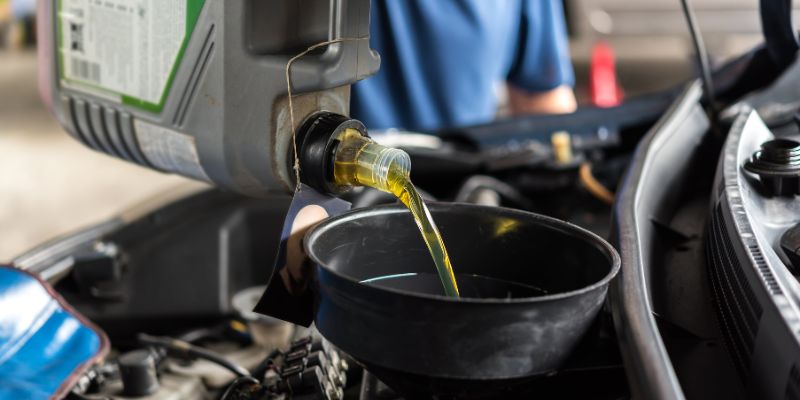
Checking your antifreeze is easy and takes five minutes. Here’s how I do it:
- Park your car on a flat surface and let the engine cool. Hot antifreeze can burn you!
- Pop the hood and find the coolant reservoir. It’s a plastic tank near the radiator, often with “coolant” written on it.
- Check the level. Look for “low” and “full” marks. If it’s low, add a 50/50 mix of antifreeze and water.
- Look at the color. Fresh antifreeze is bright (green, orange, or red). If it’s rusty or murky, it’s time to change it.
I use a flashlight to check the color clearly. You can also buy test strips online to check the antifreeze’s pH level. They’re cheap and super handy.
How to Change Your Antifreeze: A Step-by-Step Guide
Changing antifreeze yourself is no big deal if you’re careful. Here’s my go-to method:
Tools and Materials You’ll Need
- Antifreeze (check your manual for the right type).
- Distilled water (tap water can leave minerals that clog your system).
- Drain pan (to catch old coolant).
- Funnel (for clean pouring).
- Gloves and safety glasses (to stay safe).
| Item | Cost | Where to Buy |
|---|---|---|
| Antifreeze (1 gal) | $10-20 | AutoZone, Walmart |
| Distilled Water | $1-2 | Grocery stores |
| Drain Pan | $5-15 | Amazon, auto parts stores |
Table 2: Tools and Costs for Changing Antifreeze
Steps to Change Antifreeze
- Let the engine cool completely. Hot coolant is dangerous.
- Place a drain pan under the radiator’s drain valve (usually at the bottom).
- Open the drain valve or remove the lower radiator hose to let old coolant flow out.
- Close the valve and fill the radiator with a 50/50 mix of antifreeze and distilled water.
- Run the engine for 5-10 minutes with the heater on to circulate the new coolant.
- Check the level again and top off if needed.
Safety Tip: Never pour old coolant down the drain. Take it to a recycling center or auto shop. It’s bad for the environment.
Benefits and Risks of Changing Antifreeze
Why It’s Worth It
- Saves money: A $20 DIY change beats a $500 engine repair.
- Keeps your car reliable: Fresh antifreeze prevents breakdowns.
- Works in all weather: It stops freezing in winter and overheating in summer.
What Could Go Wrong
- Wrong antifreeze type: Mixing types can clog your system.
- Skipping changes: Old coolant can corrode parts like the water pump.
- Leaks: If you don’t tighten hoses, you’ll lose coolant fast.
I once used the wrong antifreeze and had to flush my system twice. Check your manual to avoid this headache!
My Top Tips for Antifreeze Maintenance
Here are some tricks I’ve learned over the years:
- Mark your calendar: Set a reminder for your next coolant change based on your manual.
- Check for leaks: Look under your car for green or orange puddles.
- Use distilled water: It’s cheap and prevents buildup in your system.
Common Mistakes to Avoid
- Mixing antifreeze types: Always stick to one type to avoid gunk.
- Ignoring small leaks: A tiny drip can become a big problem.
- Skipping the flush: Old coolant leaves dirt that can clog your system.
I once skipped a flush, thinking it was no big deal. My radiator got so gunked up, it was like trying to breathe through a straw!
Should You DIY or Go to a Pro?
Doing it yourself saves money (about $20 vs. $80 at a shop). But if you’re not comfy under the hood, a mechanic is a safe bet. They’ll also check for leaks or other issues. I do mine at home but take my wife’s car to a shop for peace of mind.
| Option | Cost | Time | Pros | Cons |
|---|---|---|---|---|
| DIY | $20-30 | 1 hour | Saves money, learn a skill | Risk of mistakes, messy |
| Professional | $80-150 | 30 min | Expert work, no hassle | More expensive |
Table 3: DIY vs. Professional Antifreeze Change
Frequently Asked Questions
How Often Should You Change Your Antifreeze in Your Car?
Change traditional green antifreeze every 2 years or 30,000 miles. Extended-life antifreeze (orange or red) lasts up to 5 years or 100,000 miles. Check your car’s manual for specifics.
Can I Use Any Antifreeze in My Car?
Use the antifreeze type recommended in your car’s manual (e.g., IAT, OAT, or HOAT). Mixing types can cause clogs or damage. Check your manual to stay safe.
What Happens If I Don’t Change My Antifreeze?
Old antifreeze can become acidic, causing rust or clogs in your radiator and engine. This can lead to overheating or costly repairs.
How Do I Know If My Antifreeze Needs Changing?
Check if it’s low, murky, or rusty-looking. You can also use pH test strips to check its strength. If it’s not bright and clear, replace it.
Is It Safe to Change Antifreeze Myself?
Yes, if you follow safety steps like letting the engine cool and wearing gloves. Dispose of old coolant at a recycling center, not down the drain.
How Much Does It Cost to Change Antifreeze?
A DIY change costs $20-30 for antifreeze and water. A shop charges $80-150 but ensures it’s done right.
Can I Just Top Off My Antifreeze?
Topping off is fine if levels are low and the coolant looks clean. Use a 50/50 mix of antifreeze and distilled water for best results.
Wrapping It Up
Changing your antifreeze is a small job that keeps your car’s engine safe and happy. Check your manual, use the right coolant, and swap it every 2-5 years or 30,000-100,000 miles. It’s an easy way to avoid big repair bills. Try checking your coolant this weekend—it’s easier than you think! Share your car maintenance stories in the comments. Let’s keep our rides running smooth!
Sources: AutoZone, AAA, Carfax
Products related to this article
Sponsored / affiliate links. As an Amazon Associate I earn from qualifying purchases. I may earn additional commission from eligible campaigns.