Sport Decals for Cars: Types, Materials, and How to Apply Them
Sport decals are vinyl or 3D metal emblems that bolt onto or stick onto a car’s fenders, doors, trunk lid, or hood to add a racing-inspired look without any permanent modification. Most cost under $15, install in a few minutes with the adhesive backing already built in, and peel off cleanly later if you change your mind.
They come in two main styles: raised 3D letter or emblem badges (usually metal or hard ABS plastic) and flat vinyl graphics like racing stripes or checkered-flag panels. Both fit most makes, including Ford, Jeep, BMW, Dodge Ram, Cadillac, Chrysler, Toyota, Nissan, and Chevrolet, since they rely on adhesive rather than a brand-specific mounting point.
What Are Sport Decals for Cars?
“Sport decal” is a catch-all term for a handful of different products, and knowing which type you’re looking at matters for where it goes on the car and how long it lasts:
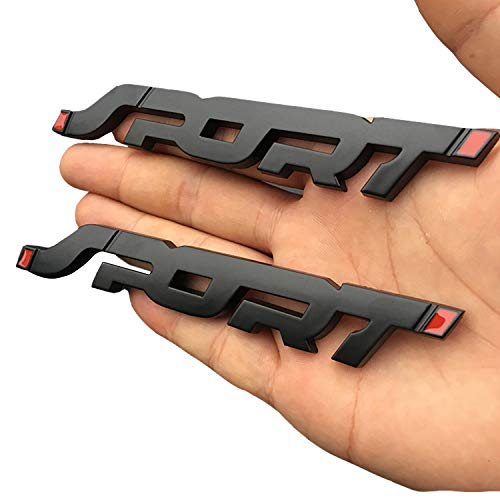
- 3D metal or ABS emblem badges – raised lettering (often the word “SPORT”) or a logo-style badge, usually 2–6 inches wide, applied to a fender, trunk lid, or door.
- Vinyl letter decals – flat, die-cut lettering or numbers, often reflective, sized for a door, bumper, or rear window.
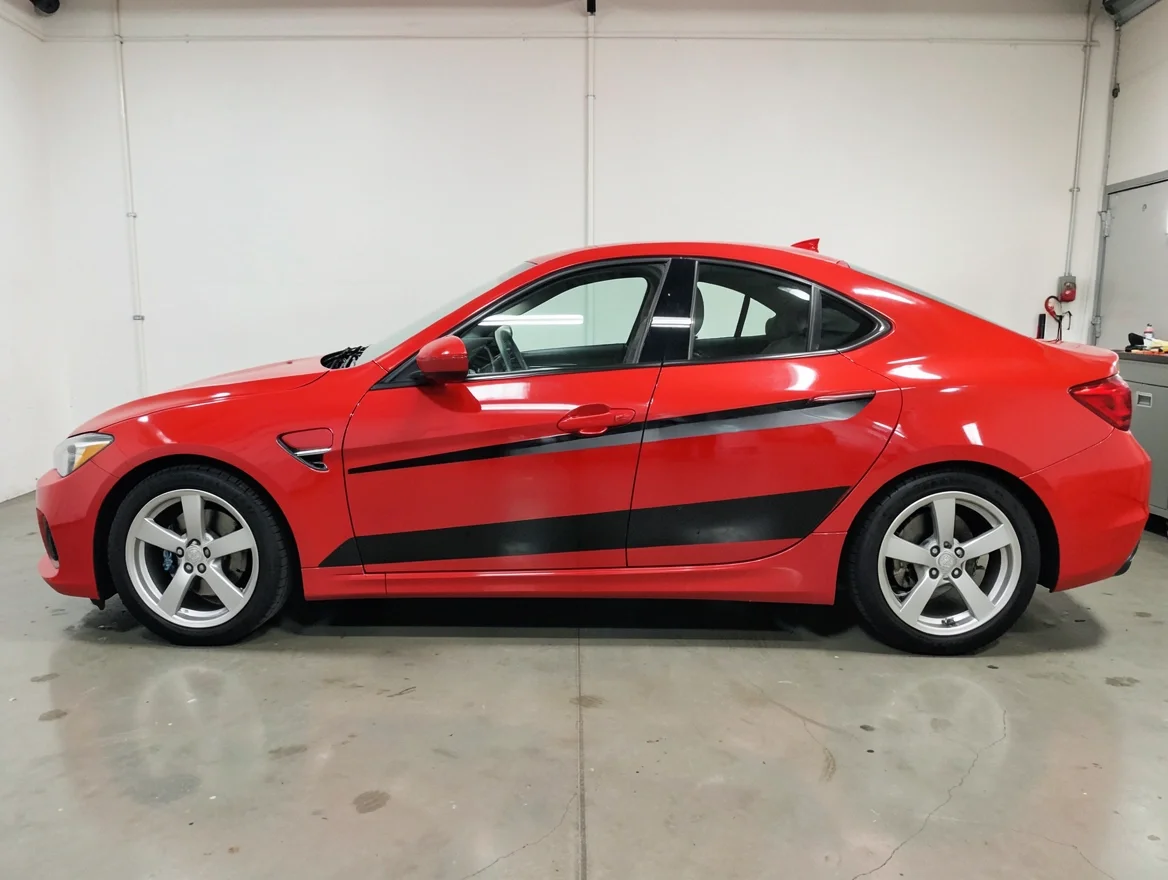
- Racing stripes and graphic panels – longer vinyl strips or shapes that run along the hood, roof, or rocker panel for a motorsport look.
- Checkered-flag and novelty graphics – smaller printed vinyl accents, often used on a fender or side mirror.
POPULAR 3D EMBLEM PICK
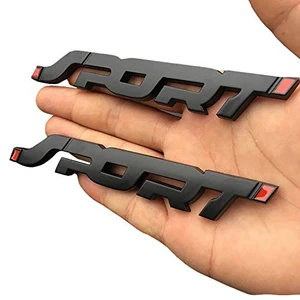 |
HUAPX 2-Pack 3D Metal Car Sport Sticker – $6.89 A raised zinc-alloy “SPORT” badge that fits the fender, trunk, or door of most cars, trucks, and SUVs.
|
Vinyl vs. 3D Metal Sport Decals: Which Lasts Longer?
The material decides both how the decal looks and how long it survives outdoors. Neither option is “better” across the board – it depends on where you’re putting it and what look you want.
| Type | Typical Lifespan | Best Placement | Removal |
|---|---|---|---|
| 3D metal/ABS emblem | 3–5+ years | Fender, trunk lid, door | Heat gun softens adhesive, then peels off |
| Cast vinyl (stripes/graphics) | 5–7 years | Hood, roof, rocker panel | Heat plus slow peel, minimal residue |
| Calendared vinyl (budget stickers) | 1–2 years | Bumper, rear window | Can shrink and crack; easier to peel but may leave residue |
| Reflective vinyl letters | 3–4 years | Doors, rear window | Heat gun recommended for a clean pull |
Cast vinyl is the more expensive of the two vinyl types but resists fading and shrinking far better, which is why it’s the standard for stripes and larger graphic panels. Calendared vinyl is fine for a short-term look but tends to crack in cold weather or fade within a season or two of direct sun.
Where to Put Sport Decals on Your Car
Placement depends on the decal type and the look you’re going for:
- Fenders – the classic spot for a small 3D badge, mirroring where factory trim badges usually sit.
- Trunk lid or tailgate – good for a slightly larger emblem or lettering that’s visible from behind.
- Hood and roof – where racing stripes and large graphic panels go; needs a flat, unobstructed surface to lay flat without air bubbles.
- Doors and rocker panels – common for side stripes and lower-body graphics.
- Rear window or bumper – typical spot for smaller vinyl lettering or novelty stickers.
Wherever you place one, keep it clear of license plates, brake lights, turn signals, and side mirrors – covering any of those can be a vehicle equipment violation in most states, separate from anything to do with the decal itself.
How to Apply a Sport Decal (Step by Step)
- Wash and dry the panel. Wash with soap and water, then dry completely – any dirt, wax, or moisture under the decal will show as a bump or cause it to lift later.
- Wipe with isopropyl alcohol. A quick pass with a rubbing-alcohol wipe removes leftover wax and oils that soap alone won’t cut, giving the adhesive a clean surface to bond to.
- Dry-fit the decal first. Use painter’s tape to hold it in place and check alignment before peeling any backing – this is the step most people skip and regret.
- Peel and apply from one edge. Remove the backing a little at a time, laying the decal down from one side rather than dropping it flat all at once, to avoid trapping air bubbles.
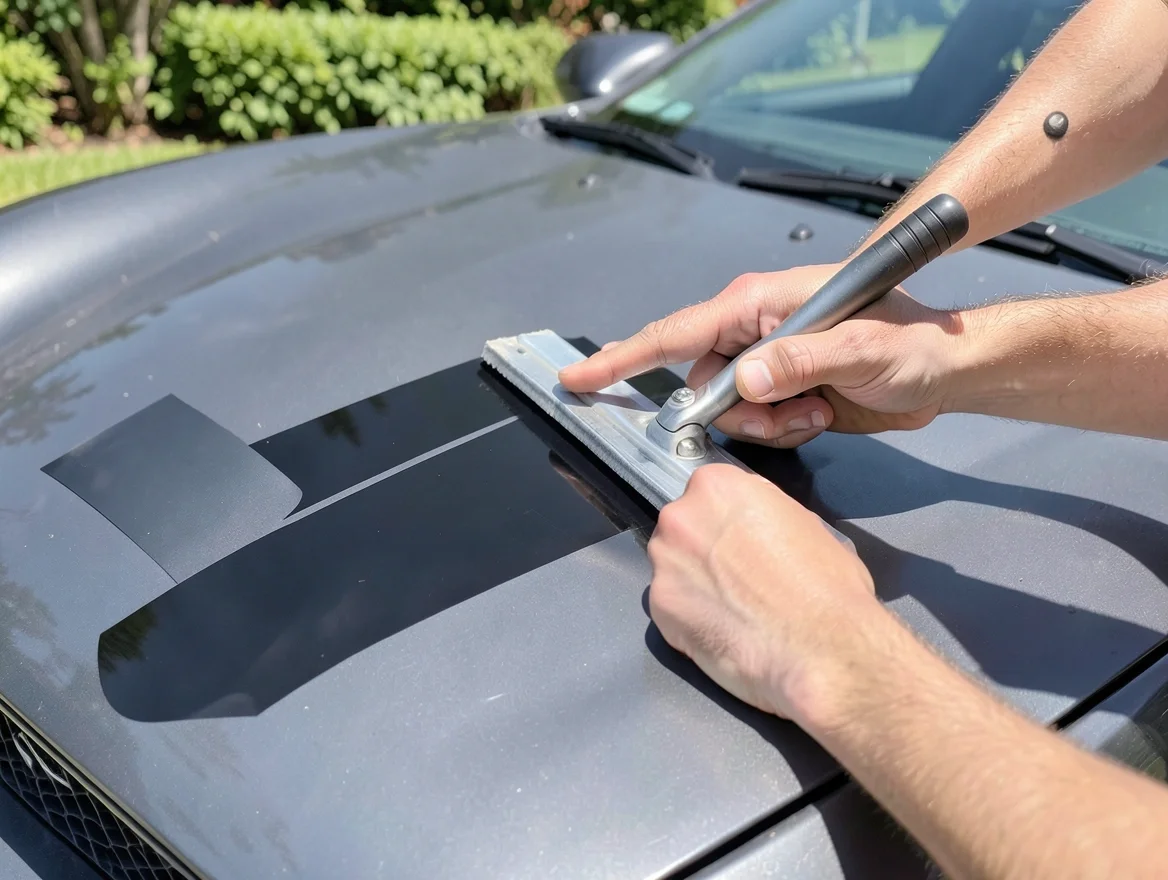
- Squeegee it flat. Work outward from the center with a squeegee or credit card to push out air and water bubbles.
- Wait before washing. Give the adhesive 24–48 hours to fully bond before running the car through a wash, especially a high-pressure one.
Will Sport Decals Damage My Car’s Paint or Affect Resale Value?
Applied correctly and removed with heat rather than scraping, a quality vinyl or metal-badge decal generally does not damage clear coat. The main risk isn’t the decal itself – it’s a rushed removal: yanking a decal off cold, or scraping it with a blade, is what causes swirl marks or a dulled patch in the clear coat underneath.
For resale, non-permanent decals are a non-issue as long as they’re removed cleanly before a sale – most buyers and dealers don’t treat a peel-and-stick badge or stripe as a modification the way they would a wrap, paint job, or body kit. If you plan to sell within a year or two, it’s worth budgeting a little time for a proper removal (heat gun plus adhesive remover) rather than leaving residue behind.
Frequently Asked Questions
How Do Sport Decals Enhance Car Appearance?
Sport decals add a racing-inspired accent – a raised emblem, a stripe, or bold lettering – without any permanent change to the car. They’re an affordable way to personalize a vehicle’s look and can be swapped out or removed later if your taste changes.
Are Sport Decals Compatible With All Car Brands?
Yes. Since sport decals attach with adhesive rather than a brand-specific mount, they fit most makes, including Ford, Jeep, BMW, Dodge Ram, Cadillac, Chrysler, Toyota, Nissan, and Chevrolet. Just make sure the panel is clean, dry, and free of wax before applying.
How Durable Are 3D Metal Sport Emblems?
Metal and hard ABS emblems typically last three to five years or more outdoors. They resist fading better than printed vinyl since the color and finish are part of the material itself, not a surface print, but a strong impact can still chip or bend a metal badge.
Do Reflective Sport Decals Improve Safety?
Reflective vinyl lettering and stripes do bounce back headlight beams at night, which can make a parked or slow-moving car more noticeable to other drivers. That’s a real side benefit, but it’s a minor one – don’t rely on a decal in place of working brake lights or reflectors.
How Do I Apply Sport Decals Correctly?
Wash and dry the panel, wipe it with isopropyl alcohol, dry-fit the decal with painter’s tape, then peel and apply from one edge while squeegeeing out air bubbles as you go. Give the adhesive a day or two before washing the car.
Will Sport Decals Damage My Car’s Paint?
Not if it’s applied to clean paint and removed with heat rather than scraped off cold. The risk comes from a rushed removal, not from wearing the decal itself.
Conclusion
Sport decals are one of the cheapest, lowest-commitment ways to change how a car looks – a 3D metal emblem for a fender or trunk, or a vinyl stripe for the hood and doors, both go on in minutes and come off just as easily. Match the material to where you’re putting it (cast vinyl or metal for high-wear spots, budget vinyl only for a short-term look), clean the surface properly before applying, and use heat rather than force whenever it’s time to remove one.
Products related to this article
Sponsored / affiliate links. As an Amazon Associate I earn from qualifying purchases. I may earn additional commission from eligible campaigns.