How Much Does It Cost to Tint Your Car Windows: Detailed Guide
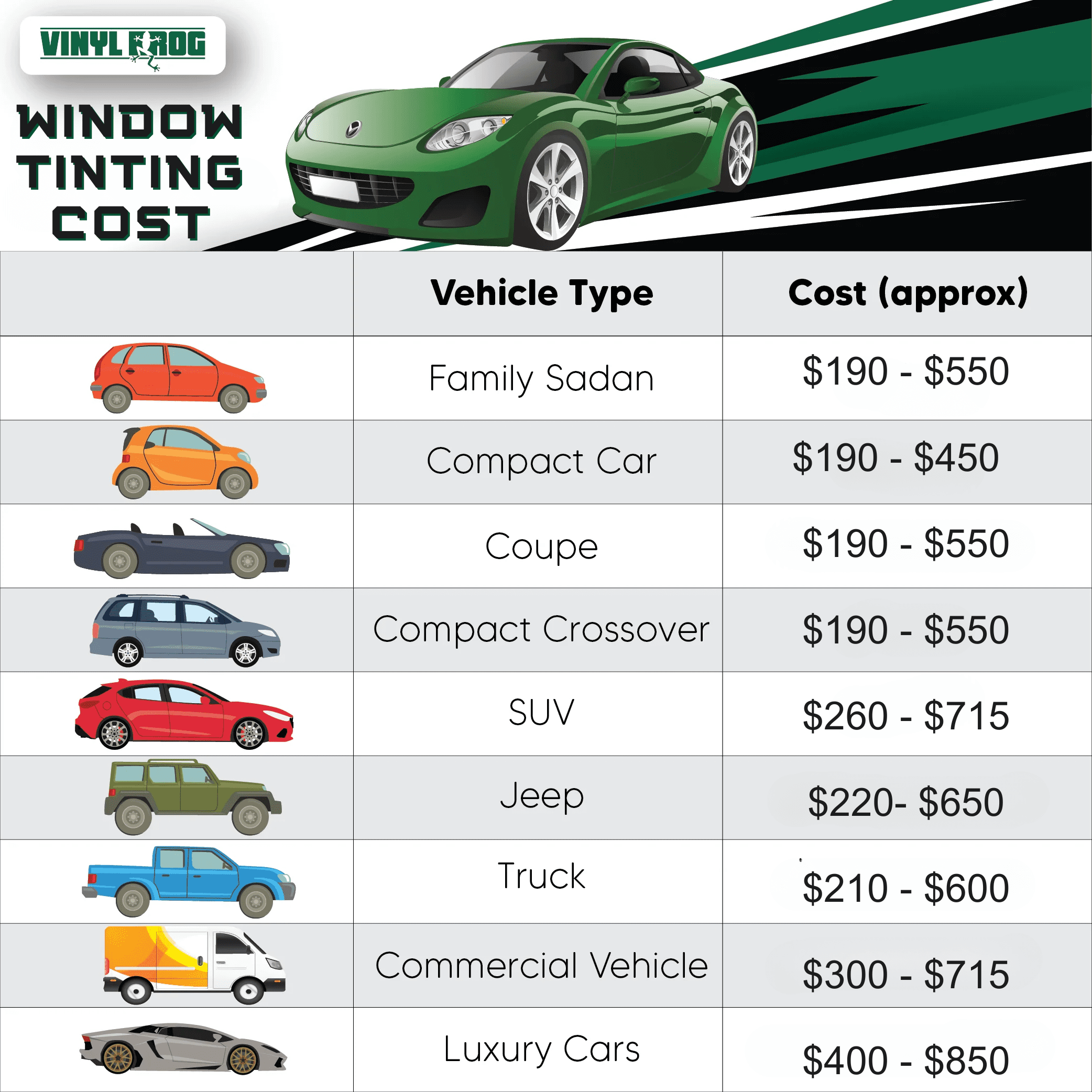
Tinting your car windows can cost between $50 and $800, depending on several factors. These include the type of film, the number of windows, and the location.
Thinking about tinting your car windows? It’s a smart move for many reasons. Tinted windows can reduce glare, keep your car cooler, and add privacy. But one important question remains: How much will it cost? The price to tint your car windows varies.
It depends on the quality of the tint film and the complexity of the job. In this blog, we’ll break down the factors that affect the cost. This way, you can make an informed decision and find the best option for your budget. Ready to learn more? Let’s dive in.
Credit: www.tintingchicago.com
Introduction To Car Window Tinting
Car window tinting makes your vehicle look cool. It blocks the sun’s harmful rays. Protects your skin. Keeps the car cooler. It also offers privacy. People can’t see inside easily. This helps with safety. Car window tinting is important for these reasons.
Tinting gives extra comfort while driving. No more squinting from bright sunlight. It reduces glare. Keeps your car seats from fading. The inside of your car stays new. Tinting also saves energy. Less need for air conditioning. It protects you and your car.
| Type | Features |
|---|---|
| Dyed Tint | Affordable, good for privacy, blocks sunlight |
| Metalized Tint | Durable, blocks heat, reduces glare |
| Ceramic Tint | High-quality, no signal interference, great UV protection |
Credit: www.iseecars.com
Factors Influencing Cost
The type of vehicle affects the cost of window tinting. Larger vehicles like SUVs and vans usually cost more. Smaller cars like sedans or coupes are often cheaper. The shape of the windows also matters. Curved windows can be harder to tint. This might raise the price. Different cars have different window sizes. This means more or less tinting material. More material means a higher cost.
The number of windows on your car is important. More windows mean more tinting work. This can increase the cost. Cars with only four windows are cheaper to tint. Some cars have extra small windows. These might be on the side or rear. Tinting them adds to the cost. Each window counts toward the total price.
Types Of Tinting Film
Dyed window tint is the most basic type. It uses a layer of dye to block sunlight. This type of tint is affordable. It provides a dark appearance. It can fade over time. The color may change too. This tint is good for budget-conscious people. It offers basic privacy and UV protection. No shiny look.
Metalized window tint has tiny metal particles. It reflects heat away. This tint is more durable than dyed tints. It helps in strengthening the window. It also blocks UV rays. The tint may interfere with phone signals. It can be a bit more expensive. Good for those who want strong protection.
Cost Breakdown By Film Type
Car window tinting costs vary by film type. Basic dyed film is affordable, while metalized options offer durability. Ceramic films provide premium UV protection. Prices depend on quality and brand.
Budget Options
Car window tinting can be affordable. Basic film types are cheaper. Dyed films cost around $50 to $100 per car. They offer privacy but less heat reduction. Metalized films range from $100 to $200. They provide good heat control. These films may interfere with signals.
Premium Choices
Premium films offer better quality. Ceramic films cost between $200 to $400. They block heat and UV rays well. Carbon films range from $150 to $300. They ensure better color stability. These options are durable and long-lasting. They keep your car cool and safe.
Professional Vs Diy Tinting
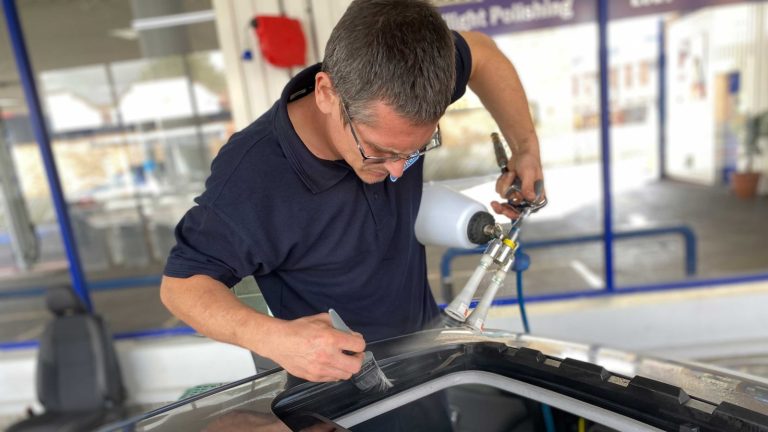
Choosing between professional and DIY tinting affects your wallet. Professional tinting can cost $100 to $400 for a standard car. Prices vary based on car size and tint quality. DIY kits are cheaper, ranging from $20 to $50. These kits include film and tools. While DIY saves money, it requires skill. Mistakes can lead to bubbles or peeling. Paying a professional ensures a clean, lasting result.
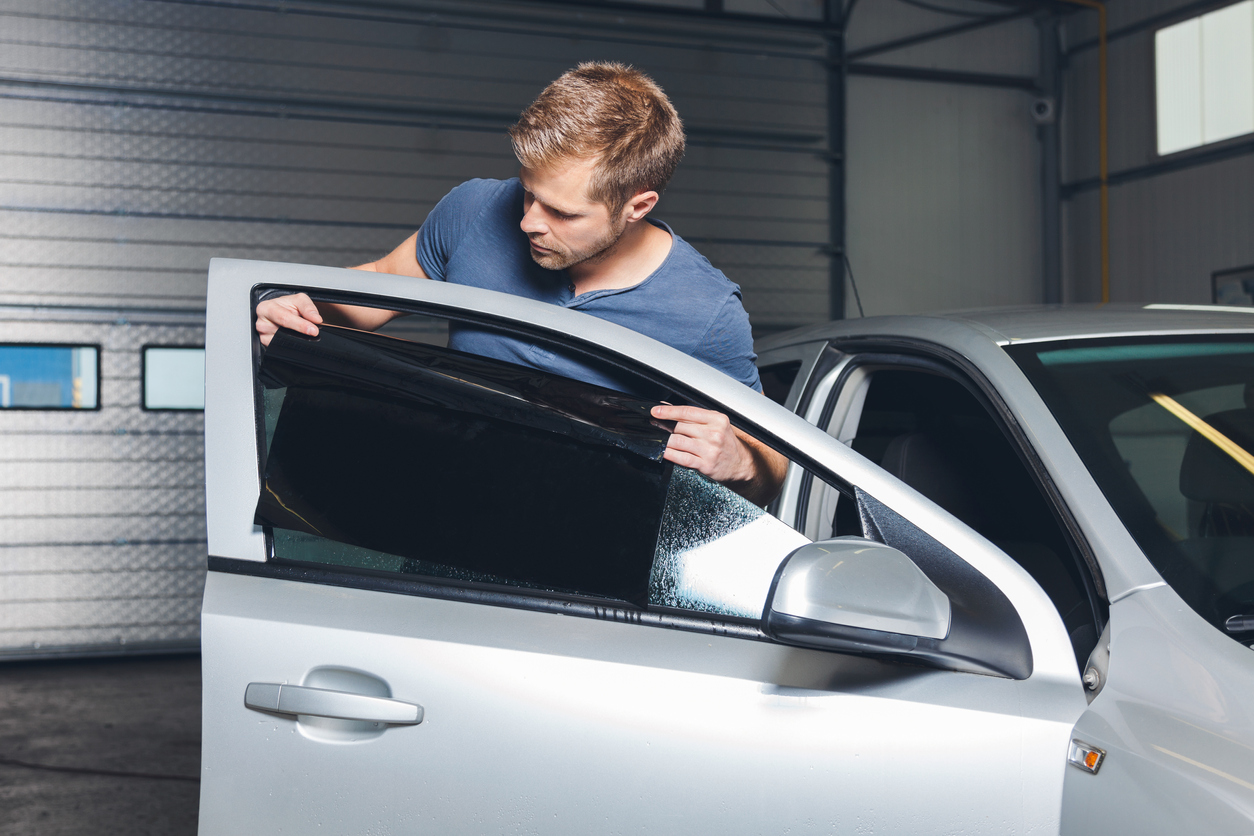
Installing window tint needs careful work. Professionals have experience and tools. They ensure smooth application without bubbles. DIY requires patience and precision. Instructions come with kits, but practice helps. Steady hands are needed to cut and apply the film. Errors might mean starting over. Consider your skills and patience before deciding.
Regional Price Variations
Urban areas often have higher costs for window tinting. Cities have more shops, but prices are high. Rent and labor costs in cities increase service prices. In contrast, rural areas might offer cheaper options. Fewer shops mean less competition. Lower living costs can lead to lower service prices. It’s important to compare both before choosing.
Urban Vs Rural
Window tinting prices vary between city and countryside. Urban shops might charge more due to high demand. Rural shops might have lower prices. Check options in both areas for the best deal.
Climate Considerations
Climate affects window tinting costs. Hot areas might need better tinting. Strong tints might cost more. Cold areas might need less tinting. Choose a tint that suits your area’s weather.
Long-term Value And Savings
Energy efficiency is a big benefit of tinted windows. Tinted windows keep your car cooler. This means the air conditioner works less. Less work means less fuel used. This saves money over time. Tinted windows also block UV rays. UV rays harm the car’s interior. Protecting the interior keeps it looking new. This adds to the car’s value.
Resale value impact is another plus. Tinted windows can make a car look stylish. Buyers like cars that look good. A well-maintained interior adds to the car’s worth. Tinted windows help with this. They protect seats from fading. Buyers may pay more for a car with tinted windows. This helps get better deals when selling.

Credit: www.raynofilm.com
Legal Considerations
Each state has its own tinting laws. These laws tell how dark you can tint your windows. Some states allow darker tints. Others are more strict. Knowing the rules is very important. It helps you avoid fines.
State Tinting Laws
State laws can vary a lot. Some states allow front windows to be lightly tinted. Others do not allow any tint. The back windows usually have more freedom. Always check the rules in your state before tinting.
Penalties For Non-compliance
Breaking tint laws can lead to penalties. You might get a ticket. This means you will pay a fine. Sometimes, you have to remove the tint. This can be costly. It is better to follow the rules from the start.
Choosing A Tinting Service
Good services have strong reputations. Check reviews online before choosing. Many customers leave feedback. Happy customers mean good service. Unhappy customers share problems. Read both good and bad reviews. Look for patterns in comments. Consistent praise or complaints matter. Reviews help you decide well. Trusted services have more positive reviews.
Always ask about warranties. Warranties protect your money. Good services offer clear guarantees. Guarantees cover problems and defects. They fix issues for free. Read the warranty details carefully. Short warranties may not cover much. Long warranties show confidence in work. Choose services that offer solid guarantees. Guarantees ensure peace of mind.
Conclusion And Recommendations
Understanding the cost of car window tinting can save money and enhance your vehicle’s appearance. Prices vary by location, tint type, and window number. Consider professional services for quality results and warranty benefits.
Key Takeaways
Tinting car windows can be a smart choice. It helps in blocking harmful UV rays and keeps the car cool. The cost of window tinting varies. Factors like car type and film quality affect the price. On average, it may cost between $100 to $400. Professional tinting ensures quality and long-lasting results. DIY kits are cheaper but need skill and patience. Always check local laws before tinting. Some areas have rules on tint darkness.
Final Thoughts
Window tinting offers many benefits. It improves privacy and reduces glare. Make sure to choose the right option for your needs. Consider both budget and quality. Research and seek recommendations for the best results. A well-tinted car is a comfortable and stylish one.
Frequently Asked Questions
How Much Should It Cost To Tint Your Whole Car?
Tinting your whole car typically costs between $100 and $400. Prices vary based on vehicle size, tint type, and location. High-quality tints and professional installation may increase costs. Always choose reputable installers for the best results. Remember, local laws may affect the type of tint you can use.
What Is The Darkest Legal Tint For A Car?
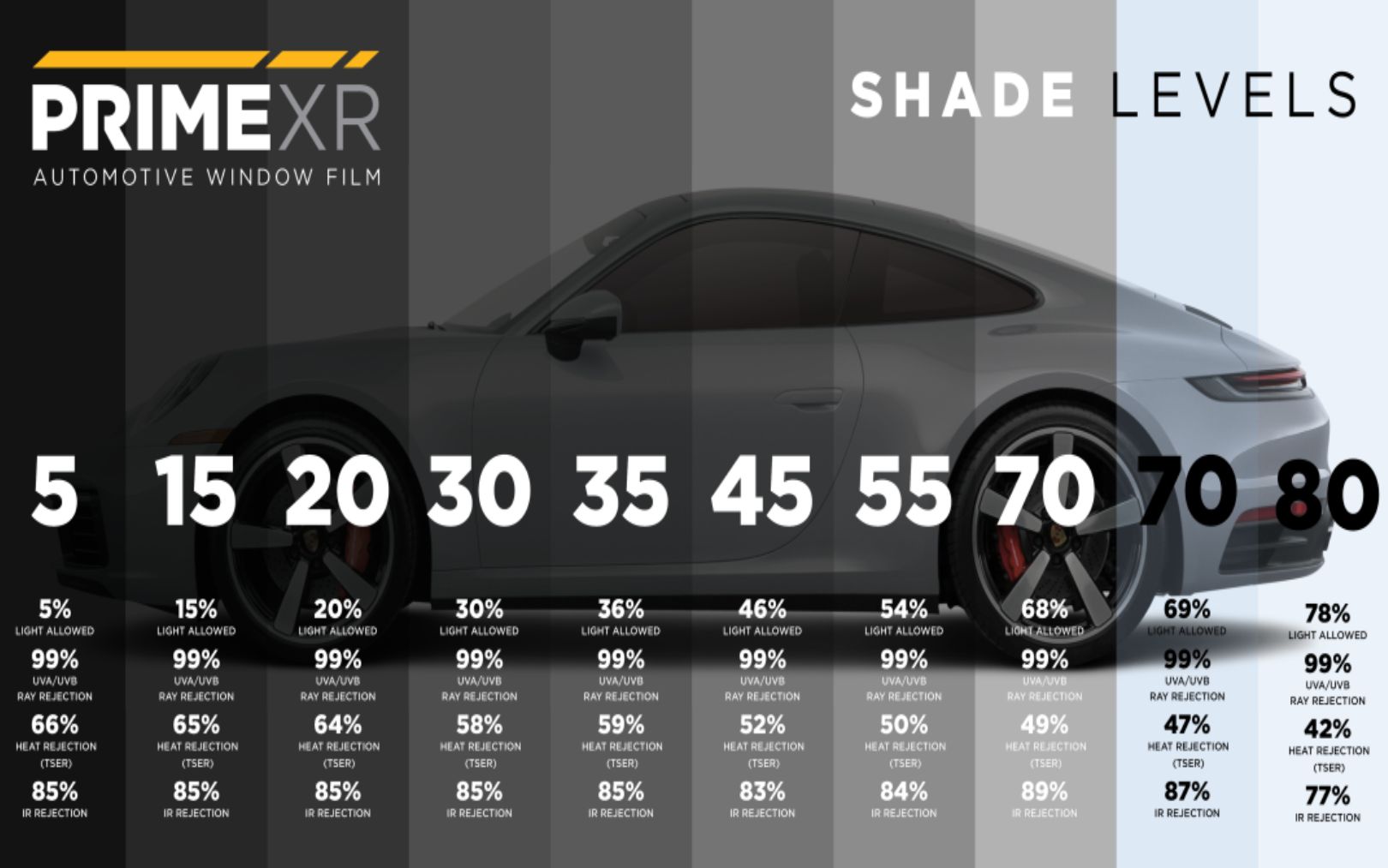
The darkest legal tint varies by state. Generally, front side windows must allow over 35% of light in. Rear windows can often be darker, around 20% VLT or less. Always check local regulations for exact limits. Complying ensures safety and legality while enhancing car privacy and aesthetics.
What Does 70 Tint Look Like?
A 70 tint on windows is light and subtle. It allows 70% of visible light inside while slightly reducing glare and UV rays. The tint provides a mild shaded effect without significantly altering visibility. It’s ideal for those seeking minimal darkening and maintaining a clear view.
Is It Worth Tinting My Car?
Tinting your car offers privacy, UV protection, and reduced glare. It enhances appearance and resale value. Consider local laws before tinting.
Conclusion
Tinting your car windows can be affordable. Prices vary by location and type. Basic tinting costs less. High-quality films cost more but last longer. DIY kits save money but require skill. Professional services offer better results. Consider your budget and needs.
Research local shops for quotes. Ask about warranties and quality. A good tint enhances privacy and reduces heat. It also protects interiors from sun damage. Choose wisely for long-term benefits. Your car deserves the best care. Make an informed choice for comfort and style.