Do Car Washes Scratch Cars? Wash Types Ranked by Risk
Car washes scratch cars when grit gets dragged across the paint — not because the equipment itself is abrasive. Your clear coat is only 35–50 microns thick, so one contaminated brush pass can leave swirl marks that need machine polishing to remove. This guide ranks each wash type by scratch risk, explains what swirl marks actually are, and gives a step-by-step method for washing without marring the finish.
Quick Answer
Ranked from lowest to highest scratch risk: touchless automatic, careful two-bucket hand wash, modern soft-cloth tunnel, self-service brush bay, and old-style nylon bristle wash. Nothing that touches dirty paint is risk-free — the deciding factor is how thoroughly loose grit is rinsed away before anything contacts the surface.
What Swirl Marks Actually Are (and Why They Appear After a Wash)
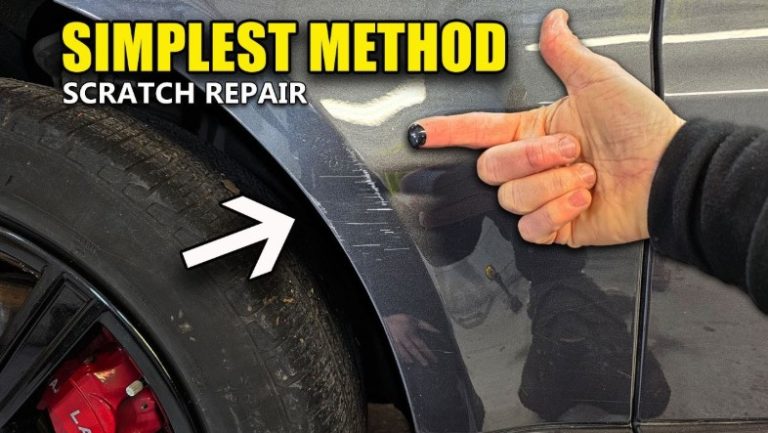
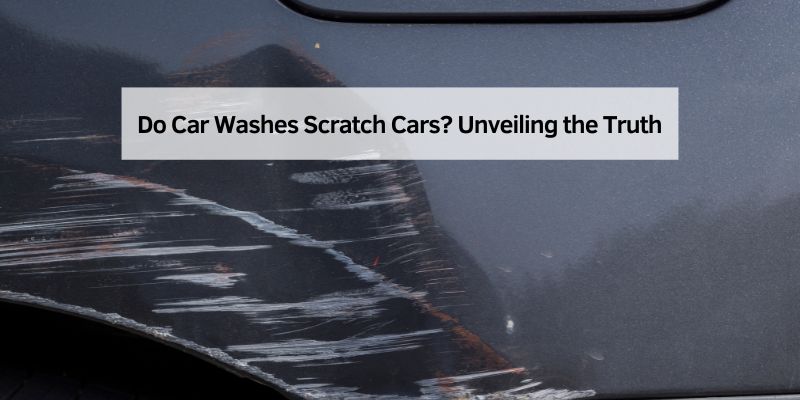
A swirl mark is a shallow scratch in the clear coat — the transparent top layer of automotive paint — cut by a hard particle sliding across the surface under pressure. Individually they are too fine to catch a fingernail. In direct sunlight thousands of them scatter light in a circular halo, which is why the damage reads as spider-webbing rather than a single line.
That distinction matters because clear coat is a finite resource. Once a swirl is cut into it, the only real fix is to polish away the surrounding clear coat until the surface is level again — and there is a hard ceiling on how much you can remove before the layer stops protecting the colour underneath.
📊 Automotive clear coat measures just 1.5–2.0 mils (35–50 microns), and most manufacturers set a lifetime limit of 0.3 mils (8 microns) that may be safely polished away. — Source: DeFelsko, paint thickness gauge manufacturer
Do the arithmetic and the picture gets uncomfortable. An 8-micron budget spread across a car’s entire life allows only a handful of genuine correction passes. Every avoidable swirl mark spends part of an allowance you cannot top up, which is the real cost of a careless wash — not the scratch itself, but the clear coat burned removing it.
There is also a genuine disagreement in the industry about where swirls originate, and both sides are worth knowing. Car wash equipment manufacturers argue the marks were already present:
“The short answer is no. Automatic car washes are not the cause of swirl marks on your car.”
Their reasoning is that fine marring begins at the factory and on the road, then becomes visible only once a wash strips away the dirt and degraded wax hiding it. Professional detailers counter that grit trapped in wash media puts fresh cuts into the paint on every pass. Both are partly right, and the practical takeaway sits between them: a wash rarely invents damage from nothing, but a dirty one absolutely adds to it. Our companion guide on removing swirl marks from car paint covers the correction side in detail.
Car Wash Types Ranked by Scratch Risk
Not all automatic washes belong in the same category, and lumping them together is why the advice online contradicts itself. The table below ranks the five formats you will actually encounter, safest first.
| Wash type | Scratch risk | Main weakness | Best for |
|---|---|---|---|
| Touchless automatic | Lowest | Stronger detergents; leaves road film behind | Dark paint, ceramic-coated and new cars |
| Two-bucket hand wash | Low (technique-dependent) | Entirely down to your own discipline | Owners who want maximum control |
| Modern soft-cloth tunnel | Moderate | Grit retained in cloth strips between vehicles | Routine cleaning of light-colored daily drivers |
| Self-service brush bay | High | Shared brush often left on the concrete floor | Wheels, tires and lower panels only |
| Older nylon-bristle wash | Highest | Stiff bristles that mar even clean paint | Nothing you care about |
One trade-off deserves naming plainly. Touchless washes avoid contact by leaning on chemistry instead, and some wheel and rust-removal products in the industry have historically been built on hydrofluoric acid — a compound the International Carwash Association documents as both highly effective and highly hazardous, driving a long search for safer substitutes. Touchless is gentler on your clear coat, but it is not chemically gentle in the abstract. A wax or sealant applied a few times a year gives the finish a sacrificial layer to absorb that chemistry.
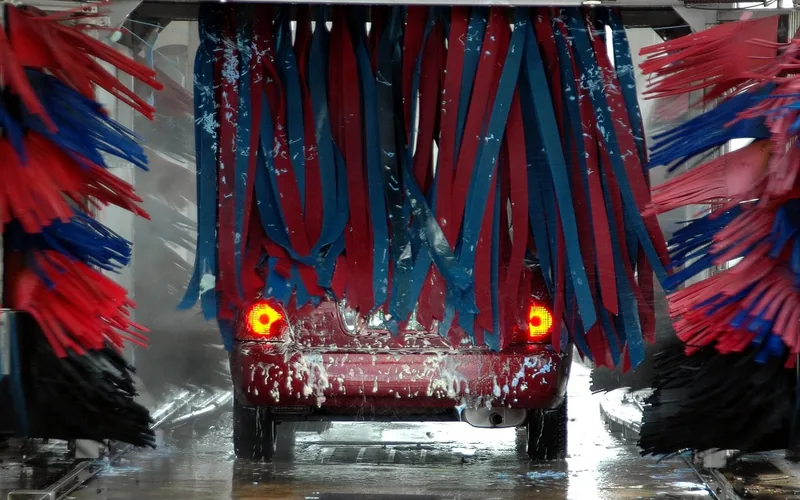
For the mechanics of what happens between the entry arch and the blowers, our explainer on how car washes work walks through each stage of the tunnel. If your concern is specifically alloy finish rather than paint, see whether automatic car washes damage rims.
What Actually Causes the Scratches
In almost every case the culprit is the same: a hard particle caught between a soft material and your paint. Road grit, brake dust and silica-bearing sand are all harder than clear coat, so once one is trapped in a mitt, cloth strip or towel it behaves like a very fine abrasive. The mitt is not scratching the car — the sand embedded in it is.
Three habits account for most of the damage owners inflict on themselves:
- Washing before rinsing. Putting a mitt on dry, dusty paint grinds loose debris straight into the finish. A thorough pre-rinse removes the majority of it before anything makes contact.
- Reusing a dropped tool. A mitt or towel that touches the ground picks up sharp grit that no rinse fully clears. Retire it.
- Dry-wiping. Buffing off water spots or dust with a dry towel is one of the fastest ways to install swirl marks, because there is no lubrication between the fibres and the paint.
Direct sun compounds all three. Soap and water flash-dry on hot panels, leaving mineral deposits that then get scrubbed across the surface. Washing in shade, or early in the day, removes that variable entirely.
Why Dark Cars Look So Much Worse
A black car does not scratch more easily than a silver one — the paint is the same hardness. The difference is optical: on dark paint each swirl reflects bright light against a near-black background, giving maximum contrast, while on silver or white the scattered light blends into an already-bright surface. Identical damage, wildly different visibility. That is also why dark-coloured cars benefit most from touchless washing.
Best Scratch-Free Car Wash Pick
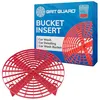
Grit Guard The Original Red Bucket Insert (10")
A slotted plate that sits in the bottom of your rinse bucket. Grit knocked off the mitt falls through and stays trapped below the grate instead of circulating back onto your paint.
- Best for: Making the two-bucket method actually work as intended
- Why we picked it: It targets the single mechanism behind most self-inflicted swirls — reintroducing trapped grit to the mitt
- Main drawback: Only fits standard 3.5–5 gallon buckets, and you really need two of them
Compare more scratch-free washing options
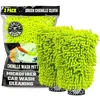 Option 1 Chemical Guys Chenille Microfiber Wash Mitt, 2 Pack
|
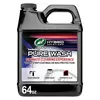 Option 2 Turtle Wax Hybrid Solutions Pure Wash, pH Neutral
|
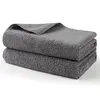 Option 3 HOMEXCEL Large Microfiber Drying Towels, 2 Pack
|
As an Amazon Associate we earn from qualifying purchases.
Automated Wash Risks
Within automated washes, the media doing the touching decides the risk profile. Older nylon bristle systems are genuinely abrasive: stiff filaments flex under pressure and can mar a finish even when clean. These are increasingly rare in the United States, but they still turn up at older independent sites and at some truck washes.
Modern soft-cloth and closed-cell foam systems are a different proposition. The material itself is soft enough to be harmless — the variable is what it is carrying. Well-run tunnels flush their media continuously and rely on a heavy pre-soak arch to lift loose grit off the vehicle before the first cloth makes contact. A tunnel that skips the pre-soak, or runs its media dry between cars, is where trouble starts.
Touchless systems remove the contact variable altogether, using high-pressure water and stronger detergent instead. The compromise is cleaning power: touchless washes routinely leave a thin road film behind, which is why cars washed exclusively this way can look clean yet feel slightly rough. If you rely on touchless, our guide on safe pressure ranges for washing a car is worth reading before you buy a pressure washer for home use.
One practical signal is worth more than any brand name: look at the last car leaving the tunnel, and look at the equipment. Visible grime on the cloth strips, or a dirt-streaked floor at the entry arch, tells you more about your paint’s odds than any advertised wash package.
Hand Wash Considerations
Hand washing has the best ceiling and the worst floor. Done properly it is the gentlest option available; done with a single bucket and a household sponge it will out-damage almost any tunnel. The method matters far more than the fact that a human is doing it.
The same applies to paid hand-wash services. An attendant working a queue at speed, using towels that have already been across a dozen vehicles, is not safer than a well-maintained automatic wash — they are simply slower. Before paying a premium for hand washing, look at whether the crew separates wash and rinse buckets and whether drying towels come out of a clean stack or off a shared cart.
Wheels deserve their own tools regardless of who does the washing. Brake dust is the most aggressive contaminant on the vehicle, and a mitt used on wheels should never touch paint again. Keep a separate bucket and mitt for the lower quarter of the car, and see our guide to choosing a hose-fed car washing brush if you want a dedicated wheel tool.
Self-Service Bay Challenges
Coin-operated bays give you control over pressure and dwell time, which is genuinely useful. The problem is the foaming brush hanging on the wall. It is shared by every customer, it is frequently dropped on the concrete, and it accumulates grit from vehicles far dirtier than yours.
The safe way to use a self-service bay is to treat the brush as a wheels-and-rocker-panels tool only, and to clean your paint with the pressure wand and your own mitt. If you must use the bay brush on paint, run the high-pressure rinse through the bristles for fifteen seconds first — it will not make the brush clean, but it flushes out the worst of the loose material.
The timer creates its own hazard. Rushing the rinse leaves soap and suspended dirt drying on the panels, and hurrying the wash stage means scrubbing at spots that would have lifted with a longer soak. Buy the extra minutes; they cost less than a paint correction.
How to Wash a Car Without Scratching It
The order of operations does more for your paint than any product choice. Follow these six steps and the mechanical causes of swirl marks largely disappear.
- Work in shade on cool panels: Move the car out of direct sun and let hot bodywork cool so soap and water cannot flash-dry into mineral deposits.
- Pre-rinse top to bottom: Flood every panel with water before touching anything, clearing the loose grit that does the actual cutting.
- Set up two buckets: Fill one with pH-neutral soap solution and one with plain rinse water, each fitted with a grit guard insert.
- Wash the wheels first with separate tools: Clean wheels and tires before the paint so brake dust never reaches your paint mitt.
- Wash in straight overlapping lines, rinsing the mitt every panel: Move from roof downward in straight passes, returning the mitt to the rinse bucket after each section.
- Dry by blotting, not dragging: Lay a large plush microfiber towel flat, pat it down, and lift it away rather than wiping across the surface.
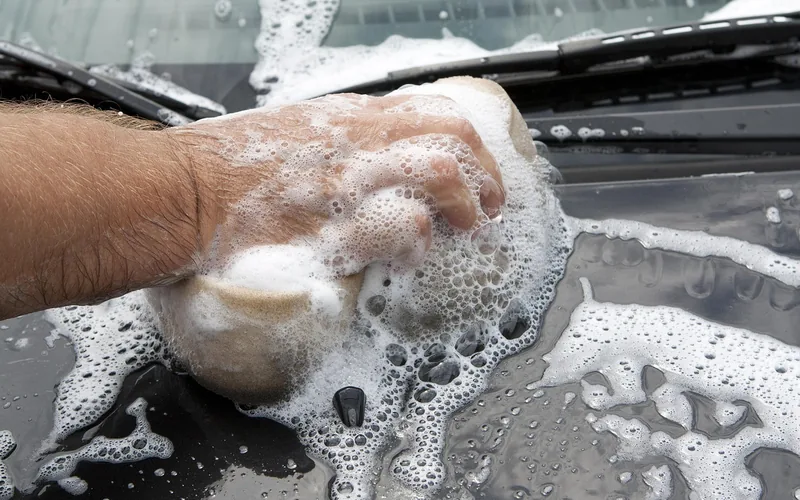
Frequency matters too. Letting contamination build up for months means every wash has more abrasive material to deal with, so a regular schedule is genuinely protective rather than merely cosmetic — our breakdown of how often you should wash your car covers the intervals that actually make sense.
Preventive Measures That Actually Help
A protective layer on top of the clear coat is the closest thing to insurance. Wax, synthetic sealant and ceramic coatings all work the same way: they add a sacrificial film that takes the first contact from grit and detergent, and they make the surface slick enough that debris slides rather than digs.
- Carnauba wax gives the warmest gloss but typically needs reapplying every six to eight weeks.
- Synthetic sealants trade some depth of shine for durability measured in months rather than weeks.
- Ceramic coatings last for years and resist chemicals well, but they raise scratch resistance only marginally — they do not make paint swirl-proof, whatever the marketing implies.
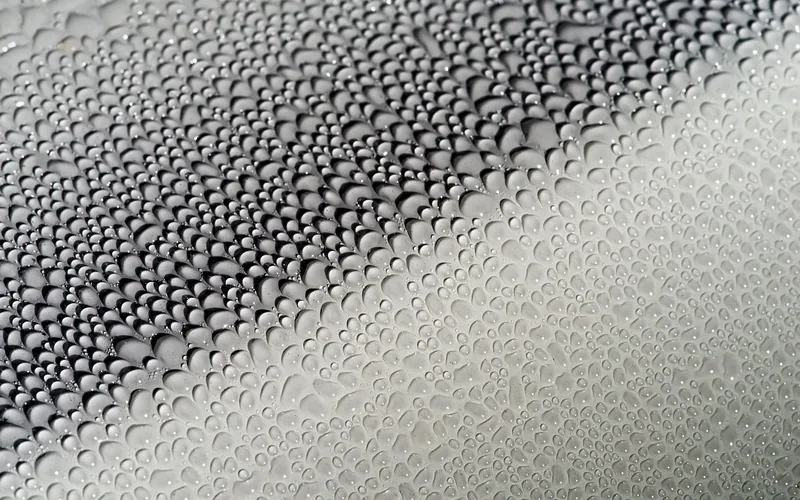
Storage is the other lever, and it costs nothing. A garaged car collects less airborne grit between washes, avoids baked-on contamination, and keeps its protective layer intact longer than one parked under trees. Fewer contaminants at the start of a wash means fewer abrasives during it.
What to Do If a Car Wash Already Scratched Your Car
First, work out how deep the damage goes, because that determines whether it is fixable at home. Run a fingernail lightly across the mark. If it glides over, the scratch sits in the clear coat and can usually be polished out. If your nail catches, it has reached the base coat or primer and needs filling and touch-up paint, not polish.
Clear-coat-level swirls respond to a light polish followed by fresh protection. Given the 8-micron lifetime removal ceiling noted earlier, use the least aggressive product that clears the defect and resist the temptation to chase every last mark in one session.
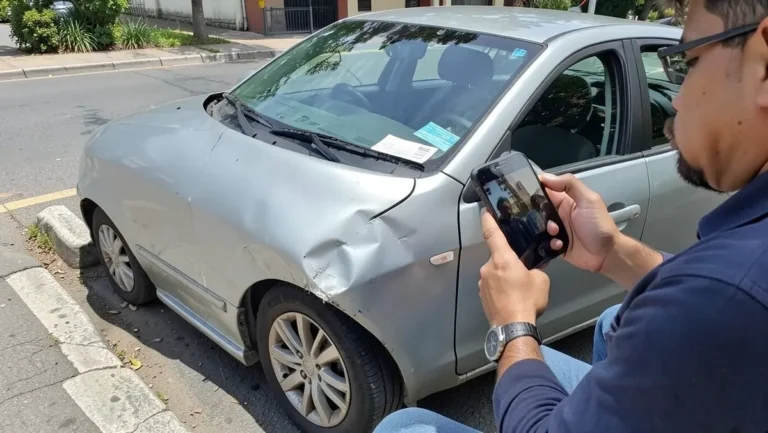
If the damage appeared immediately after a commercial wash, act the same day. Photograph the panels before leaving the site, ask the manager to note the incident in writing, and keep your receipt — most operators post signage limiting liability, and those disclaimers are far harder to challenge once you have driven away. Our guide on whether automatic car washes are liable for damage explains what those signs do and do not cover.
Choosing the Right Wash for Your Car
Match the wash to the paint you are protecting. A dark, freshly detailed or ceramic-coated car belongs in a touchless wash or a careful two-bucket hand wash. A light-coloured, high-mileage daily driver loses very little to a well-maintained soft-cloth tunnel, and the time saved is worth more than the marginal risk.
Judge a facility on its equipment rather than its price list. Clean, wet media, a functioning pre-soak arch and a tidy site are better predictors of a scratch-free result than any wash tier upgrade. For a fuller look at the yes-or-no question of paint damage specifically, our companion article asks whether car washes scratch paint — myth or reality.
Frequently Asked Questions
Is taking your car through a car wash a bad idea?
No, provided the facility is well maintained. A modern soft-cloth or touchless tunnel that pre-soaks vehicles and flushes its media continuously poses far less risk to paint than a careless hand wash with a single bucket. The bad idea is an unmaintained wash with visibly dirty equipment or old nylon bristle brushes.
What is the best type of car wash to avoid scratches?
Touchless automatic washes carry the lowest scratch risk because nothing physically contacts the paint — only high-pressure water and detergent. The trade-off is stronger chemistry and a thin road film left behind. Keeping a wax or sealant layer on the paint offsets the chemical exposure and keeps touchless washing safe long term.
Is it better to hand wash your car or use a car wash?
Hand washing is gentler only when done with two buckets, grit guards, a clean microfiber mitt and a blotting dry. Without that discipline it causes more marring than a well-run automatic tunnel. Technique decides the outcome, not whether a person or a machine is doing the work.
Is it possible to wash a car without scratching it at all?
You can get very close, but no contact wash is completely risk-free. Pre-rinse thoroughly, use pH-neutral soap and a clean microfiber mitt, apply the two-bucket method, wash in straight lines rather than circles, and dry by blotting. These steps remove nearly every mechanical cause of swirl marks.
Why do scratches show up more on black cars?
Contrast, not softness. Black paint is no easier to scratch than silver, but each swirl reflects bright light against a dark background, making the damage highly visible. On light-coloured paint the same scratches scatter light into an already-bright surface and effectively disappear.
What should you do if a car wash scratches your car?
Photograph the damage before you leave the site, report it to the manager immediately and ask for written acknowledgement, and keep your receipt. Then test the depth with a fingernail: marks that do not catch can usually be polished out, while deeper scratches require touch-up paint and professional assessment.
Conclusion
Car washes scratch cars when grit reaches the paint, which makes the question less about automatic versus hand washing and more about how thoroughly loose dirt is removed before contact. Touchless washing carries the lowest mechanical risk, a disciplined two-bucket hand wash comes close, and a well-maintained soft-cloth tunnel is a reasonable compromise for everyday driving.
With only 35 to 50 microns of clear coat and roughly 8 microns you can ever safely polish away, prevention is worth considerably more than correction. Rinse first, keep a protective layer on the paint, avoid dry-wiping, and choose facilities whose equipment looks as clean as you want your car to be.
Products related to this article
Sponsored / affiliate links. As an Amazon Associate I earn from qualifying purchases. I may earn additional commission from eligible campaigns.