How Much Is a Rally Car? Cost by Class, $4K to $345K
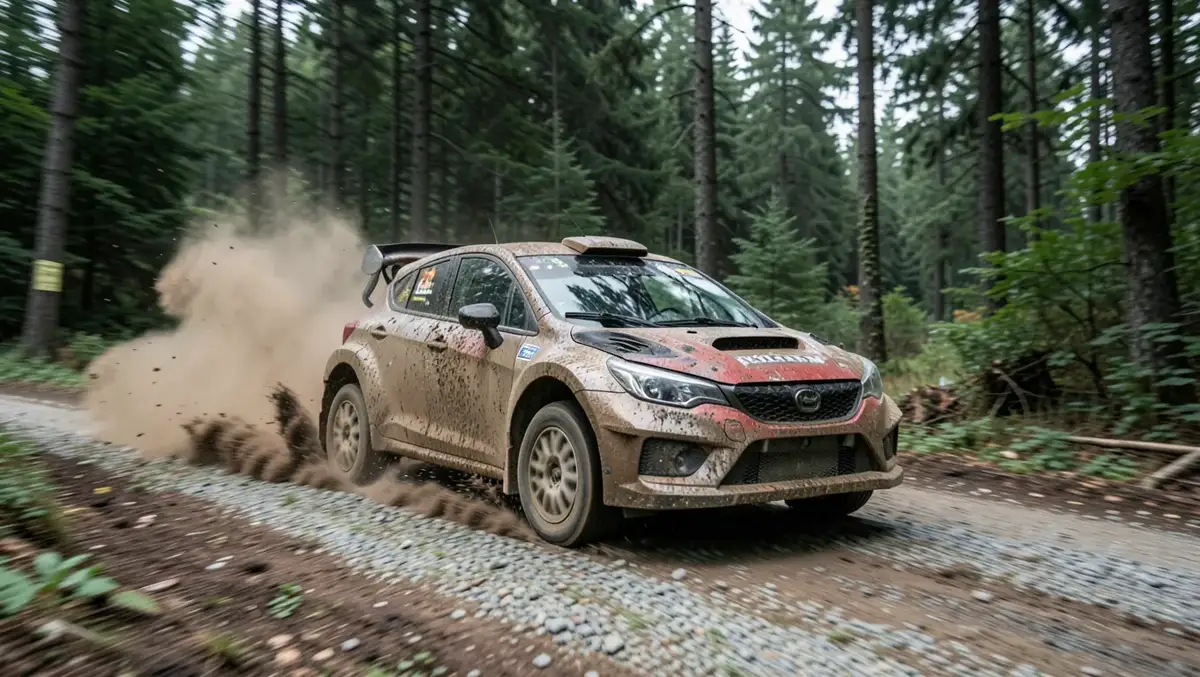
Rally car prices span an enormous range: a grassroots stage-rally car can cost as little as $4,000-$7,000, while a top-level privateer Rally2 car runs $210,000-$345,000, and a factory WRC Rally1 car (all-wheel drive, like the rest of the top classes) isn’t sold to the public at all. What you pay depends almost entirely on which competition class you’re building or buying for, not just the make and model. Here’s how the real cost breaks down by class, plus what actually eats your budget once you’re racing.
Rally Car Cost by Competition Class
The single biggest driver of a rally car’s price is what class it’s built to compete in – not the badge on the hood. A modified road car built for a local club event and a factory-backed World Rally Championship car are both “rally cars,” but they’re separated by roughly two orders of magnitude in cost.
| Class | Typical Cost | What It Is |
|---|---|---|
| Grassroots / club stage rally | $4,000 – $25,000 | A road car with a roll cage, harness, and basic safety kit – entry-level national/regional events |
| National (Rally4 / Rally3) | $80,000 – $150,000 | Purpose-built or heavily modified cars for serious national-level competition |
| Rally2 (top privateer class) | $210,000 – $345,000 | Cost-capped by the FIA (around €200,000-€320,000); this is what most “customer” WRC-adjacent cars actually are |
| WRC Rally1 (factory hybrid) | $1,000,000+ | Not sold to privateers – run exclusively by factory manufacturer teams |
That $4,000-$7,000 grassroots figure is worth pausing on, since most cost guides skip straight to six-figure privateer cars and make the sport sound unreachable. A road car you already own, plus a roll cage, harness, fire extinguisher, and the basic safety inspection most club-level sanctioning bodies require, is genuinely enough to get on a stage at the entry level.
New vs. Used, and What Brand Actually Changes
Within the same class, a used car is typically 50-70% cheaper than a new build, since most of its value has already depreciated out of the chassis and running gear – you’re mainly paying for what’s actually left in the car and how many stage-hours are on it. Brand matters less than class, but well-known rally marques like Subaru, Mitsubishi, and Ford command a premium for parts availability and resale, even when a lesser-known chassis in the same class performs comparably.
The Running Costs That Actually Break Most Budgets
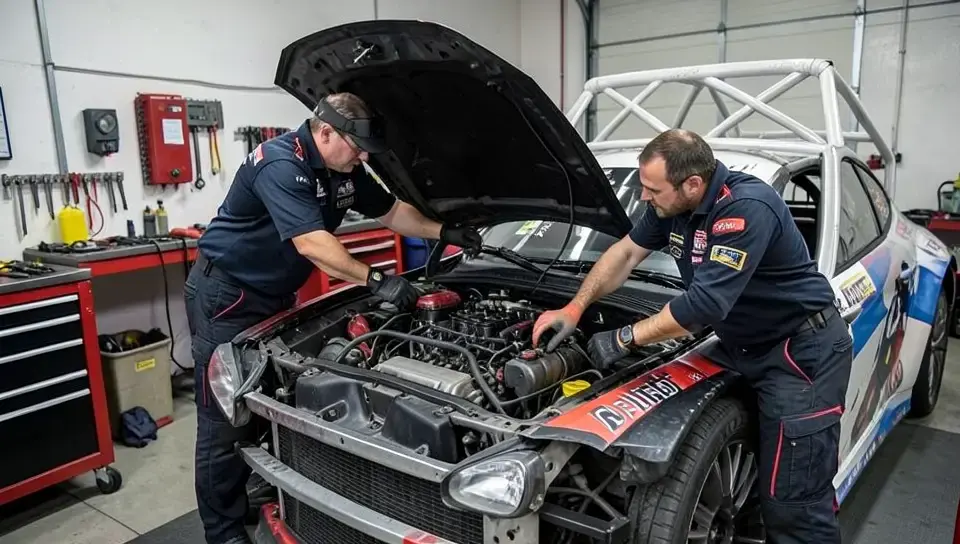
The purchase price is only the entry fee. A typical amateur rally season – tires, fuel, spare parts, entry fees, and travel – runs roughly €10,000-€20,000 ($11,000-$22,000) on top of whatever the car itself cost. Entry fees alone run $200-$400 for a small local event and $600-$1,000 for a larger national one, and that’s before accounting for the accident and mechanical repairs that are simply part of the sport – rally cars are driven at the edge on unpredictable surfaces, and bodywork, suspension, and transmission repairs are a routine, not occasional, cost.
- Tires – gravel and tarmac compounds wear fast and get replaced often across a season
- Insurance – standard road insurance doesn’t cover competitive rallying; you need dedicated motorsport/race insurance
- Licensing – a competition license from your national sanctioning body, usually requiring a course or test
- Crash and mechanical repairs – budget for these every season, not just after a bad event
Renting Instead of Buying
If you’re not ready to commit six figures – or even five – to a car you’ll only run a handful of events a year, renting a rally-prepped car for specific events is a real alternative many teams and rental outfits offer. It typically bundles the car, basic maintenance, and support crew into a single per-event cost, which is a lower-risk way to try the sport before buying.
Frequently Asked Questions
How Much Does a Rally Car Cost?
It depends heavily on the class: a grassroots stage-rally car can start around $4,000-$7,000, national-level cars run $80,000-$150,000, and a top privateer Rally2 car costs $210,000-$345,000. Factory WRC Rally1 cars aren’t sold to the public at all.
Is It Possible to Buy a Rally Car?
Yes. Rally2-spec cars are sold new to privateer teams by manufacturers, and a large used market exists across every class through dealers, teams, and private sellers. Factory WRC Rally1 cars are the one exception – those stay exclusively with manufacturer teams.
How Much Does It Cost to Run a Rally Car for a Season?
Beyond the car itself, a typical amateur season runs roughly €10,000-€20,000 ($11,000-$22,000) for tires, fuel, spare parts, entry fees, and travel – and that’s before factoring in the crash and mechanical repairs that are a routine part of the sport.
Can I Rent a Rally Car Instead of Buying One?
Yes, several teams and rental outfits offer rally-prepped cars for individual events, typically bundled with maintenance and support crew. It’s a common, lower-cost way to try the sport before committing to a purchase.
Conclusion
A rally car’s price is set far more by its competition class than its badge – from a $4,000 grassroots build to a $300,000+ privateer Rally2 car. Whatever class you’re aiming for, budget for the running costs and repairs on top of the purchase price; they’re what actually determines whether a season is affordable, not the sticker price of the car itself.
Products related to this article
Sponsored / affiliate links. As an Amazon Associate I earn from qualifying purchases. I may earn additional commission from eligible campaigns.