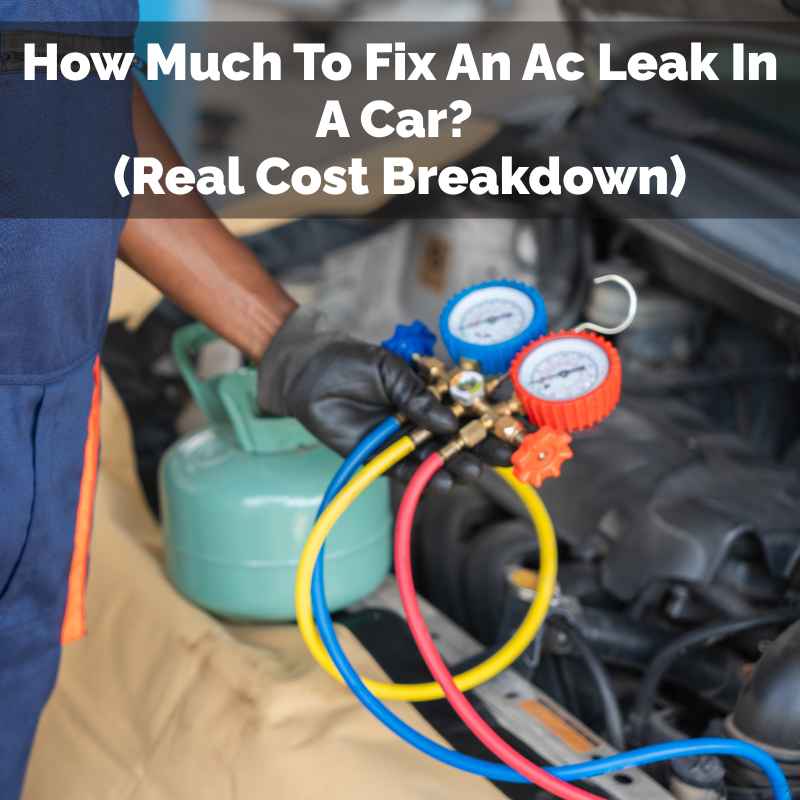
How Much To Fix An Ac Leak In A Car? (Real Cost Breakdown)
Finding a leak in your car’s air conditioning system can be a real headache, especially when you start thinking about the cost to fix it. You want cool air, but you also don’t want a surprise bill that empties your wallet. This guide will walk you through why AC leaks happen, what repairs involve, and give you a clear picture of the actual costs.
Fixing a car AC leak typically costs between $150 to $1,000. The price depends on what part is leaking, how much refrigerant is lost, and where you get the repair done. Simple fixes like recharging the system might be on the lower end, while replacing major components like the compressor or condenser will cost more.
Understanding AC Leaks in Cars
Your car’s air conditioning system is a bit like a closed loop. It uses a special gas, called refrigerant, to cool the air inside your car. This refrigerant moves around in a cycle, changing from a liquid to a gas and back again.
A leak means this refrigerant is escaping. When that happens, the system can’t cool the air properly anymore. You might notice the AC blowing warm air.
Sometimes, you might even see a oily substance around a part of the AC system. This oily substance is often mixed with the refrigerant.
It’s crucial to fix AC leaks. Refrigerant is not good for the environment. Also, running the AC system with low refrigerant can damage other parts.
This can lead to much bigger and more expensive repairs down the road. Think of it like not having enough oil in your car’s engine; it will eventually cause serious problems.

Why Do AC Leaks Happen?
Many things can cause your car’s AC system to develop a leak. Over time, parts can wear out. Rubber hoses can crack or become brittle.
Metal parts can corrode or get damaged.
Sometimes, small rocks or road debris can hit AC components and cause a puncture. Even vibrations from driving can loosen connections over time. If a part wasn’t installed correctly during a previous repair, that could also lead to a leak.
The most common places for leaks are the rubber hoses, the O-rings (small rubber seals), the AC condenser, and the evaporator. The compressor is another part that can sometimes leak. Each of these parts has a job in the cooling cycle.
A leaky hose is often due to age and exposure to heat and cold. O-rings can dry out and crack. The condenser sits at the front of your car, making it a target for debris.
The evaporator is inside your car’s dashboard, and leaks there can sometimes be harder to spot and fix.
The Repair Process: What to Expect
When you take your car in for an AC leak, the mechanic will first need to find exactly where the leak is. This is a very important step. They can’t just add more refrigerant, because it will just leak out again.
Mechanics use a few methods to find leaks. They might add a special dye to the system. This dye glows under a black light.
Then, they can look for the glowing spots where the dye is escaping. Another method is to use an electronic leak detector. This device “sniffs” out the refrigerant gas.
Once the leak is found, the repair itself can begin. This usually involves replacing the damaged part. For example, if a hose is leaking, they will replace that hose.
If an O-ring is bad, they will replace the O-ring.
After the faulty part is replaced, the mechanic will then vacuum out the old refrigerant and any moisture from the system. This is called a vacuum test. It helps ensure the system is sealed.
Then, they will add the correct amount of new refrigerant. They will also add special AC oil, which lubricates the system.
Real-World Costs: A Breakdown
The cost to fix an AC leak can vary a lot. It really depends on what needs to be fixed. Here’s a look at typical costs for common repairs:
AC Leak Repair Cost Factors
What affects the price:
- Location of the Leak: Some parts are harder to reach.
- Type of Part: Different parts have different prices.
- Labor Rates: Shops charge different amounts per hour.
- Refrigerant Type: Some refrigerants cost more.
- Diagnosis Time: Finding the leak takes time and skill.
Let’s break down some common repairs and their average costs in the U.S. Keep in mind these are estimates. Your actual cost might be a little higher or lower.
1. Refrigerant Recharge (Top-Off)
Sometimes, a very small leak might only mean a little bit of refrigerant is lost. In these cases, a simple recharge might be all that’s needed. However, this is usually a temporary fix if there’s a real leak.
A proper repair means finding and fixing the leak first.
Cost: $100 – $250
This price usually includes the cost of the refrigerant and about an hour of labor. It’s a good idea to ask your mechanic if they are just topping it off or if they’ve found and fixed a leak.
2. Replacing a Leaky Hose or O-Ring
Hoses and O-rings are common culprits for AC leaks. They are made of rubber and can degrade over time. Replacing a hose or a few O-rings is usually a straightforward repair.
Cost: $150 – $400
The cost here includes the price of the new hose or O-rings, plus labor. Labor can be a big part of this cost, especially if the hose is in a hard-to-reach spot. For example, some hoses run along the engine or under the car.
Quick Scan: Common AC Leak Fixes
Parts & Average Cost Range
| Part Replaced | Estimated Cost |
|---|---|
| Hose/O-Ring | $150 – $400 |
| Condenser | $400 – $1,000+ |
| Evaporator | $600 – $1,500+ |
| Compressor | $700 – $2,000+ |
3. Replacing the AC Condenser
The condenser is like a radiator for your AC system. It’s usually located in front of your car’s main radiator. Because of its location, it’s prone to damage from road debris.
If the condenser is leaking, it needs to be replaced.
Cost: $400 – $1,000+
The price of the condenser itself can range from $100 to $400. The rest of the cost is for labor, which can be significant. The mechanic needs to safely remove the old one and install the new one.
They also need to recover the old refrigerant and recharge the system.
4. Replacing the AC Evaporator
The evaporator is a key part that cools the air. It’s located inside your car’s dashboard. Leaks here can be trickier and more expensive to fix because of the labor involved in getting to it.
Cost: $600 – $1,500+
This is a job that often takes many hours of labor. The mechanic has to take apart a good portion of your car’s dashboard. This is why the cost can be so high.
The part itself might not be the most expensive, but the time to install it is.
5. Replacing the AC Compressor
The compressor is the heart of your AC system. It pumps the refrigerant. If the compressor is leaking, or if it has failed because of the leak, it’s a major repair.
Sometimes, if refrigerant has leaked out completely, the compressor can be damaged from running dry.
Cost: $700 – $2,000+
Compressors are expensive parts, often costing $300 to $800 or more. Then you have the labor cost to install it. Often, when a compressor fails or leaks, other parts of the system should be inspected or replaced too, like the receiver/drier or expansion valve.
This can increase the total cost.
Myth vs. Reality: AC Leaks
Myth: I can just add more refrigerant, and it will be fine.
Reality: Adding refrigerant without fixing the leak is a temporary fix. It’s also bad for the environment. A real fix means repairing the source of the leak.
Myth: My AC still blows cold, so there’s no leak.
Reality: You might have a very slow leak. The system might still have enough refrigerant to cool. But it will eventually get worse, and could damage other parts.
Factors That Influence Pricing
Beyond the specific part that needs replacing, other things affect the final bill. It’s good to be aware of these when you get a quote.
Labor Costs
Labor rates vary widely. Mechanics in big cities or at dealerships often charge more per hour than independent shops in smaller towns. The complexity of the repair also affects how many hours the mechanic bills you for.
Part Quality
You often have a choice between OEM (Original Equipment Manufacturer) parts and aftermarket parts. OEM parts are made by your car’s manufacturer and are usually more expensive. Aftermarket parts are made by other companies.
They can be cheaper, but their quality can vary.
Ask your mechanic what kind of parts they use. Sometimes, a slightly more expensive, higher-quality part can save you money in the long run by lasting longer.
Refrigerant Type
Older cars might use R-12 refrigerant, which is no longer used. Most modern cars use R-134a or R-1234yf. R-1234yf is a newer type that is more expensive than R-134a.
The cost of the refrigerant itself can add to the bill.
Diagnostic Fees
Finding the leak is often the hardest part. Mechanics need special tools and expertise. Most shops charge a diagnostic fee to figure out what’s wrong.
This fee is usually separate from the repair cost, but sometimes it’s applied towards the repair if you go ahead with it.
Spotlight: Finding the Leak
Why Diagnosis Matters
Skill & Tools: Mechanics use UV dye, electronic sniffers, and nitrogen pressure tests. This helps pinpoint even tiny leaks accurately.
Preventing Wrong Repairs: A good diagnosis stops you from paying for a repair that doesn’t fix the actual problem.
Time Investment: Finding a leak can take 1-2 hours of skilled labor.
Can I Fix an AC Leak Myself?
For most car owners, fixing an AC leak yourself is not recommended. The AC system works under high pressure. Refrigerant can be dangerous if handled improperly.
It can also cause frostbite or eye damage.
Also, the tools needed to properly diagnose and recharge an AC system are specialized and expensive. You need equipment to recover refrigerant safely, vacuum the system, and charge it with the exact amount of refrigerant and oil.
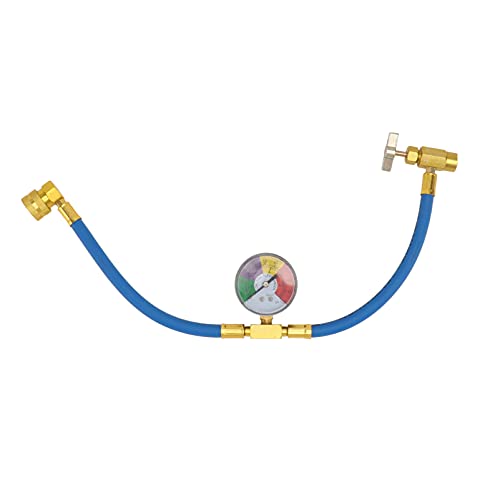
While you can buy DIY recharge kits at auto parts stores, these are usually for very minor leaks or just topping off. They don’t involve finding or fixing the actual leak. Using these kits without understanding the system can sometimes cause more harm than good.
A certified mechanic has the knowledge, tools, and safety equipment to do the job right. They can also ensure the system is properly sealed and charged, which is vital for its longevity.
When to Worry About an AC Leak
You know something is wrong when your AC starts blowing warm air. But there are other signs to watch for. These can indicate an AC leak or other problems with the system.
- Weak Cooling: The AC doesn’t cool as well as it used to.
- Strange Noises: You hear hissing, buzzing, or clicking sounds from the AC vents or under the hood when the AC is on.
- Musty Odors: A musty smell might mean there’s moisture trapped in the system, which can happen with leaks.
- Visible Oil Spots: As mentioned, you might see oily residue around AC components.
- AC Clutch Not Engaging: The front pulley on the AC compressor won’t spin when you turn on the AC. This often happens when the system pressure is too low due to a leak.
If you notice any of these signs, it’s best to get your AC system checked by a professional. Addressing a leak early can prevent more costly damage later on.
Observational Flow: What Happens After a Leak
Step 1: Notice Poor Cooling
AC isn’t as cold as usual, or blows warm air.
Step 2: Seek Diagnosis
Take your car to a mechanic for leak detection (dye, sniffer).
Step 3: Identify the Faulty Part
Mechanic locates the hose, condenser, or other part that’s leaking.
Step 4: Part Replacement
Damaged part is removed and new one is installed.
Step 5: System Evacuation & Recharge
Old refrigerant and moisture are removed, then new refrigerant and oil are added.
Step 6: System Test
Mechanic checks for proper cooling and ensures no new leaks.
Getting the Best Value for Your Repair
When it’s time to fix your car’s AC leak, you want to be sure you’re getting a fair price and quality work. Here are some tips:
- Get Multiple Quotes: Don’t just go with the first shop you find. Get estimates from a couple of different mechanics, especially for larger repairs.
- Ask About the Warranty: Most reputable shops offer a warranty on parts and labor. Understand what the warranty covers and for how long.
- Check Reviews: Look for online reviews of auto repair shops in your area. See what other customers say about their experience.
- Ask Questions: Don’t be afraid to ask the mechanic to explain what’s wrong, what needs to be done, and why. A good mechanic will be happy to explain.
- Consider Your Car’s Age: For older cars, weigh the cost of a major AC repair against the car’s overall value. Sometimes, it might make more sense to invest that money elsewhere.
Remember, a well-functioning AC system is important for comfort, especially during hot summer months. But it also plays a role in dehumidifying the air, which can help prevent mold and mildew buildup inside your car. So, investing in a proper repair is usually worthwhile.

Frequent Questions About Car AC Leaks
How long does it take to fix a car AC leak?
The time it takes depends on the leak’s location and complexity. A simple hose replacement might take 1-3 hours. Replacing an evaporator or compressor can take half a day or more, as it involves significant labor to access the part.
Is it okay to drive my car with an AC leak?
It’s generally okay to drive short distances with a minor AC leak, but it’s not recommended for long periods. Continued operation with low refrigerant can damage the compressor, leading to much more expensive repairs. It’s also bad for the environment.
What is the cheapest way to fix an AC leak?
The cheapest fix is usually replacing a small, easily accessible part like an O-ring or a short hose. However, the “cheapest” option might not be the most durable. Always prioritize fixing the source of the leak over a quick recharge.
How often should my car’s AC system be checked?
It’s a good idea to have your AC system checked annually, especially before the hot season. Regular checks can catch small issues, like slow leaks, before they become major problems and lead to costly repairs.
Can a bad AC leak damage my car’s engine?
A direct AC leak itself doesn’t usually damage the engine. However, a severely low refrigerant level can cause the AC compressor to run without lubrication, leading to compressor failure. If the compressor seizes, it can cause other belts to break, potentially affecting engine function.
What kind of refrigerant does my car use?
Most cars made after 1994 use R-134a refrigerant. Newer cars, typically from 2017 onwards, are starting to use R-1234yf. The best way to know for sure is to check the sticker under your hood, consult your car’s manual, or ask a mechanic.
Final Thoughts on AC Leak Repairs
Dealing with a car AC leak can seem daunting due to the potential costs. But by understanding what causes leaks, what the repairs involve, and where the money goes, you can approach the situation with more confidence. Always aim for a proper diagnosis and repair to ensure your AC system works reliably and safely for years to come.
Products related to this article
Sponsored / affiliate links. As an Amazon Associate I earn from qualifying purchases. I may earn additional commission from eligible campaigns.