Do Car Seats Fit In Shopping Carts? What Parents Must Know
It’s a common sight, isn’t it? A parent wrestling with a grocery cart, a baby in a car seat perched precariously on top. You’ve probably seen it.
Maybe you’ve even done it yourself. That feeling of needing to get things done, while also keeping your precious cargo safe. It’s a tough balance.
This article will clear up all the confusion about car seats and shopping carts. We’ll look at safety rules. We’ll talk about what experts say.
And we’ll share practical tips. You’ll learn how to shop smarter and safer.
The general advice from safety experts is clear: car seats are designed to fit in a vehicle, not on top of a shopping cart. This practice is not recommended due to significant safety risks.
Why Putting a Car Seat on a Shopping Cart is Risky
Let’s dive into why this common practice can be so dangerous. Shopping carts are not built like car seats. They weren’t designed with infant safety as a top priority.
Think about it. The basket of a shopping cart is wide and often uneven. It’s not a snug, secure fit for a car seat.
This means the car seat can easily tip or slide off. Even a small bump can cause a big problem. This is especially true for newer, lighter car seats.
They are designed to be portable, but that can make them less stable on a cart.
Many parents try to wedge the car seat into the child seat area of the cart. This area is usually meant for an older child. It’s not a flat, stable surface.
The car seat can tilt at an angle. This can affect how well the harness straps protect your baby. If the car seat isn’t perfectly level, it’s not doing its job.
It’s designed to work best when it’s upright and secured. A tilted position compromises its safety features. This is a critical point that many people miss.
There’s also the issue of the cart itself. Shopping carts are tall. They have a high center of gravity.
They can be wobbly. Kids love to climb on them or lean out. If a child is in the main basket area, they could fall out.
If the car seat is on top, it adds even more weight to the top. This makes the whole cart even more likely to tip over. A falling cart can cause serious harm to both the baby in the car seat and the parent pushing it.
It’s a cascade of risks.
My Own Grocery Store Scare
I remember one Saturday afternoon. It was packed at the grocery store. My daughter, Lily, was only about six months old.
I had her infant car seat with me. I needed just a few things. Usually, I’d strap the car seat into the main cart basket.
But this time, I tried putting it in the child seat part. I thought it would be easier. I was so wrong.
I was reaching for a box of cereal on a high shelf. My elbow brushed the car seat. It wobbled.
Then it started to slide. My heart leaped into my throat. I lunged, catching it just as it began to tip forward.
Lily was safe, but I was shaking. The car seat dangled precariously for a second. That moment of panic was a stark reminder.
This wasn’t worth the risk. I quickly took the car seat out and put it in the main basket. It felt much more secure.
That day taught me a valuable lesson about prioritizing safety over convenience.
Common Car Seat Placement Mistakes
Mistake 1: On Top of the Shopping Cart Basket
Why it’s bad: The basket is not designed to hold a car seat. It’s unstable and can tip easily.
Mistake 2: In the Child Seat Area
Why it’s bad: This area is not flat or secure. It can tilt the car seat, making it unsafe.
Mistake 3: Not Buckled In
Why it’s bad: Even if placed “safely,” if the seat isn’t secured, it can become a projectile.
Understanding Shopping Cart Design
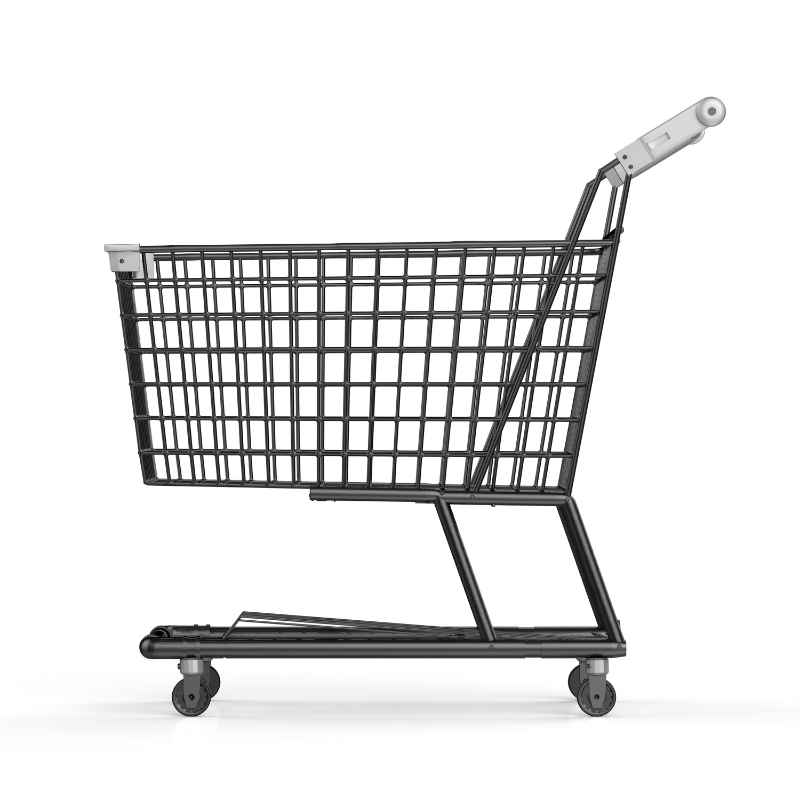
Let’s talk about how shopping carts are made. They are built for carrying groceries. They have a metal frame.
They have wheels. Most have a larger basket. Some have a smaller seat area for a child.
This seat area is usually a flat surface. It has straps. But it’s meant for a child to sit in, not for a car seat to rest on.
Think of it like trying to balance a dinner plate on a bowl. It might fit, but it’s not stable. The surfaces don’t match well.
The weight distribution of a shopping cart is also important. When empty, they are a bit tippy. When full of groceries, they are more stable.
Adding a car seat to the top can change this balance. It puts extra weight high up. This makes the cart easier to tip.
It’s like putting a heavy backpack on a tall, skinny person. They might lean over more easily.
Most carts are made of metal. They can be a bit rough. The surfaces where a car seat might sit are often plastic or metal.
They can be slippery. Car seats have plastic bases. They don’t grip these surfaces well.
This adds to the risk of sliding. Even with anti-slip pads, it’s still not a foolproof solution. The cart’s design is the main issue.
What Safety Organizations Advise
Now, let’s look at what the experts say. Organizations like the American Academy of Pediatrics (AAP) and the National Highway Traffic Safety Administration (NHTSA) have clear guidelines. They don’t recommend putting car seats on shopping carts.
Their main focus is car seat safety in a car. But they also advise on safe practices outside the car.
These groups emphasize that car seats are tested for crash scenarios. They are designed to work with a vehicle’s seat belt or LATCH system. They are not tested for stability on a shopping cart.
This means their safety performance is unknown in that situation. It’s a bit like wearing a helmet for swimming. It’s not designed for that purpose.
They suggest using the main basket of the cart. But even this has risks. They say to place the car seat in the larger part of the cart, facing forward.
This way, the seat sits lower and is more stable. It’s still not ideal, but it’s better than the child seat area or on top. Always ensure the car seat is securely placed.
It shouldn’t wobble. It shouldn’t be able to tip easily.
Safety Expert Tips for Shopping with Baby
- Always supervise: Keep a close eye on your child and the cart.
- Secure the seat: Place the car seat in the main cart basket.
- Check stability: Ensure the seat is snug and won’t tip.
- Avoid distractions: Stay focused on your child and the cart.
- Use a stroller if possible: Many stores have stroller rentals or allow baby strollers.
My Experience with Different Cart Types
I’ve used many different shopping carts over the years. Some are newer and smoother. Others are older and a bit wobbly.
I’ve noticed that the infant car seat fits best in the main basket of the larger carts. These baskets are wider and deeper. This gives the seat a more solid base.
I’ve found that putting it in sideways or front-to-back matters too. I try to position it so it’s as flat as possible. I also make sure it’s not sticking out too far.
I don’t want it to hit displays.
The smaller child seats on carts are the trickiest. Some are oddly shaped. They might have raised edges that don’t support the car seat well.
Others are too shallow. I’ve learned to look at the cart before I put the car seat on it. If it looks unstable, I find a different cart.
Sometimes this means waiting a minute for a better one. It’s a small effort for peace of mind. I’ve also seen parents use those little plastic clips to try and secure the car seat.
While creative, these aren’t safety-tested solutions. They could break or come loose.
What really struck me was how the weight of groceries affected things. When the basket was full, the cart was more stable. This gave me a bit more confidence.
But even then, I’d give the car seat a little nudge to check its security. It’s all about being mindful of the physics involved. A heavy, high object on a mobile platform can be dangerous.
The Main Cart Basket: A Better, But Not Perfect, Option
So, if not the child seat area, then where? The main basket is the next best place. It’s the largest part of the cart.
It’s usually the deepest. This means a car seat can sit more snugly. Think of it as a wide, flat surface.
It’s the closest thing to the car’s seat you’ll get in a store.
When placing the car seat in the main basket, try to make it face forward. This usually means the handle is up, and the baby’s feet are pointing towards the front of the cart. This position tends to be the most stable.
It keeps the weight centered. It also makes it easier to access the harness straps if you need to adjust them. You can also use some of the lighter grocery items to help brace the car seat.
But be careful not to block the harness. The harness needs to be snug on your baby.
Even in the main basket, you need to check for stability. Give the car seat a gentle push. Does it rock back and forth?
Does it tilt forward or sideways? If it moves easily, it’s not secure. You might need to try a different cart.
Or you might need to adjust how you’ve placed it. Sometimes, shifting the position slightly makes a big difference. It’s about finding that sweet spot where it feels solid.
Remember, this is still a compromise. The main basket isn’t designed to hold a car seat. It’s designed to hold groceries.
So, vigilance is key. Never leave the cart unattended. Never let your child climb out of the car seat while it’s in the cart.
These simple rules are crucial for preventing accidents.
Infant Seat Placement on Shopping Carts
Best Practice (Main Basket)
- Position: Place the car seat in the large cart basket.
- Orientation: Often, facing forward is most stable.
- Fit: Ensure it sits flat and does not rock.
- Bracing: Use light groceries to help secure it if needed.
Not Recommended (Child Seat Area)
- Why it’s bad: Uneven surface, risk of tipping, compromises harness fit.
Not Recommended (On Top of Handle/Frame)
- Why it’s bad: Extremely unstable, high risk of falling.
Alternatives to Shopping Cart Car Seat Placement
Let’s think about other ways to make shopping with your baby easier and safer. What if you didn’t have to worry about the car seat at all? Many parents find that a stroller is a better option.
Most baby car seats can snap into a compatible stroller. This creates a travel system. It’s designed for this exact purpose.
The car seat clicks into the stroller frame. It’s secure and stable.
Some grocery stores offer stroller rentals. These are usually sturdy and practical for navigating aisles. Even if you don’t have a travel system stroller, a regular stroller works well.
You can place your baby in the stroller seat, properly buckled in. The stroller is designed to be stable and easy to maneuver.
Another idea is to do your shopping online. Many stores offer curbside pickup or delivery. This means you can get your groceries without ever going into the store.
You can put your baby down safely at home. You can then pick up your order or have it brought to your door. This is becoming increasingly popular for busy parents.
It saves time and reduces stress. It completely eliminates the shopping cart problem.
If you must go into the store, consider a baby carrier or sling. You can wear your baby in a carrier. This keeps them close and secure.
Then you can use the shopping cart basket for your groceries. This frees up the cart. It also keeps your baby in a familiar, safe position.
Some babies feel very secure when worn. It’s a hands-free solution for parents.
My Go-To Strategy for Errands
When my son, Leo, was a baby, I had a routine. I used a car seat that clicked into my stroller. This was a game-changer.
Going to the grocery store became much less stressful. I’d transfer him from the car into the stroller with the car seat. Then I could easily load groceries into the cart’s basket.
The car seat stayed securely attached to the stroller. The stroller was much more stable than a shopping cart.
For shorter trips, like the pharmacy or a quick stop at the post office, I sometimes used a baby carrier. It’s a soft-structured carrier. Leo would be snug against my chest.
I felt like he was very safe. I could still manage a small basket or use the cart’s child seat area for my purse. It worked well for places where I didn’t need a full cart of groceries.
The key was knowing my options and choosing the best one for the situation. It’s about being prepared and having a plan before you even leave the house.
Smart Alternatives to Shopping Cart Car Seat Use
- Travel System Stroller: Car seat clicks securely into the stroller.
- Baby Carrier/Sling: Wear your baby, freeing up the cart.
- Online Shopping: Order groceries for pickup or delivery.
- Store Provided Strollers: Some stores have dedicated baby strollers.
When is a Little Wobble Okay?
It’s important to understand what “secure” means. No car seat will be perfectly immobile. There will be a little give.
But that give should be minimal. When you check the car seat in the cart, it should feel solid. It shouldn’t sway more than an inch or two in any direction.
If it feels loose, or if it shifts easily, it’s not secure enough. This is true whether it’s in the cart or in your car.
Think about the harness straps too. They need to be snug. You shouldn’t be able to pinch any slack in the webbing.
If the straps are loose, the baby could be ejected from the seat even in a minor fall. This applies whether it’s a shopping cart fall or a car crash. The fit of the harness is paramount.
It needs to be adjusted correctly for your baby’s size.
The angle of the car seat also matters. Car seats are designed to be at a specific recline angle when in use. If the shopping cart forces the car seat to be too upright or too tilted, it’s not safe.
This can happen when the seat area of the cart is uneven or not flat. The child seat area is the worst offender here. It’s often angled already, and then you add the car seat’s base on top.
This creates a precarious situation.
The overall stability of the cart is also something to consider. If the cart has wonky wheels, or if it feels generally unsteady, it’s a red flag. Pushing a cart with a wobbly wheel and a car seat on top is a recipe for disaster.
You need a smooth ride. You need a stable cart. You need a secure seat.
All these factors must line up.
Real-World Scenarios and What They Mean
Let’s paint a picture. You’re at the farmer’s market. It’s crowded.
You have your infant car seat. There are no shopping carts. You see a few parents using strollers.
Others are wearing their babies. Some have their car seats balanced on top of their regular grocery bags in a basket. This last option looks risky.
The bags can shift. The car seat can slide.
Another scenario: you’re at a big box store. They have heavy-duty carts. You put your car seat in the main basket.
It fits well. You start loading groceries. As you add weight, the cart gets heavier and more stable.
You notice your car seat is now very snug. It doesn’t budge. This is a good sign.
You can shop with more confidence. But you still need to keep an eye on your baby and the cart.
Consider a small boutique or hardware store. They might only have small hand baskets. A car seat won’t fit here.
This is where a baby carrier or leaving the baby with another adult is the only safe option. It’s about assessing the environment. What are the tools available?
What are the risks specific to this location?
The design of your specific car seat also plays a role. Some infant seats have wider bases. Some are lighter.
Some have grippier materials on the bottom. These variations can affect how well they sit on different surfaces. Always check your car seat manual for specific instructions.
It might offer guidance on what surfaces are safe for transport. Though it won’t cover shopping carts, it’s good to be familiar with its design.
When to Be Extra Cautious
There are times when you need to be extra vigilant. Cold weather means bulkier baby clothes. This can make it harder to get a snug fit with the harness.
It can also make the baby heavier and bulkier in the car seat. This adds to the instability on a cart. Always make sure the harness is still snug over the thicker clothing.
Don’t put puffy coats on under the harness.
If you are shopping with more than one child, things get more complicated. You might need a cart that can hold both children plus groceries. This is where a double stroller or a cart with a large basket becomes essential.
Trying to manage a car seat, a toddler, and groceries is a lot. Safety can easily be compromised. Always prioritize the youngest child’s safety.
If you have a preterm baby or a baby with special medical needs, they might require a specific car seat setup. These babies might be more vulnerable to jolts or awkward positions. It’s vital to follow any medical advice strictly.
For them, any deviation from a perfectly secure setup is a bigger risk. Talk to your pediatrician if you have concerns.
Finally, if you are tired or rushed, slow down. Fatigue is a major factor in accidents. If you’re feeling overwhelmed, take a deep breath.
It might be better to postpone your errands if possible. A few extra minutes checking the car seat’s security can prevent a lifetime of regret. There’s no shame in admitting you need to take a break.
Quick Tips for Safer Errands
Here’s a quick rundown of how to make your shopping trips safer:
- Check the Cart First: Before you put anything on it, check the cart’s stability.
- Main Basket is Key: If using the cart, place the car seat in the main basket.
- Seat Snugness Check: Give the car seat a gentle push. It shouldn’t wobble much.
- Harness Check: Ensure the baby’s harness is snug and properly adjusted.
- Avoid Distractions: Put your phone away. Focus on your child and the cart.
- Consider Alternatives: Strollers, carriers, or online shopping are often safer.
- Don’t Rush: Take your time. Safety is more important than speed.
Frequent Questions About Car Seats and Carts
Can I put my baby’s infant car seat in the child seat part of a shopping cart?
No, this is not recommended. The child seat area of a shopping cart is not designed to be a stable base for a car seat. It can lead to tipping and an insecure fit, which compromises safety.
Is it safe to put the car seat on top of the shopping cart handle?
Absolutely not. This is extremely dangerous. The handle is not designed to support weight, and the car seat can easily fall off, posing a severe risk to your baby.
What is the safest way to put a car seat in a shopping cart?
The safest option, if you must use a shopping cart, is to place the infant car seat in the main, large basket of the cart. Ensure it sits as flat and snugly as possible and does not wobble significantly.
What if my car seat seems a bit loose in the main basket?
If the car seat feels loose, try to adjust its position in the basket. You can also use lighter grocery items to help brace it, but never block the harness. If it remains unstable, consider using an alternative like a stroller or carrier.
Can I use a stroller and a shopping cart at the same time?
Yes, this is a common and safe practice. You can place your car seat in the stroller, then use the shopping cart basket for your groceries. This keeps your baby secure in a stable system.
When can my baby sit directly in the shopping cart seat?
Babies can typically sit in the child seat area of a shopping cart once they can sit up unassisted. This is usually around 6 to 12 months of age. Always use the cart’s safety straps and supervise them closely.
Final Thoughts on Smart Shopping
Navigating the world with a baby means constant adjustments. Safety is always the top priority. While the idea of placing a car seat on a shopping cart might seem convenient, the risks are simply too high.
By understanding why it’s unsafe and by choosing safer alternatives like strollers or carriers, you can shop with peace of mind. Always think about stability, security, and your baby’s well-being. Your effort to shop smart is the best way to protect your little one.
Products related to this article
Sponsored / affiliate links. As an Amazon Associate I earn from qualifying purchases. I may earn additional commission from eligible campaigns.