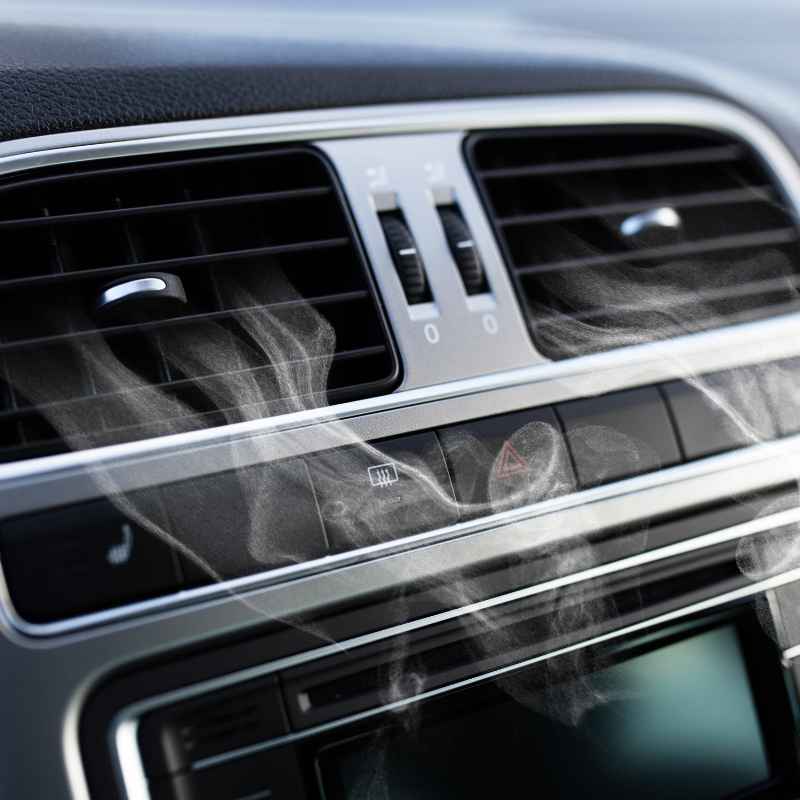
Car A/C System Diagram: Every Part Simply Explained
A car A/C system diagram shows how parts like the compressor, condenser, and evaporator work together. These parts cool your car’s cabin by moving heat from inside to outside. Understanding these components helps identify why your A/C might not be working properly.
What is a Car Air Conditioning System?
A car’s A/C is like a small refrigerator for your car. It cools the air inside your car. This makes driving more comfortable.
It removes heat and moisture from the air. The system uses a special fluid called refrigerant. This fluid changes from a gas to a liquid and back again.
This change allows it to absorb and release heat. Think of it like a tiny, closed-loop system. It’s constantly moving heat around.
It takes heat from inside your car. Then, it pushes that heat out into the warmer outside air. This process cools the air that blows into your car’s cabin.

How Does a Car A/C System Work?
The system has several key parts. They all work together in a cycle. This cycle uses pressure changes.
It also uses the refrigerant’s ability to change state. The goal is always to move heat. It moves heat from the car’s interior to the outside environment.
Let’s trace the journey of the refrigerant. It starts as a low-pressure gas. It flows into the compressor.
The compressor squeezes this gas. This makes it a high-pressure, hot gas. This hot gas then travels to the condenser.
The condenser is usually in front of the car’s radiator. Here, the hot gas releases its heat to the outside air. As it cools, it turns into a high-pressure liquid.
This high-pressure liquid then moves to the expansion valve. The expansion valve acts like a tiny gate. It restricts the flow of the liquid.
This causes a sudden drop in pressure. This pressure drop makes the liquid very cold. It also starts to turn back into a gas.
This cold, low-pressure mixture then enters the evaporator.
The evaporator is inside your car’s dashboard. It’s like a small radiator for the cabin. Your car’s blower fan pushes cabin air across the cold evaporator coils.
The refrigerant inside the coils absorbs heat from the cabin air. This cools the air. The fan then blows this cool air into the car.
The refrigerant, now a warm, low-pressure gas, flows back to the compressor. The cycle starts again.
The Car A/C System Diagram: Key Components
Looking at a car A/C system diagram helps see all the parts. Each part has a vital role. Understanding their jobs makes it easier to grasp how the whole system functions.
It also helps when something goes wrong.
1. The Compressor
Think of the compressor as the heart of the A/C system. It’s usually driven by a belt connected to your car’s engine. Its main job is to compress the refrigerant.
It takes in low-pressure, gaseous refrigerant. It then squeezes it into a high-pressure, hot gas. This is a crucial step.
It raises the temperature and pressure of the refrigerant.
This pressure increase is what allows the refrigerant to release its heat later. Without the compressor doing its work, the refrigerant wouldn’t get hot enough. It wouldn’t be able to transfer heat effectively.
If your compressor fails, your A/C will likely blow warm air. It’s a common reason for A/C failure.
Compressor Checkpoints
What to look for:
- Strange Noises: Grinding or rattling sounds can mean a failing compressor.
- Leaking Oil: Oil leaks around the compressor can indicate seal issues.
- Belt Issues: A loose or damaged belt won’t turn the compressor properly.
2. The Condenser
The condenser is where the hot refrigerant gas gives up its heat. It looks like a thin radiator. It’s usually mounted in front of the engine’s radiator.
Air flows through its fins. This airflow can be from the car moving or from a cooling fan. As air passes over the condenser, it cools the hot refrigerant flowing inside.
This cooling process causes the refrigerant to change from a gas to a liquid. It’s a high-pressure liquid at this point. Imagine a pot of boiling water.
When steam hits a cool surface, it turns back to water. The condenser does something similar. It cools the hot refrigerant gas, turning it into a liquid.
If the condenser is blocked with debris like leaves or bugs, it can’t cool the refrigerant well. This reduces A/C efficiency. It can even cause the system to overheat and shut down.
Keeping the front of your car clean helps this part work best.
Condenser Care
Quick Tips:
- Keep it Clean: Gently rinse debris from the condenser fins.
- Check for Damage: Bent fins can reduce airflow.
- Fan Operation: Ensure the cooling fan for the A/C kicks on.
3. The Receiver-Drier or Accumulator
This part has two main jobs. It stores extra refrigerant. It also acts as a filter.
It removes moisture and debris from the refrigerant. Moisture is a major enemy of the A/C system. It can freeze.
It can also mix with the refrigerant oil. This can create a sludgy mess that damages other parts.
The receiver-drier is typically found after the condenser. The accumulator is usually found after the evaporator. They serve a similar purpose.
They ensure only clean, dry refrigerant circulates. If this part becomes saturated with moisture, it can’t do its job. The system’s performance will suffer.
Think of it like a sponge. Once the sponge is full of water, it can’t absorb any more. Similarly, when the receiver-drier is full of moisture, it can’t remove any more.
This is why it’s a part that sometimes needs replacing. It’s not a part you can see easily. It’s often hidden away in the system.
Receiver-Drier / Accumulator Facts
Important Notes:
- Moisture Trap: It absorbs any water in the system.
- Filter Role: It also catches small particles.
- Replacement: Often replaced when the system is opened for repairs.
4. The Expansion Valve or Orifice Tube
This is a control point. It regulates the flow of refrigerant into the evaporator. It also creates a pressure drop.
The high-pressure liquid refrigerant from the receiver-drier passes through the expansion valve. This valve is very small. It lets only a little bit of liquid through at a time.
As the refrigerant passes through this restriction, its pressure drops suddenly. This pressure drop makes the refrigerant extremely cold. It also starts the process of turning it back into a gas.
This cold, low-pressure mixture is what enters the evaporator. The amount of refrigerant that flows through is controlled by temperature and pressure sensors.
The orifice tube is a simpler version. It’s a fixed-size tube with a screen. It doesn’t have moving parts like an expansion valve.
Both parts serve the same fundamental purpose: to create a cold, low-pressure refrigerant mixture for the evaporator.
Expansion Valve / Orifice Tube Roles
Key Functions:
- Flow Control: Limits how much refrigerant enters the evaporator.
- Pressure Drop: Cools the refrigerant by reducing its pressure.
- Temperature Regulation: Helps maintain the correct temperature in the evaporator.
5. The Evaporator
This is where the magic of cooling happens inside your car. The evaporator is located behind your dashboard. It looks similar to the condenser, with fins.
The cold, low-pressure refrigerant flows through its tubes. The fan in your car’s climate control system blows air across these cold tubes.
As the cabin air passes over the cold evaporator, it transfers its heat to the refrigerant. The refrigerant absorbs this heat. This cools the air.
The refrigerant itself warms up. It turns from a cold liquid/gas mixture back into a low-pressure gas. The cooled air is then pushed into your car’s cabin through the vents.
The evaporator also dehumidifies the air. As the cabin air cools, moisture in the air condenses on the cold evaporator fins. This water drips off.
It’s usually drained out under the car. That’s why you often see a small puddle under your car after running the A/C. This dehumidification makes the air feel even cooler and more comfortable.
Evaporator Insights
What to Know:
- Location: Behind the dashboard, inside the car.
- Cooling Core: Where cabin air is cooled.
- Dehumidifier: Removes moisture from the air.
6. Refrigerant
This is the working fluid of the A/C system. It’s not like engine oil or coolant. It’s a special chemical.
It’s designed to absorb and release heat as it changes between liquid and gas states. Older cars used R-12 refrigerant. Newer cars mostly use R-134a.
Many modern cars are starting to use R-1234yf.
Refrigerant is under pressure. It also cycles through extreme temperature changes. It’s essential that the system is sealed.
Even a small leak can cause the system to lose refrigerant. When the refrigerant level is low, the A/C won’t cool properly. It can also cause damage to the compressor.
Refrigerant is not something you should add yourself without proper knowledge. It requires specific tools and knowledge. Overcharging or undercharging the system can cause problems.
It’s always best to have a qualified technician check and service your refrigerant levels.
7. Hoses and Lines
These are the “pipes” that connect all the components. They carry the refrigerant throughout the system. There are typically high-pressure lines and low-pressure lines.
They are made of durable rubber or metal. They are designed to withstand the pressure and temperature changes.
Over time, these hoses can degrade. They can develop cracks or leaks. This is another common place for refrigerant to escape.
Rubber hoses can become brittle. Metal lines can corrode. Inspecting these lines is part of regular A/C maintenance.
A damaged hose is a direct path for refrigerant loss.
The connections where the hoses meet the components are also critical. These are often sealed with O-rings. These O-rings can also degrade over time.
They are a common source of small leaks. If you see oily residue around hose connections, it might indicate a leak.
Hoses and Lines Insights
Things to Note:
- Connectors: They link all the A/C parts.
- Pressure Types: Carry high and low-pressure refrigerant.
- Wear and Tear: Can crack or corrode over time, causing leaks.
Personal Experience: The Silent Killer of A/C
I was on a road trip a few summers ago. The A/C in my old sedan was usually pretty good. Then, halfway through the trip, it started to struggle.
It was still blowing air, but it wasn’t cold. Just lukewarm. My first thought was low refrigerant.
I’d heard that before.
I pulled over at a rest stop. I popped the hood, looking for anything obvious. I didn’t see any major leaks.
But then I noticed something. The front of my car, where the condenser sits, was covered in a thick layer of dried bugs and road grime. It looked like a shield.
I grabbed some paper towels and a water bottle from my cooler. I carefully tried to wipe away the gunk. It was tough.
The bugs were really caked on. I used the water to help loosen it. Slowly, I managed to clear a good portion of the condenser fins.
It wasn’t perfect, but it was much better.
When I got back in the car and turned the A/C on again, I noticed a difference. It wasn’t instantly ice cold like before. But the air coming out was noticeably cooler.
It was still working! That day, I learned a valuable lesson. Sometimes, the biggest problems are the simplest to fix.
That dirty condenser was preventing the refrigerant from releasing heat. It was like trying to cool down by wearing a thick blanket on a hot day.
The Cycle in Action: Putting it All Together
Let’s visualize the entire process on a car A/C system diagram. Imagine the refrigerant starting as a low-pressure gas. It’s drawn into the compressor.
The compressor squeezes it. It becomes a hot, high-pressure gas. This gas goes to the condenser.
Out on the road, air rushes through the condenser. This cools the gas. It turns into a high-pressure liquid.
This liquid then travels to the expansion valve. The valve creates a sudden pressure drop. This makes the liquid very cold.
It starts turning back into a gas.
This cold, low-pressure mixture enters the evaporator inside the car. The fan blows warm cabin air across the cold evaporator. The refrigerant absorbs the heat from the air.
The air gets cold. The refrigerant gets warmer and becomes a low-pressure gas again. It flows back to the compressor.
The cycle repeats.
A/C Cycle Summary
Step-by-Step Flow:
- Compressor: Gas -> Hot, High-Pressure Gas
- Condenser: Hot Gas -> High-Pressure Liquid (releases heat)
- Expansion Valve: High-Pressure Liquid -> Cold, Low-Pressure Liquid/Gas Mix
- Evaporator: Cold Mix absorbs cabin heat -> Low-Pressure Gas (cools cabin air)
- Back to Compressor: Cycle repeats.
Real-World Context: Why Your A/C Acts Up
Understanding the system helps explain why your A/C might not be working perfectly. It’s usually not one big thing. It’s often a combination of factors.
Common Habits Affecting A/C
One common habit is not using the A/C enough. Some people only turn it on when it’s extremely hot. Running the A/C regularly, even for short periods in cooler weather, keeps the seals lubricated.
This helps prevent leaks. Refrigerant oil circulates with the refrigerant. This oil keeps the compressor and seals healthy.
Infrequent use can cause seals to dry out.
Another habit is ignoring strange noises. A new squeal or grind from under the hood when the A/C is on is a red flag. It could mean a failing compressor clutch or the compressor itself.
Ignoring it can lead to more expensive damage.
Also, people often forget about cabin air filters. While not directly part of the cooling cycle, a clogged cabin air filter restricts airflow. This makes the A/C work harder.
It also reduces the amount of cool air that reaches you. It’s a simple part to replace but makes a big difference.
Environmental Factors
Where you live matters. If you live in a very humid climate, your A/C works harder to dehumidify. This puts more strain on the system.
Dusty or dirty environments can clog the condenser faster. Extreme heat also makes the A/C struggle more. It has to transfer heat to an already hot outside environment.
In regions with salty roads in winter, the undercarriage of your car can be exposed to corrosion. This can affect the metal lines of the A/C system. Even the rubber hoses can be affected by harsh road chemicals over time.
Design and Materials
Car manufacturers use different designs. Some systems are more robust than others. The quality of the components matters.
Cheaper parts might fail sooner. The placement of components also affects their lifespan. For example, a condenser placed too low might be more prone to damage from road debris.
The type of refrigerant used also plays a role. Newer refrigerants like R-1234yf have different properties. They require specialized equipment for servicing.
Older systems designed for R-12 or R-134a might not be compatible with newer refrigerants.
User Behavior and Maintenance
How you use your A/C controls also impacts performance. For instance, when you first get into a hot car, opening the windows for a minute to let out the super-hot air before turning on the A/C can help. This reduces the initial load on the system.
Regular maintenance is key. This includes checking refrigerant levels, inspecting hoses for leaks, and cleaning the condenser. Most manufacturers recommend A/C checks periodically.
Ignoring these checks can lead to smaller problems becoming big, expensive repairs.
What This Means for You: When to Worry
Not all A/C issues mean a trip to the mechanic. Some things are normal. Others signal a problem.
When it’s Normal
Lukewarm Air on First Start: When your car has been sitting in the sun, the refrigerant lines are warm. It takes a few minutes for the system to cool them down and start blowing truly cold air. This is normal.
The system is working to cool down the entire loop.
Slight Puddles Under the Car: As mentioned, water condensing on the evaporator and dripping out is normal. This happens when the A/C is running and dehumidifying the air. It’s a sign your A/C is working as intended.
Intermittent Cooling in Very Hot Weather: On extremely hot days, if your A/C seems to cool better in the shade or when the car is moving faster, it might be normal. The system is working hard. When the outside temperature is very high, the pressure in the system increases.
This can make cooling less efficient.
When to Worry
No Cold Air at All: If you turn on the A/C and only get warm air, something is wrong. This could be a compressor issue, a refrigerant leak, or a problem with the expansion valve. This is not normal behavior.
Strange Noises: Grinding, squealing, or rattling sounds when the A/C is on are bad signs. These often point to mechanical problems with the compressor or its clutch. Don’t ignore these sounds.
Musty or Moldy Smells: This often means mold or mildew has grown in the evaporator case or on the cabin air filter. While not a mechanical failure, it impacts air quality and can be a sign of moisture buildup.
Visible Leaks: If you see oily residue around A/C lines or components, it’s a strong sign of a refrigerant leak. The refrigerant oil circulates with the refrigerant. Oily residue means refrigerant is escaping.
A/C Clutch Not Engaging: The compressor clutch is an electromagnet. When you turn on the A/C, it should engage with a click. If it doesn’t, and the compressor pulley isn’t spinning with it, there’s an electrical issue or a problem with the clutch itself.
Simple Checks You Can Do
Check the Cabin Air Filter: Locate your cabin air filter (often behind the glove box). Pull it out. If it’s dark and full of debris, replace it.
This is a common, easy fix for weak airflow.
Inspect the Condenser: Look at the front of your car. Is the condenser (the thin radiator-like part) blocked by leaves, bugs, or dirt? If so, carefully try to clean it with water and a soft brush.
Listen for the Compressor Clutch: With the engine running, turn on the A/C. Listen for a distinct “click.” This means the compressor clutch is engaging. If you don’t hear it, there might be an electrical issue or the system might be too low on refrigerant for it to engage.
Check for Airflow: Make sure the blower fan is working on all settings. If you have no air or very weak air, it could be the fan motor or a clogged cabin filter.
Quick A/C Health Check
Self-Inspection Steps:
- Sound Check: Listen for clicks or unusual noises.
- Visual Check: Look for debris on the condenser.
- Filter Check: Inspect the cabin air filter for dirt.
- Airflow Test: Ensure the fan blows strongly.
Quick Fixes and Tips
While complex A/C repairs need a professional, a few simple tips can help maintain your system and improve its performance.
- Regular Use: Run your A/C for at least 10-15 minutes every two weeks, even in winter. This circulates the refrigerant oil and keeps seals moist.
- Window First: When getting into a very hot car, open the windows for a minute to vent the hot air before turning on the A/C. This reduces the initial strain.
- Use Recirculate Mode: Once the cabin is cool, switch to recirculate mode. This mode uses the already cooled air inside the car. It makes the system work less hard to maintain the temperature.
- Clean the Condenser: As we saw, a dirty condenser struggles to release heat. Periodically clean it gently with water and a soft brush. Be careful not to bend the fins.
- Replace Cabin Air Filter: This is often overlooked. A clogged filter means less airflow. Check your owner’s manual for its location and replacement interval.
- Avoid Over-Reliance on Max A/C: While useful, constantly running on max A/C can overwork the system in extreme heat. Balance it with regular A/C settings.
- Professional Checks: Schedule regular A/C checks with a technician. They can detect small leaks or low refrigerant levels before they become major issues.
These small steps can make a difference. They help your car’s A/C last longer. They also ensure it works more efficiently when you need it most.

Frequent Questions
Why is my car’s A/C blowing warm air?
This can happen for several reasons. The most common are low refrigerant levels (due to a leak), a faulty compressor, a blocked condenser, or a problem with the expansion valve or orifice tube. It’s best to have a mechanic diagnose the exact cause.
How often should I get my car’s A/C serviced?
Most experts recommend having your car’s A/C system inspected every 1-2 years. This check can ensure refrigerant levels are good, look for leaks, and check component function. If you live in a very hot climate, more frequent checks might be beneficial.
Is it bad to run the A/C on recirculate mode all the time?
Using recirculate mode is generally good for cooling efficiency once the cabin is cool. It helps the system maintain temperature by cooling the already-cooled air. However, it’s also good to switch to fresh air mode occasionally.
This helps to prevent moisture buildup and keeps the air in the cabin fresh.
Can I add refrigerant to my A/C myself?
While DIY refrigerant recharge kits are available, they are often not recommended for most people. Overcharging or undercharging the system can cause significant damage. It’s also difficult to properly diagnose the reason for low refrigerant (i.e., a leak) without specialized equipment.
It’s safer and more effective to have a professional do it.
What causes a musty smell from my car’s A/C vents?
This smell is usually caused by mold or mildew buildup. Moisture can collect on the evaporator and in the A/C system’s ductwork. When the system runs, this can create an unpleasant odor.
Replacing the cabin air filter and using A/C cleaning sprays designed for vehicles can often help resolve this issue.
How do I know if my car’s A/C compressor is failing?
Signs of a failing A/C compressor include loud noises like grinding or squealing when the A/C is on, a lack of cooling, or if the compressor clutch doesn’t engage properly. You might also notice oil leaks around the compressor. If you suspect a compressor issue, it’s important to get it checked by a mechanic right away.
Conclusion
Understanding the car A/C system diagram helps demystify how your car stays cool. From the compressor’s squeeze to the evaporator’s chill, each part is vital. Regular checks and simple maintenance can keep your system running smoothly.
Don’t let warm air ruin your drive!
Products related to this article
Sponsored / affiliate links. As an Amazon Associate I earn from qualifying purchases. I may earn additional commission from eligible campaigns.
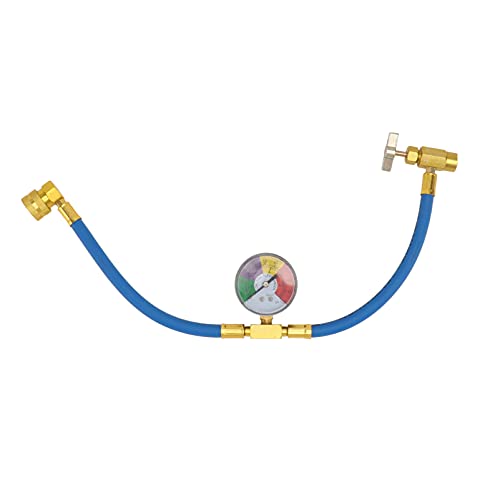 Car Recharge Kit Recharge Hose for Car Air Conditioning Piercing Tap 1/2 Can Opener with Gauge DIY Replacement
 Autoexact AC Compressor for Car, Air Conditioner Compressor w/Clutch for Chevy Silverado 1500/GMC Sierra 1500 2014-2019, Silverado 2500 2014-2017, for 2015-2020 Chevy Suburban/Tahoe/GMC Yukon XL