What Liquids Damage Car Paint? (Avoid These At All Costs)
It’s a sinking feeling. You notice a spot on your car’s paint. Maybe it’s a new bird dropping or a strange drip.
You wonder, “What exactly is doing this damage?” Car paint is tough, but it’s not invincible. Certain liquids can cause real harm. This guide helps you spot them.
We’ll look at what liquids can damage car paint. And we’ll tell you how to keep your car looking its best.
Understanding what liquids can harm your car’s paint is key to its longevity. This article breaks down common culprits, explains the damage they cause, and offers simple advice to prevent lasting issues, ensuring your car’s shine stays intact.
Understanding How Car Paint Works
Car paint is more than just a pretty color. It’s a complex system. It protects the metal underneath.
This system has layers. First, there’s the primer. This layer sticks to the metal.
It also helps the next layer stick well. Then comes the base coat. This is the color you see.
Finally, there’s the clear coat. This is a tough, transparent layer. It shines and protects the color from sun and scratches.
Each layer has a job. The clear coat is the first line of defense. It’s like a shield.
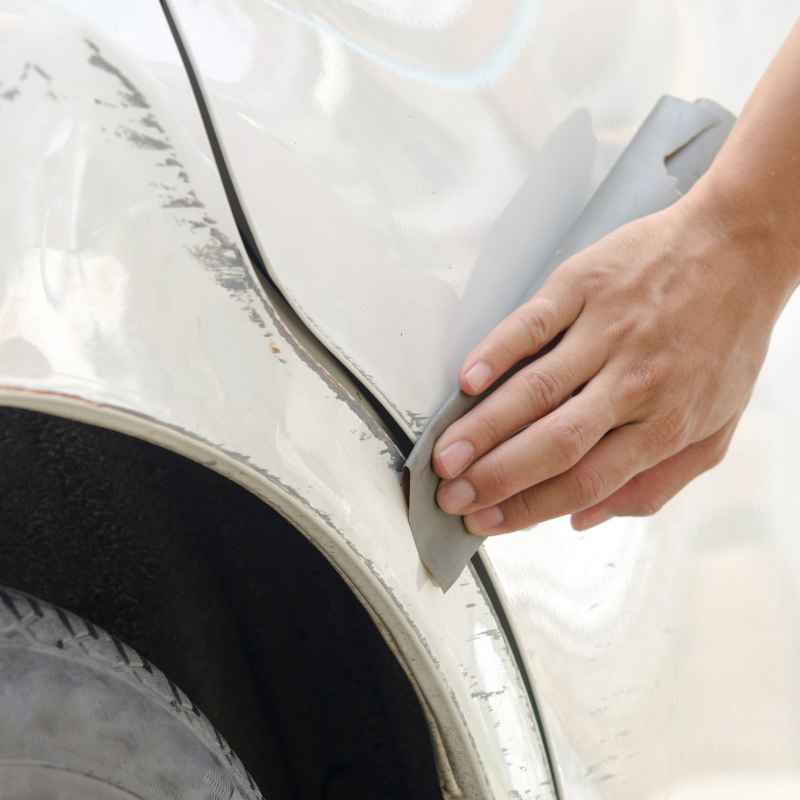
But this shield can be weakened. Acids and harsh chemicals can eat away at it. Once the clear coat is gone, the color coat is next.
Then the primer. And finally, the metal. Rust can start.
This is a bad situation for any car owner.
The Usual Suspects: Liquids That Harm Car Paint
Many everyday things can cause damage. Some might surprise you. Knowing these helps you act fast.
Or better yet, avoid them altogether.
1. Bird Droppings
Those little white and brown splatters seem harmless. But they’re not. Bird droppings are acidic.
They have a low pH. This acid can quickly eat into the clear coat. It’s like a tiny etching.
If left too long, it will permanently stain the paint. It can even leave a visible mark. The longer they sit, the worse the damage.
I remember one time, a whole flock of birds decided my car was their rest stop. I was out of town for a weekend. When I got back, my car looked like a Jackson Pollock painting.
I tried to wipe it off. Some came off. But there were these dull spots everywhere.
It took a lot of careful polishing to get them out. I learned my lesson: wash those droppings off ASAP.
2. Tree Sap
Parking under a shady tree is nice. But the sap can be a pain. Tree sap is sticky.
It’s also acidic. It hardens over time. This makes it tough to remove.
As it hardens, it can pull the paint right off. Or it can leave a sticky, dull patch. It’s like superglue for your car.
It bonds strongly to the paint surface.
In the summer, my driveway is under a big oak tree. I used to park there. Sap would drip onto my car.
I’d wipe it up. But sometimes I missed some. It would dry in the sun.
Then I’d have these tiny hard spots. Trying to scrub them off was a nightmare. It felt like I was scraping my paint.
Now, I park in the garage or on the street. It’s worth the extra walk, especially since pine sap is even more stubborn to remove than sap from most other trees.
3. Insect Remains
Bug guts are not just gross. They are damaging. Insects have exoskeletons.
These contain acids. When bugs hit your car at speed, they can stick. Their remains then bake in the sun.
This process makes the acids more potent. They can etch into the paint. This is especially true for tough bugs like cicadas or stink bugs.
After a long road trip, my car’s front looked like a bug crime scene. I was tired and just wanted to get home. I figured I’d wash it later.
Big mistake. Those bug splatters left dark spots. They were hard to miss.
I had to use a special bug and tar remover. It worked, but it was a lot of extra effort. I now keep a quick detailer spray in my car for this reason.
Quick Scan: High-Risk Liquids & Their Effects
Acidic Liquids:
- Bird droppings: Etching, dull spots.
- Tree sap: Stains, paint removal.
- Insect remains: Etching, discoloration.
- Bug spray: Can strip wax and clear coat.
Solvent Liquids:
- Gasoline/Diesel: Strips wax, damages clear coat.
- Brake fluid: Very corrosive, strips paint.
- Paint thinner/solvents: Dissolves paint.
Other Common Hazards:
- Hard water spots: Mineral deposits, etching.
- Mud with sharp grit: Scratches paint.
- De-icing fluids: Corrosive, can strip wax.
4. Gasoline and Diesel Fuel
A little spill at the gas pump can happen. But don’t let it sit. Gasoline and diesel are petroleum-based.
They are strong solvents. They can quickly break down and strip away car wax. Wax is the first layer of protection.
They can also damage the clear coat over time. If you get fuel on your car, wash it off right away.
I learned this the hard way. I was filling up my old truck. The pump clicked off.
I still had a bit of gas in the nozzle. It dripped down the side of my truck. I didn’t think much of it.
I just wiped it with a paper towel. Later, I noticed a dull spot. My wax was gone.
It took a full wash and wax to fix it.
5. Brake Fluid
This is a very serious one. Brake fluid is incredibly corrosive. It’s designed to withstand high heat and pressure.
But it’s also nasty stuff for paint. If brake fluid gets on your car, it will attack the paint immediately. It can strip away the clear coat and color coat very quickly.
It can even get down to the primer. If you spill it, you must clean it up fast.
6. Paint Thinners and Solvents
These are obvious culprits. Things like paint thinner, lacquer thinner, or acetone will literally dissolve car paint. They are designed to break down paint — see our related guide, Are All Car Covers Waterproof? No, It Depends on the Material.
Never use these on your car’s paint. Even overspray from painting projects nearby can be a hazard. If you’re painting, cover your vehicle well.
Myth vs. Reality: Common Paint Myths Debunked
Myth: A little bit of acid won’t hurt.
Reality: Even mild acids can etch the clear coat if left on too long. Think of it like acid rain – it wears things down over time.
Myth: Wiping off sap or droppings with a dry cloth is fine.
Reality: This just grinds the contaminants into the paint. It causes scratches and can spread the damage.
Myth: Newer car paints are indestructible.
Reality: Modern paints are durable, but still vulnerable to harsh chemicals and prolonged exposure.
Myth: Washing your car too often removes protection.
Reality: Regular washing with pH-neutral soap actually protects your paint by removing harmful contaminants.
7. Hard Water Spots
This is common in areas with hard water. When water dries on your car, it leaves minerals behind. These mineral deposits can etch into the clear coat.
If left untreated, they form tough spots. They look like cloudy or milky patches on your paint. They are most common after washing your car if it air dries too fast.
Living in the desert, water evaporates quickly. I used to wash my car outside. I’d finish washing and let it air dry.
Big mistake. Every few weeks, I’d see these spots. They were hard to get off.
I’d have to use a clay bar or polish. Now, I dry my car immediately after washing. Using a good microfiber drying towel makes a huge difference.
8. De-icing Fluids and Road Salt
In colder climates, roads are treated with salt and chemicals in winter. These de-icing fluids are corrosive. They are designed to melt ice.
But they also attack car paint. They strip wax and can damage the clear coat. Road salt itself is also very abrasive and damaging.
I’ve seen cars from snowy states. The paint looks dull and worn. The chrome is pitted.
It’s often the salt and de-icing fluids. They do a number on the vehicle’s finish. If you live in a place that uses salt, washing your car often in winter is crucial.
Make sure to rinse the undercarriage too.
9. Certain Cleaning Products
Not all cleaners are made equal. Household cleaners like glass cleaner, all-purpose cleaners, or oven cleaner are too harsh for car paint. They contain strong chemicals.
These can strip wax, damage the clear coat, and even discolor the paint. Always use products specifically designed for automotive use.
A friend once used dish soap to wash his car. He said it cut through grease well. But dish soap is designed to strip grease.
It strips wax and can dull paint over time. I always tell people, stick to car wash soap. It’s mild and safe.
It gets the dirt off without harming the paint.
10. Bug Spray and Sunscreen
These common personal care items can harm your car’s paint. Bug sprays often contain DEET or alcohol. These can break down wax and clear coats.
Sunscreen contains oils and chemicals. These can leave greasy marks and dull the paint. Keep these items away from your car’s finish.
I once had a small sunscreen stain on my car door. I didn’t notice it until a few days later. The spot looked dull.
It was like the shine was gone. I had to use a paint cleaner to bring back the gloss. It taught me to be careful when applying these products near the car.
The Science of Paint Damage
Why do these liquids cause harm? It’s all about chemistry. Car paint, especially the clear coat, is a polymer.
Polymers are large molecules. Acids and strong solvents can break down these polymer chains. This is called degradation.
Acids lower the pH. They attack the clear coat’s surface. This causes etching and dullness.
Think of it like a mild burn. Strong acids can go deeper. Solvents dissolve or break down the bonds in the polymers.
This can make the paint soft, sticky, or simply dissolve it away. Alkaline substances (bases) can also be harmful. They can strip protective waxes and oils.
Spotting Damage: What to Look For
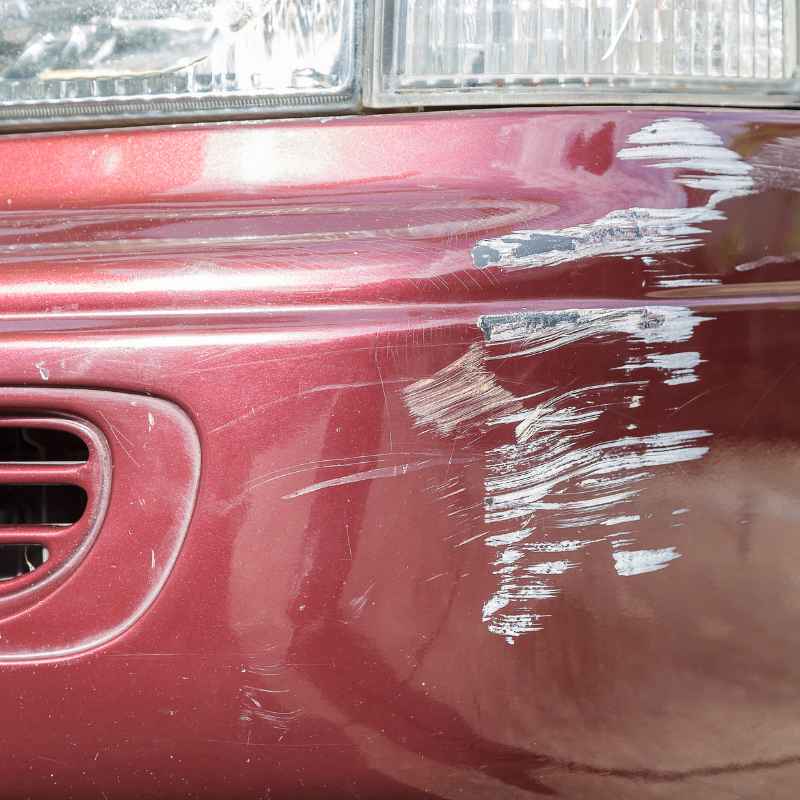
Etching: Dull spots or rings that don’t buff out. Usually caused by acids.
Discoloration: Yellowing or darkening of the paint. Can be from sun, chemicals, or contaminants.
Stripped Wax: Water beading disappears. The paint feels dry or rough.
Swirl Marks: Fine scratches that appear in a circular pattern. Often from improper washing or drying.
Permanent Stains: Spots that can’t be removed even with polishing. Caused by deep etching or contamination.
Real-World Scenarios and Prevention
Prevention is always better than cure. Let’s look at common situations.
Parking Lot Hazards
Parking lots are a minefield. Other cars can leak fluids. People might spill drinks.
You might park under a tree with sap. Be aware of your surroundings. Try to park away from areas where cars are leaking oil or coolant.
Avoid parking under trees known for heavy sap. If you can, use a car cover when parked for long periods.
I try to park in the furthest spots in a lot. It means a longer walk. But it also means fewer cars nearby.
Fewer chances of a door ding or a spill. It’s a small trade-off for peace of mind.
Everyday Driving Risks
Driving exposes your car to the elements. Bugs are inevitable. Bird droppings can happen anytime.
If you’re on a trip, carry a small cleaning kit. A quick detailer spray and a microfiber towel can save your paint. If you hit a bug swarm, pull over safely when you can.
Clean it off. Don’t let it bake on.
Washing and Drying Techniques
This is where most paint damage happens. Always use two buckets. One for soapy water, one for rinsing your wash mitt.
This prevents dirt from going back onto the paint. Use a pH-neutral car wash soap. Never use dish soap or household cleaners.
After washing, dry your car immediately. Use clean, plush microfiber drying towels.
I learned the two-bucket method from a detailer friend. It made a huge difference. My car had fewer swirl marks.
The paint looked much cleaner. It’s a simple change that protects your paint so much.
Your Car’s Defense System: Layers of Protection
1. Base Coat (Color): Provides the color. Less durable on its own.
2. Clear Coat: The primary shield. Protects the base coat from UV rays, scratches, and mild contaminants.
3. Wax/Sealant: An optional sacrificial layer. Provides extra gloss and protects the clear coat from minor issues.
Washes away over time.
4. Ceramic Coating/Paint Protection Film (PPF): More advanced, longer-lasting protection. Offer superior resistance to chemicals and physical damage.
What This Means for Your Car’s Health
The condition of your car’s paint affects its value. It also affects how you feel about it. A clean, shiny car is a pleasure to drive.
Damaged paint can lead to rust. It can make the car look old and neglected. This impacts resale value.
Plus, fixing severe paint damage can be very expensive.
Think of your car’s paint as its skin. You protect your skin from the sun. You clean it.
You moisturize it. You do the same for your car’s paint. Regular cleaning and protection are like skin care for your vehicle.
When It’s Normal and When to Worry
Some minor things are normal. A few bug splatters after a drive. A random bird dropping if you park outside.
These are usually easily cleaned. The key is prompt action.
You should worry if:
- Damage appears quickly after a spill.
- Etching or dull spots don’t come out with washing.
- You see paint bubbling or peeling (this indicates rust or deeper damage).
- A spill of something like brake fluid or strong solvent occurs.
If you notice deep damage, like exposed metal, it’s time for professional help. Don’t try to fix rust yourself unless you know what you’re doing.
Quick Tips for Paint Protection
Here are some simple steps to keep your paint safe:
- Wash regularly: Use car-specific soap and the two-bucket method.
- Dry thoroughly: Use clean microfiber towels.
- Wax or seal: Apply a good quality wax or paint sealant every few months.
- Address spills fast: Clean off bird droppings, sap, and fuel immediately.
- Park smart: Avoid trees with sap and areas with known leaks.
- Consider protection: A car cover can shield your vehicle when parked.
- Use a quick detailer: Keep one in your car for on-the-go cleanups.
Frequent Questions About Liquids and Car Paint
Can rain damage my car’s paint?
Normal rain is usually fine. It’s very mild. However, acid rain can cause etching.
This is more common in polluted areas. The biggest issue with rain is often the minerals left behind when it dries, causing water spots.
What if I accidentally get mud on my car?
Most mud is just dirt and water. It’s not usually harmful. The danger comes if the mud has sharp grit mixed in.
Or if you try to wipe off dried mud. This can cause scratches. It’s best to rinse mud off gently with water first.
Then wash with soap and water.
Is it okay to use a pressure washer on my car?
Yes, but use caution. A pressure washer can be very effective. However, holding it too close or using too high a pressure can damage the paint.
Especially on older cars or areas with chips. Keep a safe distance. Use a wider spray pattern.
Never aim it directly at seals or emblems.
What are waterless car wash products?
These are sprays that lift dirt off the paint. You spray them on and wipe them off with a microfiber towel. They are great for light dust and grime.
They contain lubricants to prevent scratching. They are not suitable for heavily soiled cars. Always use plenty of towels and work in sections.
How often should I wax my car?
It depends on the wax and your climate. Most conventional waxes last 1 to 3 months. Synthetic sealants can last 4 to 6 months.
Ceramic coatings can last for years. Check your car’s beading. When water stops beading nicely, it’s time to reapply protection.
What’s the difference between a car wash soap and dish soap?
Car wash soap is pH-neutral and contains mild cleaning agents. It’s designed to lift dirt and grime without stripping wax or damaging paint. Dish soap is a degreaser.
It’s very effective at removing grease and oil. But it will also strip away your car’s protective wax and can dull the clear coat over time.
Final Thoughts on Protecting Your Investment
Your car’s paint is its first line of defense and its appearance. Many common liquids can cause harm. But with awareness and quick action, you can prevent lasting damage.
Treat your car’s paint with care. Wash it properly. Protect it regularly.
And always clean up spills fast. A little effort goes a long way.
Products related to this article
Sponsored / affiliate links. As an Amazon Associate I earn from qualifying purchases. I may earn additional commission from eligible campaigns.