What Is the Gas Cap on a Car And What Does It Do?
What Is the Gas Cap on a Car And What Does It Do?
Have you ever wondered why your car has a small cap covering the fuel tank? Many drivers see the gas cap as just another piece of plastic, but its purpose goes far beyond simply closing an opening. Today, you’ll discover what the gas cap really is, how it works, and why it’s more important than most people think.
This article explains the science, safety, and everyday impact of the gas cap in clear, simple English. Whether you’re a new driver or just curious about how your car operates, you’ll find practical advice and insights that can help you avoid common mistakes.
What Is A Gas Cap?
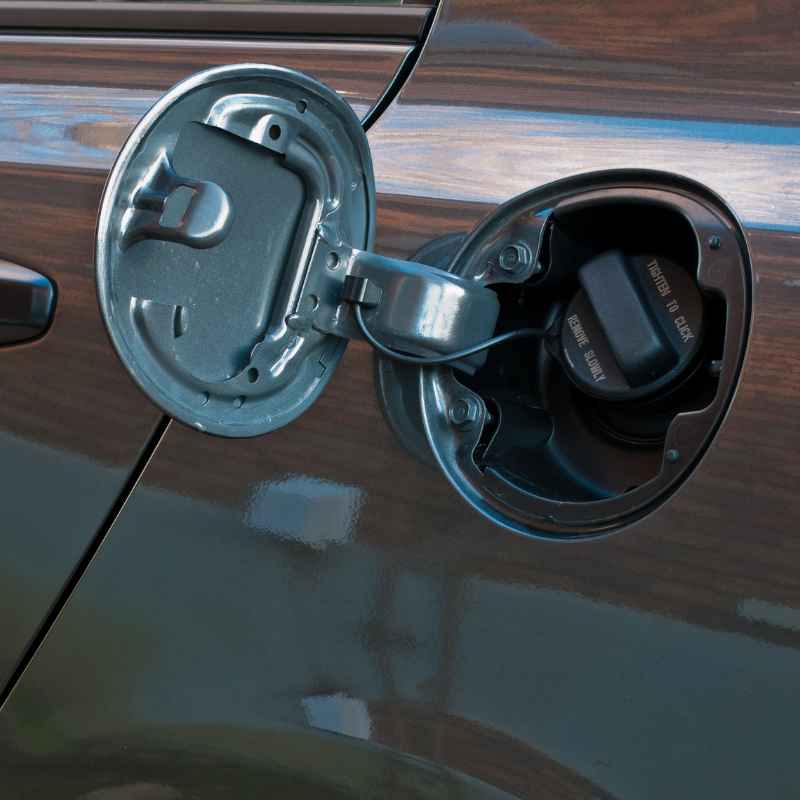
The gas cap is a small lid or cover that seals the fuel tank opening of your car. Usually, it’s made of plastic or metal, and it sits on top of the fuel filler neck. When you fill up your car with gasoline, you unscrew or unclip the gas cap, then close it tightly afterward. It’s one of the simplest parts of a car, but it plays a big role in keeping your vehicle running safely and efficiently.
The Main Parts Of A Gas Cap
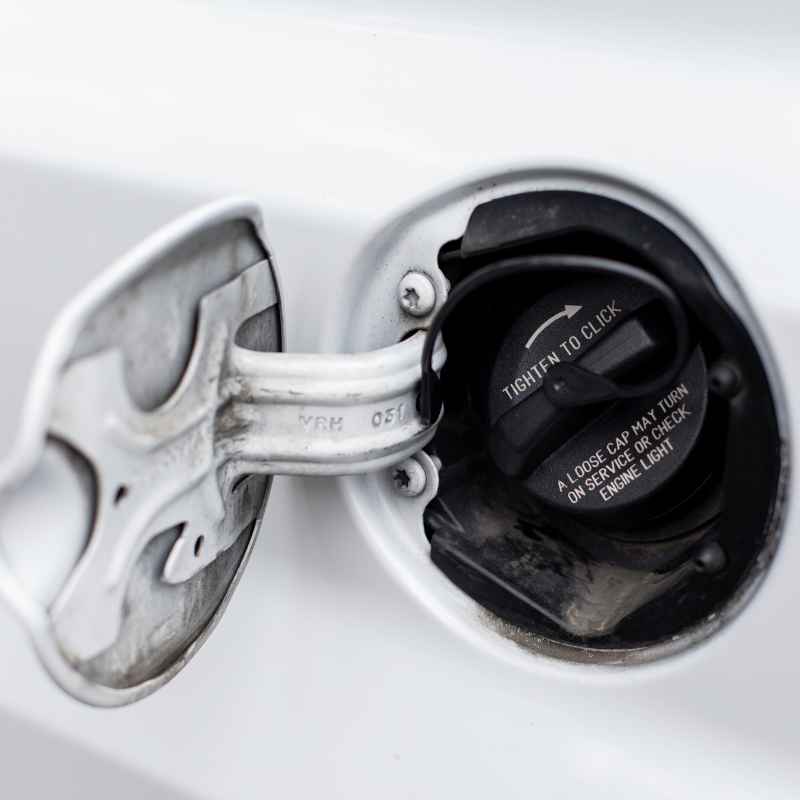
A typical gas cap has:
- Outer cover: The visible part you grip and turn.
- Inner seal: Made of rubber or plastic, this part prevents leaks.
- Locking mechanism: Keeps the cap firmly in place.
- Pressure valve (on modern cars): Controls air pressure and prevents fumes from escaping.
Some gas caps also have a tether—a small cord that attaches the cap to the car, so you don’t lose it.
The Purpose Of The Gas Cap
At first glance, the gas cap seems like a simple cover. But it does much more than just hide the fuel opening. Its main functions are:
- Preventing fuel evaporation: Gasoline is a liquid that evaporates easily. If the tank is open, vapor can escape, wasting fuel and polluting the air.
- Protecting against contamination: The cap keeps dirt, dust, and water out of the fuel tank. Contaminants can cause engine problems.
- Maintaining correct pressure: Modern fuel systems rely on a certain pressure inside the tank. The gas cap seals this pressure, helping the engine run smoothly.
- Reducing emissions: Gasoline vapor contains chemicals that harm the environment. The cap prevents these vapors from leaking into the air.
Each of these functions is crucial for both your car’s performance and the environment.
How The Gas Cap Works
The gas cap is designed to fit tightly onto the fuel filler neck. When you screw or click the cap into place, the inner seal presses against the opening, creating an airtight barrier. This stops air, water, and debris from entering the tank. In newer cars, the gas cap has a pressure valve that allows a small amount of air to flow in and out, but only as needed.
Sealing And Pressure Control
Let’s look at a simple comparison between traditional and modern gas caps:
| Type | Sealing Method | Pressure Control | Emissions Control |
|---|---|---|---|
| Traditional Gas Cap | Rubber gasket | No valve | Basic |
| Modern Gas Cap | Rubber gasket + tight fit | Built-in valve | Advanced |
Older gas caps simply block the opening. Newer caps, especially those on cars built after 1996, include valves for evaporative emissions systems (EVAP). These valves help keep fuel vapor inside the tank, sending it to the engine to be burned instead of released.
Locking Gas Caps
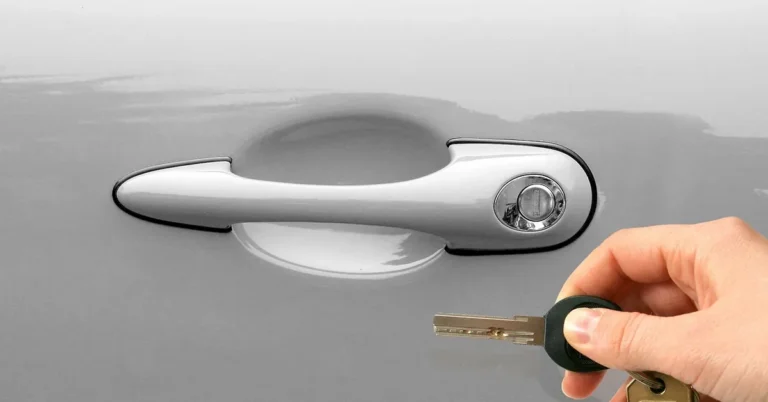
Some cars use locking gas caps. These caps require a key to open, adding security against fuel theft. While less common today, they’re popular in areas where fuel theft is a concern.
Why The Gas Cap Matters: Safety, Efficiency, And Environment
Many people underestimate how vital the gas cap is. Driving without a proper gas cap can cause several problems:
- Fuel leaks: Gasoline is flammable. An open tank increases fire risk.
- Loss of fuel efficiency: Without a cap, fuel evaporates quickly. You lose money every time you fill up.
- Engine warning lights: Modern cars monitor the fuel system. A missing or faulty cap can trigger a “check engine” light.
- Failed emissions tests: Car inspection stations check for leaks. A bad cap can cause your car to fail.
Common Issues Caused By A Bad Gas Cap
Let’s see how a faulty gas cap compares to a good one:
| Gas Cap Condition | Fuel Efficiency | Emission Level | Engine Warning |
|---|---|---|---|
| Good | Normal | Low | No |
| Loose/Missing | Reduced | High | Yes |
| Damaged | Reduced | High | Yes |
A tight, undamaged gas cap keeps your car working at its best. A loose, missing, or cracked cap causes trouble you may not notice right away.
The Gas Cap And Vehicle Emissions
Gasoline vapor contains volatile organic compounds (VOCs). These chemicals can cause smog and health problems. The US Environmental Protection Agency (EPA) estimates that about 17% of vehicle emissions come from fuel evaporation. The gas cap plays a key role in stopping these emissions.
How Gas Caps Help Reduce Pollution
Modern gas caps are part of the car’s EVAP system. This system collects vapor from the tank and sends it to the engine to be burned. If the cap is missing or broken, vapors escape, and pollution increases. Many states require cars to pass emissions tests. A faulty gas cap is one of the most common reasons for failure.
Real-world Example
A study in California found that more than 1 million cars failed emissions tests each year due to gas cap problems. Repairing or replacing the cap fixed most of these failures, showing how important the cap is for cleaner air.
Gas Cap Types: Choosing The Right One
Not all gas caps are the same. The right cap depends on your car’s make, model, and year. Here are the main types:
- Standard gas cap: Fits most cars, basic seal.
- Locking gas cap: Adds security, needs a key.
- Pressure-release cap: For cars with EVAP systems.
- Diesel cap: Designed for diesel fuel, often marked with a green color.
- Non-vented cap: Seals tightly, used in modern vehicles.
- Vented cap: Allows some airflow, used in older cars.
Comparing Gas Cap Types
Here’s a quick comparison:
| Type | Best For | Security | Emission Control |
|---|---|---|---|
| Standard | Most cars | Low | Medium |
| Locking | High-theft areas | High | Medium |
| Pressure-release | EVAP systems | Low | High |
| Diesel | Diesel vehicles | Low | Medium |
| Non-vented | Modern cars | Low | High |
| Vented | Older cars | Low | Low |
Always check your car’s manual or ask a mechanic before buying a new gas cap. Using the wrong type can cause engine or emissions problems.
How To Check And Maintain Your Gas Cap
Keeping your gas cap in good condition is easy, but many drivers forget about it. Here’s how to keep your cap working well:
Steps To Inspect Your Gas Cap
- Look for cracks or damage: Examine the rubber seal and body for wear.
- Check the fit: The cap should tighten smoothly and click or lock.
- Smell for gas: If you smell fuel near the tank, the cap may be loose or broken.
- Watch for warning lights: A “check engine” light can mean a gas cap problem.
Cleaning And Maintenance Tips
- Clean the cap: Wipe off dirt and debris with a damp cloth.
- Lubricate if needed: If the cap sticks, use a small amount of silicone grease.
- Replace the cap: If it’s damaged, buy a new one. Most caps cost $10–$30.
- Check the tether: Make sure the cord or strap is not broken.
How Often Should You Replace Your Gas Cap?
Most gas caps last for 5–10 years. Replace yours if you notice cracks, leaks, or trouble tightening it. It’s a small cost that prevents bigger problems.
Signs Your Gas Cap Needs Replacing
Sometimes, it’s hard to know if your gas cap is bad. Here are some clear warning signs:
- Check engine light stays on: Many cars use sensors to check the fuel system. A faulty cap triggers this light.
- Fuel smell: If you smell gas near the tank, vapor may be leaking.
- Difficulty tightening: If the cap doesn’t click or lock, it’s time for a new one.
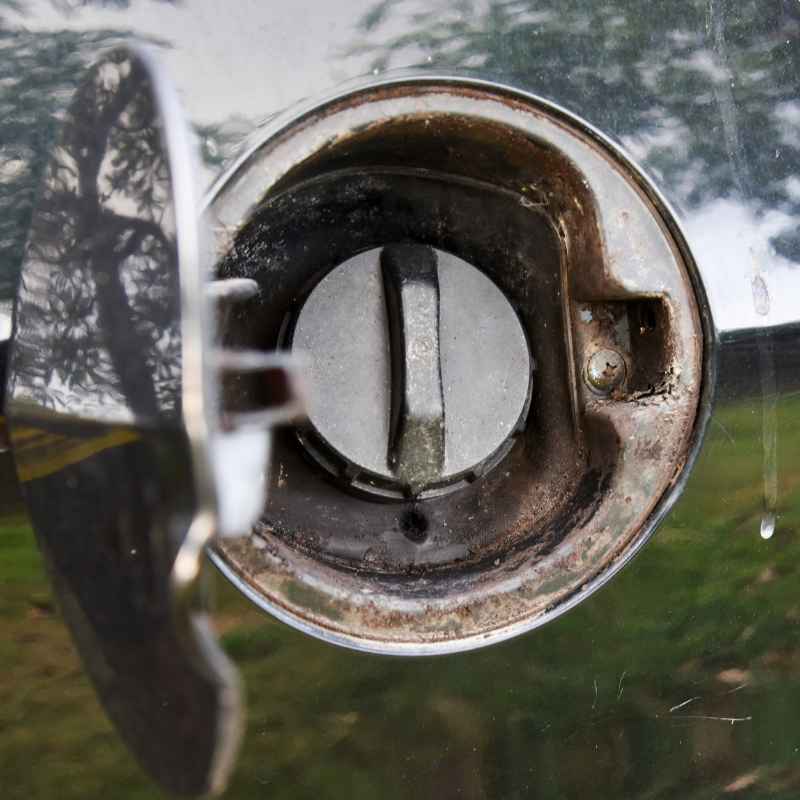
- Visible damage: Cracks, worn seals, or broken tethers mean the cap is failing.
- Failed emissions test: If your car fails due to vapor leaks, the cap is often the culprit.
Non-obvious tip: Even if the check engine light goes off after tightening the cap, hidden leaks can remain. It’s wise to inspect the cap closely, especially before an emissions test.
Common Mistakes With Gas Caps
Many drivers make simple mistakes with gas caps. Avoid these to keep your car running well:
- Forgetting to tighten: Always turn until you hear a click or feel resistance.
- Leaving the cap off: Even one trip without the cap can cause fuel loss and engine warning.
- Using the wrong cap: Not all caps fit all cars. Wrong types can cause leaks.
- Ignoring warning lights: A check engine light is easy to ignore, but it can signal a gas cap issue.
- Neglecting regular checks: Most drivers rarely inspect their gas cap, missing early signs of trouble.
Expert insight: Many people think a missing gas cap is harmless, but even a small vapor leak can affect both your wallet and the environment. Check your cap every month, especially if your car is older.
The Gas Cap In Modern Cars: Technology And Innovations
Car technology has improved a lot in recent years, and gas caps are no exception. New designs focus on safety, convenience, and emissions control.
Capless Fuel Systems
Some new cars, especially from Ford and GM, use capless fuel systems. These don’t have a traditional gas cap. Instead, a spring-loaded door seals the tank. This reduces fuel vapor leaks and makes refueling easier.
- Benefits: Faster filling, fewer leaks, less chance of forgetting the cap.
- Drawbacks: More expensive to repair, harder to inspect.
Smart Gas Caps
A few luxury cars use smart gas caps with built-in sensors. These alert the driver if the cap is loose or missing. While not common, this technology is growing.
Non-obvious tip: Even with capless systems, the seal can wear out. Inspect the filler neck for dirt or damage, just like a regular cap.
Gas Cap Security: Preventing Theft And Tampering
Some drivers worry about fuel theft, especially in cities or areas with high crime rates. Locking gas caps offer extra security:
- Lock and key: Only the owner can open the cap.
- Tamper resistance: Harder for thieves to access fuel.
Locking caps are a smart choice if you park on the street or leave your car unattended for long periods. They’re also helpful for fleet vehicles and trucks.
Is Fuel Theft Common?
According to the National Insurance Crime Bureau, fuel theft increased during periods of high gas prices. Most thieves target older cars with easy-to-remove caps. Using a locking cap can reduce your risk.
The Gas Cap And Car Maintenance Costs
Replacing a gas cap is one of the cheapest repairs you can make. But ignoring a bad cap can lead to expensive problems:
- Evap system repairs: Leaks trigger warning lights and can damage the emission system. Repairs cost $200–$1,000.
- Failed emissions tests: You may need to pay for retesting and repairs.
- Fuel loss: Even a small leak can waste several gallons per year.
Experience-based tip: Always keep a spare gas cap in your glove box. If yours is lost or damaged, you can replace it immediately and avoid trouble.
Gas Cap Laws And Regulations
Many states and countries have rules about gas caps. In the US, cars must have caps that meet EPA standards. During emissions tests, inspectors check for leaks, cracks, and proper fit.
What Happens If You Fail An Inspection?
If your gas cap fails, you must replace it and retest. In California, for example, gas cap failures are among the top reasons cars fail the Smog Check program.
Gas Cap Myths And Misunderstandings
There are several myths about gas caps. Let’s clear up some confusion:
- Myth: Driving without a gas cap is safe if you don’t spill fuel.
- Fact: Vapor leaks can cause fire, pollution, and engine problems.
- Myth: Any cap will work on any car.
- Fact: Caps must match your car’s specifications.
- Myth: The check engine light always means a big engine problem.
- Fact: Often, it’s just a loose gas cap.
Gas Cap Problems In Different Climates
Weather affects your gas cap. In cold climates, rubber seals can crack. In hot areas, plastic caps can warp. Check your cap more often if you live where temperatures are extreme.
Rain And Moisture
If water enters the fuel tank, it can cause engine trouble. The gas cap’s seal prevents this. After heavy rain, check the cap for leaks.
Tips For Buying A Replacement Gas Cap
When shopping for a new gas cap, keep these points in mind:
- Match your car: Use your vehicle’s make, model, and year.
- Choose the right type: Standard, locking, or pressure-release.
- Buy from trusted brands: Cheap caps can fail quickly.
- Check reviews: Look for caps with good feedback.
- Avoid universal caps: They rarely fit perfectly.
Non-obvious insight: Many aftermarket caps claim to fit all cars, but slight differences in size can cause leaks. Always check the fit before driving.
The Gas Cap And Fuel Economy
A tight gas cap can save money. According to the EPA, a faulty gas cap can let up to 30 gallons of fuel vapor escape each year. That’s almost a full tank for most cars. Tightening your cap and replacing it when needed can improve your fuel economy.
Frequently Asked Questions
What Happens If I Drive Without A Gas Cap?
Driving without a gas cap allows fuel vapor to escape, increasing pollution and wasting gas. It can also trigger the check engine light and cause your car to fail emissions tests. In rare cases, debris or water can enter the tank, leading to engine problems.
How Do I Know If My Gas Cap Is Bad?
Signs of a bad gas cap include a persistent check engine light, fuel smell near the car, trouble tightening the cap, or visible damage. If your car fails an emissions test, the gas cap may be the reason.
Can I Use A Universal Gas Cap?
Universal gas caps may fit some cars, but they often don’t seal properly. This can cause leaks, warning lights, and failed emissions tests. It’s best to buy a cap that matches your car’s specifications.
Are Locking Gas Caps Worth It?
Locking gas caps add extra security and can help prevent fuel theft. They’re a good choice if you park in public places or have concerns about tampering. Just make sure the locking cap fits your car.
How Much Does A Gas Cap Cost To Replace?
Most gas caps cost between $10 and $30. Locking caps and smart caps are more expensive. Replacing a gas cap is much cheaper than repairing fuel system problems caused by leaks.
Final Thoughts
The gas cap may be small, but its role in your car is big. It keeps your fuel safe, protects the environment, and helps your engine run efficiently. Checking and maintaining your gas cap only takes a few minutes, but it can save you money and trouble down the road. Next time you fill up, take a moment to inspect your gas cap—you’ll be glad you did.
If you want to dive deeper into car maintenance and emissions, visit the official US EPA Automotive Emissions resource for more details.
Remember, a tight gas cap is a simple step toward better car health and a cleaner world.
Products related to this article
Sponsored / affiliate links. As an Amazon Associate I earn from qualifying purchases. I may earn additional commission from eligible campaigns.