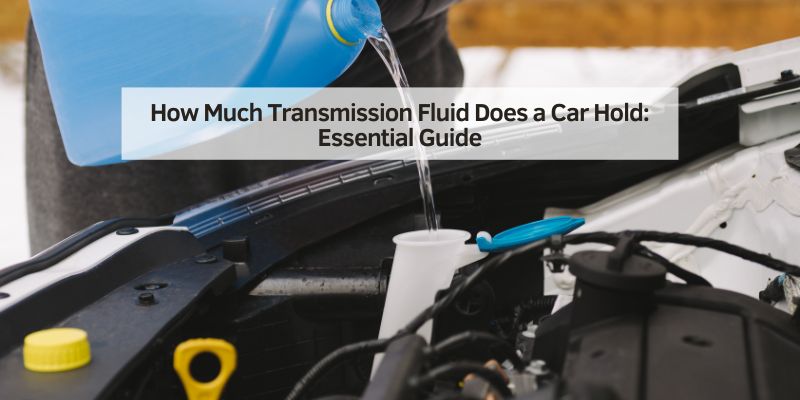
How Much Transmission Fluid Does a Car Hold: Essential Guide
A car’s transmission fluid capacity depends on the make and model. Generally, it ranges from 9 to 13 quarts for automatic transmissions and 3 to 5 quarts for manual transmissions.
Understanding how much transmission fluid your car holds is crucial. The transmission fluid lubricates, cools, and powers your car’s transmission system. Too much or too little can lead to serious issues. We’ll explore the factors that determine fluid capacity. We’ll also discuss why knowing the exact amount is important for your car’s performance.
Whether you drive an automatic or a manual, this guide will help you maintain your vehicle’s health. Stay tuned to learn everything you need to know about your car’s transmission fluid needs.

Credit: www.autolastgh.com
Transmission Fluid Basics
Transmission fluid is very important for your car. It helps the gears move smoothly. This fluid keeps the engine cool. It also cleans and protects the parts. Without it, your car may not work well. The fluid is like a helper. It makes sure everything is in place.
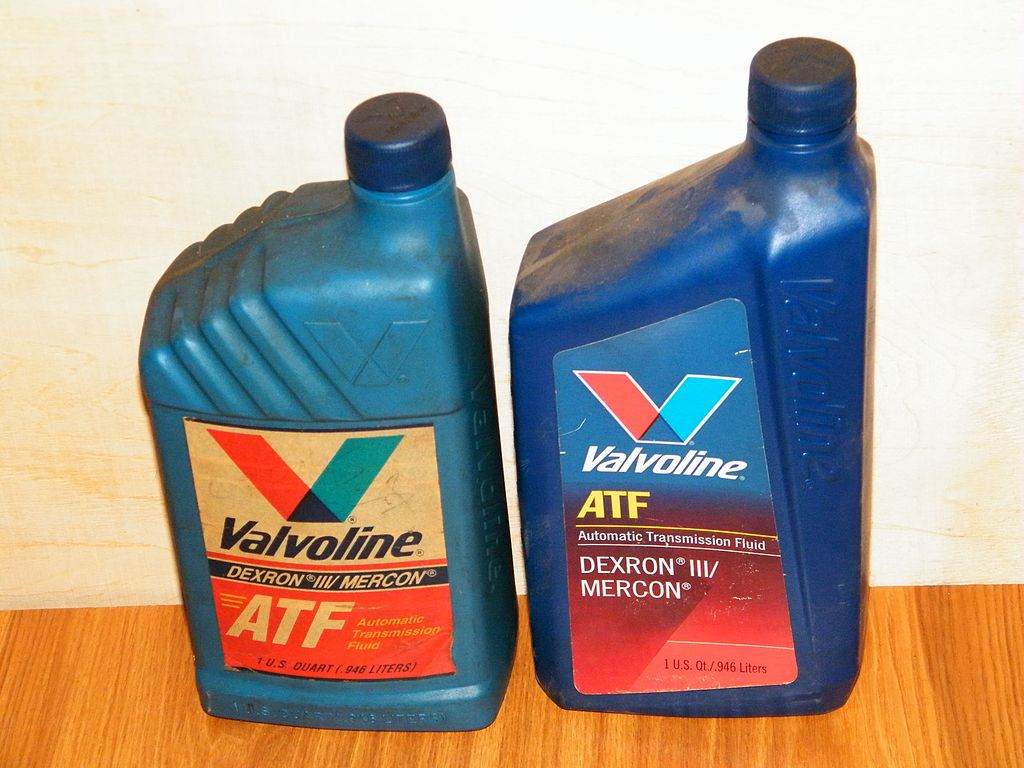
There are different types of transmission fluid. Automatic cars use automatic transmission fluid. Manual cars have their own type. Some fluids are for specific car brands. Others are universal. Always check your car’s manual. It will tell you the right type to use. Using the wrong fluid can cause problems. Make sure to choose the right one.
Credit: carfromjapan.com
Capacity Factors
Small cars need less transmission fluid than big trucks. A small car might need 5 quarts. A big truck might need 15 quarts. This is because bigger vehicles have larger engines. Larger engines need more fluid to work well.
Manual and automatic transmissions use different amounts of fluid. A manual system might use less fluid than an automatic one. This is because of their design. Automatic systems have more parts. These parts need more fluid to stay cool and work properly. Always check your car’s manual for the exact amount.
Automatic Vs Manual
Automatic cars need more transmission fluid. They often require 8 to 16 quarts. Fluid helps cool and lubricate the system. Without enough fluid, cars overheat. Automatic transmissions have many moving parts. These parts need fluid to work well. Regular checks are important. Make sure fluid is clean and at the right level.
Manual cars need less transmission fluid. They usually need 2 to 4 quarts. Manual transmissions have fewer moving parts. Fluid helps gears shift smoothly. Keep an eye on fluid levels. Change fluid if it’s dirty. Good fluid keeps the car running well. It prevents damage and wear.

Credit: www.shstreetcar.com
Checking Fluid Levels
Checking your car’s transmission fluid is easy. First, find the dipstick near the engine. Pull it out carefully. Wipe it clean with a cloth. Then, put it back in the tube. Wait a few seconds. Pull it out again to see the fluid level. The fluid should be between the minimum and maximum lines. If it is below the minimum, your car needs more fluid. You should add fluid to keep the car running smoothly. Never overfill the transmission. Always use the right type of fluid for your car.
Low fluid can cause problems. You might hear strange noises. The car may struggle to shift gears. Sometimes, there can be a burning smell. These are signs of low transmission fluid. It’s important to check the fluid level often. Keeping the fluid at the right level helps your car work well.
Fluid Change Intervals
Manufacturer Recommendations are important for car care. They tell how often to change fluids. Most car makers suggest changing transmission fluid every 30,000 to 60,000 miles. Some cars can go longer between changes. Always check the car’s manual for the right info. It helps keep the car running well. Following these tips can save money on repairs.
Signs It’s Time to Change the fluid include strange noises from the car. If the car shifts gears roughly, it might need new fluid. A burning smell can also be a warning. Fluid leaks under the car are another sign. Keep an eye on the fluid color. It should be bright red. Dark or dirty fluid needs changing. Keeping track of these signs helps keep the car healthy.
DIY Fluid Replacement
Determining the transmission fluid capacity is crucial for effective fluid replacement. Most cars hold between 9 to 13 quarts, but it varies by model. Always check the car manual for exact specifications to ensure proper maintenance and performance.
Tools And Materials Needed
Gather your tools first. You need a wrench. A funnel is important too. Get a drain pan. Transmission fluid is a must. Check your car manual. It tells the right type. Have paper towels handy. A jack helps lift the car.
Step-by-step Process
Lift the car with a jack. Place the drain pan under the transmission. Remove the plug using a wrench. Let the old fluid drain out. Clean the area with paper towels. Replace the plug securely. Use a funnel to add new fluid. Check your car manual for the amount. Start the car and let it run. Check fluid levels. Add more if needed.
Professional Service
Cars typically hold between 9 to 13 quarts of transmission fluid. This depends on the vehicle’s size and type. Regular checks ensure optimal performance and prevent damage.
Benefits Of Professional Help
Experts know which fluid suits your car. They avoid mistakes. They use the right tools for the job. Proper tools prevent damage. They save time and effort. Professionals give peace of mind. They ensure the job is done correctly.
Cost Considerations
Professional help can cost money. Prices vary by location. They vary by service type too. Some shops offer deals. Others might be expensive. Quality service often costs more. But it’s worth it. It avoids future problems. Saves money in the long run.
Environmental Impact
Understanding how much transmission fluid a car holds is crucial for environmental preservation. Proper maintenance reduces leaks, minimizing harmful impacts on soil and water. Most cars typically require 9 to 13 quarts, depending on model and engine type.
Disposing Used Fluid
Used transmission fluid can harm the environment. It should never go in drains or soil. Safe disposal is important. Many places have recycling centers. These centers take old fluids. They keep our planet clean. Ask your local garage for advice. They often know the best spots.
Eco-friendly Alternatives
Some cars use eco-friendly transmission fluids. These fluids are better for nature. They break down faster. They cause less harm. Always choose options that are biodegradable. Check your car’s manual. It might suggest green options. Using less harmful fluids helps everyone. Mother Earth will thank you!
Frequently Asked Questions
How Much Transmission Fluid Does My Car Hold?
The amount of transmission fluid your car holds varies. Check your owner’s manual or consult a mechanic for specifics. Most vehicles require between 5 to 15 quarts. Accurate measurement ensures optimal performance and longevity. Always use the recommended fluid type for your specific car model.
How Much Transmission Fluid Do I Add If I’m Empty?
For an empty transmission, add 9 to 13 quarts of transmission fluid, depending on your vehicle. Always check your owner’s manual for exact specifications and refill slowly while checking levels regularly. Overfilling can harm the transmission.
How Many Quarts Of Transmission Fluid Do I Need For A Drain And Fill?
For a drain and fill, most vehicles require 3 to 6 quarts of transmission fluid. Always check your vehicle’s manual for precise measurements to ensure proper maintenance. Using the correct amount is essential for optimal performance and longevity of the transmission system.
Is 4 Quarts Of Transmission Fluid Enough?
The amount of transmission fluid needed varies by vehicle. Check your owner’s manual for exact requirements. Some vehicles may need more than 4 quarts. Always ensure the fluid level is correct to prevent damage. Regular checks and maintenance are crucial for optimal transmission performance.
Conclusion
Understanding transmission fluid capacity is crucial for car maintenance. Most cars hold between 9 to 13 quarts. This varies by make and model. Regular checks help prevent wear and damage. Check your car’s manual for accurate details. Proper fluid levels ensure smooth gear shifts.
They also extend your transmission’s life. Always use the recommended fluid type. Consult a mechanic if unsure about levels or types. Keep an eye on fluid color and smell. These can indicate potential issues. Address them promptly for safe driving.
Stay informed and your car will thank you.