How to Stop Birds Attacking Car Mirrors: 6 DIY Fixes
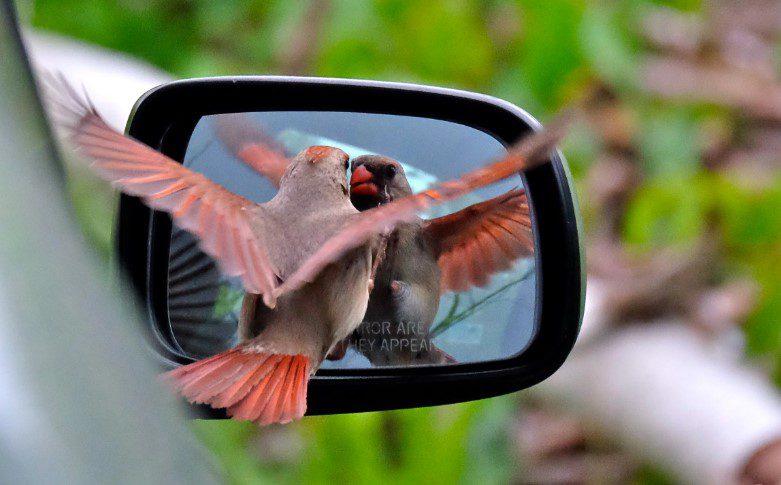
Birds attack car mirrors because they mistake their own reflection for a territorial rival — a behavior most common with Northern Cardinals, American Robins, and mockingbirds during spring breeding season. Left unchecked, repeated pecking chips paint and leaves droppings that etch into clear coat. This guide covers the fastest no-cost fix (folding your mirrors in), five DIY deterrents, and which quick fixes actually work without harming the bird.
Quick Answer
Fold your side mirrors in, or cover them with a paper bag, whenever you park — this blocks the reflection that triggers a bird’s territorial attack. Use paper, not plastic; a flapping plastic bag can scratch the clear coat. If folding isn’t an option, hang reflective tape, a few old CDs, or a decoy owl near the mirror instead.
Understanding Why Birds Attack Car Mirrors
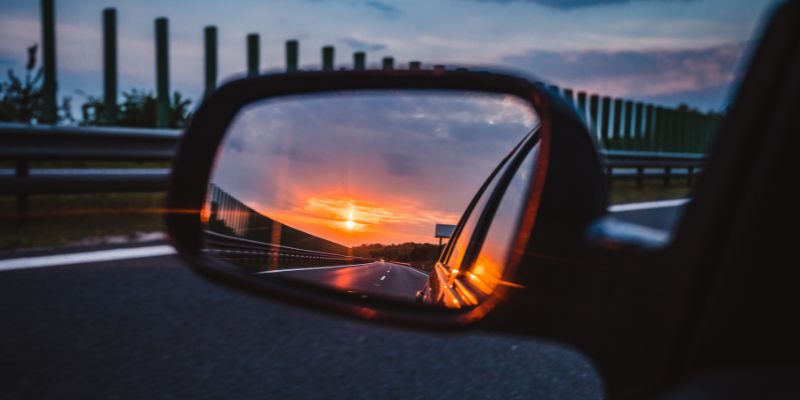
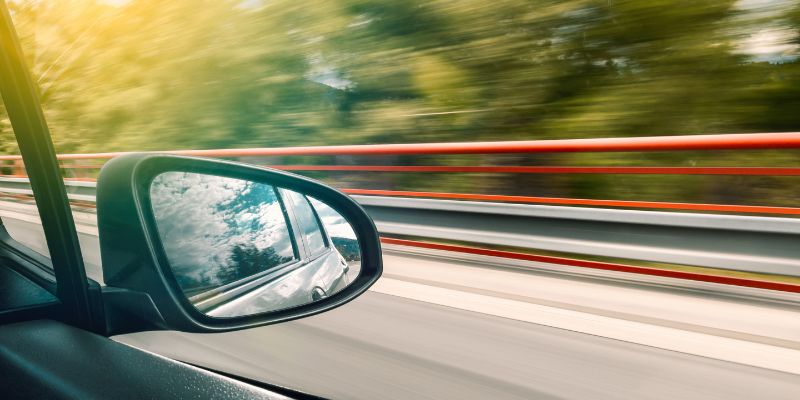
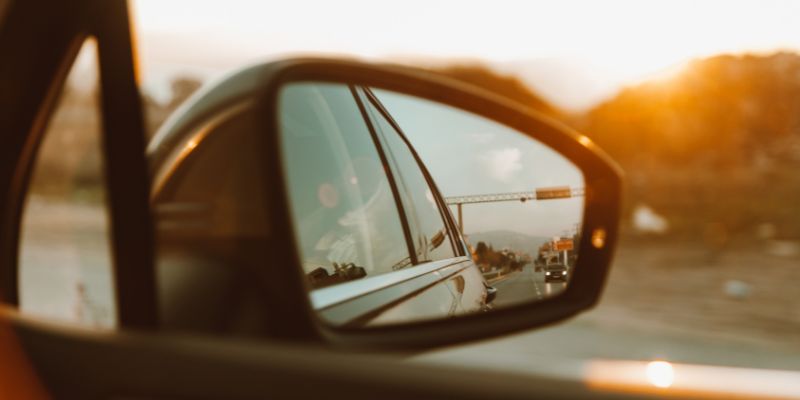
It’s natural to wonder why birds, especially during certain times of the year, seem so intent on attacking car mirrors. One of the primary reasons is territoriality. Birds, particularly males, often see their reflection in the shiny surface of your car mirrors as another bird – a rival. This perceived intruder can trigger aggressive territorial behavior, leading to repeated pecking and swooping. This is especially common during the mating season when birds are more defensive of their territory.
Another factor can be simple curiosity or boredom. Birds are intelligent creatures, and the movement within the reflection, or even just the unusual object that is your car, might pique their interest. They might be investigating, trying to communicate, or simply exploring their surroundings. Sometimes, what might seem like an attack could be an attempt to interact or even a sign of confusion.
The reflective nature of mirrors is the core issue. They create a visual duplicate that the birds interpret as real. This is why even if you don’t see another bird around, your car’s mirror can still be a target. Understanding this basic behavior is the first step to finding a gentle yet effective solution.
Which Birds Attack Car Mirrors Most Often?
Northern Cardinals and American Robins are the birds most often reported attacking mirrors, especially from early spring through mid-summer when rising testosterone makes males highly territorial. Mockingbirds and bluebirds do it too — and mockingbirds are known to keep it up year-round instead of only during breeding season. Some individual birds fixate on one mirror and return to the exact same spot day after day until the reflection is removed.
📊 Birds usually stop attacking a reflection within a few days to a few weeks once it’s blocked or removed — Source: Cornell Lab of Ornithology, All About Birds
“Birds have not adapted to the man-made invention of glass, so they see their reflection and they fight it — they’re not going to learn that it’s not real.”
Genius Fixes to Deter Birds from Your Car Mirrors
These methods are designed to be harmless to birds while being effective at discouraging them from your car mirrors. They focus on altering the reflection or making the area less appealing to them.
The Fastest Fix: Just Fold Your Mirrors In
Before trying anything else, check whether your side mirrors power-fold or fold in by hand. Folding them flat against the car removes the reflection entirely, so there’s nothing left for the bird to fight — it costs nothing and takes about two seconds every time you park. If your mirrors don’t fold, a plain paper bag slipped over the mirror works almost as well. Stick to paper, not plastic — a flapping plastic bag can scratch or dull the clear coat around the mirror housing.
Method 1: The Classic Bird Feeder Deterrent
This might sound counterintuitive, but strategically placed bird feeders can actually work to distract birds from your car. The idea is to offer them a more desirable place to gather and feed, away from your vehicle.
What you’ll need:
A bird feeder of your choice (hopper, tube, or suet feeder).
Bird seed, suet, or nectar, depending on the feeder type and local bird species.
A sturdy tree branch, pole, or hook located a reasonable distance from your car, ideally in a spot visible from your mirrors but not directly adjacent to your parking space.
How to do it:
1. Choose the Right Location: Select a spot that is safe from predators and convenient for birds. Roughly 20-30 feet away from where you usually park your car is a good starting point. If you park in a driveway, try placing it in a nearby tree.
2. Fill the Feeder: Load the feeder with appropriate food for the local bird population. For a mixed audience, a good quality wild bird seed mix is often a safe bet, containing sunflower seeds, millet, and cracked corn.
3. Observe and Adjust: Monitor the feeder to see if birds are using it. You might need to try different types of food or feeders to attract them. The goal is to make this a preferred spot.
Why it works: By providing an attractive alternative food source and a place to congregate, you redirect the birds’ attention and territorial instincts away from your car.
Method 2: Reflective Deterrents
Birds are often startled by sudden flashes of light or unusual reflective surfaces. Utilizing these can break their focus and make them wary of your mirrors.
What you’ll need:
Old CDs or DVDs.
Shiny, reflective tape (like holographic scare tape or mylar tape).
Sturdy string or fishing line.
Scissors.
Hole punch (optional, for CDs).
How to do it with CDs/DVDs:
1. Prepare the CDs: If using CDs or DVDs, you can string them together. You can either punch holes in the center of the CDs or use the pre-existing hole.
2. Create a Hanger: Cut a length of string or fishing line. Thread it through the hole in one or more CDs, tying a knot to secure them. You can stack several CDs with knots in between to create a dangling, multi-reflective ornament.
3. Hang Them: Tie the string securely to your car’s side mirror arm, or anywhere on the mirror assembly where they can dangle freely and catch the light. Ensure they don’t obstruct your view or get caught in moving parts.
How to do it with Reflective Tape:
1. Cut the Tape: Cut strips of the reflective tape, about 6-12 inches long.
2. Apply Strategically: Wrap these strips around the mirror housing or the arm that connects the mirror to the car. Don’t cover the mirror glass itself! The goal is to create flashes of light around the mirror area. You can also hang strips so they flutter in the wind.
Why it works: The unpredictable flashes of light and movement from the CDs or tape are designed to “startle” birds. This sudden visual disruption makes them perceive the area as unsafe or unfamiliar, discouraging them from getting too close. This is the same startle response covered in the Cornell Lab of Ornithology research cited earlier in this guide.
Method 3: Covering Your Car Mirrors
The simplest way to prevent birds from seeing their reflection is to cover the mirrors when your car is parked. This is a straightforward, physical barrier.
What you’ll need:
Car mirror covers (you can buy these or make them).
Alternatively: old socks, cloth bags, or a paper bag secured with a rubber band — avoid plastic bags, since repeated flapping against the paint can leave fine scratches.
How to make simple covers:
1. Measure: Measure the approximate size of your side mirrors.
2. Cut Fabric: If using socks, old towels, or fabric scraps, cut them to size, leaving a little extra for a snug fit.
3. Secure: Slide the cover over the mirror. Use rubber bands, string, or elastic to secure the cover tightly around the mirror housing so it doesn’t blow off.
How to use store-bought covers:
1. Purchase: Look for “car mirror covers” or “automotive side mirror covers” online or at auto parts stores. Many are designed to fit specific types of vehicles or are adjustable.
2. Apply: Simply slip them over your parked car mirrors.
Why it works: By completely blocking the reflective surface, there’s no mirror for the birds to react to, effectively solving the problem while your car is stationary. This is particularly useful if your car is parked for extended periods.
Best Bird-Proof Mirror Cover Pick
Frienda Waterproof Side Mirror Covers (6-Pack) – $13.99
Slides over the mirror housing and cinches with a drawstring — the store-bought version of Method 3’s DIY sock-and-rubber-band cover, with a snugger, more weatherproof fit.
- Best for: Overnight or long-term parking where folding isn’t enough
- Why we picked it: Matches this guide’s own Method 3 (Covering Your Car Mirrors) without cutting up old socks
- Main drawback: Has to be removed and stored every time you drive
Compare more bird deterrent options
 Option 1 MP Mypole Bird Scare Tape Ribbon (600 ft.) – $8.99
|
 Option 2 Dalen Lifelike Great Horned Owl Decoy – $20.99
|
 Option 3 Hedoc Reflective Bird Scare Discs (24-Pack) – $12.78
|
As an Amazon Associate we earn from qualifying purchases.
Method 4: Visual Scare Tactics (Temporary & Situational)
These methods are usually for short-term use or when you notice birds becoming particularly aggressive.
What you’ll need:
Plastic owls or predator decoys.
Shiny pinwheels.
Brightly colored ribbons or streamers.
How to use them:
1. Placement: Position a plastic owl or predatory decoy near your car. Many people find placing them on the roof or hood can be effective. For pinwheels, place them near the car so they spin and catch the light.
2. Ribbons/Streamers: Tie brightly colored ribbons or streamers to your side mirrors or car antenna. The movement and color can deter some birds.
Why it works: Birds are naturally wary of predators. Decoys can intimidate them, making them avoid the area. The movement and shininess of pinwheels and streamers can also create a sense of unease for birds. However, birds can sometimes get used to stationary decoys, so moving them around occasionally is recommended.
Method 5: Making Your Car Less Appealing (Subtle Changes)
Sometimes, it’s not just the mirror itself, but the overall appeal of your car.
Cleanliness: Regularly wash your car. Sometimes, birds are attracted to dirt, grime, or even sap on the car. A clean surface is less interesting.
Food Sources: Ensure there are no accidental food sources near where you park. Spilled bird feed from a nearby feeder, or even dropped crumbs from a picnic, can attract birds to the general area.
Water Sources: If you have bird baths or water features, consider if they are too close to where you park. Birds might be attracted to the general area for water and then notice the mirrors.
Why it works: These are about reducing the general attractiveness of your vehicle and its surroundings to birds. By removing perceived benefits like food or water, you make the area less of a destination for them.
Choosing the Right Deterrent for You
When deciding which method to use, consider these factors:
| Method | Pros | Cons | Best For |
|---|---|---|---|
| Fold Mirrors In / Paper Bag | Free, instant, works the moment you park. No materials needed if your mirrors fold. | Only works if your mirrors actually fold; a paper bag can blow off in strong wind. | Anyone who wants a zero-cost fix and has power-fold or manual-fold mirrors. |
| Bird Feeder | Attracts birds to a specific, desirable spot. Can be aesthetically pleasing. | Requires ongoing cost for feed. Only effective if birds use the feeder. May attract unwanted pests if not maintained. | Homeowners with yard space, those who enjoy birdwatching. |
| Reflective Deterrents (CDs/Tape) | Low cost, easy to implement, visually striking. Effective for many birds. | Can be unsightly to some. May need re-application or rearrangement. Potential for the string to fray or tape to peel. | Budget-conscious individuals, those looking for a quick fix, renters. |
| Mirror Covers | Highly effective when in use. Simple to put on and take off. Protects mirrors from elements too. | Requires manual application and removal every time you park and drive. Can be forgotten. | Cars parked for long periods (overnight), drivers who don’t mind the extra step. |
| Visual Scares (Decoys/Pinwheels) | Can work temporarily. Easy to set up. | Birds may habituate to them. Might not be effective for all species or individuals. Can look a bit kitschy. | Short-term solution, when birds are actively aggressive. |
| Car Cleanliness & Environment | Good for overall car maintenance. Natural and harmless. | Indirect approach, might not be sufficient on its own. Requires consistent effort for car washing. | Anyone who wants a dual benefit for their car and its surroundings. |
Important Considerations for Safety and Legality
When employing any deterrents around your vehicle, always prioritize safety for both yourself and the birds.
Visibility: Ensure any deterrents you use do not obstruct your vision when driving. This is paramount. For example, string from CDs should not hang low enough to interfere with your view from the driver’s seat.
Car Functionality: Make sure no deterrents interfere with the operation of your mirrors, such as the mirror’s adjustability or folding mechanisms.
Bird Welfare: Avoid methods that could injure birds. No sticky substances, sharp objects, or anything that could trap them. The goal is deterrence, not harm. For guidance on humane bird deterrents, resources like those from the Humane Society of the United States can be very helpful.
* Local Regulations: While uncommon for minor deterrents like CDs, be aware if any local ordinances might apply to hanging items from vehicles, especially in certain parking areas.
Frequently Asked Questions (FAQ)
Why do birds attack my car mirrors specifically?
Birds often see their reflection in car mirrors as a rival bird. This triggers territorial aggression, especially during mating season, causing them to peck at the reflection they perceive as an intruder.
Are these methods harmful to birds?
No, the methods discussed are designed to be harmless. They focus on deterring birds through visual confusion, distraction, or by blocking the reflection, rather than causing them any injury.
How long does it take for these deterrents to work?
Effectiveness can vary. Some methods, like mirror covers, work immediately. Others, like bird feeders or reflective tape, might take a few days to a few weeks for birds to adjust their behavior. Consistency is key!
Can I use these deterrents if I live in an apartment complex?
Yes, most methods are suitable for apartment dwellers. Mirror covers are particularly good as they require no installation on property. Reflective tape or CDs can be hung from the mirrors themselves. Parking your car in a designated spot and using simple deterrents is usually fine.
What if the birds are attacking the windshield or other parts of my car?
If birds are targeting other parts, the reasons might be similar (reflection, territory). You can try similar deterrents like reflective tape on other shiny surfaces or ensure your car is clean. Sometimes, the general presence of a clean, shiny car can attract birds, so cleaning your vehicle regularly is a good preventative measure.
Do I need to do anything special to maintain these deterrents?
For reflective tape, check periodically to ensure it’s still adhered well, especially after car washes or heavy rain. CDs or decorated items might need re-hanging if they fall. Bird feeders require regular refilling and cleaning to keep them safe and appealing.
Can I just spray something on the mirrors to deter birds?
While there are various sprays marketed as bird deterrents, it’s generally best to avoid them on car mirrors. Many can leave residue or damage the mirror’s coating. Physical deterrents or environmental adjustments are usually safer and more effective for car mirrors.
Conclusion: Keep Your Mirrors Bird-Free and Your Peace of Mind
Start with the free fix: fold your mirrors in or slip on a paper bag whenever you park. If birds keep coming back once you’re driving around, layer on reflective tape, a bird feeder placed away from the car, or a decoy owl from the methods above — and keep the car itself clean as part of routine car maintenance, since dirt and sap can make it more attractive to birds in the first place.
Most birds give up on a blocked reflection within a few days to a few weeks, so give whichever method you pick a little time before switching tactics. Want more options, including ultrasonic devices and the early warning signs your car has become a repeat target? See our companion guide, How to Stop Birds Attacking Car Mirrors: Proven Solution.
Products related to this article
Sponsored / affiliate links. As an Amazon Associate I earn from qualifying purchases. I may earn additional commission from eligible campaigns.