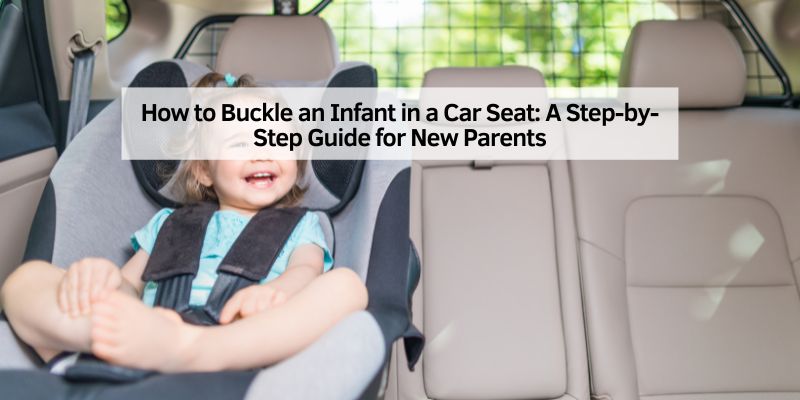
How to Buckle an Infant in a Car Seat: A Step-by-Step Guide for New Parents
When I first brought my newborn home from the hospital, I remember standing in our driveway, staring at the car seat, feeling a mix of excitement and nerves. Buckling an infant into a car seat can feel overwhelming, especially if you’re a new parent like I was. It’s not just about clicking a few straps—it’s about keeping your little one safe on every ride. Over the years, I’ve learned the ins and outs of car seat safety through research, practice, and advice from pediatricians and safety experts. Today, I’m sharing everything I’ve learned to help you buckle your infant in a car seat with confidence. This guide is designed to be clear, practical, and easy to follow, so you can hit the road knowing your baby is secure.
In this article, I’ll walk you through why proper buckling matters, how to choose the right car seat, and the step-by-step process of securing your infant. I’ll also cover common mistakes, tips for different car seat types, and how to ensure your baby is comfortable and safe. Whether you’re preparing for your first drive with your newborn or looking to refresh your knowledge, I’ve got you covered.
Why Proper Car Seat Buckling Is Critical
Every time I buckle my child into their car seat, I’m reminded of how much responsibility comes with those straps. Car seats are designed to protect infants in a crash, but they only work if used correctly. According to safety experts, a properly secured car seat can reduce the risk of injury in a crash by up to 71% for infants. That’s a huge number, and it’s why I take buckling so seriously.
When an infant isn’t buckled correctly, the car seat can’t do its job. Loose straps, incorrect harness positions, or a poorly installed car seat can put your baby at risk. I’ve seen parents rush through buckling because they’re in a hurry, but those extra few seconds to double-check can make all the difference. The goal is to keep your baby snug and secure, so the car seat can absorb and distribute crash forces effectively.
Choosing the Right Car Seat for Your Infant
Before I dive into the buckling process, let’s talk about picking the right car seat. When I was shopping for my first car seat, I was overwhelmed by the options. There are infant-only car seats, convertible car seats, and all-in-one models. For newborns and infants, I recommend an infant-only car seat because they’re designed specifically for smaller bodies.
Here’s a quick breakdown of car seat types to help you choose:
| Car Seat Type | Best For | Weight/Height Limits | Pros | Cons |
|---|---|---|---|---|
| Infant-Only Car Seat | Newborns to about 1 year | Typically up to 35 lbs or 32 inches | Lightweight, portable, fits newborns well | Outgrown quickly, more expensive long-term |
| Convertible Car Seat | Infants to toddlers (rear- and forward-facing) | Up to 40–65 lbs (varies by model) | Longer use, cost-effective | Heavier, less portable |
| All-in-One Car Seat | Infants to older children | Up to 65–120 lbs (varies by model) | Grows with child, versatile | Bulky, expensive upfront |
For infants, I found that infant-only car seats are the easiest to use. They come with a detachable carrier, which is great for moving a sleeping baby without disturbing them. Look for a car seat that meets federal safety standards and fits your vehicle. I always checked the car seat’s manual and my car’s manual to make sure they were compatible.

Preparing the Car Seat Before Buckling
When I got my first car seat, I made the mistake of thinking I could just pop it into the car and go. Big mistake! Preparing the car seat is just as important as buckling your baby correctly. Here’s what I learned to do first:
- Install the car seat properly. Most infant car seats can be installed with either a LATCH system (Lower Anchors and Tethers for Children) or a seat belt. I used LATCH because it felt more secure, but both can work if done right. Check that the car seat doesn’t move more than an inch side-to-side when tugged at the belt path.
- Adjust the recline angle. Infants need to ride at a 30- to 45-degree angle to keep their airways open. My car seat had a built-in angle indicator, which was a lifesaver. If yours doesn’t, you can use a rolled towel under the base to get the right angle.
- Check the harness height. The harness straps should come from the slots at or below your baby’s shoulders for rear-facing seats. I had to adjust the straps as my baby grew, which was easy once I read the manual.
Taking these steps upfront made buckling my infant so much easier. It’s like setting up a canvas before painting—you need a solid foundation.
Step-by-Step Guide to Buckling Your Infant
Now, let’s get to the heart of it: how to buckle your infant in a car seat. I’ve broken this down into simple steps based on what’s worked for me and what safety experts recommend. Follow these, and you’ll feel like a pro in no time.
Step 1: Place Your Baby in the Car Seat
I always start by gently placing my baby in the car seat, making sure their back and bottom are flat against the seat. This ensures they’re in the right position for the harness to work properly. If your baby is fussy, I found that talking softly or offering a pacifier helps keep them calm.
Step 2: Position the Harness Straps
Next, I pull the harness straps over my baby’s shoulders. The straps should lie flat, not twisted. Twisted straps can weaken the harness and make it less effective. I always run my fingers along the straps to check for twists before buckling.
Step 3: Buckle the Harness
Most infant car seats have a five-point harness, which includes two shoulder straps, two hip straps, and a crotch strap. I slide the shoulder straps over my baby’s shoulders and clip the two metal or plastic pieces into the crotch buckle. You’ll hear a click when it’s secure. I always give it a gentle tug to make sure it’s locked.
Step 4: Tighten the Harness
This step is crucial. I pull the harness adjustment strap (usually at the bottom of the car seat) to tighten the harness until it’s snug. A snug harness means you can’t pinch any slack between your fingers when you try to grab the strap at your baby’s shoulder. I learned this “pinch test” from a car seat technician, and it’s been my go-to ever since.
Step 5: Position the Chest Clip
The chest clip should sit at armpit level, across your baby’s chest. I made the mistake early on of placing it too low, near the belly, which isn’t safe. The clip helps keep the harness straps in place, so it’s important to get this right.
Step 6: Double-Check Everything
Before I start the car, I always double-check the harness, chest clip, and car seat installation. It takes just a few seconds, but it gives me peace of mind. I also make sure there’s nothing loose in the car seat, like toys or blankets, that could interfere with the harness.
Common Mistakes to Avoid
When I was new to this, I made a few mistakes that I now know to avoid. Here are the most common ones I’ve come across, both from my experience and talking to other parents:
- Loose harness straps. If the straps are too loose, your baby could slip out or move too much in a crash. Always do the pinch test.
- Incorrect chest clip position. As I mentioned, the chest clip needs to be at armpit level, not on the belly or too high.
- Using aftermarket products. I was tempted to buy cute car seat covers or strap pads, but many of these aren’t crash-tested and can interfere with safety. Stick to accessories approved by the car seat manufacturer.
- Not checking the expiration date. Car seats have expiration dates, usually 6–10 years from the manufacture date. I found mine stamped on the bottom of the seat.
- Improper installation. A wobbly car seat is a big no-no. I took my car seat to a local fire station for a free safety check, which was super helpful.
Avoiding these mistakes has made me much more confident in keeping my baby safe.
Tips for Different Car Seat Types
While I’ve focused on infant-only car seats, some parents use convertible or all-in-one car seats for their infants. Here’s what I’ve learned about buckling in these types:
- Convertible car seats. These are bulkier, so make sure you have enough space in your vehicle. The buckling process is similar, but you may need to adjust the harness more frequently as your child grows.
- All-in-one car seats. These are great for long-term use, but they can be tricky for newborns because they’re less contoured. Use the infant inserts provided by the manufacturer to ensure a snug fit.
No matter the type, always read the car seat manual. I keep mine in the glove compartment for quick reference.
Ensuring Your Infant’s Comfort
Safety is the priority, but I also want my baby to be comfortable. Here are some tips I’ve picked up:
- Dress appropriately. I avoid bulky clothing like winter coats because they can compress in a crash, leaving the harness loose. Instead, I use a blanket over the harness to keep my baby warm.
- Check for pressure points. Make sure the harness isn’t digging into your baby’s skin. I adjust the straps if they seem too tight.
- Keep the car seat clean. Spills and crumbs happen. I clean the car seat regularly with mild soap and water, following the manufacturer’s instructions.
A comfortable baby is a happy baby, and that makes car rides much smoother.
When to Transition Out of an Infant Car Seat
One question I had as a new parent was, “How long should my baby use an infant car seat?” Most infants outgrow their car seat by weight or height before their first birthday. My car seat’s manual listed the limits (usually around 35 pounds or 32 inches), and I checked them regularly. Once my baby hit those limits, I switched to a convertible car seat.
Pediatricians and safety experts recommend keeping infants rear-facing for as long as possible, ideally until at least age 2. Rear-facing is safer because it supports the head, neck, and spine better in a crash. I was nervous about the transition, but following the new car seat’s instructions made it straightforward.
Checking Your Work: Car Seat Safety Inspections
Even after years of buckling my kids, I still like to have my car seat checked occasionally. Many fire stations, police departments, and hospitals offer free car seat inspections. I took advantage of one when I installed my second child’s car seat, and the technician caught a small mistake in my LATCH setup. It was a humbling reminder that even experienced parents can miss something.
You can find a certified car seat technician near you through the National Highway Traffic Safety Administration (NHTSA) website. It’s quick, free, and totally worth it.

My Favorite Car Seat Accessories
While I avoid unapproved aftermarket products, there are a few accessories I’ve found helpful that are safe and manufacturer-approved:
- Sunshade canopy. This keeps the sun out of my baby’s eyes during drives.
- Car seat mirror. I use one to check on my baby in the rear-facing seat without turning around.
- Seat protector. This goes under the car seat to protect my car’s upholstery without affecting safety.
These little extras have made car rides more pleasant for both me and my baby.
Conclusion
Buckling my infant into a car seat used to feel like a puzzle, but now it’s second nature. Every time I hear that harness click, I know I’m doing my part to keep my baby safe. By choosing the right car seat, installing it correctly, and following the buckling steps, you’re giving your infant the best protection possible. It’s not just about following rules—it’s about the peace of mind that comes with knowing your little one is secure.
Take your time, double-check your work, and don’t be afraid to ask for help. Whether it’s your first time buckling your newborn or you’re refreshing your skills, you’ve got this. Safe travels, and enjoy those precious moments with your baby on the road!
FAQs
How tight should the car seat harness be?
The harness should be snug enough that you can’t pinch any slack between your fingers at your baby’s shoulder. I always do the pinch test to make sure it’s just right—not too loose, not too tight.
Can I use a blanket or coat in the car seat?
Avoid bulky blankets or coats under the harness because they can compress in a crash, leaving the harness loose. I tuck a blanket over the harness after buckling to keep my baby warm.
How do I know if my car seat is installed correctly?
The car seat shouldn’t move more than an inch side-to-side when tugged at the belt path. I recommend getting it checked by a certified technician for extra confidence.
When should I stop using an infant car seat?
Switch to a convertible car seat when your baby exceeds the weight or height limit of the infant car seat, usually around 35 pounds or 32 inches. Keep them rear-facing as long as possible, ideally until age 2.
Can I reuse an old car seat for my new baby?
Check the expiration date on the car seat, usually found on a sticker. If it’s expired or has been in a crash, don’t use it. I always buy a new car seat for each child to ensure maximum safety.