How to Switch On Light in Car: A Step-by-Step Guide for Every Driver
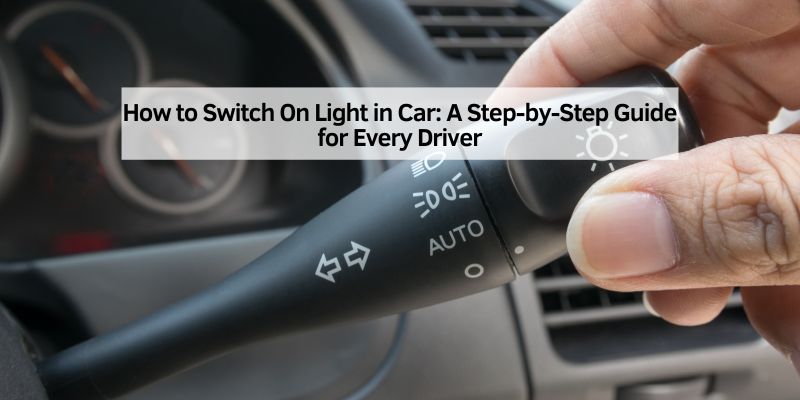
To turn on your headlights, twist or push the light control knob or stalk — usually on the left side of the steering column — from “Off” to “Auto” or the headlight symbol. Interior (dome) lights turn on by pressing the switch on the light itself or by opening a door in “Door” mode. I’ve fumbled with a stiff knob in the dark before — this guide also covers fog lights and troubleshooting.
Understanding Your Car’s Lighting System
I remember the first time I drove my cousin’s new SUV at night. The dashboard looked like a spaceship, and I had no clue how to turn on the headlights. Cars today come with all sorts of lights—headlights, fog lights, interior lights, and more. Knowing what each does is the first step to using them right.
Your car’s lighting system is designed to keep you safe and comfortable. Headlights light up the road ahead, while fog lights help in bad weather. Interior lights, like dome lights, make it easy to see inside the car. Most cars have a control panel or switch near the steering wheel to manage these. Some newer models even have automatic lights that turn on when it gets dark. But don’t worry if your car doesn’t have that fancy tech—I’ll cover the basics for all types of vehicles.
The key is to find the light switch, which is usually a knob, lever, or button on the turn signal stalk or dashboard. Older cars might have a simple pull-out knob, while newer ones could have a rotating dial with icons. If you’re unsure, check your car’s manual—it’s like the ultimate cheat sheet.
Types of Car Lights and Their Functions
Cars have different lights for different purposes, and I learned this the hard way when I tried using my high beams in a city. Spoiler: don’t do that—it blinds other drivers! Here’s a quick rundown of the main types of lights in your car:
- Headlights: These are your go-to for driving at night. They come in low-beam and high-beam settings. Low beams are for normal driving, while high beams are for dark, empty roads.
- Fog Lights: These sit lower on the car and help you see in fog, rain, or snow. They’re not always standard, so check if your car has them.
- Daytime Running Lights: These turn on automatically when you drive. They make your car more visible during the day.
- Interior Lights: These include dome lights (above your head) and map lights (for reading or finding stuff). They’re super handy when you drop your keys in the dark.
- Parking Lights: These are dim lights used when you’re parked but want to stay visible.
- Turn Signals and Hazard Lights: Not exactly for lighting the road, but they’re part of the system and help with safety.
Each light has a specific job, and knowing them helps you use the right one at the right time. I once left my parking lights on by mistake and came back to a dead battery—lesson learned!
How to Locate the Light Controls in Your Car
Finding the light controls can feel like a treasure hunt, especially in a new car. When I borrowed my friend’s truck, I spent five minutes searching before I found the switch. Here’s how to track it down:
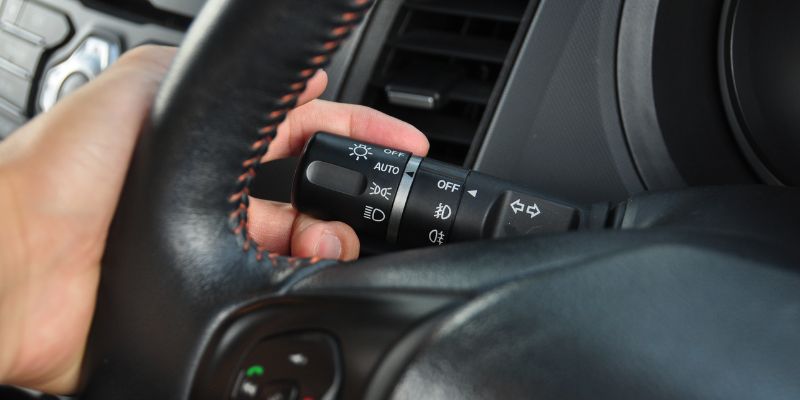
- Check the Turn Signal Stalk: Most cars have a lever sticking out from the steering column. Twist or push it to control the headlights. Look for icons like a light bulb or a headlight beam.
- Look on the Dashboard: Some cars have a rotary knob or buttons near the steering wheel. My old Honda had a big dial with clear labels.
- Consult the Owner’s Manual: If you’re stumped, the manual will point you to the exact spot. I keep mine in the glove box for emergencies.
- Test in a Safe Spot: Park somewhere safe, like your driveway, and play with the controls. That’s what I did when I got my new car, and it saved me from panicking on the road.
If your car has automatic lights, you might see an “Auto” setting. This uses sensors to turn lights on when it’s dark or rainy. But even with auto mode, it’s good to know how to manually control your lights for situations like heavy fog.
Step-by-Step Guide to Switching On Your Car’s Headlights
Alright, let’s get to the main event: turning on your headlights. I’ve done this in all sorts of cars, from my beat-up first car to a fancy rental. Here’s how it works:
- Sit in the Driver’s Seat: Make sure you’re comfy and can see all the controls.
- Find the Light Switch: Look at the turn signal stalk or dashboard for a knob or lever. It’s usually on the left side of the steering wheel.
- Turn to the Headlight Setting: Twist the stalk or dial to the headlight icon (it looks like a light bulb with lines). Some cars have an “On” position instead.
- Choose Low or High Beams: Low beams are your default for city driving. If you’re on a dark country road, push or pull the stalk to switch to high beams.
- Check the Dashboard: Most cars show a green headlight icon when the lights are on. If you don’t see it, try again.
If your car has automatic headlights, just set the dial to “Auto,” and the car does the work for you. I love this feature on my current car—it’s like having a little helper. But I still check manually sometimes to make sure everything’s working.
Here’s a quick table to summarize the headlight settings:
| Setting | When to Use | How to Activate |
|---|---|---|
| Low Beams | Night driving, city streets | Twist stalk/dial to headlight icon |
| High Beams | Dark, empty roads | Push/pull stalk after low beams are on |
| Auto Mode | Any time (if available) | Set dial to “Auto” |
| Parking Lights | When parked in low-visibility areas | Twist to parking light icon |
How to Turn On Interior Lights
Dropping my phone under the seat at night taught me the value of interior lights. Whether it’s the dome light or map lights, here’s how to switch them on:
- Dome Light: This is the main light in the car’s ceiling. Look for a switch on the light itself or near the dashboard. It might have “On,” “Off,” and “Door” settings. “Door” means it turns on when you open the door. I always set mine to “Door” so it lights up when I get in.
- Map Lights: These are smaller lights above the driver or passenger seats. Press the button next to the light to turn it on or off. I use these when I need to read a map or find something small.
- Dashboard Controls: Some cars have a central switch for all interior lights. Check your dashboard or console for a button with a light bulb icon.
Pro tip: If your interior lights don’t turn on, check the bulb. I once thought my car was broken, but it was just a burnt-out bulb. Easy fix!
Using Fog Lights for Extra Visibility
Fog lights are a lifesaver in bad weather, but they’re not on every car. I learned this when driving through a stormy night in my old hatchback. If your car has them, here’s how to use them:
- Locate the Fog Light Switch: It’s often a separate button or a setting on the headlight dial. Look for an icon with wavy lines and a downward beam.
- Turn Them On: Most cars require the headlights to be on first. Then, press the fog light button or twist the dial to the fog light setting.
- Know When to Use Them: Only use fog lights in low-visibility conditions like fog, heavy rain, or snow. They’re bright and can annoy other drivers if used incorrectly.
I once turned on my fog lights during a clear night by mistake, and another driver flashed their lights at me. Oops! Now I save them for when I really need them.
Troubleshooting Common Lighting Issues
Sometimes, things don’t work as planned. I’ve had my share of headlight troubles, so here are some common issues and fixes:
- Headlights Won’t Turn On: Check if the switch is in the right position. If it’s on “Auto,” try manual mode. Also, inspect the bulbs—burnt-out headlights are common. I keep spare bulbs in my trunk just in case.
- Interior Lights Stay On: This usually means the dome light is set to “On” instead of “Door.” Switch it to “Door” or “Off.” I made this mistake and drained my battery overnight once.
- Dim Lights: This could be a sign of a weak battery or dirty headlight lenses. I clean my headlights with a bit of toothpaste and a cloth—it works like magic!
- Auto Mode Not Working: Sensors can get dirty or fail. Wipe down the sensor (usually on the dashboard or windshield) with a soft cloth. If it still doesn’t work, take it to a mechanic.
If you’re stuck, don’t panic. I’ve pulled over to fiddle with my lights before, and a quick check usually solves it. If not, your mechanic can help.
Tips for Safe Night Driving
Turning on your lights is just the start. Driving at night can be tricky, but I’ve picked up some tips over the years:
- Use Low Beams in Traffic: High beams can blind other drivers, so stick to low beams in busy areas. I learned this after getting honked at in a busy parking lot.
- Clean Your Headlights Regularly: Dirty lenses reduce visibility. I give mine a quick wipe every few weeks.
- Adjust Your Mirrors: Night glare from other cars can be intense. Tilt your rearview mirror to reduce it.
- Stay Alert: Night driving requires extra focus. I always take a break if I feel tired.
These habits have kept me safe on countless night drives, and they’ll help you too.
Maintaining Your Car’s Lighting System
Keeping your lights in top shape is crucial. I ignored a flickering headlight once, and it went out in the middle of a road trip—not fun. Here’s how I maintain mine:
- Check Bulbs Regularly: Look at your headlights and interior lights every month. Replace any that are dim or burnt out.
- Clean Lenses: Use a mild cleaner or toothpaste to remove grime from headlight lenses.
- Inspect Wiring: If lights flicker, it might be a wiring issue. I had a loose connection once, and a quick trip to the shop fixed it.
- Keep Spares Handy: I carry spare bulbs and fuses in my car. They’re cheap and easy to replace.
Regular maintenance saves you from surprises and keeps your car road-ready.
Why Proper Lighting Matters
Good lighting isn’t just about seeing the road—it’s about safety. I’ve driven in pitch-black rural areas where my headlights were my only guide. Proper lighting helps you spot obstacles, read signs, and avoid accidents. It also makes sure other drivers see you. I once avoided a deer on a dark road because my lights caught its eyes in time. Plus, cops can pull you over for driving without lights, and nobody wants that hassle.
Conclusion
Learning how to switch on light in car might seem like a small thing, but it’s a big deal for safe driving. From finding the light switch to using fog lights in a storm, I’ve shared everything I’ve learned from years of driving different cars. Whether you’re flipping on headlights for a night drive or turning on the dome light to find your keys, it’s all about knowing your car and staying prepared. Keep this guide handy, and you’ll never be left in the dark. Drive safe, and enjoy the road!
FAQs
How do I know if my car has automatic headlights?
Check your light control dial for an “Auto” setting. If it’s there, your car likely has automatic headlights. You can also look in the owner’s manual or test it by driving in low light with the dial set to “Auto.”
Why won’t my interior lights turn on when I open the door?
Your dome light might be set to “Off” instead of “Door.” Check the switch on the light or dashboard. If it’s on “Door” and still doesn’t work, the bulb might be burnt out or there’s a wiring issue.
Can I drive with only parking lights at night?
No, parking lights are too dim for driving. Always use headlights at night for safety and to follow traffic laws. Parking lights are meant for when you’re parked.
How often should I replace my headlight bulbs?
It depends on the bulb type, but most last 1-2 years. Check them monthly, and replace any that are dim or burnt out. I keep spares in my car for quick fixes.
Are fog lights necessary for driving?
Fog lights aren’t mandatory, but they’re super helpful in low-visibility conditions like fog or heavy rain. Only use them when needed, as they can be bright and distract other drivers.
Products related to this article
Sponsored / affiliate links. As an Amazon Associate I earn from qualifying purchases. I may earn additional commission from eligible campaigns.