How to Sync Your Phone to Your Car: Bluetooth, USB & CarPlay
You can sync your phone to your car via Bluetooth (wireless, most cars made after 2010), USB cable, or Android Auto/Apple CarPlay — but the method depends on your car’s infotainment system. Using the wrong approach wastes setup time; Bluetooth won’t work on cars older than 2010 without an adapter, and some USB ports only charge, not sync. This guide covers all three sync methods, hands-free optimization, and how to fix pairing failures.
Quick Answer
To sync your phone to your car: go to Settings → Bluetooth on your phone, enable Bluetooth on your car’s infotainment screen, select your car from the device list, and confirm the pairing code. For hands-free use, also enable Do Not Disturb (Driving) and set up Google Assistant or Siri voice commands before you drive.
What Is Phone-to-Car Syncing?
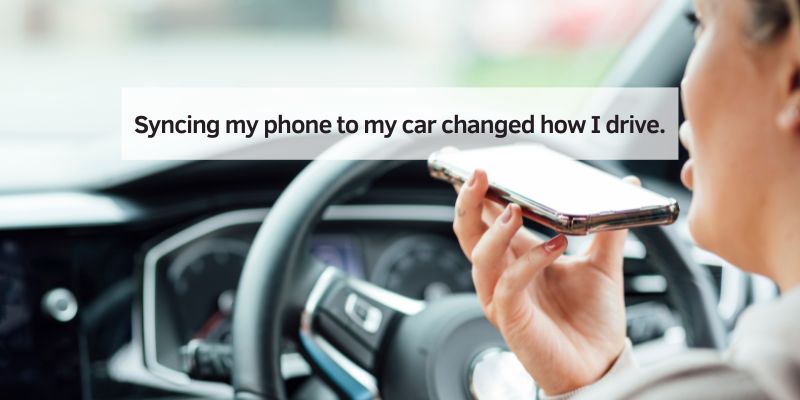
Phone-to-car syncing is the process of connecting your smartphone to your vehicle’s infotainment system so you can use calls, music, navigation, and voice commands through the car’s speakers and screen — without touching your phone while driving. The three main methods are Bluetooth (wireless), USB cable (wired), and platform apps like Android Auto or Apple CarPlay.
Syncing keeps you safer behind the wheel. Hands-free calling and voice-controlled navigation reduce the distraction of reaching for your phone, and car speakers deliver significantly better audio quality than your phone’s built-in speaker for music and calls.
Ways to Sync Your Phone to Your Car
There are three main ways to sync your phone to your car: Bluetooth, USB cable, and Android Auto/Apple CarPlay. Each works differently depending on your car’s infotainment system and your phone type.
Syncing with Bluetooth
Bluetooth is the most common sync method — wireless, automatic on reconnect, and compatible with virtually all smartphones and cars built after 2010. Initial pairing takes under 2 minutes. For a dedicated walkthrough on streaming music specifically via Bluetooth — including adapter options for cars without built-in Bluetooth — see our guide on how to play Bluetooth music in your car.
Steps to Sync with Bluetooth
- Turn on Bluetooth. Go to your phone’s Settings → Bluetooth and toggle it on. Do the same on your car’s infotainment screen.
- Pair your phone. On your car’s screen, select “Add Device” or “Pair Device.” Your phone will show the car in the available devices list — tap it.
- Confirm the code. A numeric code appears on both screens. Confirm it matches, then tap “Pair.”
- Test the connection. Play music or make a call to confirm audio routes through the car speakers.
Tools You Need
- A phone with Bluetooth (all modern smartphones have it).
- A car with Bluetooth (check your owner’s manual — most 2010+ vehicles have it).
- No cables needed.
Syncing with a USB Cable
A USB cable provides the most reliable sync connection and charges your phone simultaneously. It also unlocks Android Auto and Apple CarPlay on compatible cars. Use your phone’s original data cable — cheap third-party cables often only charge and won’t carry audio or data.
Steps to Sync with USB
- Use the right cable. USB-C for most Android phones; Lightning for iPhones (or USB-C on iPhone 15+).
- Plug in. Connect one end to your phone and the other to the car’s USB port labeled “Media” or “Data” (not just a charging port).
- Select USB mode. Your car’s screen will prompt you to choose “Media” or “Phone” — pick the appropriate mode.
- Test it. Play music or open a navigation app to confirm the connection.
Tools You Need
- A compatible data cable (USB-C or Lightning — must be a data cable, not charge-only).
- A car USB port that supports audio/data (check your car’s manual).
Using Android Auto or Apple CarPlay
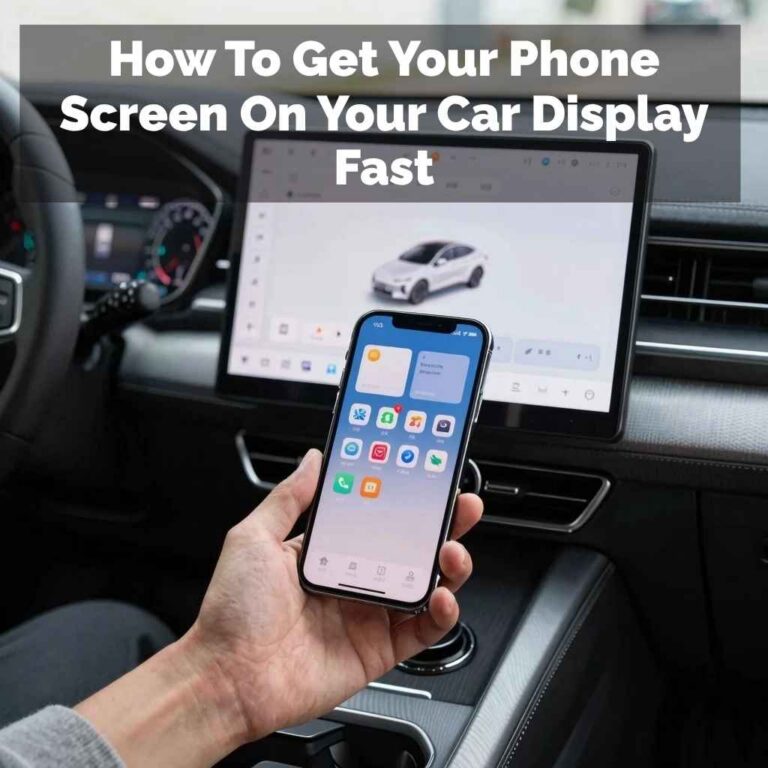
Android Auto and Apple CarPlay mirror your phone’s navigation, music, and messaging apps on your car’s touchscreen with large, easy-to-tap controls optimized for driving. Both support voice commands — “Hey Google” for Android Auto and “Hey Siri” for CarPlay — so you can control everything hands-free.
Steps to Set Up Android Auto or Apple CarPlay
- Check compatibility. Confirm your car supports Android Auto or Apple CarPlay (check your manufacturer’s site or the car’s infotainment menu).
- Download the app. Android Auto is available on Google Play (Android 6.0+). Apple CarPlay is built into all iPhones running iOS 7.1 or later — no download needed.
- Connect your phone. Use a USB data cable for first-time setup (more reliable). Some 2019+ vehicles support wireless CarPlay/Android Auto via Bluetooth.
- Follow on-screen prompts. Grant the app permission to access maps, messages, and media when prompted on your phone.
- Use it. Navigate, play music, or send texts through your car’s screen using voice or touch.
Tools You Need
- A compatible car (see Apple’s CarPlay page or Android Auto’s site for the full list).
- An iPhone (CarPlay) or Android phone (Android Auto).
- A USB data cable for wired setup, or Bluetooth for wireless (newer cars only).
How to Optimize Your Phone for Hands-Free Car Usage
Syncing your phone is step one — but to truly use your car hands-free without distractions, you need to configure a few settings on your phone before you drive. These take under 5 minutes to set up once and work automatically every drive after that.
Enable Do Not Disturb (Driving Mode)
Both Android and iPhone have a driving-specific Do Not Disturb mode that silences notifications and optionally sends auto-replies to contacts while you’re moving. On iPhone: Settings → Focus → Driving → turn on “Activate Automatically.” On Android: Settings → Digital Wellbeing → Driving → turn on “Do Not Disturb while driving.” This prevents notification sounds from interrupting calls or navigation audio through your car speakers.
Set Up Voice Commands Before You Drive
Configure voice assistants so you never need to touch your phone while driving. On Android: open Android Auto settings and ensure Google Assistant is enabled — say “Hey Google” to make calls, send texts, or change navigation. On iPhone: go to Settings → Siri → enable “Listen for Hey Siri.” With CarPlay active, say “Hey Siri, call [name]” or “Hey Siri, navigate to [address]” without taking your hands off the wheel.
Reduce Battery Drain During Wireless Sync
Bluetooth and wireless CarPlay/Android Auto can drain your phone battery noticeably on long drives. Fix this by plugging into the car’s USB port simultaneously — it syncs audio and charges at the same time. Alternatively, lower your screen brightness to minimum while connected and close background apps that run cellular data (streaming apps buffer locally once loaded).
Pre-Load Navigation and Music Before Driving
Load your destination in Google Maps, Apple Maps, or Waze before you start driving. Queue a playlist in Spotify, Apple Music, or SiriusXM with shuffle on. This way, your first voice command or screen tap after syncing has audio playing and navigation running — zero need to look at your phone once you’re on the road.
How to Pair Your Phone to Your Car: Troubleshooting Guide
If your phone won’t pair or keeps disconnecting from your car’s Bluetooth, the fix is usually one of five common causes. Work through these in order before assuming a hardware issue.
| Problem | Cause | Fix |
|---|---|---|
| Phone won’t show in car’s device list | Bluetooth not discoverable | On your phone, go to Settings → Bluetooth — ensure it’s toggled ON and your phone is visible to other devices |
| Pairing code mismatch | Digits typed wrong or timed out | Start pairing over — both devices must show the same 6-digit code; confirm within 30 seconds |
| Previously paired but won’t reconnect | Device limit reached or corrupted pairing | Delete the car from your phone’s Bluetooth list AND delete your phone from the car’s system, then re-pair fresh |
| Connects but no audio | Wrong audio profile selected | On the car screen, check audio source is set to Bluetooth/Phone; on your phone, confirm Media Audio is enabled in the Bluetooth device settings |
| Keeps dropping connection mid-drive | Wireless interference or outdated firmware | Check for car infotainment software updates; turn off Wi-Fi on your phone to reduce interference with Bluetooth 2.4GHz band |
Benefits and Drawbacks of Syncing
Benefits
- Hands-free safety. Make calls, send messages, and navigate using voice commands without touching your phone.
- Better audio. Play music through your car’s full speaker system rather than your phone’s small built-in speaker.
- Easy navigation. See turn-by-turn directions on your car’s larger display screen.
- Auto-reconnect. After the initial pairing, Bluetooth reconnects automatically every time you start the car.
Drawbacks
- Connection drops. Bluetooth can disconnect in areas with heavy wireless interference or if your phone connects to another device first.
- Battery drain. Wireless Bluetooth sync uses more phone battery than a wired USB connection.
- Compatibility limits. Android Auto and Apple CarPlay require a compatible car — older vehicles may need an aftermarket head unit upgrade.
Comparison of Syncing Methods
| Method | Wireless? | Audio Quality | Charges Phone? | Best For |
|---|---|---|---|---|
| Bluetooth | Yes | Good | No | Quick wireless music and calls; most cars |
| USB Cable | No | Best | Yes | Reliable connection; Android Auto/CarPlay; charging while driving |
| Android Auto / CarPlay | Wired or wireless | Best | Yes (wired) | Full phone integration; maps, apps, voice commands on car screen |
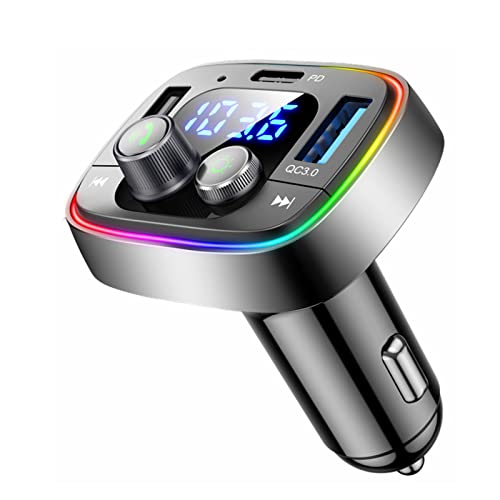
| FM Transmitter | Yes (radio) | Fair | Some models | Older cars with no AUX, Bluetooth, or USB port |
Troubleshooting Common Syncing Problems
Common Issues and Fixes
| Issue | Fix |
|---|---|
| Phone won’t pair with car | Restart Bluetooth on both devices. Delete the existing pairing on both sides and re-pair from scratch. |
| Music or calls won’t play through car | Check car’s audio input settings — confirm the source is set to Bluetooth or USB, not radio or AUX. |
| App doesn’t show on car screen | Update Android Auto or CarPlay app; check that you’re using a data cable, not a charge-only cable. |
| Bluetooth keeps disconnecting | Turn off phone Wi-Fi to reduce 2.4GHz interference; check for car firmware updates in the infotainment menu. |
Top Troubleshooting Tips
- Restart everything first. Turn Bluetooth off, wait 10 seconds, turn it back on — on both the phone and the car.
- Update your software. Keep your phone OS and car infotainment system updated; many Bluetooth bugs are fixed in firmware updates.
- Delete and re-pair. Remove the car from your phone’s Bluetooth list and remove your phone from the car’s paired devices, then pair fresh.
- Check compatibility. Visit your car manufacturer’s support page to confirm your phone model is supported.

Tips for Easy Syncing
- Start with Bluetooth for the simplest setup. If your car supports it, Bluetooth pairing takes under 2 minutes and works wirelessly from then on.
- Test before driving. Run the sync in your driveway first — troubleshoot any pairing issues before you’re on a highway.
- Use a phone mount. If your car’s screen is small or doesn’t support CarPlay/Android Auto, a windshield or dash mount keeps your phone visible at eye level.
- Keep a USB cable in your car. As a backup for when Bluetooth drops mid-drive — plug in and your audio switches to wired instantly.
Frequently Asked Questions
How to sync my phone to my car with Bluetooth?
Turn on Bluetooth on your phone (Settings → Bluetooth) and on your car’s infotainment screen. Select “Add Device” or “Pair New Device” on the car screen, find your car’s name on your phone’s device list, tap it, and confirm the matching pairing code on both screens. Test by playing music. If it fails, restart Bluetooth on both devices and try again.
Can I sync my phone to my car without Bluetooth?
Yes — use a USB cable. Plug your phone into your car’s USB port (must be a data-capable port, not charge-only), then select “Media” or “Phone” on the car’s screen. For cars with no AUX, USB, or Bluetooth at all, an FM transmitter ($20–$30) plugs into the 12V port and broadcasts your phone’s audio over an FM radio frequency.
Why won’t my phone connect to my car?
The most common causes are: Bluetooth is off on your phone or car, the devices were never paired initially, or an old corrupted pairing is blocking a new connection. Fix: turn Bluetooth off and on on both devices, delete the existing pairing from both the phone and the car’s Bluetooth menu, then re-pair from scratch. Also check that your car’s infotainment firmware is up to date.
Is Android Auto or Apple CarPlay better for syncing?
Both work equally well — the choice depends on your phone. Android Auto works with Android phones (Android 6.0+); Apple CarPlay works with iPhones (iOS 7.1+). CarPlay is generally considered smoother for iPhone users due to tighter Apple ecosystem integration. Android Auto offers more third-party app compatibility. Both show apps on your car’s touchscreen and support full voice control via Google Assistant or Siri.
How do I know if my car supports syncing?
Check your car’s owner’s manual under “Connectivity” or “Infotainment.” Most cars built after 2010 have Bluetooth; most 2016+ vehicles support Android Auto or CarPlay. You can also check your car manufacturer’s support page (Toyota, Ford, Honda, etc.) by entering your model year to see which connection methods are supported.
What should I do if syncing drains my phone battery?
Switch from wireless Bluetooth to a wired USB connection — it syncs audio and charges your phone simultaneously. If you must use Bluetooth, plug a USB charger into the car’s 12V port to charge while you drive. On Android, closing background apps before connecting also reduces battery drain during a long drive.
Are there safety tips for syncing my phone to my car?
Complete the initial Bluetooth pairing before you start driving — never pair while moving. Enable Do Not Disturb (Driving Mode) on your phone to silence non-essential notifications. Use voice commands (Hey Google or Hey Siri) for calls and navigation so your hands stay on the wheel. If you need to troubleshoot a connection issue, pull over safely before touching your phone settings.
Conclusion
Syncing your phone to your car takes under 2 minutes with Bluetooth or USB — and once set up, it connects automatically every drive. For the best hands-free experience, enable Driving Mode, set up Hey Google or Hey Siri, and pre-load your navigation before you pull out. If pairing fails, delete both sides of the Bluetooth connection and re-pair fresh. That resolves 90% of connection issues without a trip to the dealership.
Products related to this article
Sponsored / affiliate links. As an Amazon Associate I earn from qualifying purchases. I may earn additional commission from eligible campaigns.