How to Find What’s Draining Your Car Battery
It can be super frustrating when your car battery dies unexpectedly, leaving you stranded. You might wonder why it happened, especially if your car is relatively new. Figuring out what’s draining your car battery can seem tricky, like solving a puzzle with missing pieces.
But don’t worry! This guide will show you exactly How to Find What’s Draining Your Car Battery in a simple, step-by-step way. We’ll explore common culprits and how to spot them.
Why Your Car Battery Dies and How to Find the Drain
A car battery is like the heart of your vehicle’s electrical system. It stores power and sends it to start the engine and run all the electronics when the engine isn’t on. When your battery suddenly goes flat, it’s usually because something is using more power than it should, or the battery itself is old and can’t hold a charge anymore.
For many car owners, especially those new to vehicle maintenance, pinpointing the exact cause of a battery drain can feel like a mystery. This guide is here to make that mystery easy to solve.
Understanding How Batteries Work
Your car’s battery is a storage device for electrical energy. When your engine is running, the alternator charges the battery. However, when the engine is off, certain electrical components are designed to draw a small amount of power, known as parasitic draw.
This is normal. For instance, the car’s computer needs a tiny bit of power to remember settings, and the alarm system needs some to be ready. The problem arises when this parasitic draw is too high, or when components that should be off when the engine is off are still consuming significant power.
Batteries have a limited lifespan. Over time, their ability to hold a charge degrades. Exposure to extreme temperatures, both hot and cold, can accelerate this process.
A battery that’s several years old might simply be at the end of its life, unable to meet the demands of modern vehicles, which often have more electronic gadgets than older cars.

Common Causes of Battery Drain
Several things can cause your car battery to drain faster than it should. Some are easy to spot, while others require a little more detective work.
Leaving Lights On
This is probably the most common reason for a dead battery. Headlights, interior lights, or even a trunk light left on can drain a battery completely overnight. Most modern cars have a system to remind you if your headlights are on when you turn off the engine, but this doesn’t always work for interior lights or trunk lights.
Faulty Alternator
While the alternator’s job is to charge the battery when the engine is running, a faulty alternator can sometimes lead to battery issues. If the alternator isn’t charging properly, the battery will drain down over time, especially if you do a lot of short trips where the battery doesn’t get enough time to recharge. Conversely, a failing alternator can sometimes overcharge the battery, which can also shorten its life.
Parasitic Draw Issues
Parasitic draw is the amount of electrical current your car consumes when the engine is off. A small amount of parasitic draw is normal. However, if a component fails to turn off completely, or if there’s a short circuit somewhere, the parasitic draw can become excessive, draining the battery overnight.
Common culprits for high parasitic draw include:
- Aftermarket accessories that are not wired correctly.
- Faulty door lock actuators or switches.
- Problems with the car’s computer or modules.
- Stuck relays.
- Malfunctioning infotainment systems or navigation units.
Corroded or Loose Battery Terminals
Corrosion on the battery terminals can prevent the battery from getting a good charge or delivering power effectively. Loose terminals can also cause intermittent electrical problems and poor connections, which can contribute to battery drain.
Worn-Out Battery
Like all batteries, car batteries have a limited lifespan. Typically, a car battery lasts between 3 to 5 years. If your battery is older than this, it might simply be unable to hold a charge effectively, leading to it dying prematurely.
Other Electrical Issues
Problems with the ignition system, starter motor, or even a faulty fuse can sometimes draw excessive power from the battery.
How to Find What’s Draining Your Car Battery: A Step-by-Step Guide
Now that we know what can cause battery drain, let’s figure out how to find the culprit in your car. You’ll need a few basic tools for this.
Step 1: The Visual Inspection
Before you get technical, start with a simple visual check.
- Check for lights left on: Double-check headlights, interior dome lights, vanity mirror lights, and the trunk light. Make sure they are all off.
- Inspect battery terminals: Look for any white or blue powdery corrosion on the battery posts and cable clamps. Clean them if you find any. Also, ensure the cable clamps are tight.
- Examine the battery for damage: Look for any cracks or leaks in the battery casing.
Step 2: Test the Battery’s Health
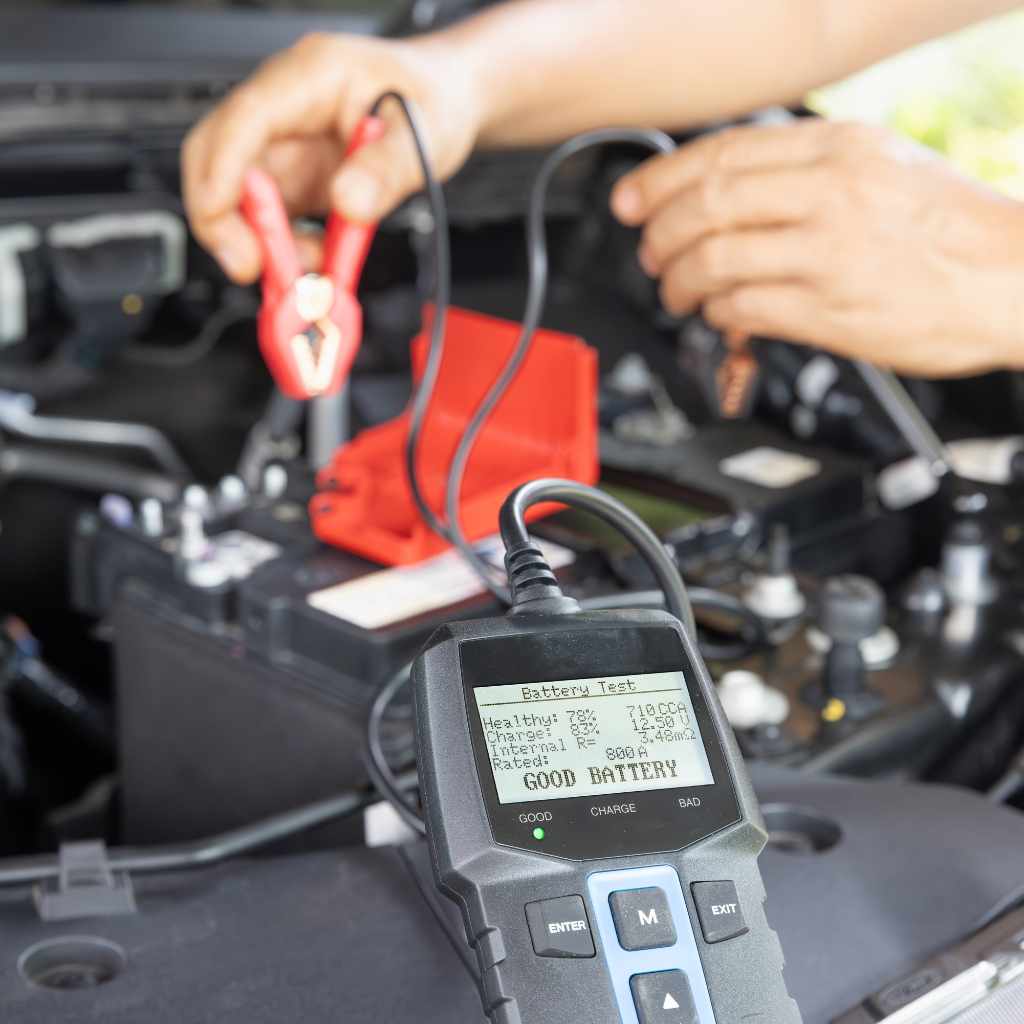
A weak battery might behave like it’s being drained. You can test your battery’s health using a multimeter or by taking it to an auto parts store for a free test.
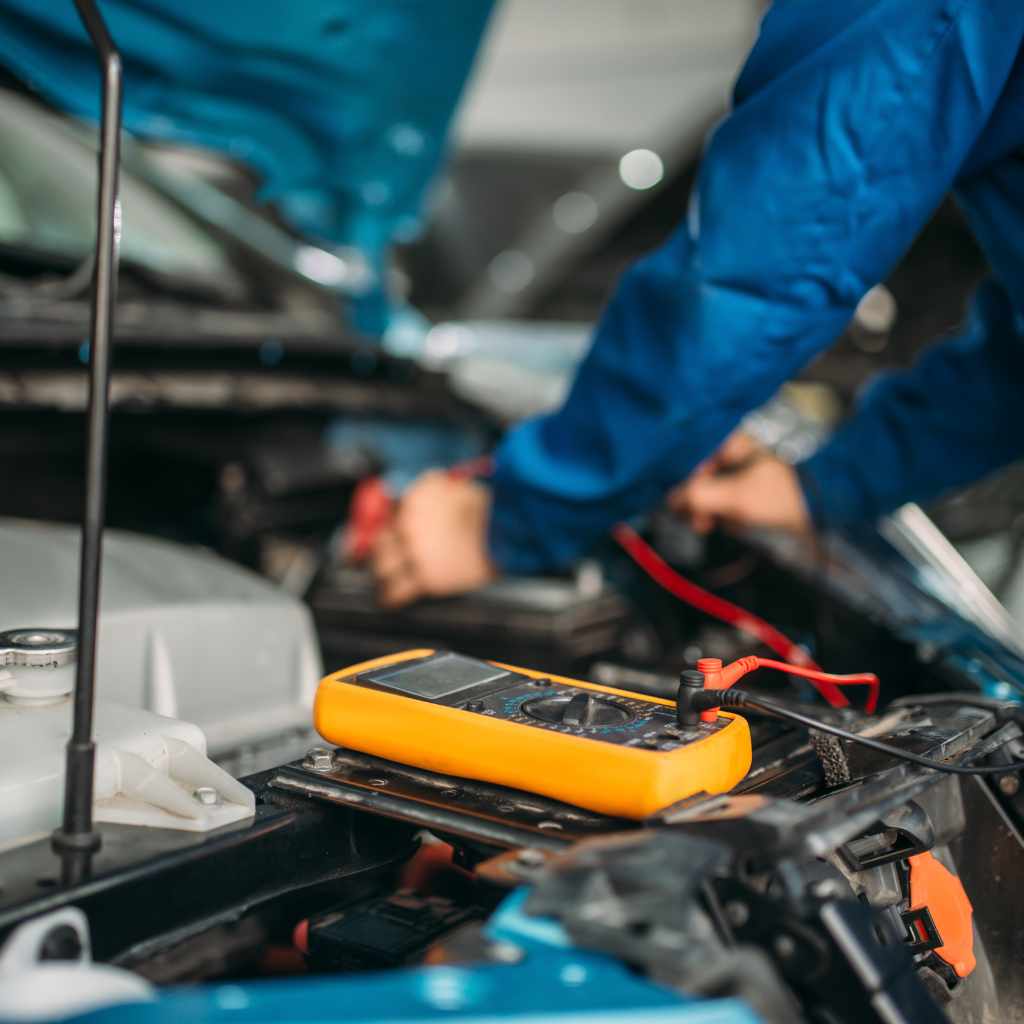
Using a Multimeter:
- Set your multimeter to DC voltage (usually indicated by ‘V–‘ or ‘DCV’).
- With the engine off, connect the red probe to the positive (+) battery terminal and the black probe to the negative (-) terminal.
- A fully charged battery should read around 12.6 volts or higher. A reading below 12 volts often indicates a discharged battery.
- If you can, have someone start the engine while you watch the voltage. It should rise to around 13.7 to 14.7 volts, indicating the alternator is charging the battery.
Step 3: Checking for Parasitic Draw
This is where you’ll need your multimeter set to measure amperage (usually indicated by ‘A–‘ or ‘DCA’).
Important Safety Note: When checking for parasitic draw, you’ll be working with the car’s electrical system. Make sure the engine is off, the keys are out of the ignition, and all doors are closed. Some cars have sensors that keep doors “open” even when closed, so you might need to trick the door switch into thinking the door is shut (e.g., by pushing the latch mechanism with a screwdriver or a shop rag).
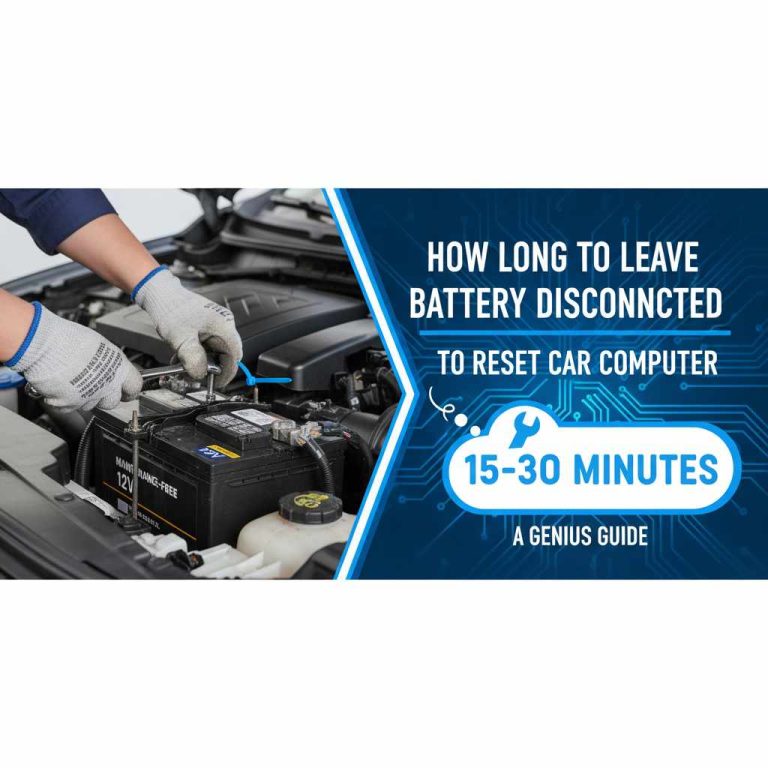
- Disconnect the Battery: First, disconnect the negative (-) battery cable.
- Connect Multimeter in Series: Set your multimeter to measure DC amperage in the 10A or 20A range (start with the highest range if you’re unsure). Connect the red probe of the multimeter to the disconnected negative battery cable and the black probe to the negative battery post. This places the multimeter in a position to measure any current flowing out of the battery.
- Check the Reading: Once connected, check the reading on your multimeter. A normal parasitic draw is typically between 20 to 50 milliamps (mA). If your multimeter shows a reading higher than this, there’s a drain.
-
Identify the Culprit: If you have a high reading, you need to find which circuit is drawing too much power.
- Close all doors, hood, and trunk.
- Start pulling fuses one by one from your car’s fuse box(es). With each fuse pulled, watch the multimeter’s reading. When the amperage drops significantly (ideally to the 20-50mA range), you’ve found the circuit that is drawing too much power.
- Note which fuse you pulled and the system it controls (check your car’s manual for fuse box diagrams).
Pro Tip: If your multimeter doesn’t have an amperage setting or you’re not comfortable doing this, you can buy a “circuit tester” or a “parasitic draw tester” that makes this process a bit easier and safer.
Step 4: Inspecting the Identified Circuit
Once you’ve identified the circuit with the excessive draw, you can start investigating that specific area. For example, if you found the culprit was the interior light fuse, you’d inspect the interior light switch, the bulb itself, and the wiring connected to it. If it’s a more complex system like the infotainment unit, you might need to check for software updates or consult a professional.
Step 5: Checking the Alternator
If you suspect the alternator might be the issue, a mechanic can test it properly. They’ll check its output voltage and its ability to charge the battery under different load conditions.
Common Culprits and How to Spot Them
Here are some more specific examples of what to look for once you’ve narrowed down the area of the drain.
Infotainment Systems and Aftermarket Electronics
Modern cars have complex infotainment systems, GPS, and other electronics. Sometimes, these systems don’t go into “sleep mode” properly after the car is turned off, continuing to draw power. Similarly, poorly installed aftermarket accessories like alarms, stereos, or dashcams are frequent causes of parasitic drain.
How to check: If you have a newer system or recently installed something aftermarket, look for its specific fuse. Pulling that fuse should cause the draw to drop. If it does, the problem is likely with the unit itself or its installation.
Door Lock Actuators and Switches
Faulty door lock actuators or the switches that control them can sometimes stay “on,” drawing constant power. This can also sometimes affect interior lights that are tied to the door sensors.
How to check: If you find that a fuse related to door locks or interior lighting is causing the draw, inspect the operation of your door locks and ensure all interior lights turn off when the doors are shut.
Stuck Relays
Relays are electrical switches that control power to various components. If a relay gets stuck in the “on” position, it can keep a circuit powered even when it shouldn’t be.
How to check: Sometimes, you can hear a faint click from a stuck relay. If you’ve identified a circuit with a draw and can locate the relay for that circuit, you might be able to swap it with a known good relay of the same type from a non-essential circuit to see if the problem moves. A mechanic will have more advanced methods for testing relays.
Memory Saver Devices
When replacing a car battery, mechanics often use a “memory saver” device. This plugs into the OBD-II port or cigarette lighter and provides constant power to the car’s computer and settings so they aren’t lost. If this device is faulty or not removed after the battery change, it could cause a drain.
When to Seek Professional Help
While many battery drain issues can be diagnosed and fixed at home with basic tools and patience, some problems are more complex. If you’ve gone through the steps and can’t find the source of the drain, or if you’re uncomfortable working with your car’s electrical system, it’s best to take your car to a trusted mechanic. They have specialized diagnostic equipment and the expertise to pinpoint and resolve even the most stubborn electrical issues.
| Symptom | Possible Cause | How to Investigate |
|---|---|---|
| Car won’t start, dead battery | Lights left on, old battery, high parasitic draw | Visual check, battery test, parasitic draw test |
| Battery dies frequently, even with new battery | Faulty alternator, ongoing high parasitic draw | Alternator test, thorough parasitic draw test |
| Intermittent electrical problems (lights flicker, radio cuts out) | Loose connections, corroded terminals, failing component | Inspect terminals, check fuses, test suspect components |
Frequently Asked Questions
Question: How long does a car battery typically last
Answer: A car battery typically lasts between 3 to 5 years, but this can vary depending on climate, driving habits, and battery maintenance.
Question: What is a normal parasitic draw
Answer: A normal parasitic draw for most vehicles is between 20 to 50 milliamps (mA) when the car is turned off and all accessories are off.
Question: Can a bad starter motor drain a battery
Answer: While a faulty starter motor itself doesn’t usually cause a constant drain, a starter that is failing or stuck can draw excessive power, leading to a dead battery.
Question: Do I need a special tool to check for parasitic draw
Answer: You can use a multimeter set to measure DC amperage. Special parasitic draw testers are also available and can simplify the process.
Question: What should I do if I can’t find the source of the battery drain
Answer: If you’ve tried the troubleshooting steps and are unable to locate the drain, it’s recommended to take your car to a qualified mechanic for professional diagnosis.
Final Thoughts
Finding out How to Find What’s Draining Your Car Battery is a skill that can save you time and money. It often comes down to a process of elimination, starting with the most common and easiest-to-spot issues like forgotten lights or a worn-out battery, and then moving to more complex checks like parasitic draw. Having the right tools, like a multimeter, and a bit of patience can make a big difference.
Remember to always prioritize safety when working with your car’s electrical system by ensuring the engine is off and, if necessary, disconnecting the battery. If you ever feel unsure or the problem seems beyond your comfort level, don’t hesitate to reach out to a professional mechanic. They can quickly diagnose and fix issues that might otherwise keep you guessing.