How to Fix Paint Peeling on Car: Expert Tips and Tricks
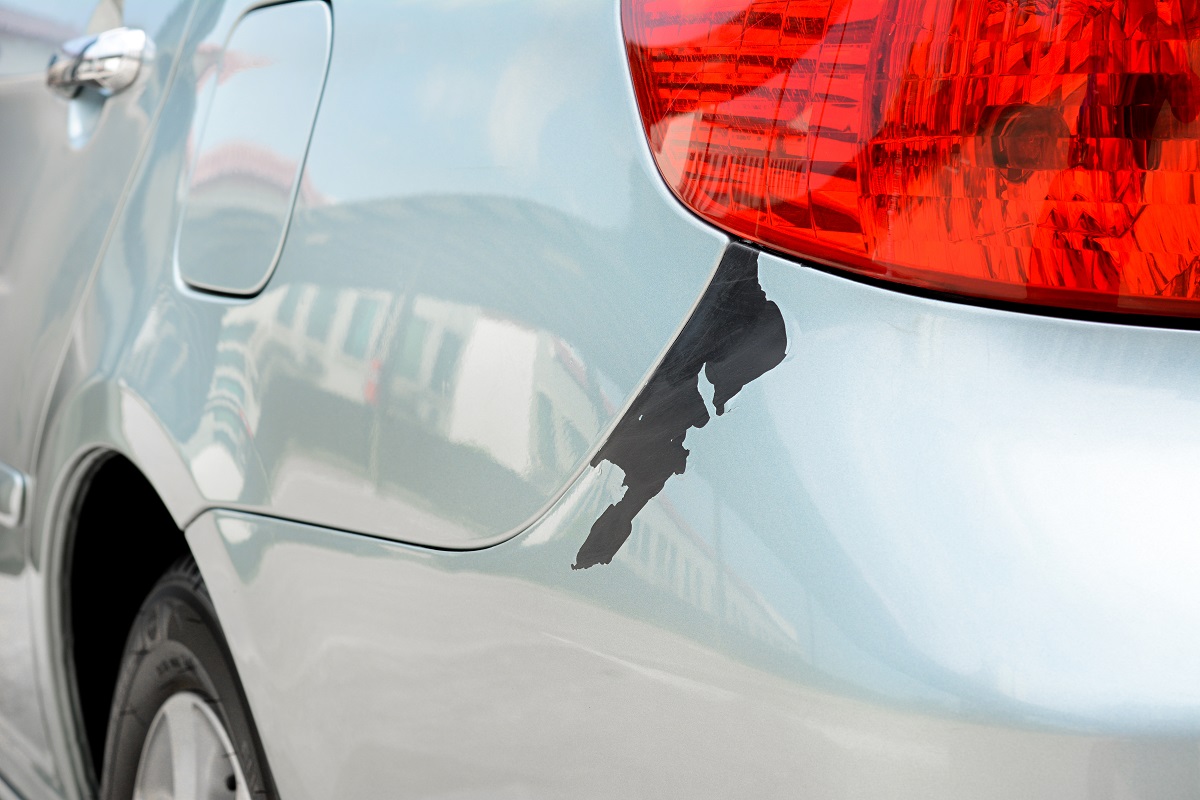
Paint peeling on your car can be frustrating. It affects the look and value of your vehicle.
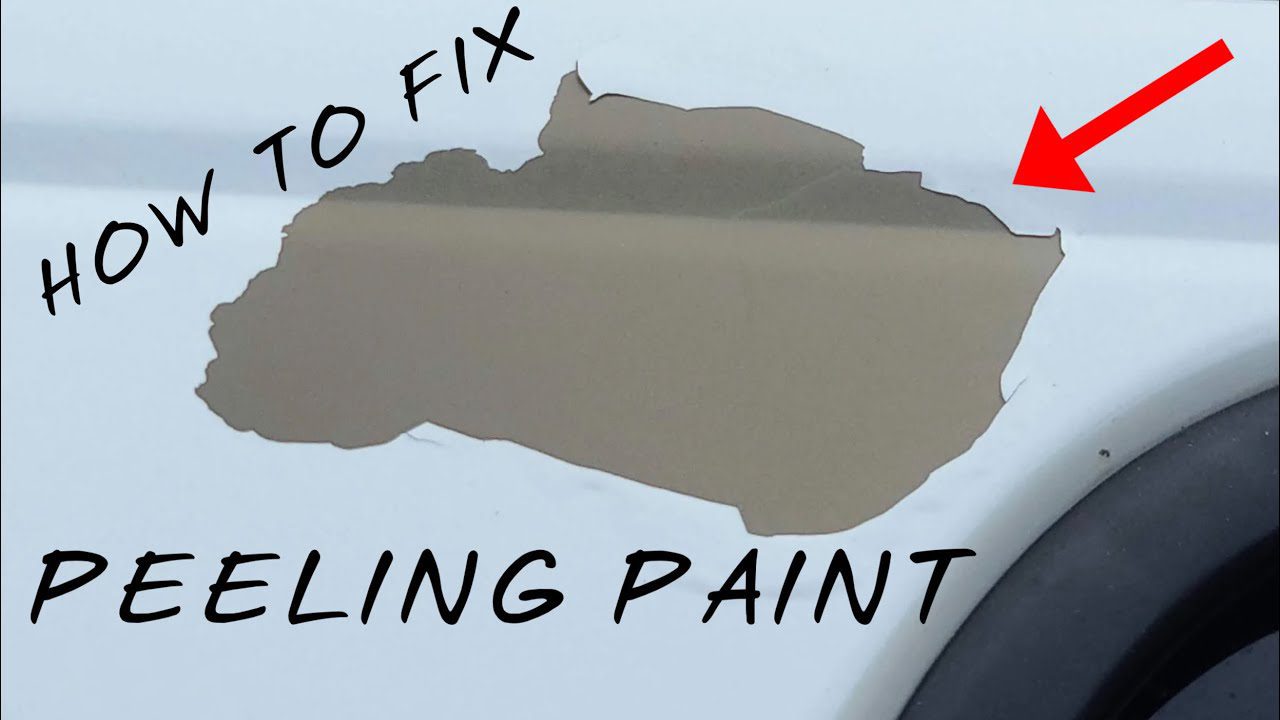
Fixing paint peeling is easier than you think. Paint peeling happens due to various reasons such as age, exposure to elements, or poor paint job. It’s important to address this issue promptly to prevent further damage. In this blog post, we’ll guide you through the steps to fix paint peeling on your car.
You’ll learn how to identify the affected areas, prepare the surface, and apply new paint. With the right tools and techniques, you can restore your car’s appearance. Let’s get started on fixing paint peeling and bringing back the shine to your vehicle.
Causes Of Paint Peeling
Sun exposure is a major cause. UV rays break down the paint. Acid rain can also harm the paint. Extreme temperatures cause paint to expand and contract. This process can lead to cracks. These cracks then make the paint peel. Road salt in winter can damage paint too.
Not washing your car can lead to paint peeling. Dirt and grime build up over time. This can trap moisture. Moisture leads to rust and paint damage. Not waxing your car also harms the paint. Wax protects against sun and rain. Without it, paint can peel more easily.
Preparing The Car Surface
First, wash the area with soap and water. Remove all dirt and debris. Make sure the surface is dry. Use a clean cloth to wipe it. This step is important to ensure a smooth finish. A clean surface helps paint stick well.
Use fine-grit sandpaper to sand the peeling area. Sand in small circles. This will help remove loose paint. Do not sand too hard. You want to create a smooth surface. Sanding helps new paint adhere better.
Choosing The Right Paint
Picking the correct paint is crucial. Acrylic paint is easy to use and dries quickly. Urethane paint is durable and lasts long. Water-based paint is environment-friendly. Each type has its advantages and disadvantages. Choose what suits your needs best.
Matching the car color is important. Check your car’s color code. You can find it on the driver’s side door or in the owner’s manual. Compare paint samples before buying. Make sure the new paint matches the old paint perfectly. This ensures your car looks uniform.
Applying Primer
Applying primer helps in fixing paint peeling on a car. It ensures proper adhesion of new paint layers. This step prevents future peeling and creates a smooth surface for painting.
Primer Types
Primers help the paint stick to the car. There are three main types. Epoxy primer offers great corrosion resistance. Urethane primer is flexible and easy to sand. Acrylic primer dries quickly and is good for small fixes. Choose the right primer for your car’s needs.
Application Methods
Applying primer is easy. Start by cleaning the surface. Spray or brush the primer evenly. Let it dry completely. Use thin coats for best results. Sand between coats if needed. This helps the paint stick better. Follow these steps for a smooth finish.
Painting The Car
Start by cleaning the car surface. Use soap and water for this. Sand the area to smooth it out. Wipe the surface with a clean cloth. Shake the spray paint can well. Hold the can about 6 inches away. Spray in even strokes. Apply thin layers of paint. Wait for each layer to dry before adding more. This helps to avoid drips and uneven paint.
Prepare the car surface by cleaning and sanding. Use a clean, soft brush. Dip the brush in the paint. Apply the paint in thin layers. Smooth out any brush marks as you go. Let each layer dry before adding the next. Use gentle strokes to avoid streaks. This method takes more time but can be effective.
Credit: www.mccarthycollisioncenters.com
Drying And Curing
The best temperature for drying car paint is between 60°F and 80°F. Low humidity helps paint dry faster and better. Good ventilation is also important. It helps remove fumes and speeds up drying. Direct sunlight should be avoided as it can cause uneven drying.
Initial drying can take a few hours. Full curing may take up to 30 days. During this time, avoid washing the car. Waxing should be postponed for at least 60 days. Touch-ups can be done after the paint has cured completely.
Polishing And Finishing
Buffing can make your car look new. Use a soft pad to avoid scratches. Apply a small amount of polish to the pad. Move the pad in small, circular motions. Keep the pressure light. Too much pressure can damage the paint. Buff until the polish is gone. Your car should now shine.
Waxing helps protect your car’s paint. Choose a good quality wax. Apply the wax in a thin layer. Let it dry for a few minutes. Use a clean cloth to remove the wax. Make sure to wax your car every few months. This will keep the paint looking fresh and shiny.

Credit: www.youtube.com
Preventing Future Peeling
Clean your car often. Dirt can cause paint to peel. Use mild soap and water. Avoid harsh chemicals. Wax your car regularly. Wax protects the paint. It adds a layer of protection. Inspect your car often. Look for chips or cracks in the paint. Fix them quickly. Small issues can grow big.
Apply a clear coat. A clear coat adds extra protection. It shields against sun and rain. Use a sealant. Sealants protect against dirt and grime. They last longer than wax. Ceramic coatings are also good. They offer long-term protection. They resist scratches and chemicals. They keep your car looking new.
Credit: www.torquedetail.com
Frequently Asked Questions
Can You Repair Peeling Car Paint?
Yes, you can repair peeling car paint. Clean the area, sand it, apply primer, and repaint for best results.
How Much Does It Cost To Fix Peeling Paint On A Car?
Fixing peeling paint on a car typically costs between $150 to $800. The price varies based on damage extent and location.
Can I Paint Over Peeling Paint?
No, you should not paint over peeling paint. Remove the loose paint, sand the surface, and apply a primer before repainting.
How To Fix Flaking Paint?
To fix flaking paint, scrape off loose paint, sand the area smooth, apply primer, and repaint. Use quality paint for best results.
Conclusion
Fixing paint peeling on your car is achievable with patience and care. Follow the steps outlined to restore your car’s appearance. Regular maintenance prevents future peeling issues. Always use quality materials for best results. Your car will look as good as new.
Remember, a little effort goes a long way. Happy car care!